

Follow us:


Who Is Truly Qualified For Home Care Services?
Home care is one of the most flexible and compassionate ways to support an elderly or unwell loved one. Rather than uprooting someone from their familiar surroundings, trained professionals come directly to them. However, a question many Malaysian families ask is whether their loved one actually qualifies for this kind of support. TrueCare2U works with families every day to answer exactly that question.
The short answer is that home care suits a much wider range of people than most families realise. From seniors managing chronic illness to adults recovering from surgery, the eligibility is broader than many expect. Understanding who benefits most helps families make a confident, informed decision rather than waiting until a crisis forces their hand.
This guide breaks down who is best suited for home care, what the service involves and how to get started in Malaysia.
Before deciding whether someone qualifies, it helps to understand what home care actually covers. Many families picture only basic companionship or light housekeeping. In reality, home care spans a wide spectrum of professional support.
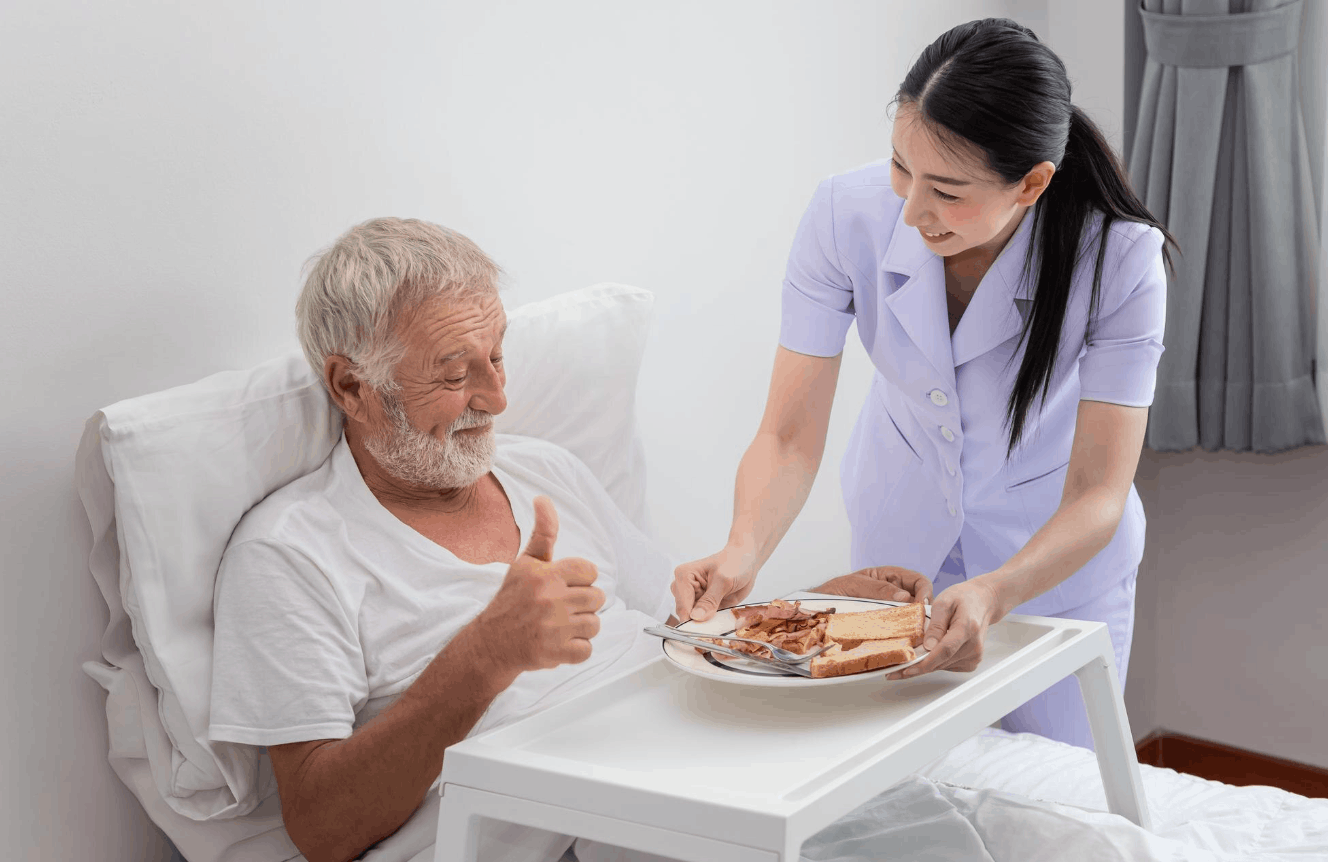
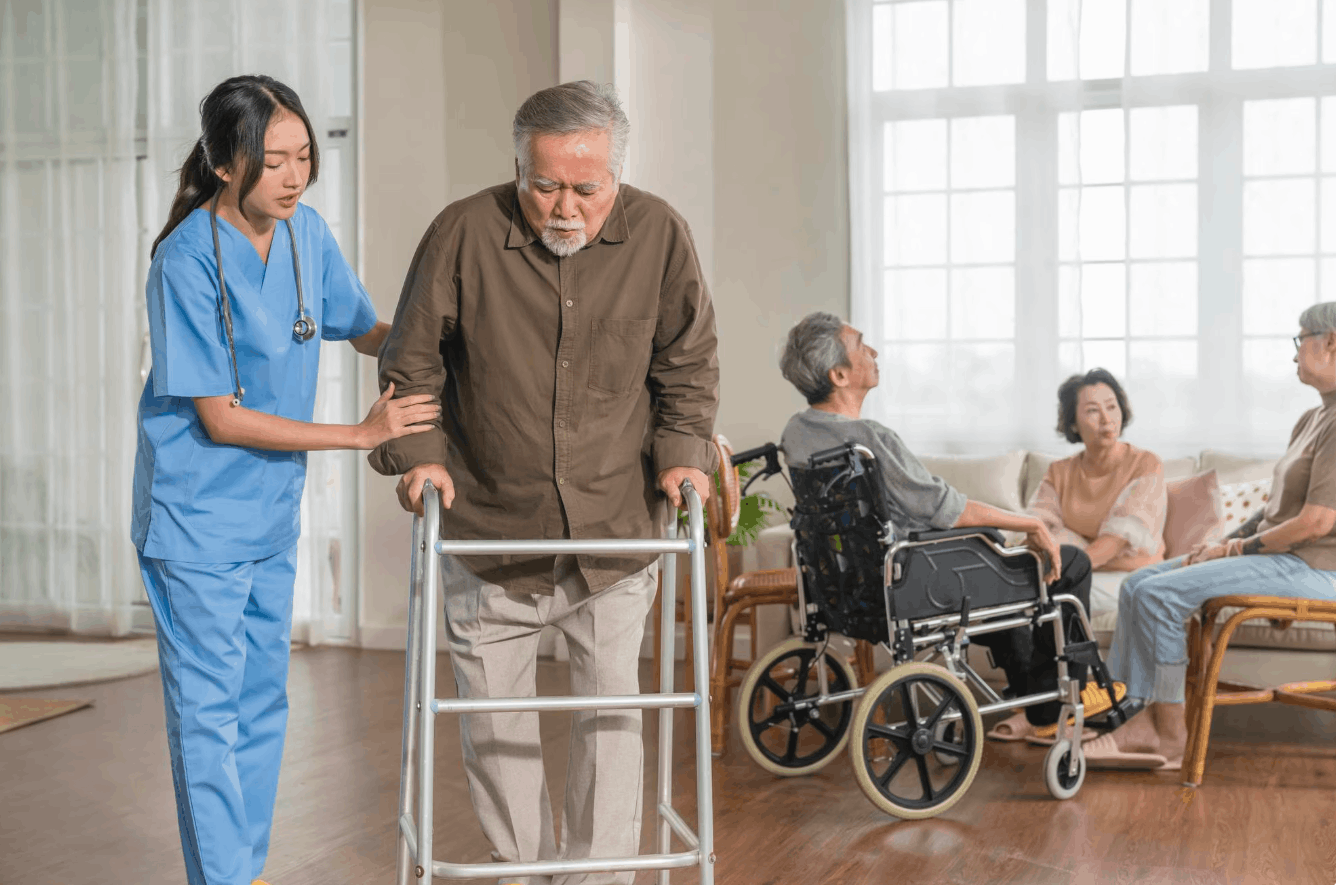
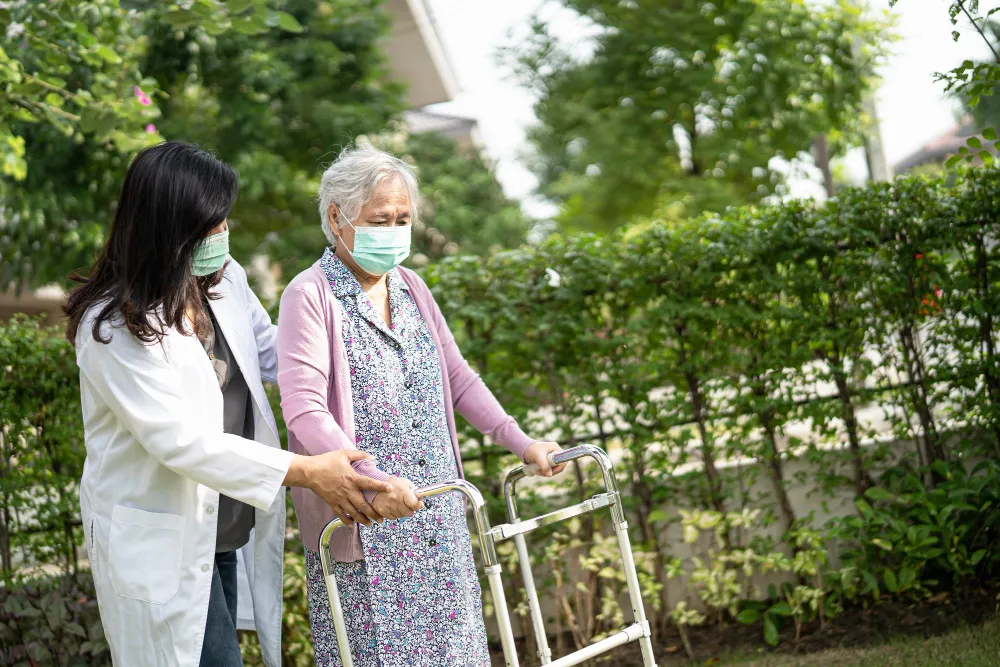
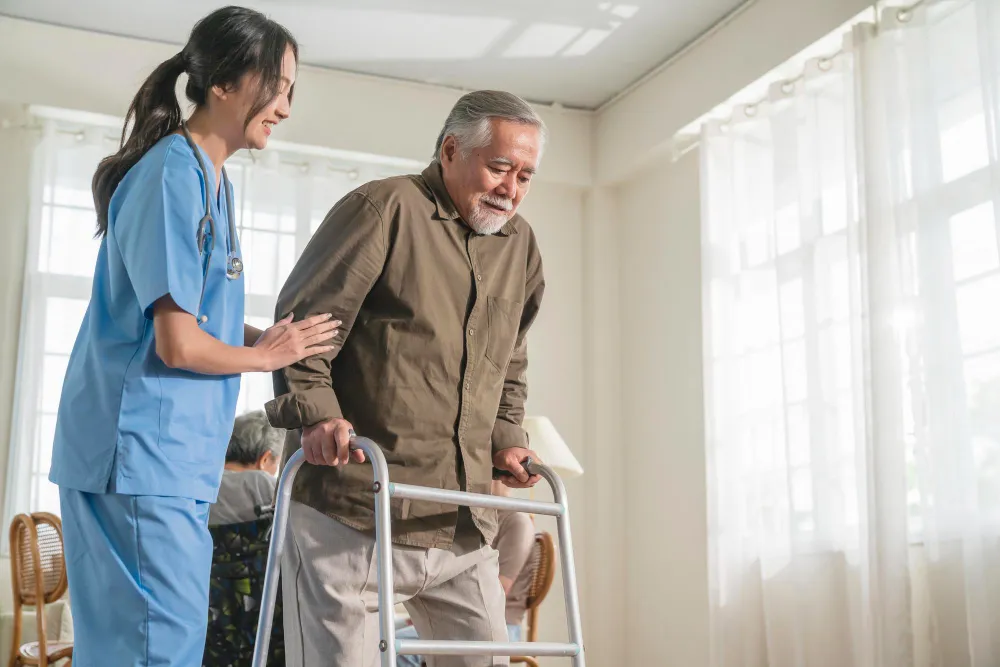
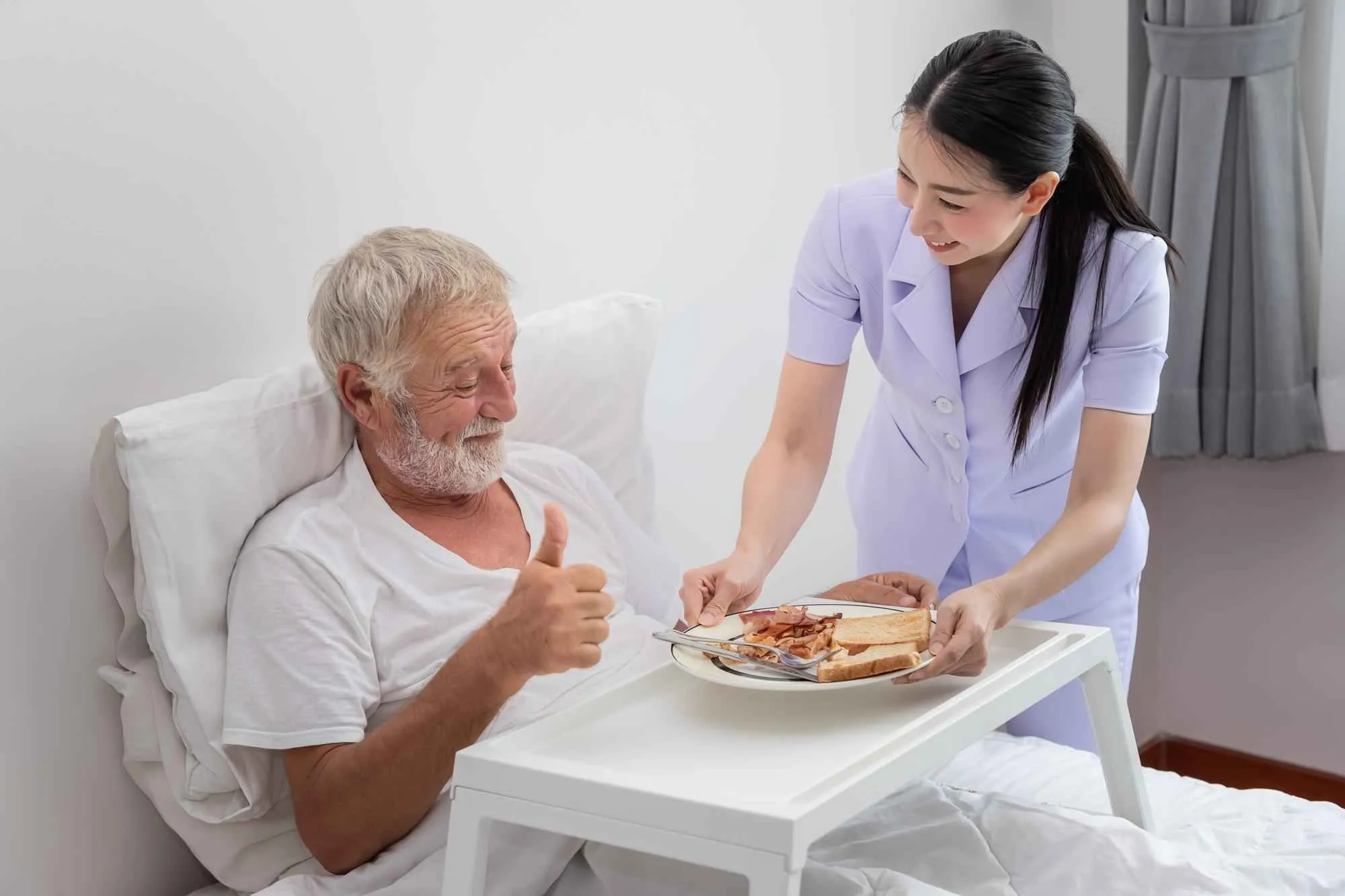
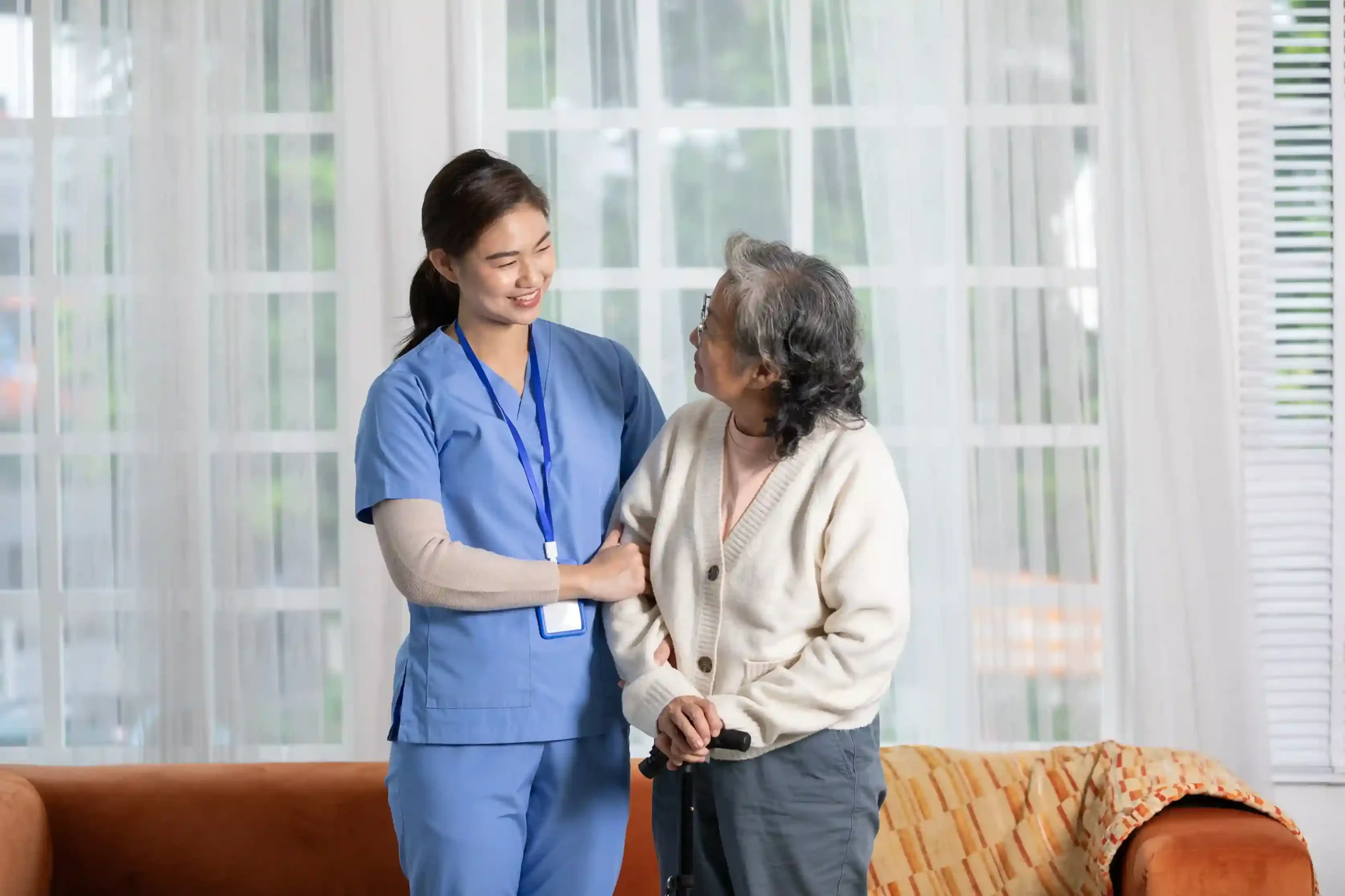
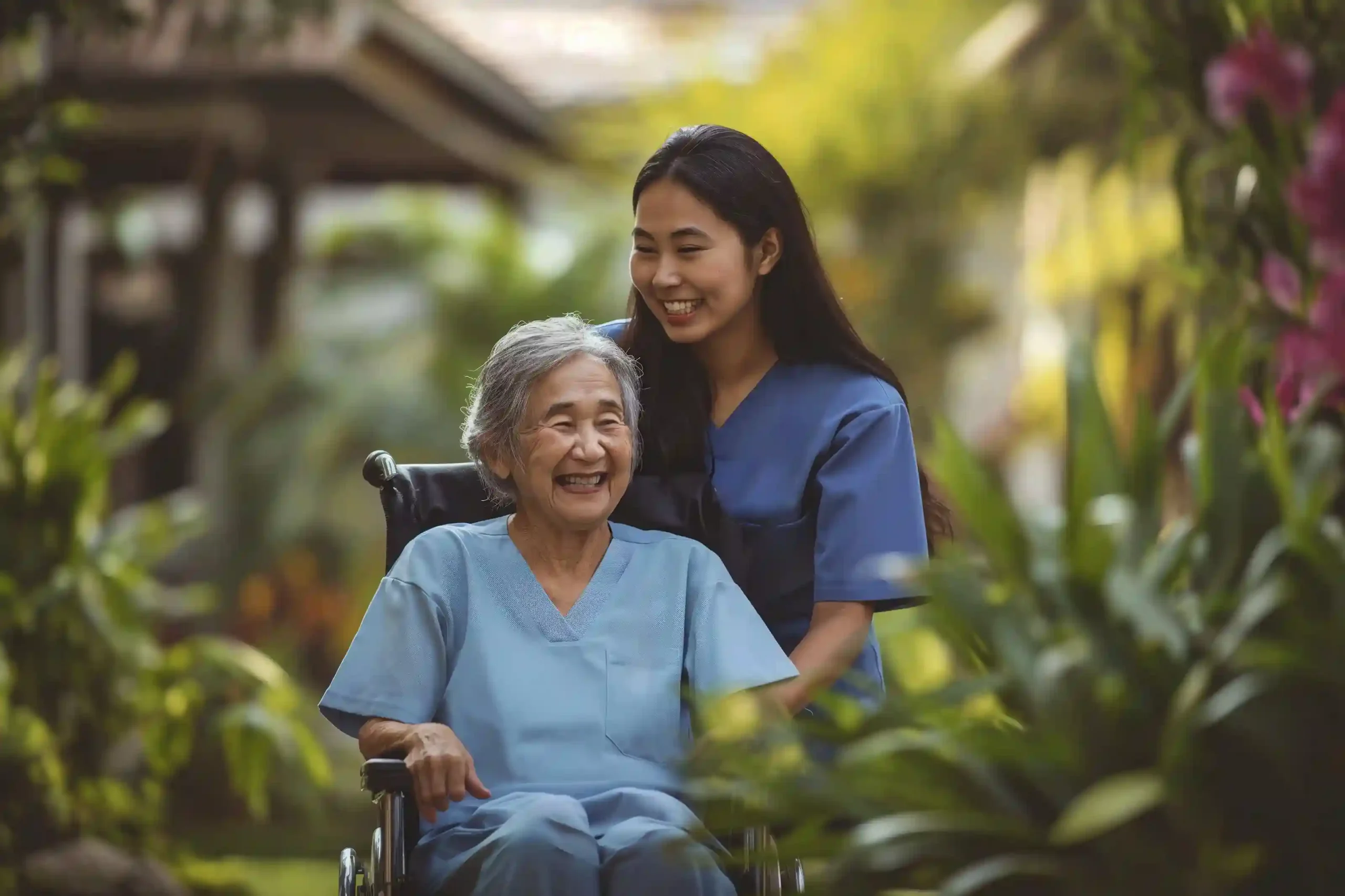
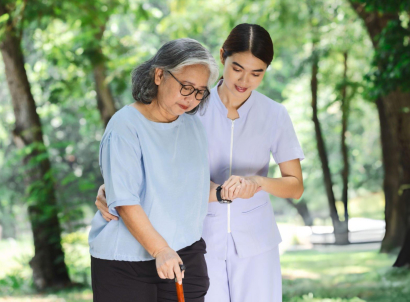
At the foundational level, home care covers help with the tasks of daily life that a person can no longer manage independently. This includes bathing, dressing, grooming, meal preparation and light mobility assistance around the home.
This type of support is ideal for seniors who are largely independent but need a reliable hand with specific tasks that have become difficult or unsafe. It preserves dignity by allowing the individual to remain at home rather than moving into a residential facility before it is truly necessary.
Personal care services typically include:
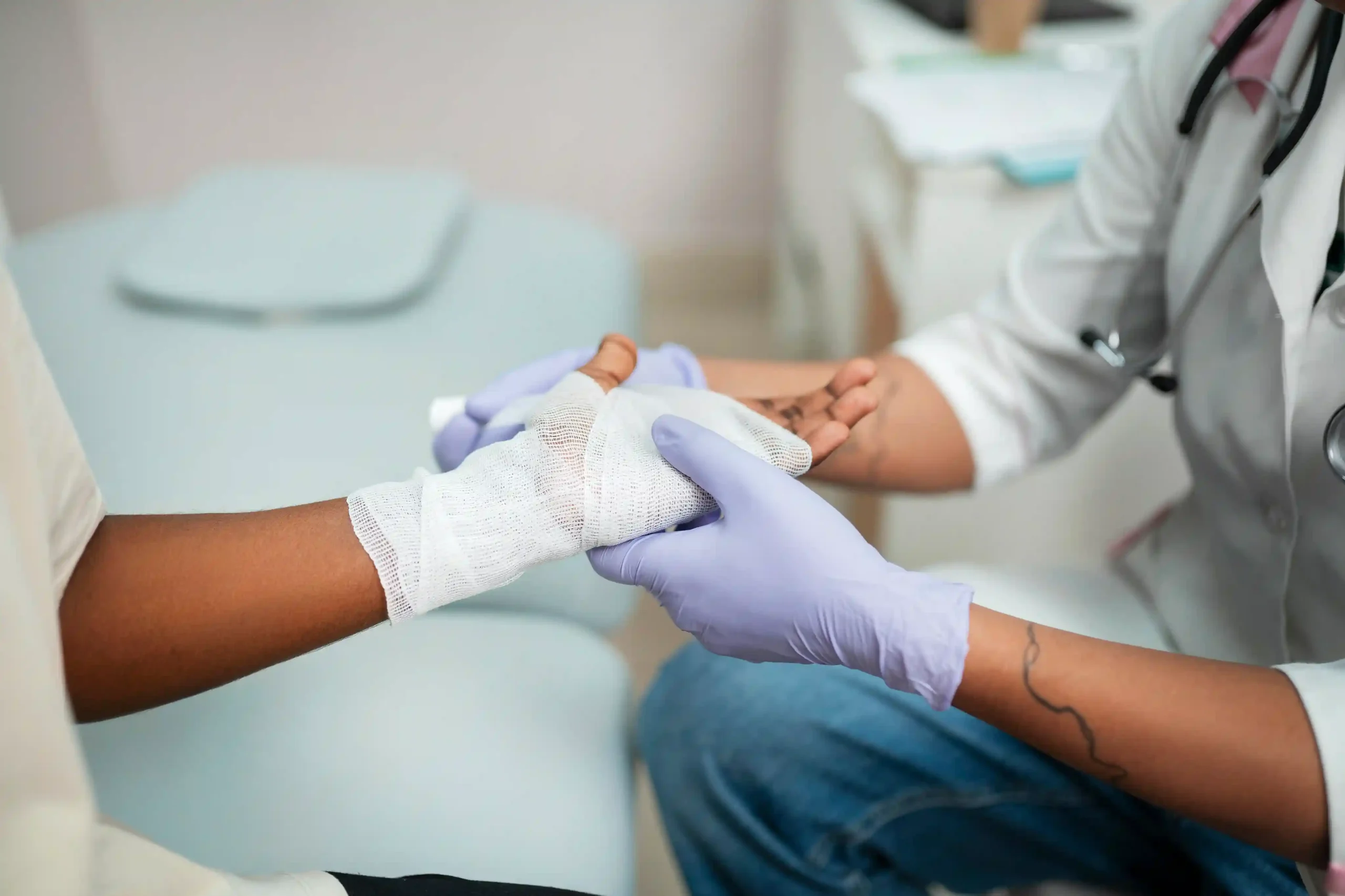
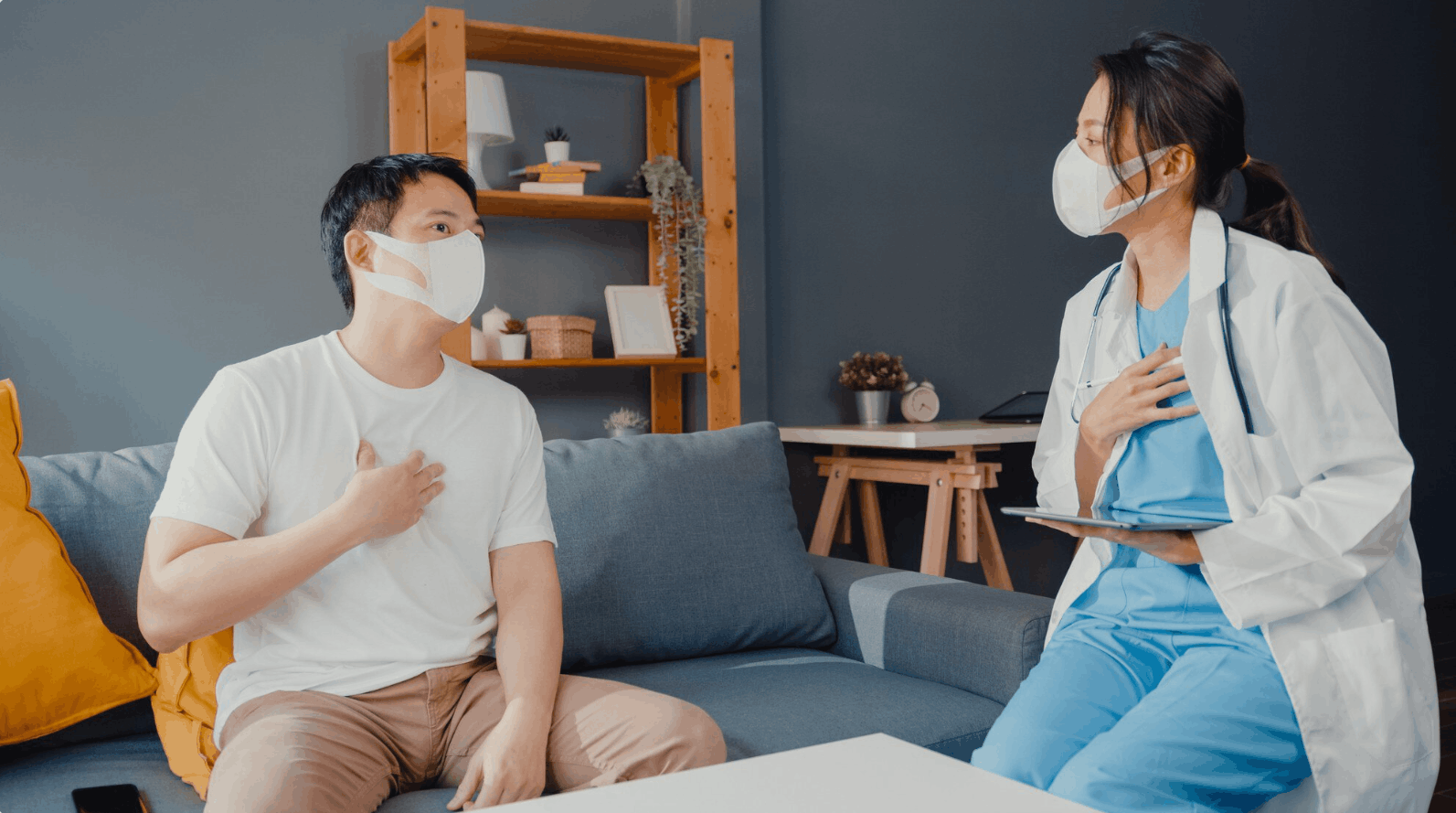
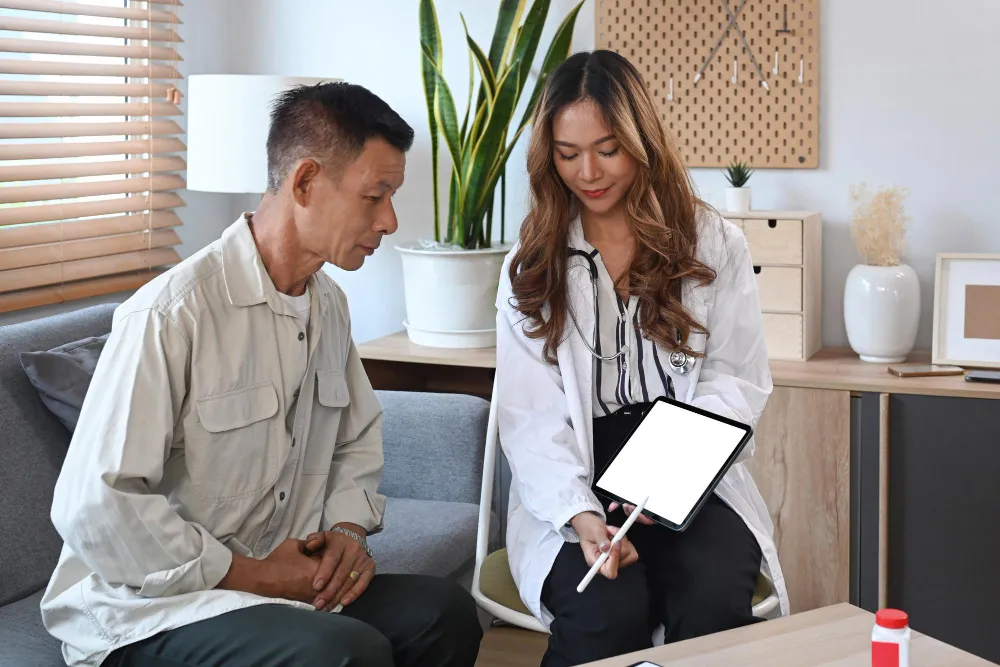
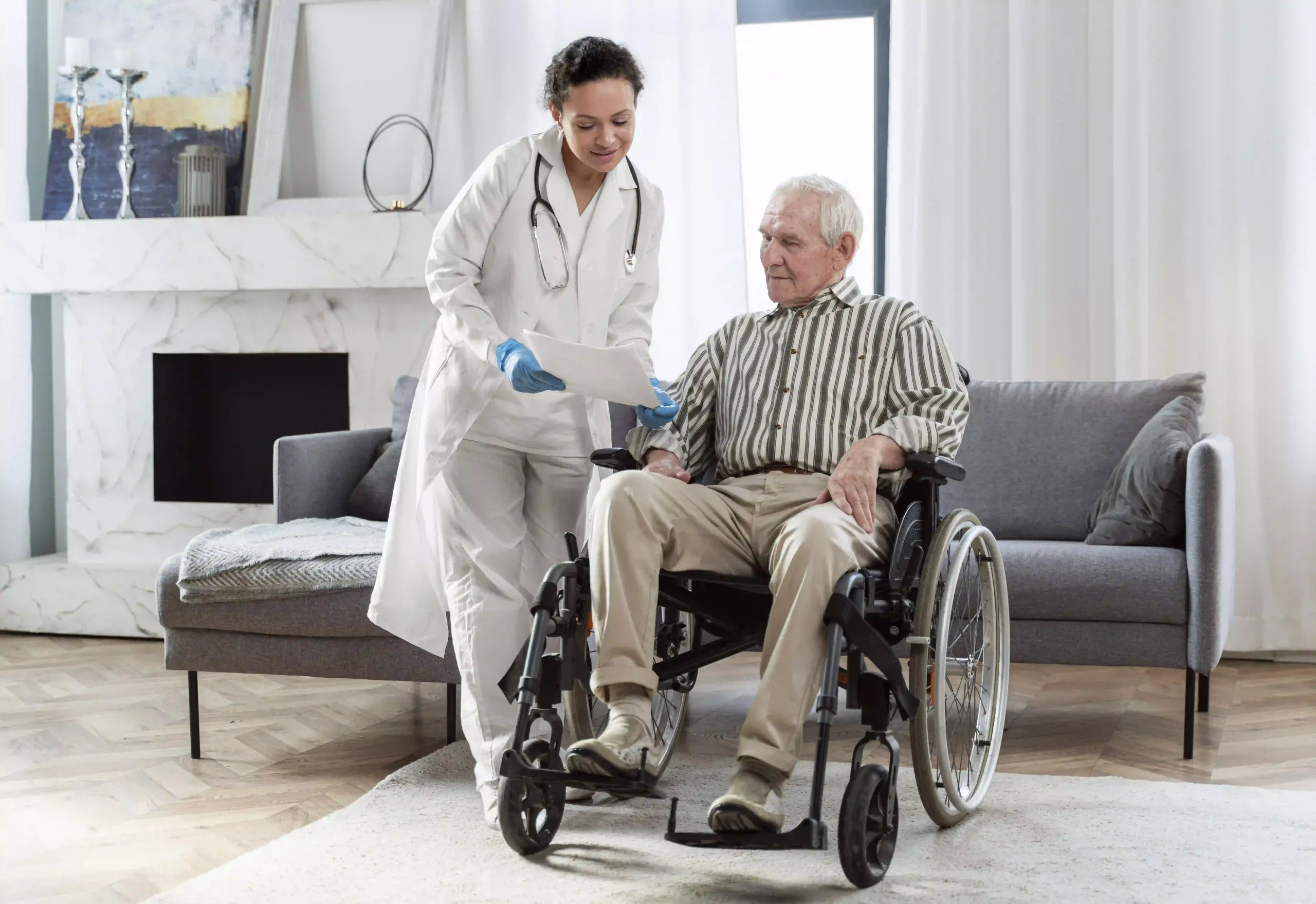
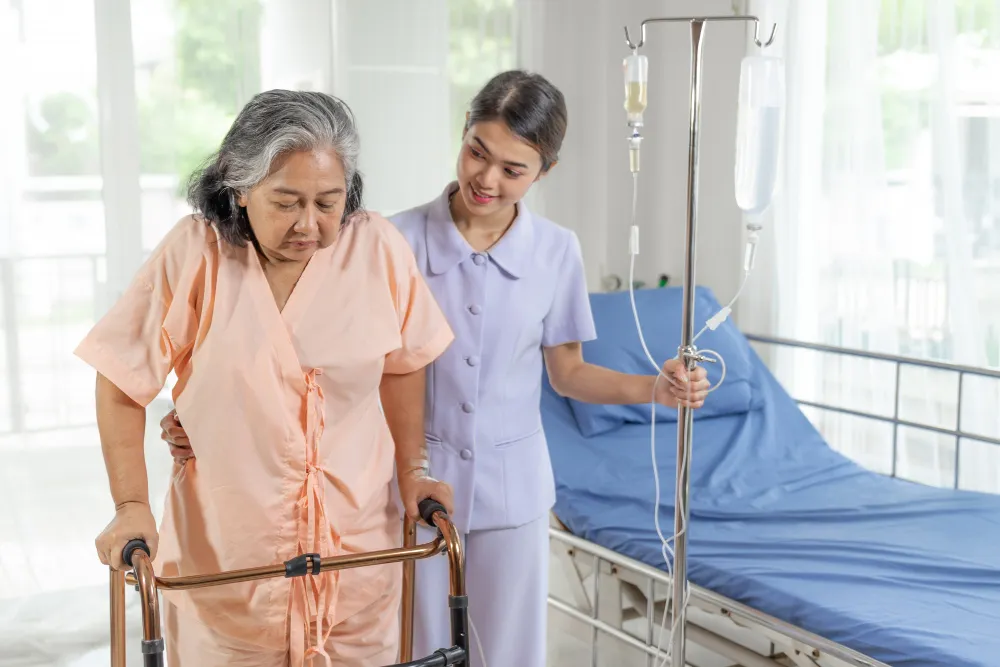
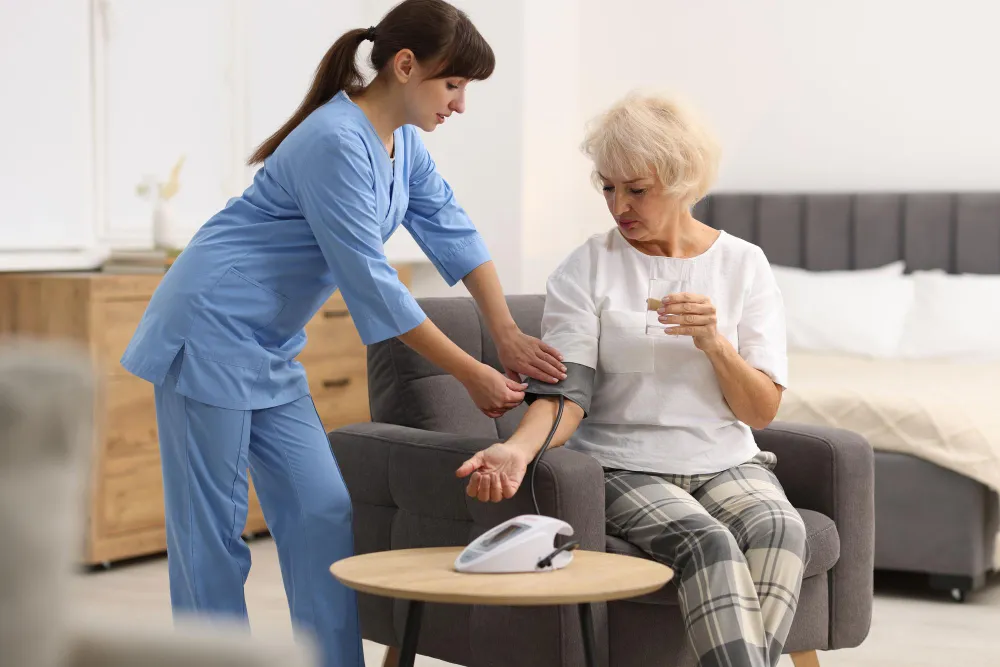
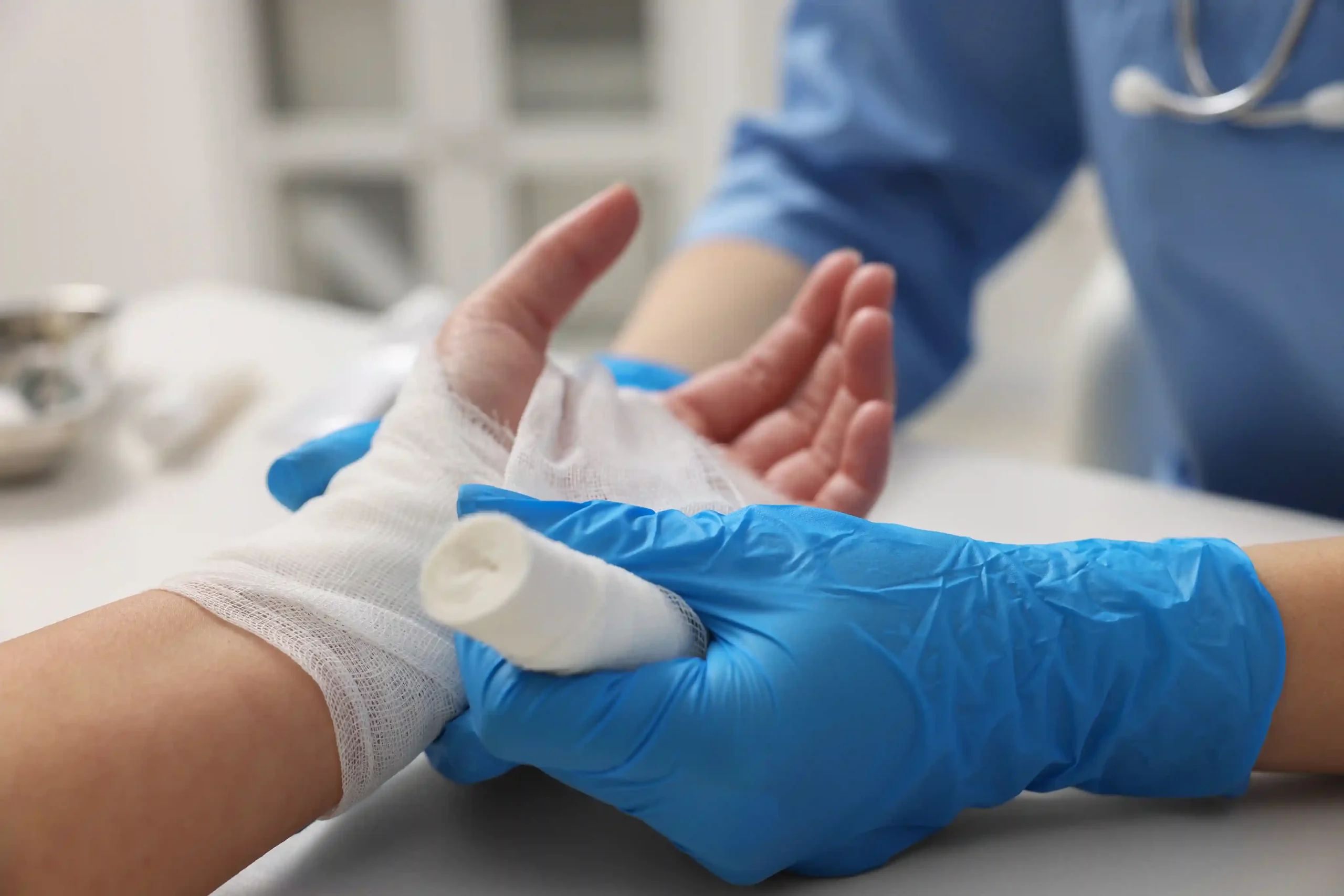
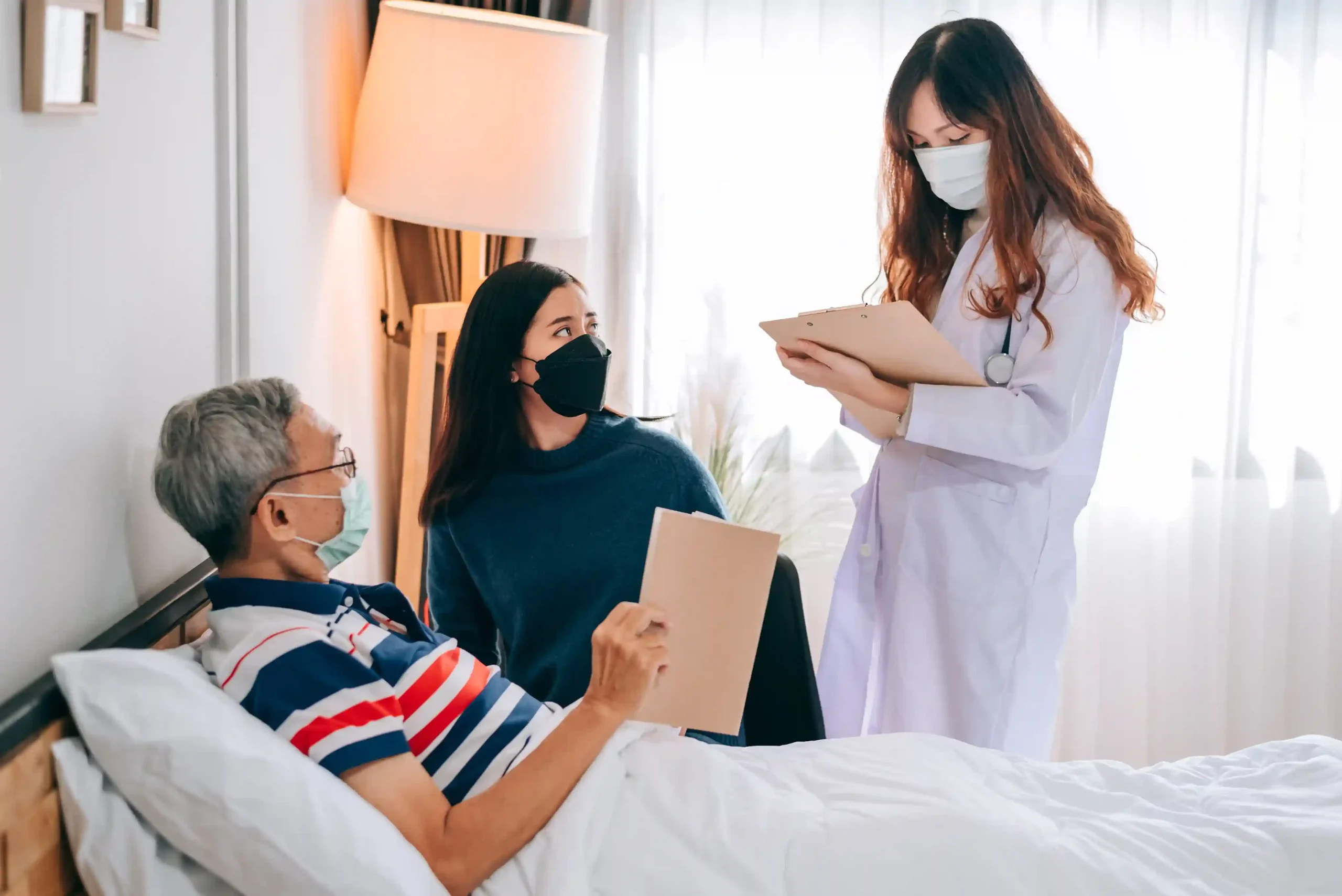
Beyond personal care, home care also extends into skilled medical support. Nurses and trained medical professionals can visit regularly to manage wound care, administer medications, monitor vital signs and liaise with a patient’s doctors.
This level of care is particularly relevant for patients recently discharged from hospital, those managing complex chronic conditions or individuals receiving palliative support. According to the Malaysia Official Government Portal, Ministry of Health clinics already provide home visits as part of their elderly care offering, reflecting how central home-based medical care has become in Malaysia’s healthcare framework.
Home care is not reserved for any single group. A wide range of individuals can benefit, depending on their health status, living situation and level of independence. Understanding these categories helps families identify whether their loved one is a suitable candidate.
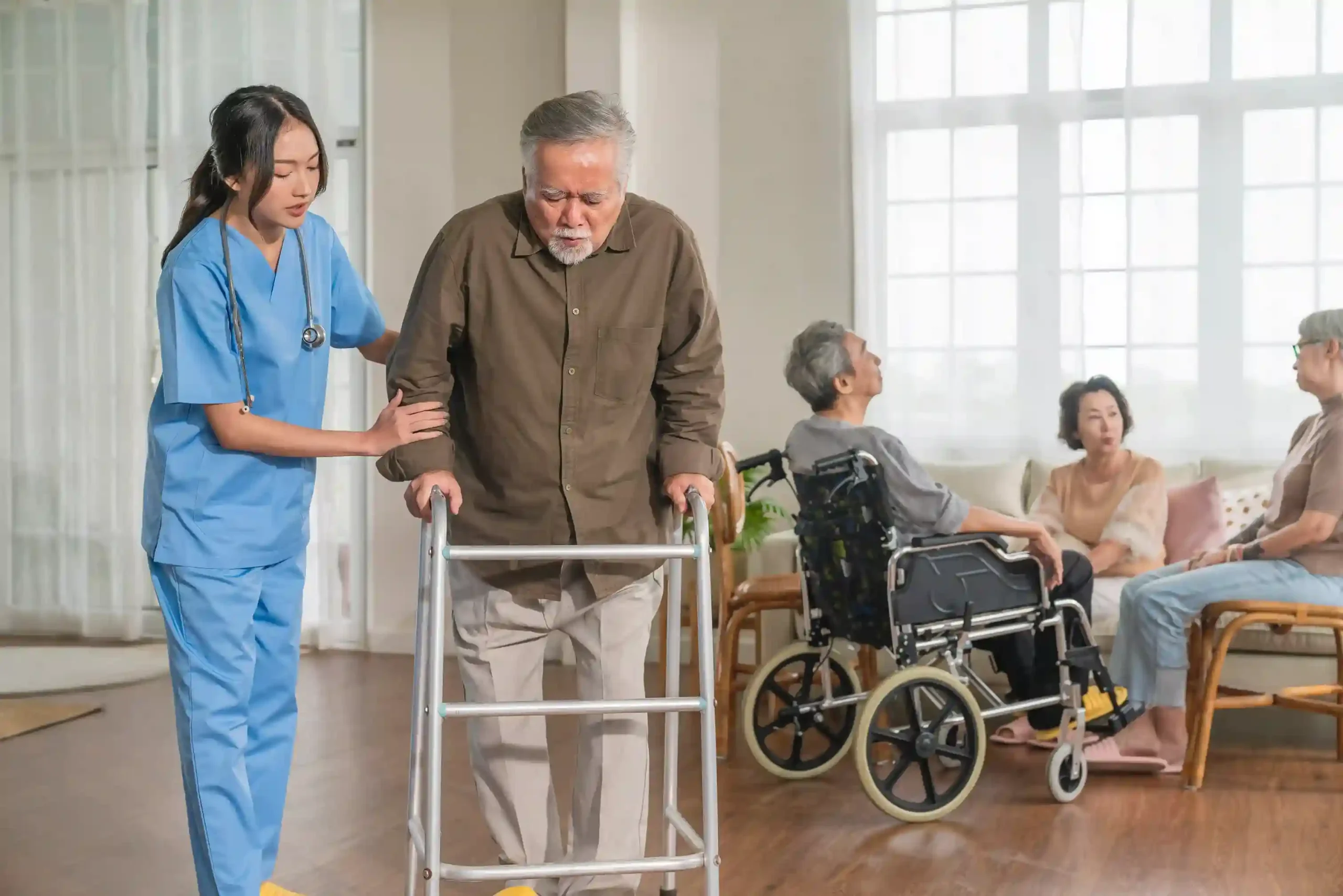
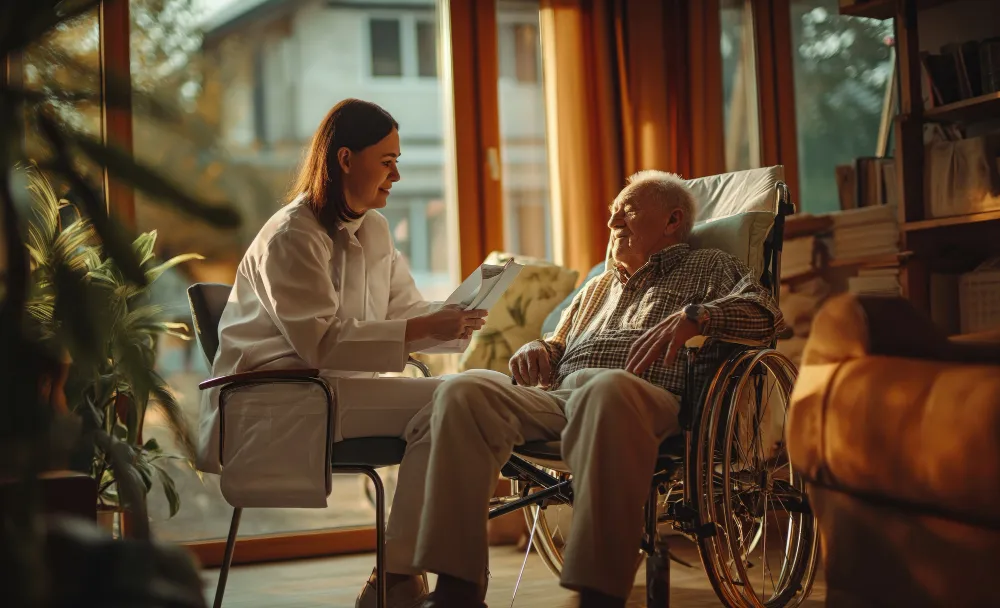
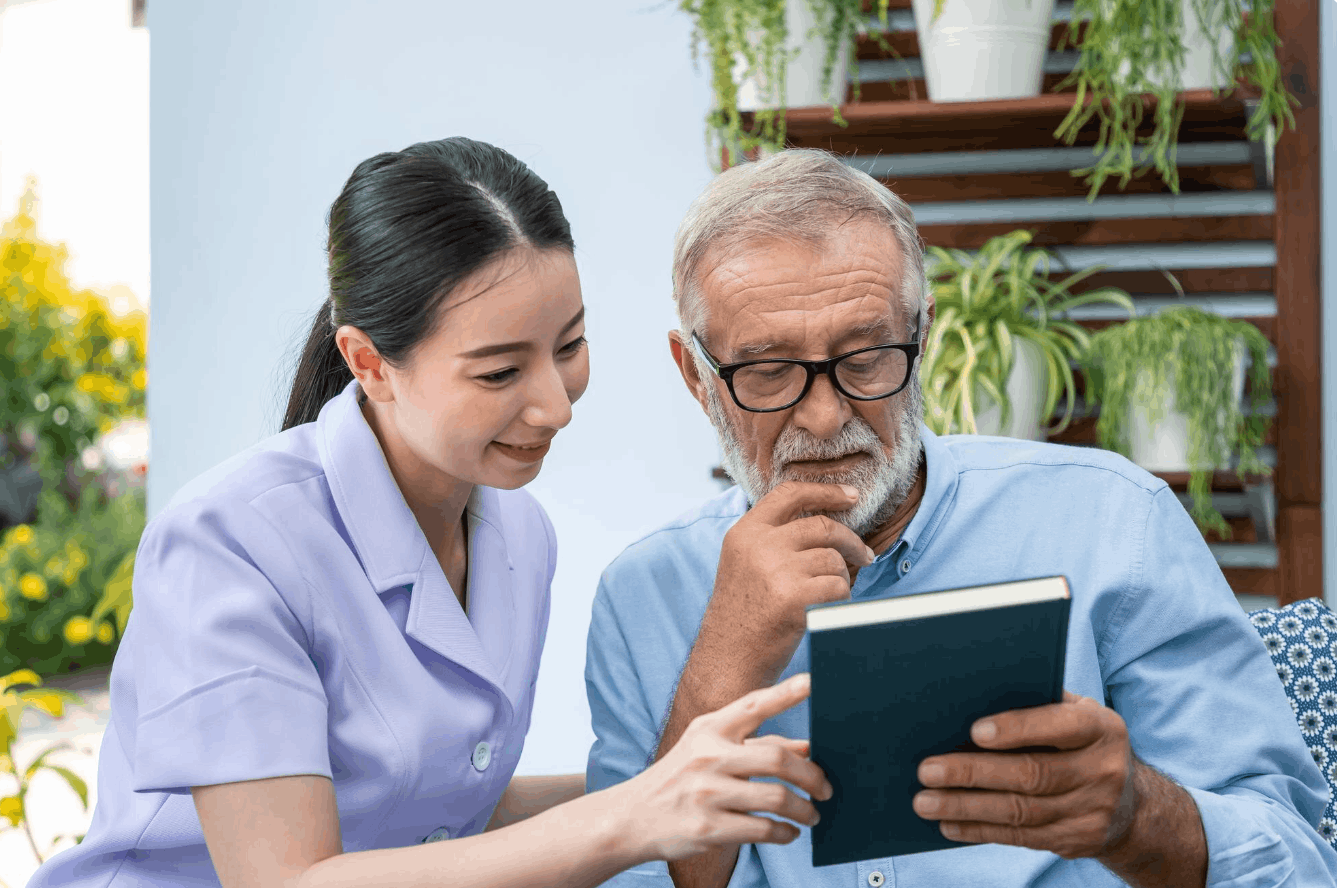
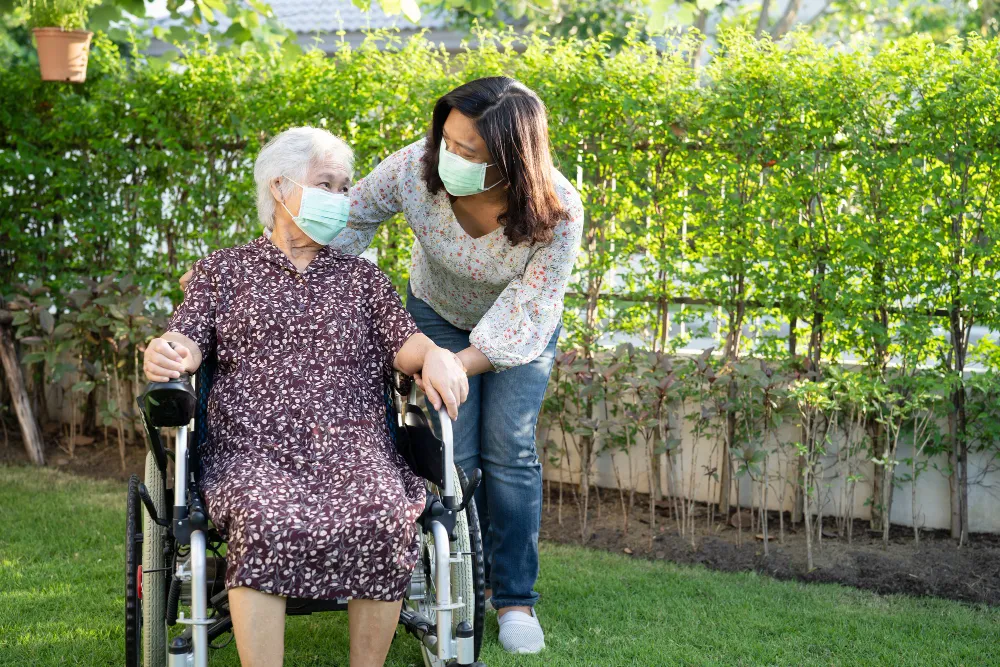
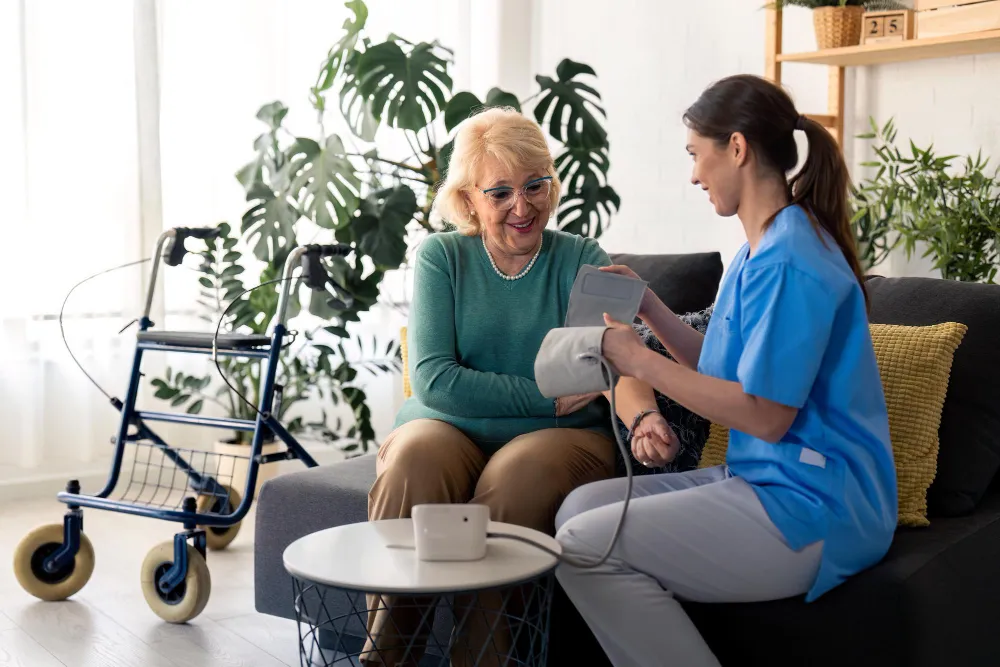
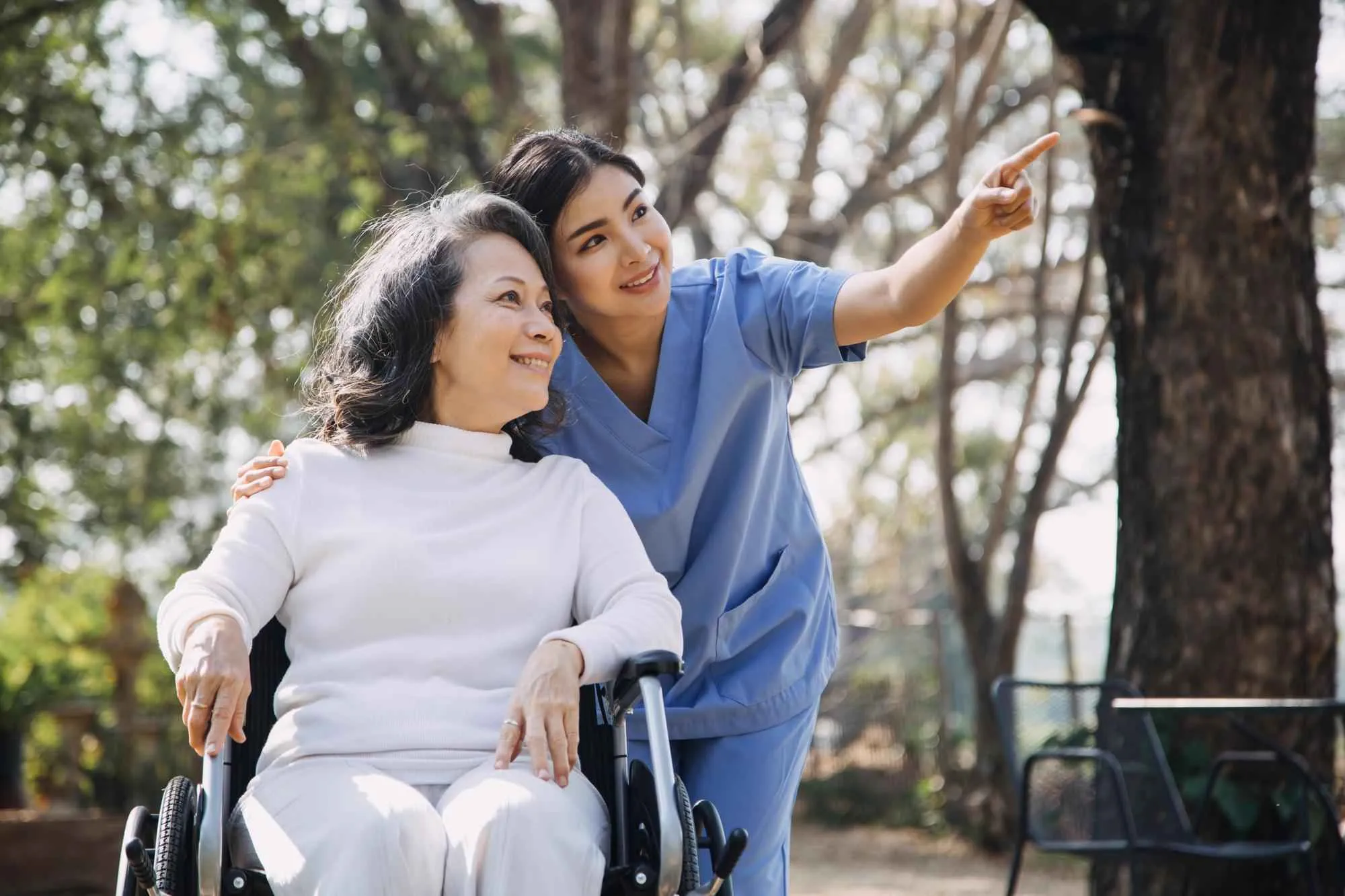
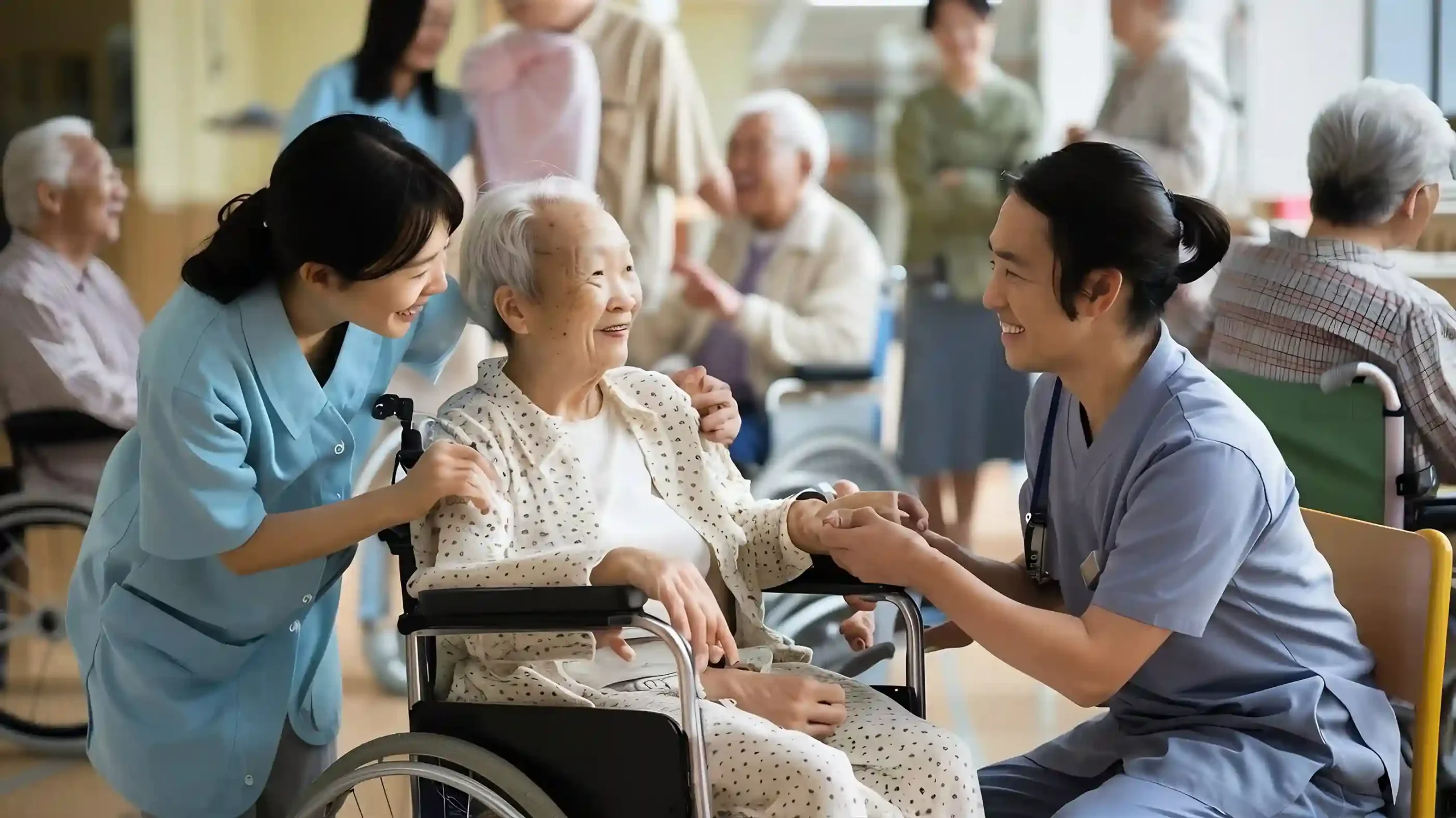
The most common recipients of home care are elderly individuals who are finding daily life increasingly difficult to manage alone. This does not require a specific diagnosis. If a senior is struggling to bathe safely, prepare meals or move around without risk of falling, home care is likely appropriate.
Families often notice the signs gradually. A parent who was once tidy begins living in a cluttered home. Someone who loves cooking stops preparing proper meals. These shifts signal a growing need for support that home care is well-positioned to provide. TrueCare2U’s healthcare provider network connects families with professionals trained to assess and respond to exactly these situations.
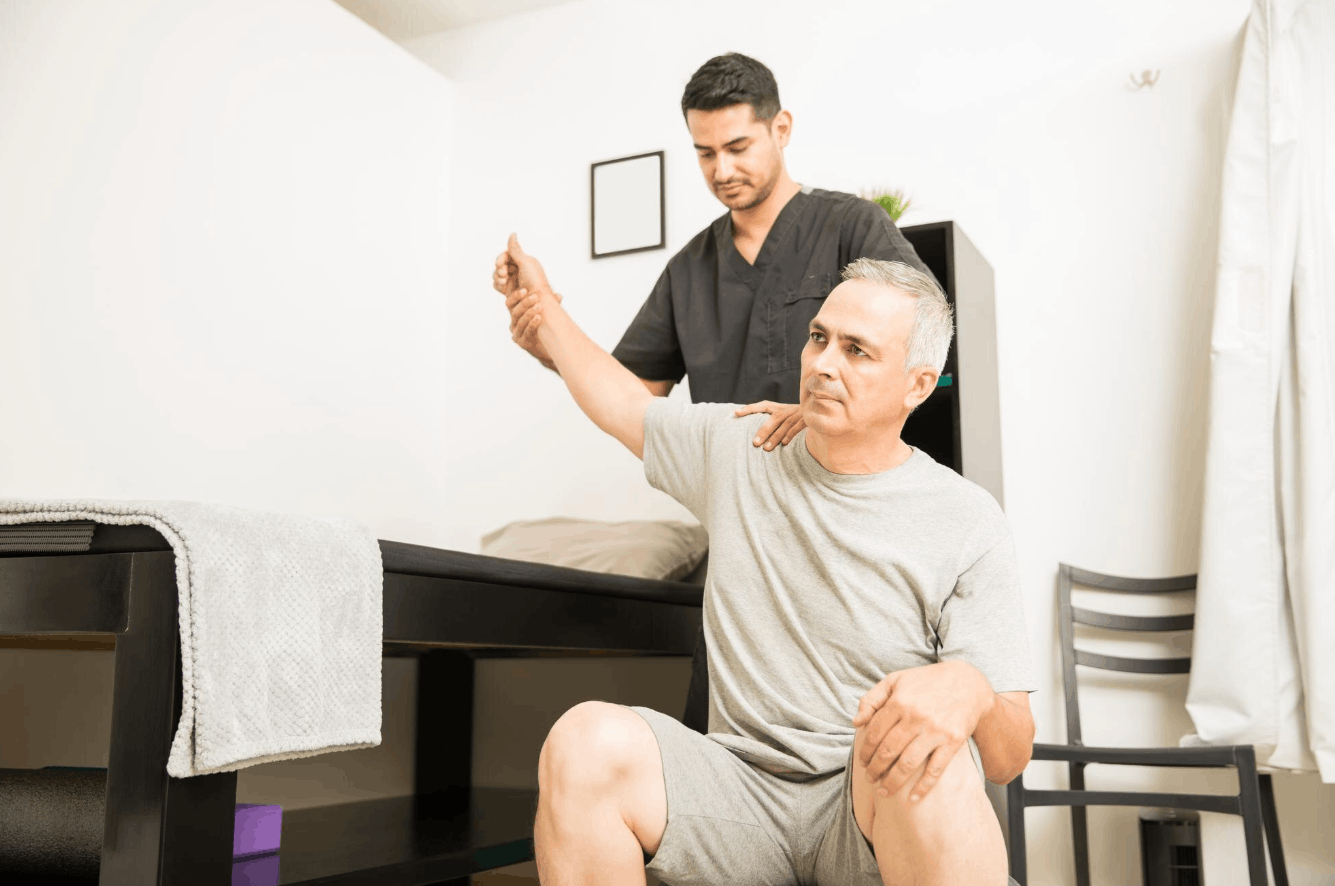
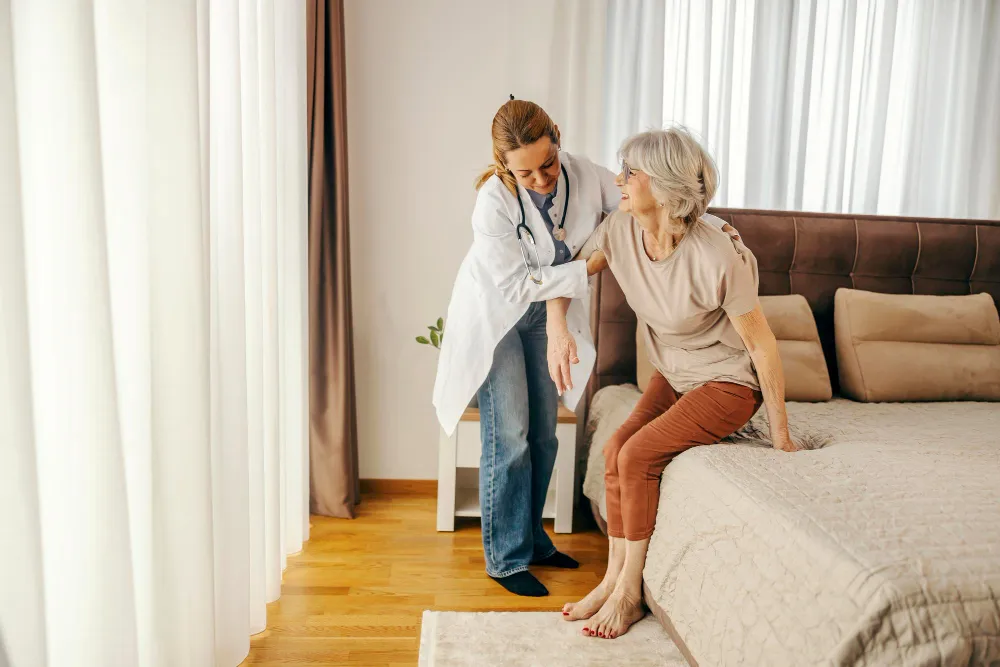
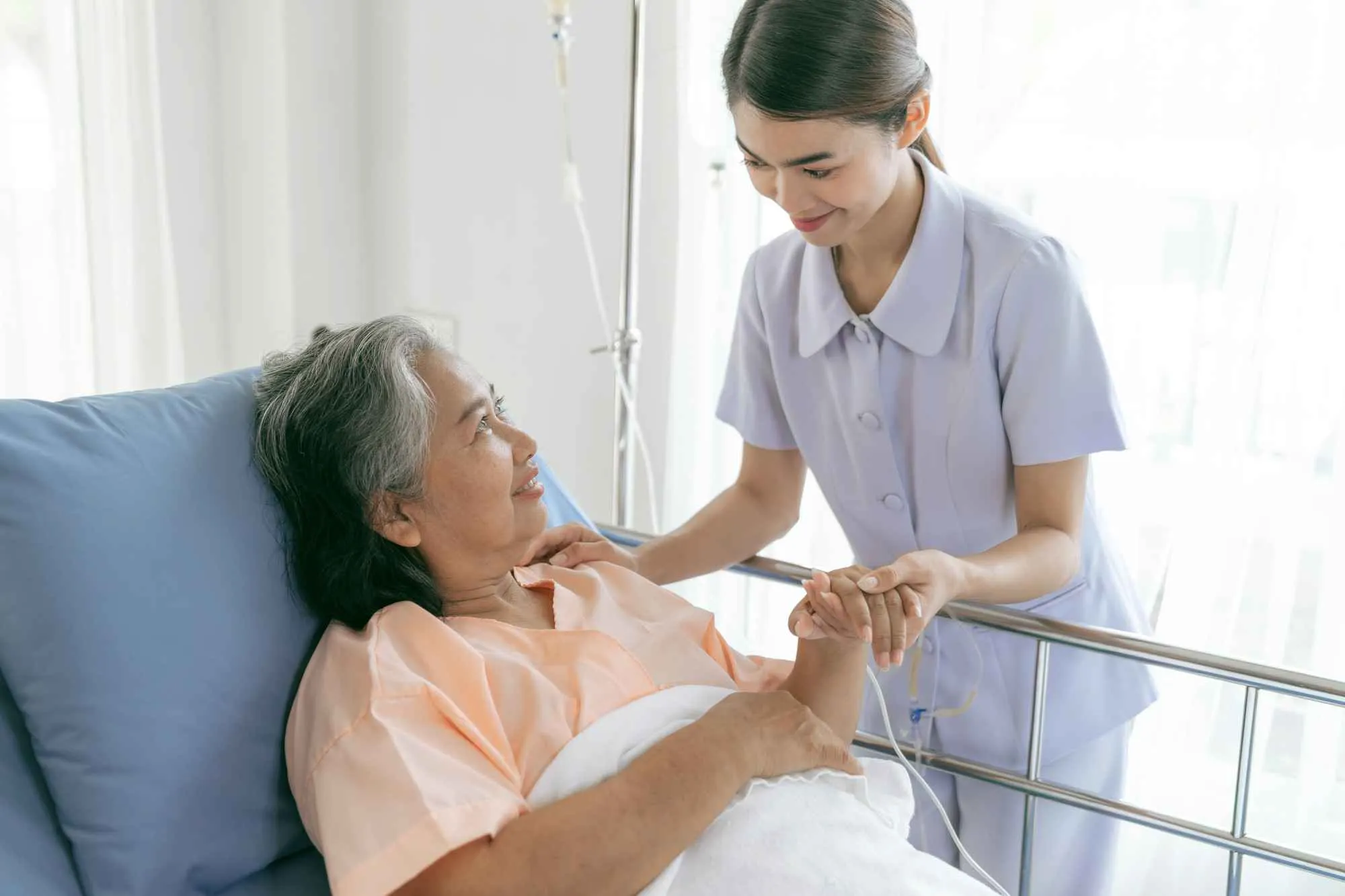
Adults of any age who are recovering from surgery or a serious illness often need a period of supervised care at home. Hospital stays are shorter than ever, meaning patients are frequently discharged before they are fully independent. Home care bridges this gap safely.
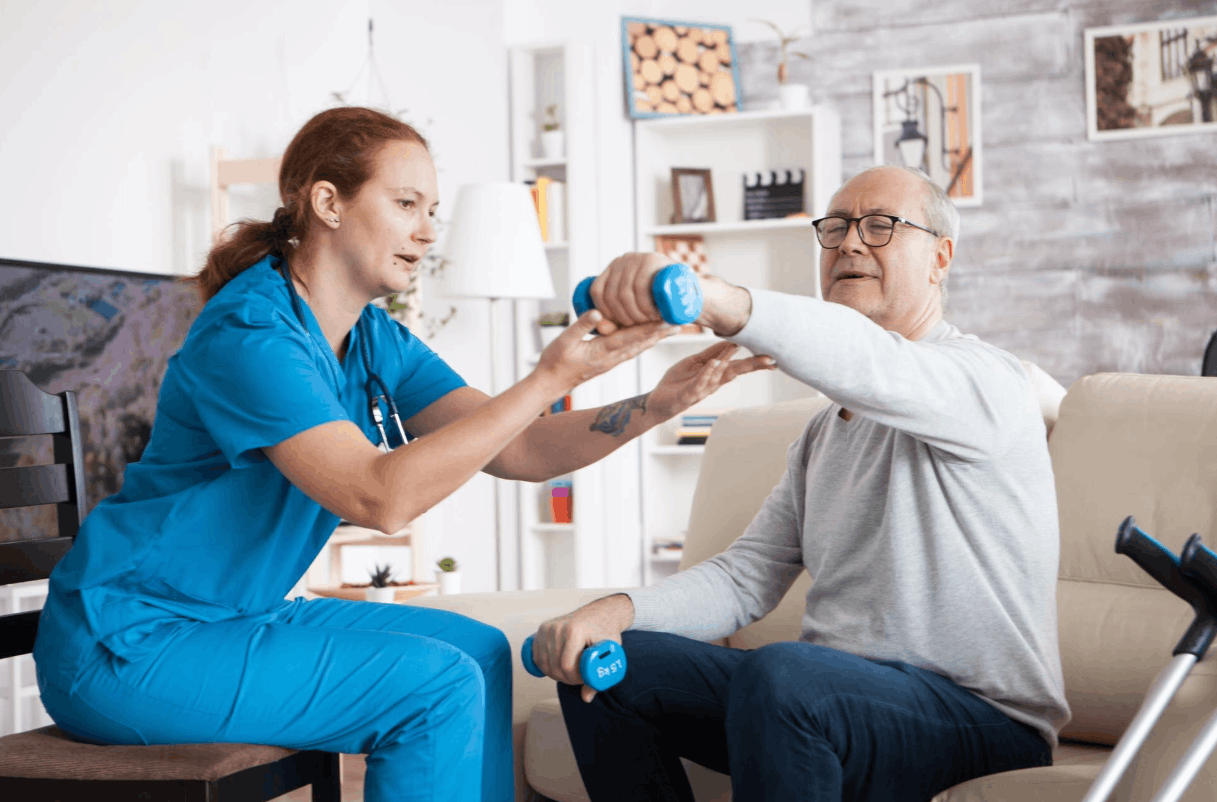
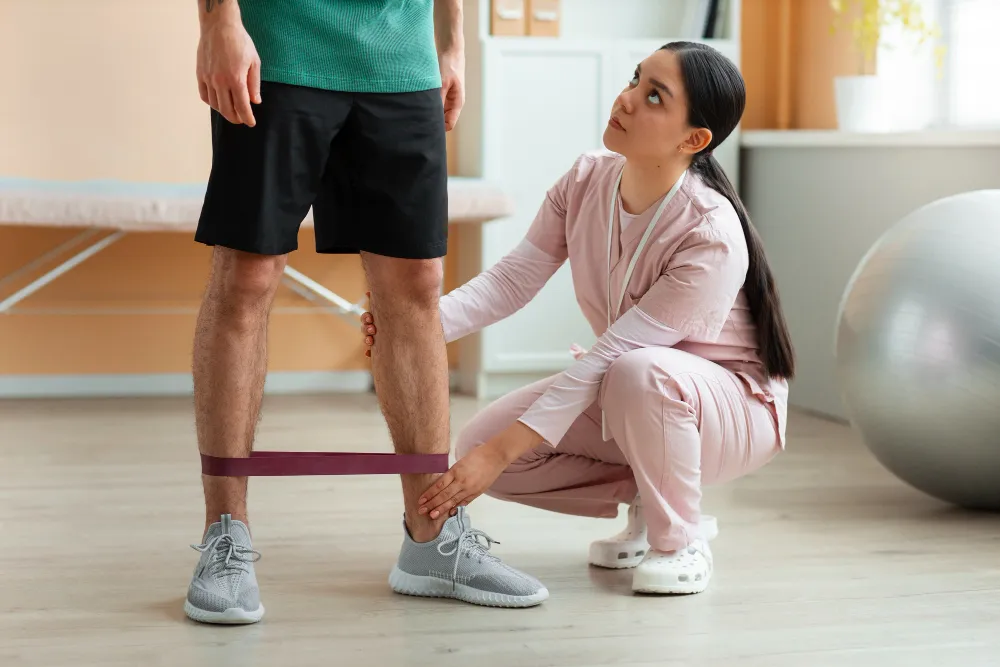
During recovery, a home care professional can manage wound dressings, monitor for signs of infection, assist with physiotherapy exercises and ensure medications are taken correctly. This reduces the risk of complications and hospital readmission significantly.
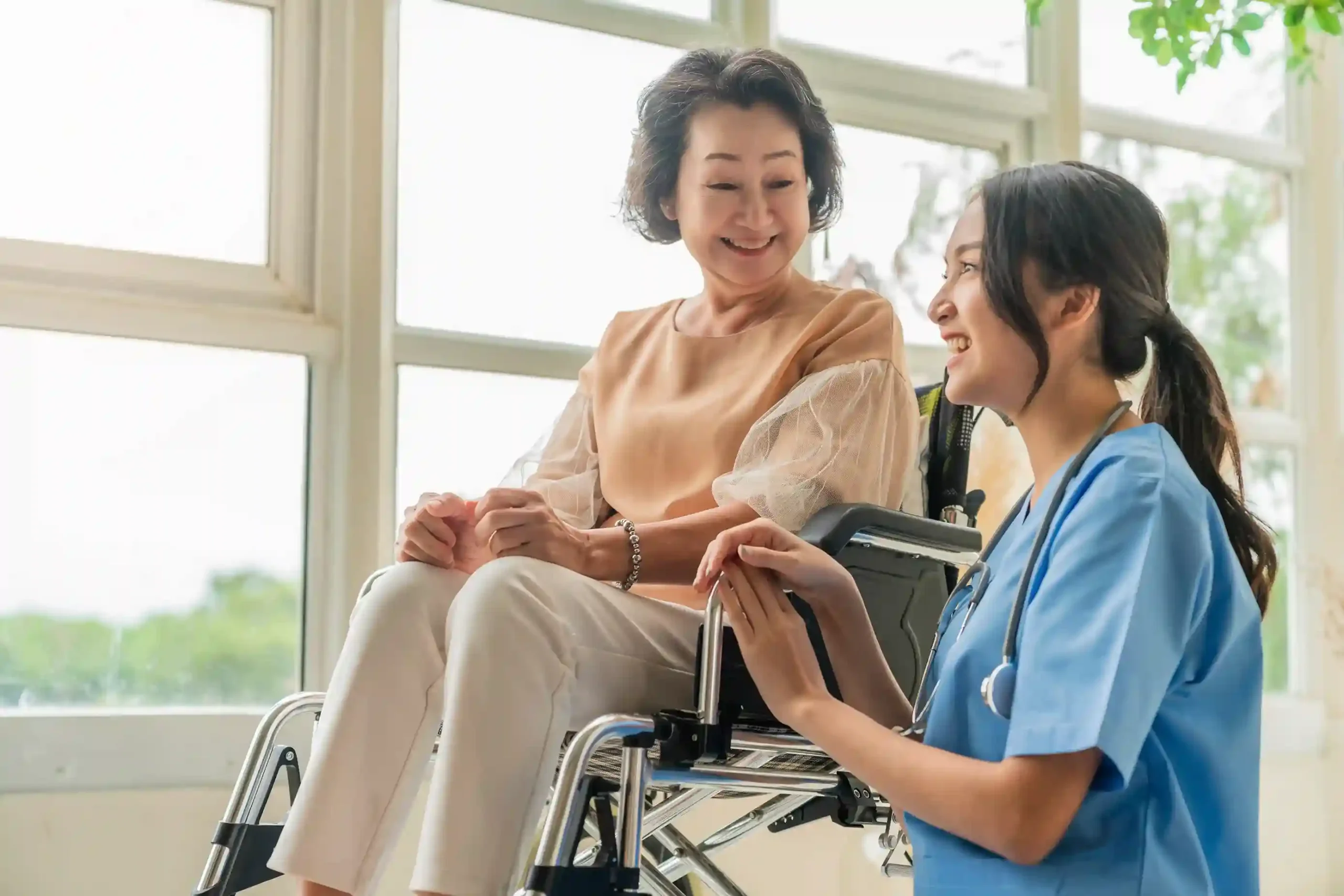
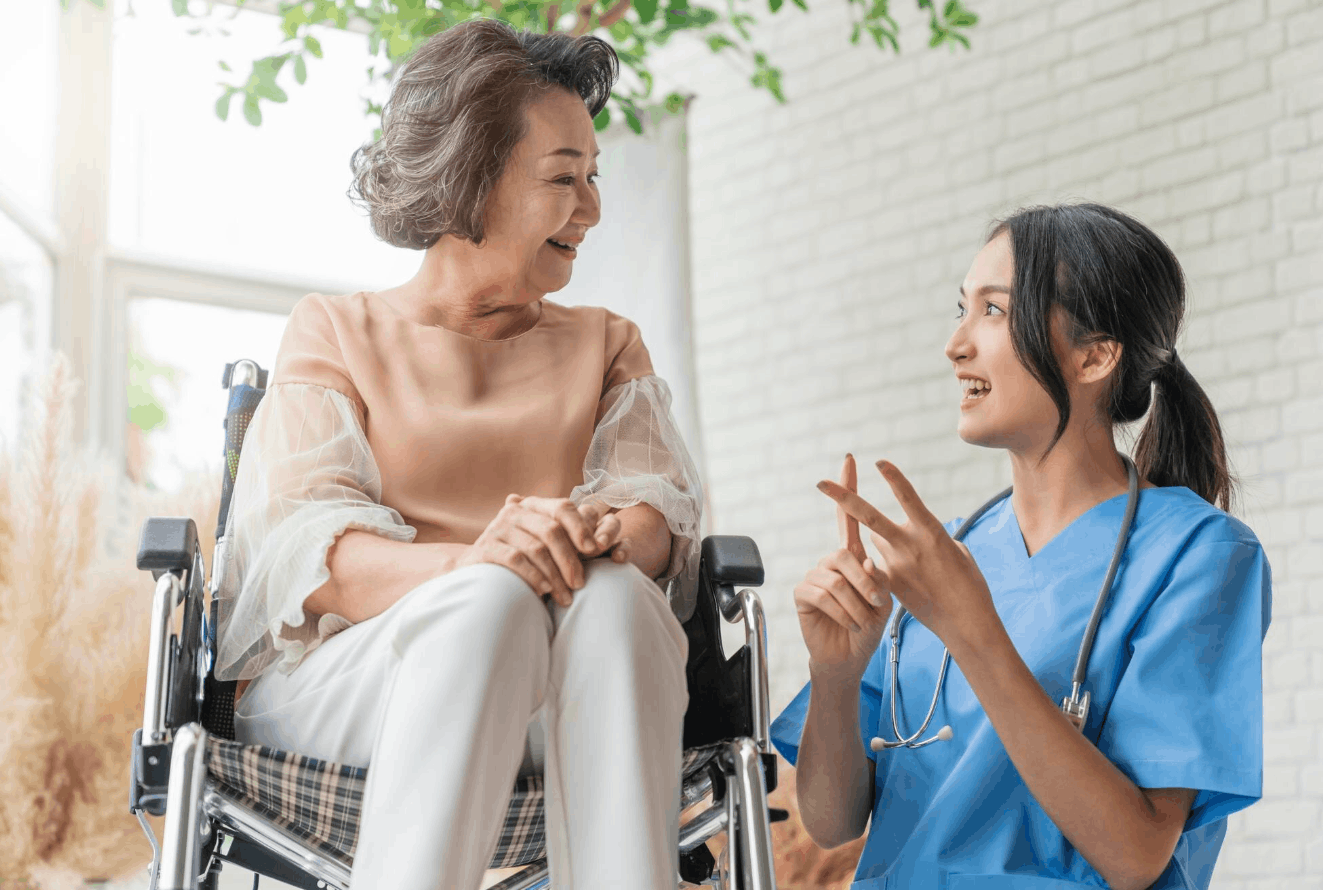
People living with long-term conditions such as Parkinson’s disease, multiple sclerosis, stroke-related disability or advanced diabetes often require ongoing support that fluctuates in intensity. Home care can be scaled up or down depending on the individual’s current condition, making it a highly adaptable solution.
Rather than a fixed care facility, home care allows the level of support to adjust as needs change. On a difficult day, more assistance is available. On a better day, the individual retains as much independence as possible. This flexibility is one of the most valued aspects of home care among both patients and their families.
Home care is highly effective for many situations, but it is not always the right solution. Recognising its limitations is just as important as understanding its benefits.
Some individuals require a level of continuous supervision that home care visits cannot realistically provide. Advanced dementia with significant behavioural symptoms, severe mobility limitations or a high fall risk may mean that a residential facility offers a safer environment.
This is not a failure on anyone’s part. It simply reflects the reality that certain conditions require a higher intensity of care than scheduled home visits can deliver. Families facing this situation should explore residential options while continuing to stay closely involved in their loved one’s care.
It is worth regularly reassessing whether home care is still meeting your loved one’s needs. Look out for:
If several of these apply, it may be time to speak with a healthcare professional about whether a different level of care is needed. TrueCare2U’s help centre offers guidance for families navigating these difficult decisions.
Once a family decides that home care is the right step, the process of getting started can feel uncertain. Knowing what to expect makes it far less daunting.
Start with a clear picture of what your loved one actually needs. Is the priority medical support, personal care or a combination of both? How frequently are visits needed? Is there a specific time of day that works best?
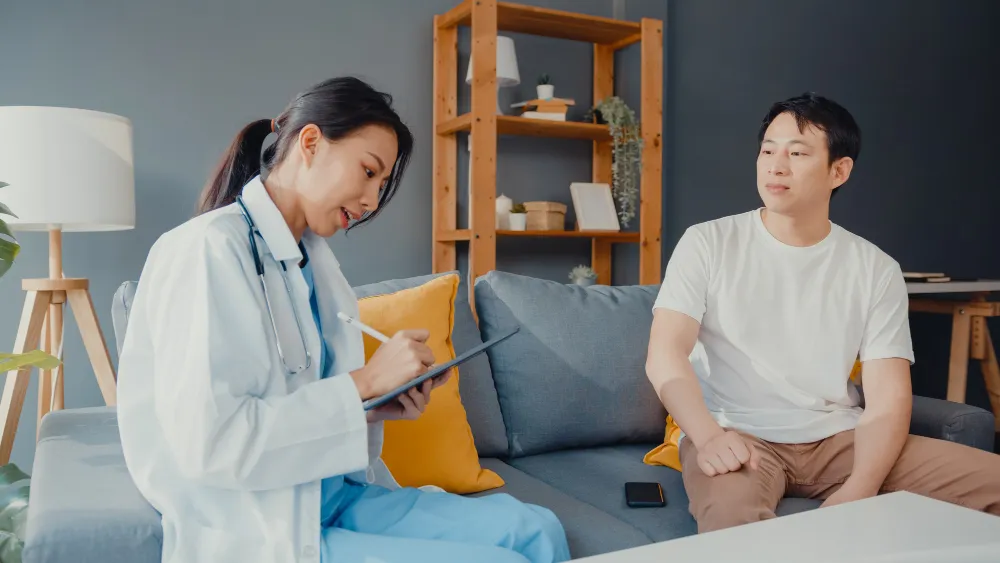
A thorough needs assessment at the beginning prevents mismatches later. Many providers including TrueCare2U will conduct an initial assessment to help determine the most appropriate type and frequency of care before any commitment is made.
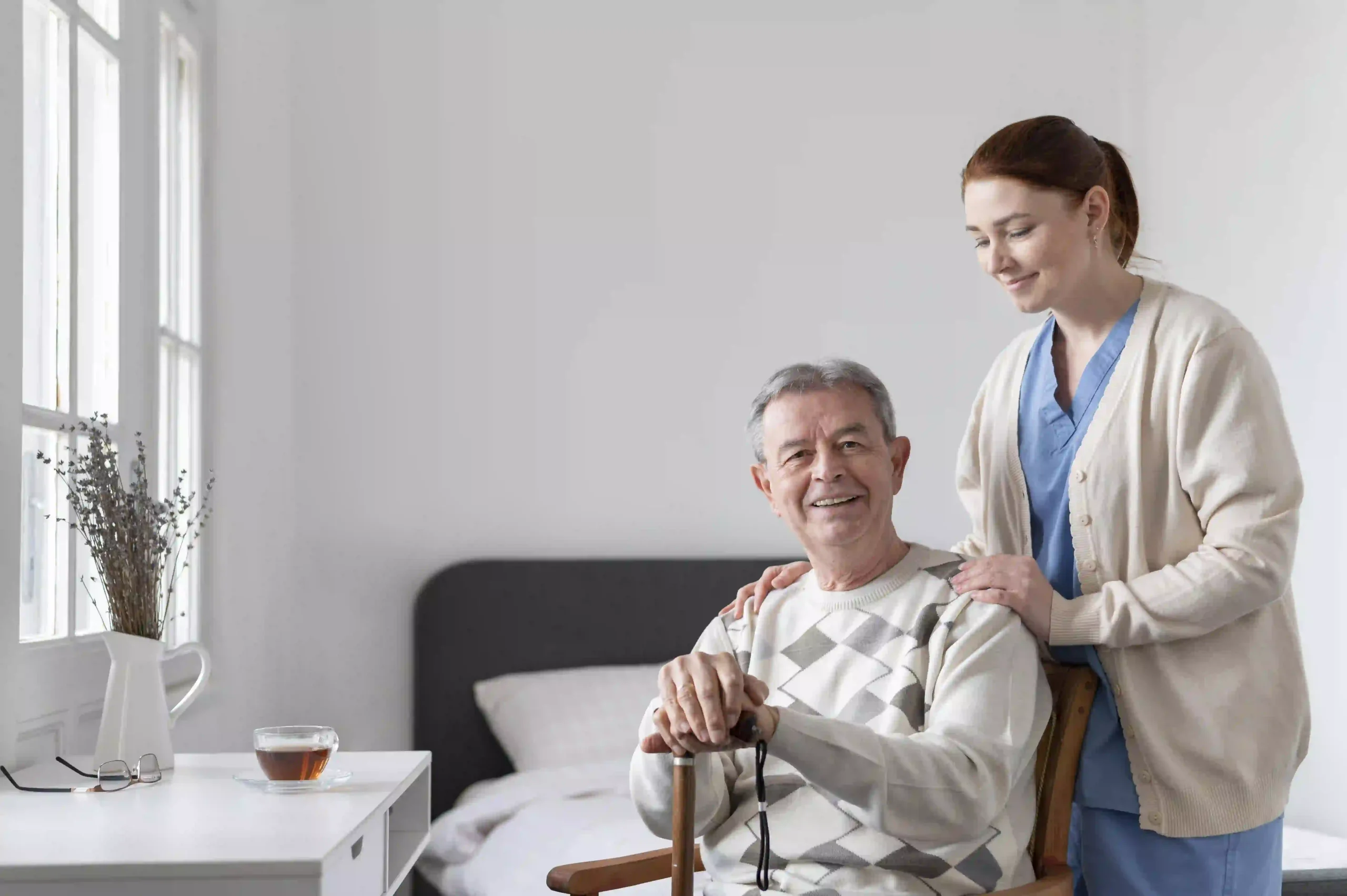
A reputable home care provider will assign consistent caregivers rather than rotating different faces through the door. Consistency matters enormously to elderly patients and those with cognitive conditions. It builds trust, improves communication and leads to better care outcomes over time.
Expect a clear care plan to be documented and shared with the family. Regular updates from caregivers, transparent pricing and a clear process for raising concerns are all signs of a provider operating to a high standard. Families can explore what TrueCare2U offers and stay updated through our latest highlights.
Here are common questions families in Malaysia ask about home care:
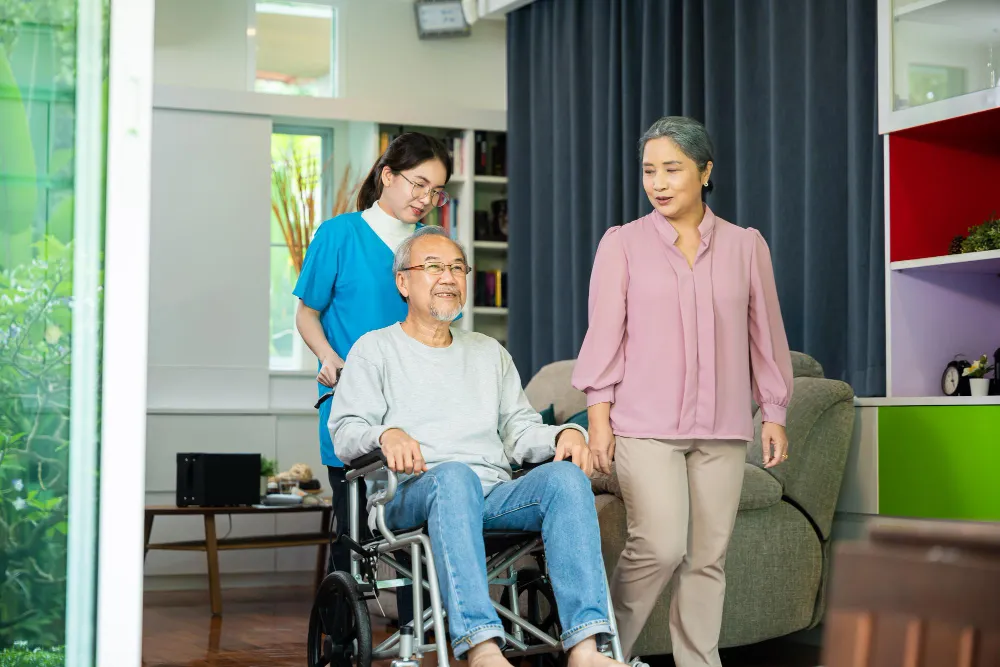
Home care brings professional support to a person in their own home, whether that is personal assistance, medical care or both. A nursing home provides residential care in a facility. Home care allows the individual to remain in familiar surroundings while still receiving professional help tailored to their needs.
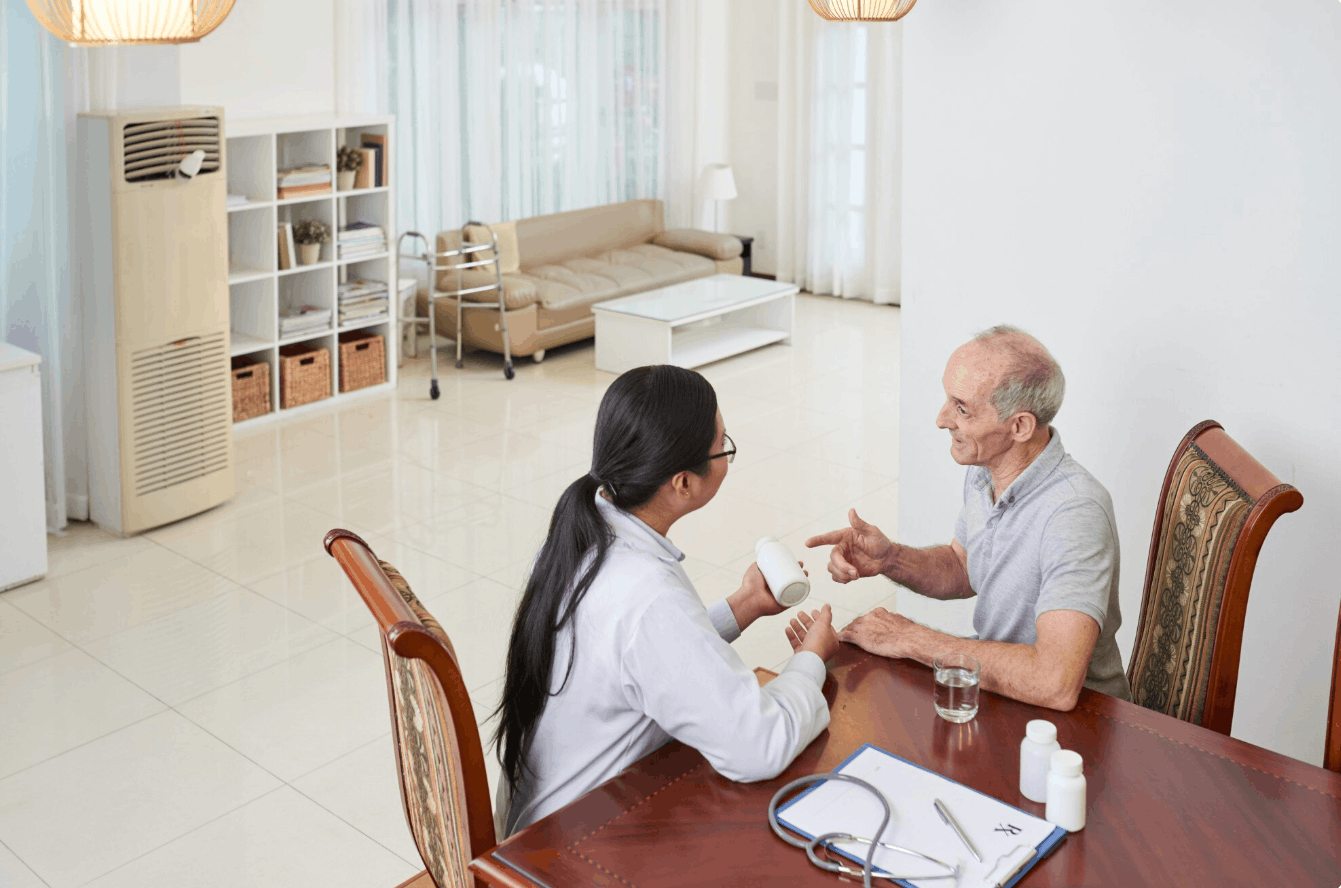
Not always. Many home care services can be arranged directly through a provider like TrueCare2U without a formal referral. However, for medical home care involving nursing or clinical procedures, a doctor’s input helps ensure the care plan is appropriate for the patient’s condition.
If your loved one is struggling with daily tasks, missing medications, experiencing frequent falls or showing signs of isolation and low mood, these are strong indicators that home care would be beneficial. You do not need to wait for a medical crisis before seeking support.
Yes. Home care is particularly valuable for individuals living alone who have no family nearby to assist them. Regular visits from a trained caregiver ensure they are safe, nourished and socially connected, even without constant family presence.
Costs vary depending on the level of care, frequency of visits and the provider chosen. Basic personal care visits are generally more affordable than skilled nursing visits. Many families find that when they weigh the cost against the alternative of residential care, home care represents strong value.
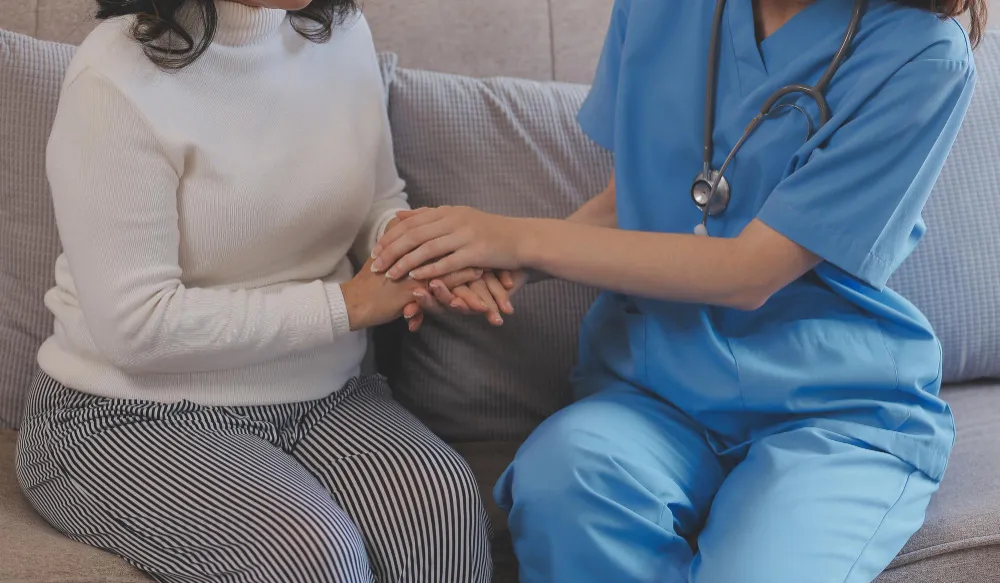
Home care is one of the most effective ways to support a loved one while preserving their independence and dignity. It suits a genuinely wide range of individuals, from elderly seniors needing daily assistance to patients recovering from surgery or managing long-term conditions.
The key is to assess needs honestly and act before a situation becomes critical. Families who plan ahead consistently report less stress, better outcomes and a greater sense of control over their loved one’s wellbeing.
If you are ready to explore home care options for your family, connect with the professionals at TrueCare2U and take the first step towards compassionate, consistent support today.


















































































 Call Us
Spread the love, follow us on our social media channels