

Follow us:


Life can change unexpectedly. Ageing parents may start needing extra help, recovery after illness may take longer than planned, or a loved one may struggle to manage daily routines alone. These moments often raise an important question: how can care be provided without disrupting comfort, dignity, and familiar surroundings? This is where home care services play a meaningful role.
These services allow individuals to receive professional support within their own homes, reducing stress while maintaining independence. Whether it involves medical assistance, personal care, or companionship, this approach offers flexibility that traditional facility based care often cannot provide.
In Malaysia, families increasingly turn to trusted providers such as TrueCare2U to ensure loved ones receive reliable and compassionate care without leaving home. The growing demand reflects a shift towards personalised and home centred healthcare solutions.
Home care services refer to a range of professional support options delivered directly at a person’s residence. These services are designed to meet both medical and non medical needs, adapting to different life stages and health conditions.
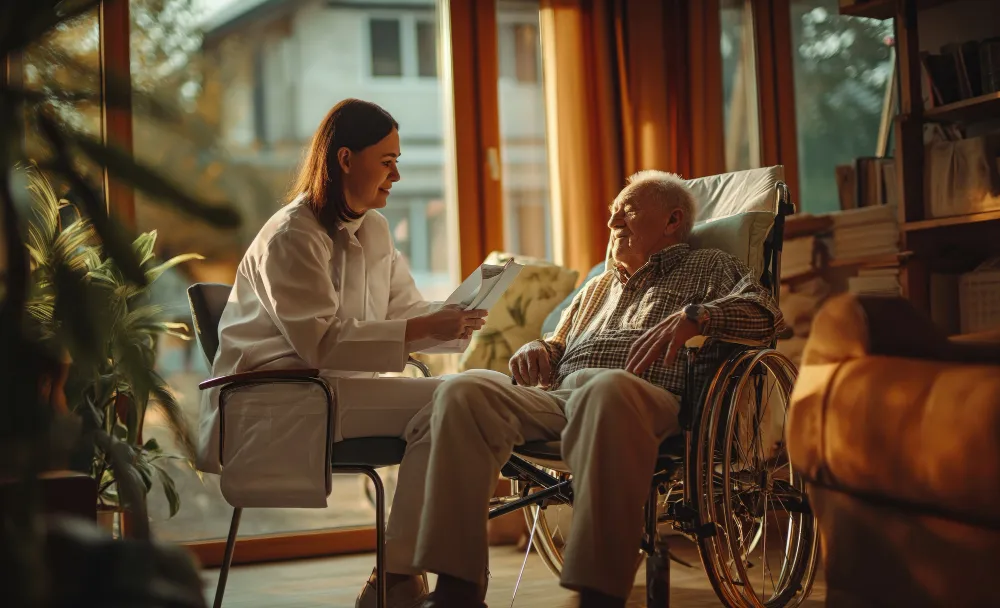
For many families, home care services provide peace of mind by ensuring continuity of care in a familiar environment. This model works closely with families, healthcare professionals, and caregivers to create a tailored care plan that evolves as needs change.
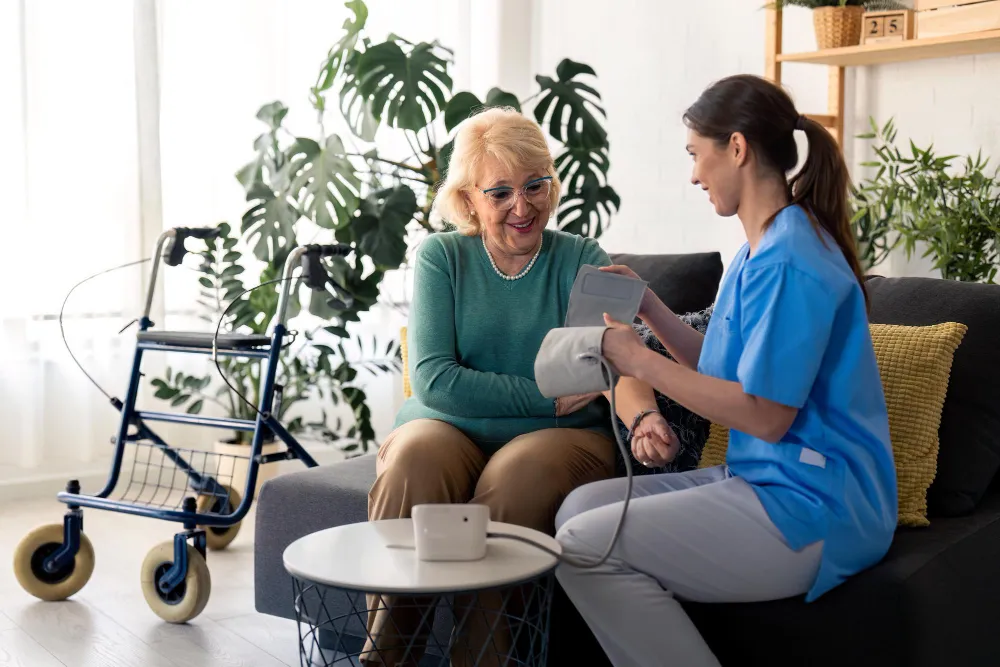
Home care services can be broad or specialised depending on the situation. They often include a combination of healthcare and daily living assistance, ensuring both physical wellbeing and emotional comfort.
Common inclusions are:
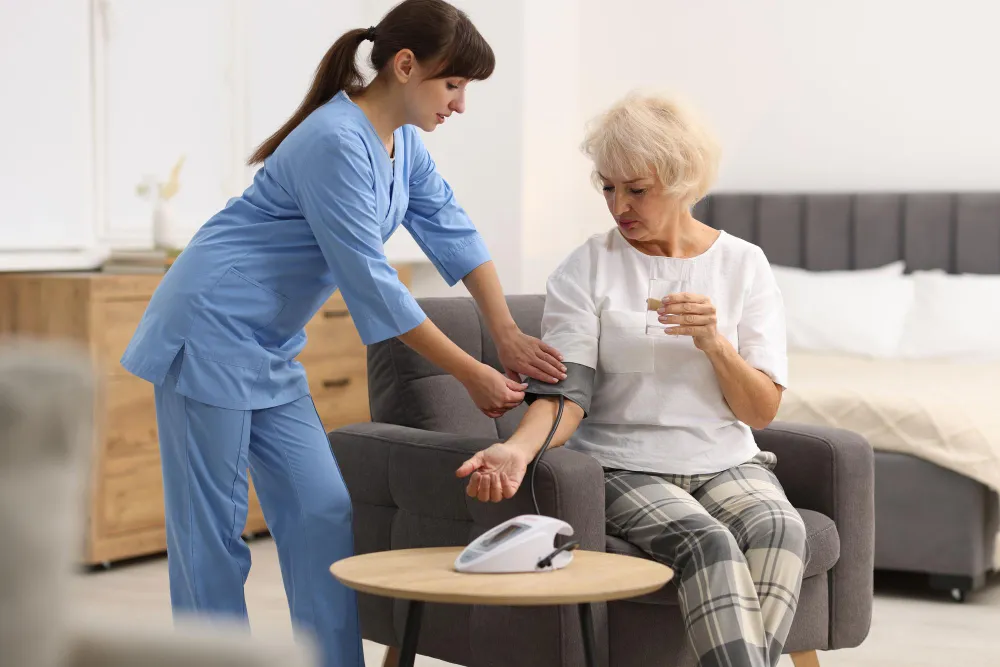
These services are often coordinated by professional teams, including registered nurses and trained caregivers, such as those available through TrueCare2U’s healthcare providers.
One of the strengths of home care services lies in their flexibility. Care plans are not fixed templates but personalised arrangements based on medical needs, lifestyle, and family preferences.
For example, an elderly individual may only need part time assistance with meals and medication reminders, while a post stroke patient may require daily nursing support and physiotherapy. Professional home care providers work closely with families to review care plans regularly, ensuring the level of support remains appropriate over time.
Choosing such services often goes beyond convenience. The benefits extend into emotional wellbeing, recovery outcomes, and overall quality of life for both patients and their families.
Being cared for at home can reduce anxiety and improve cooperation with treatment, especially among elderly individuals who may feel disoriented in unfamiliar environments.
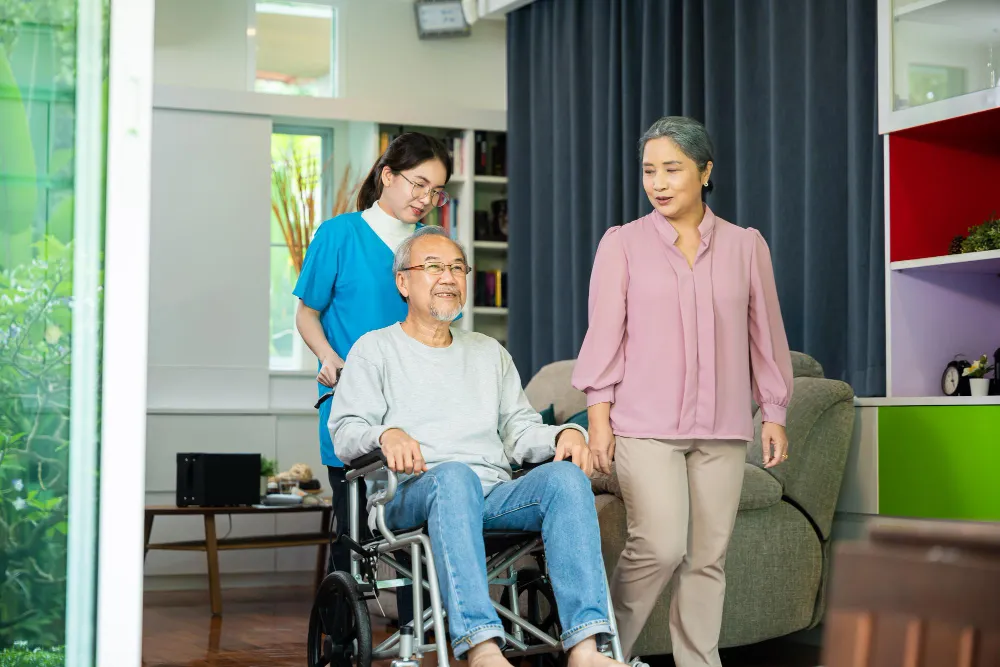
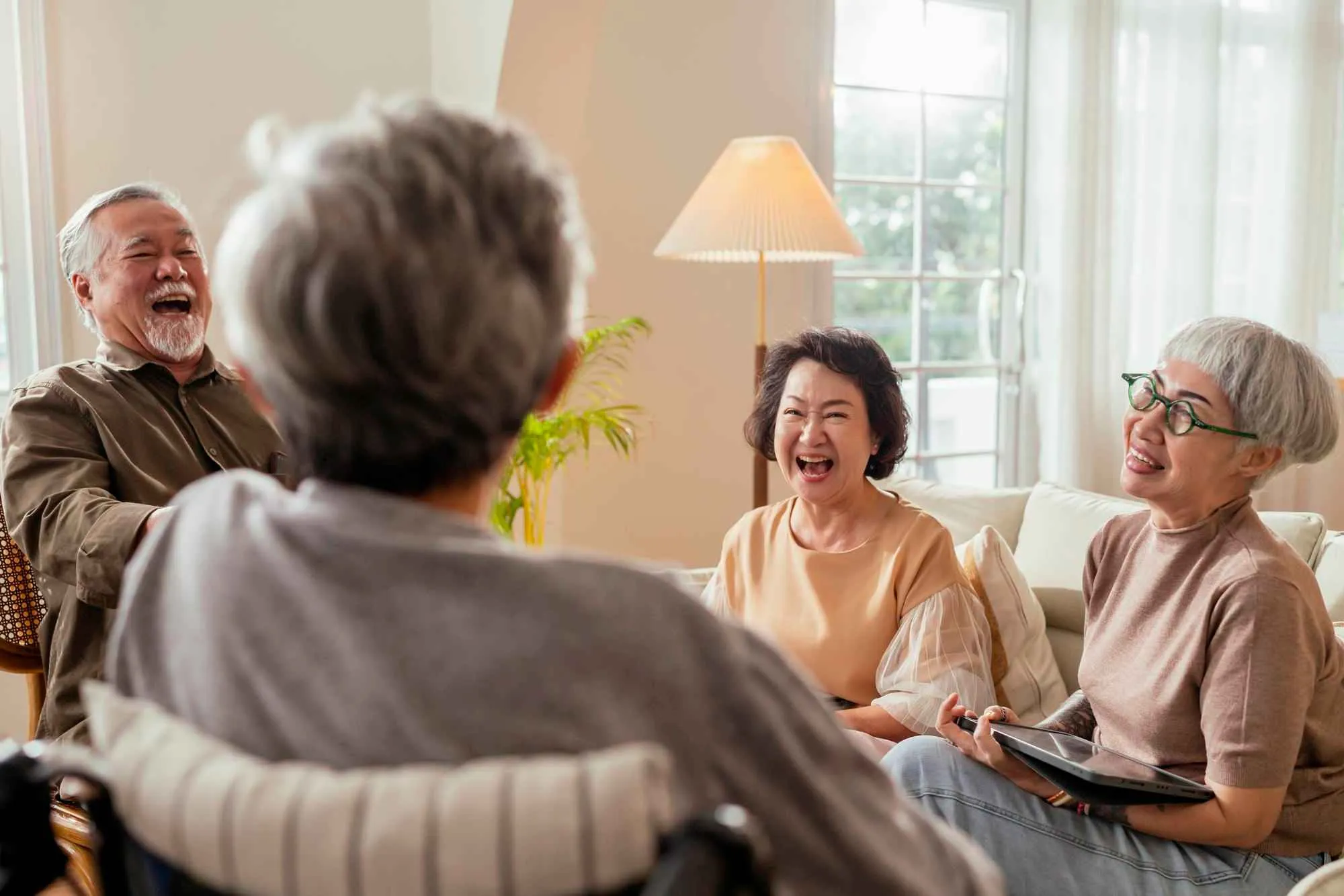
Remaining at home provides a sense of security that cannot be replicated in institutional settings. Familiar routines, personal belongings, and close family presence contribute significantly to emotional stability.
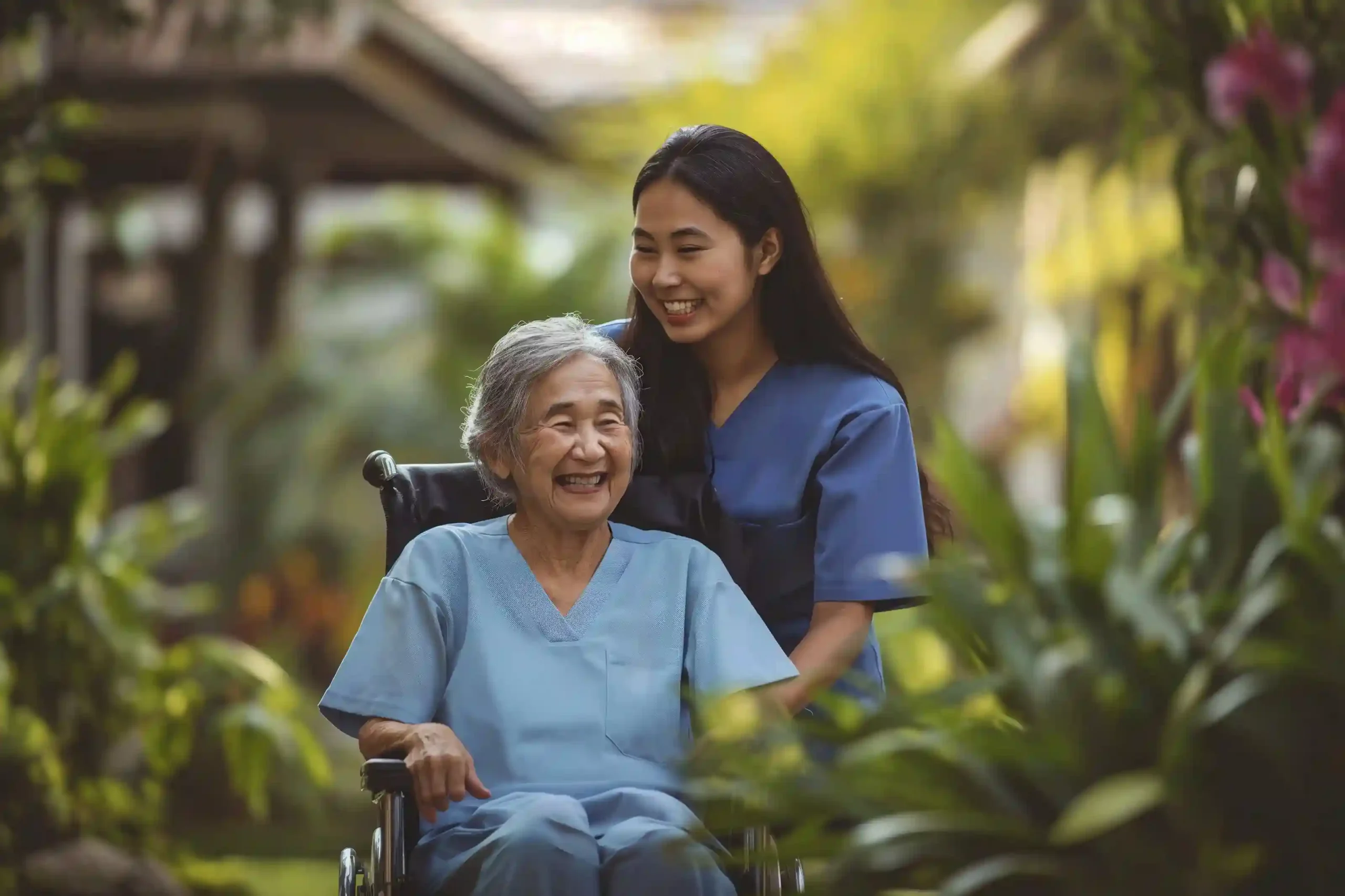
Patients receiving home care often feel more respected and independent. This emotional comfort can positively influence recovery, especially for those managing long term conditions. Families also benefit by staying actively involved in the care process while receiving professional support when needed.
From a practical perspective, care services ease the burden on family members who may struggle to balance work, personal commitments, and caregiving responsibilities.
Key advantages include:
Families seeking guidance often explore resources such as the TrueCare2U Help Centre to understand care options and expectations before making decisions.
Home care is not limited to a single group. They support individuals across different ages and health conditions, making them a versatile solution for many households.
Understanding who benefits most helps families make informed decisions based on real needs rather than assumptions.
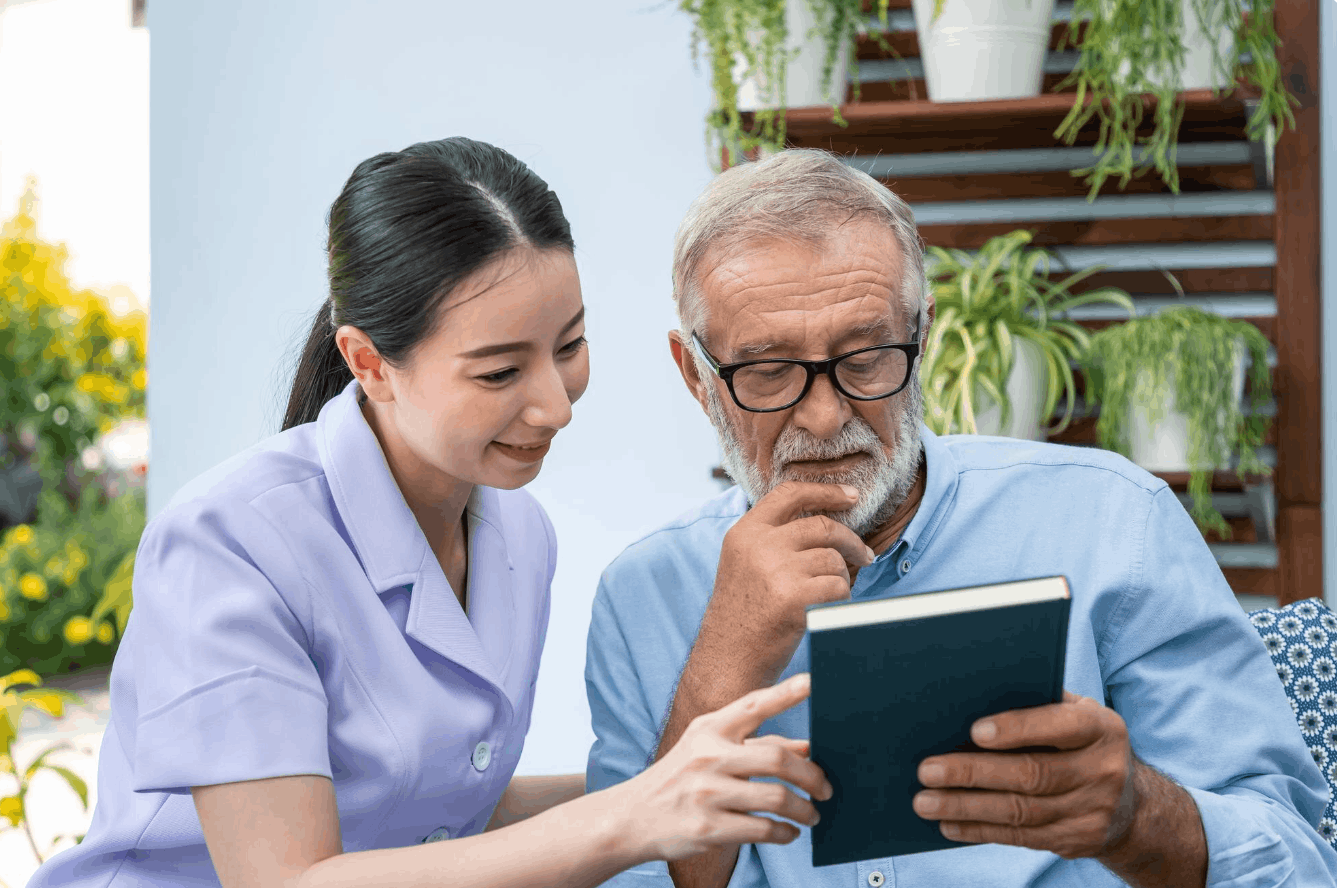
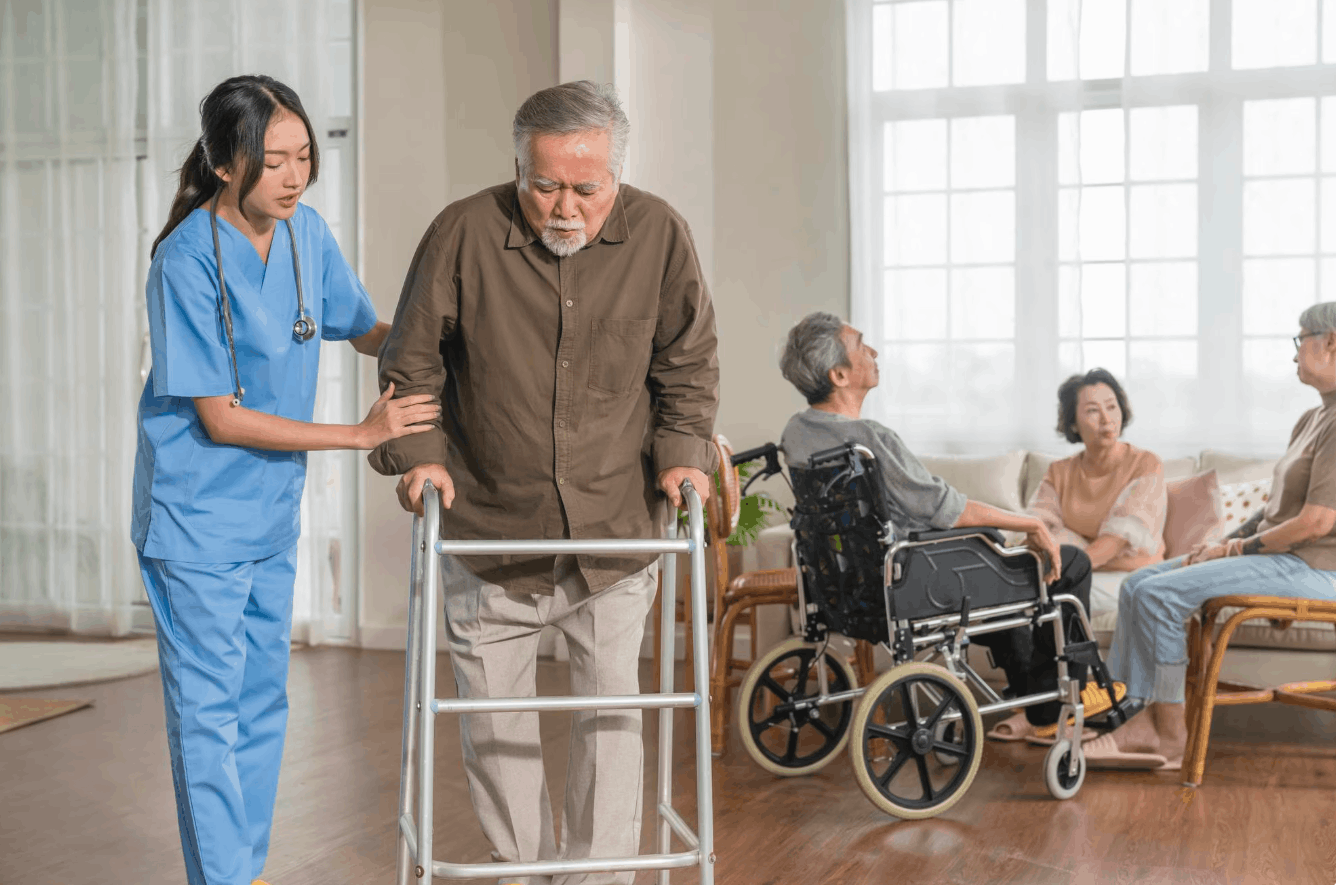
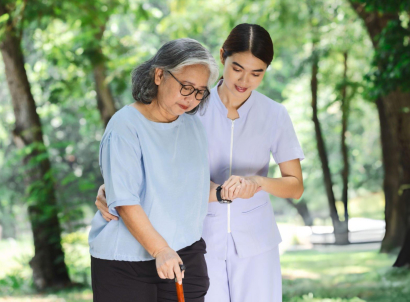
As people age, managing daily tasks may become challenging even without serious illness. Care services help older adults maintain independence while ensuring safety and proper health monitoring.
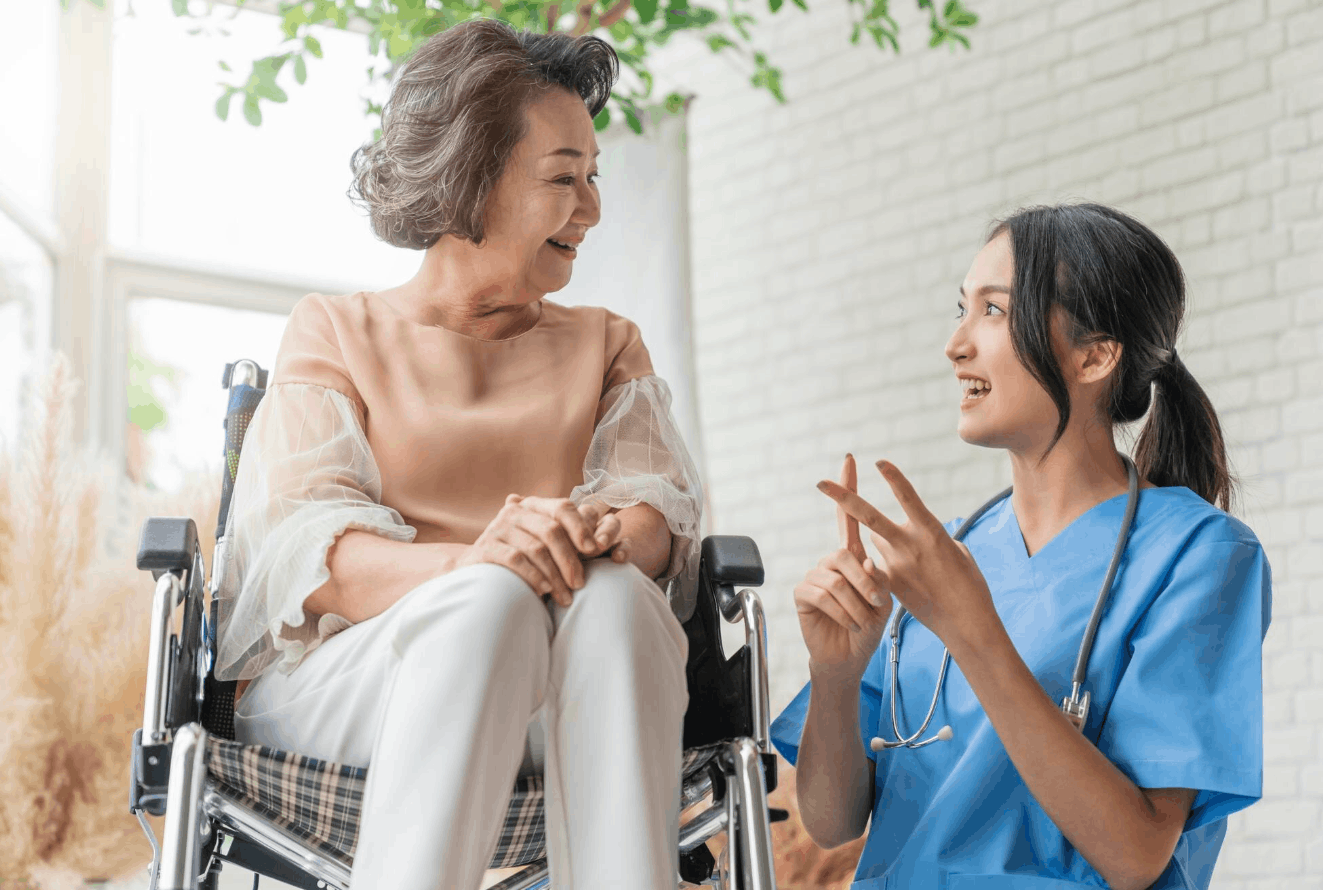
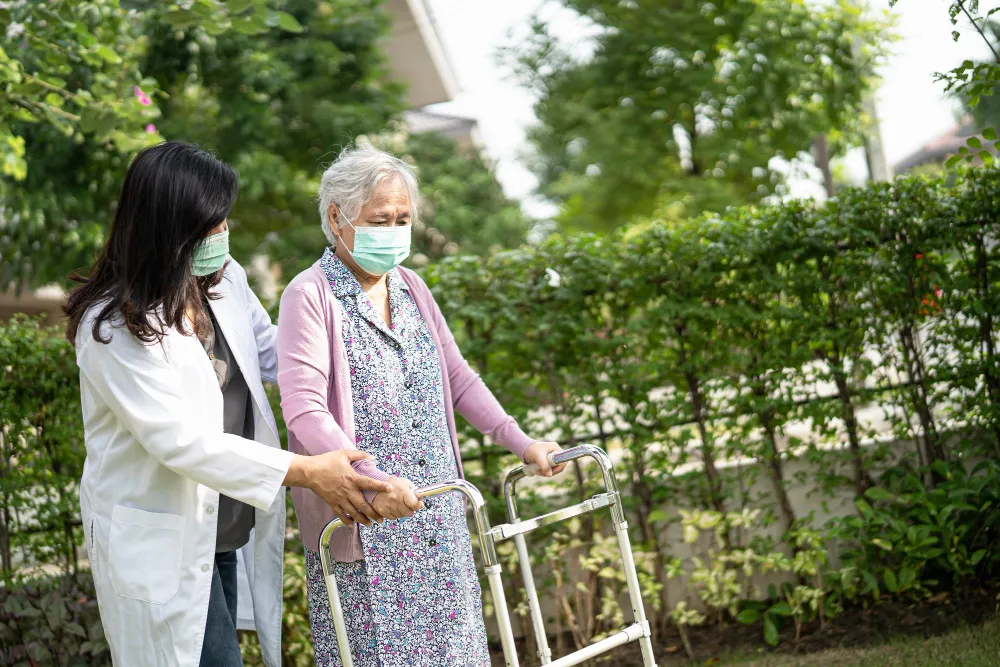
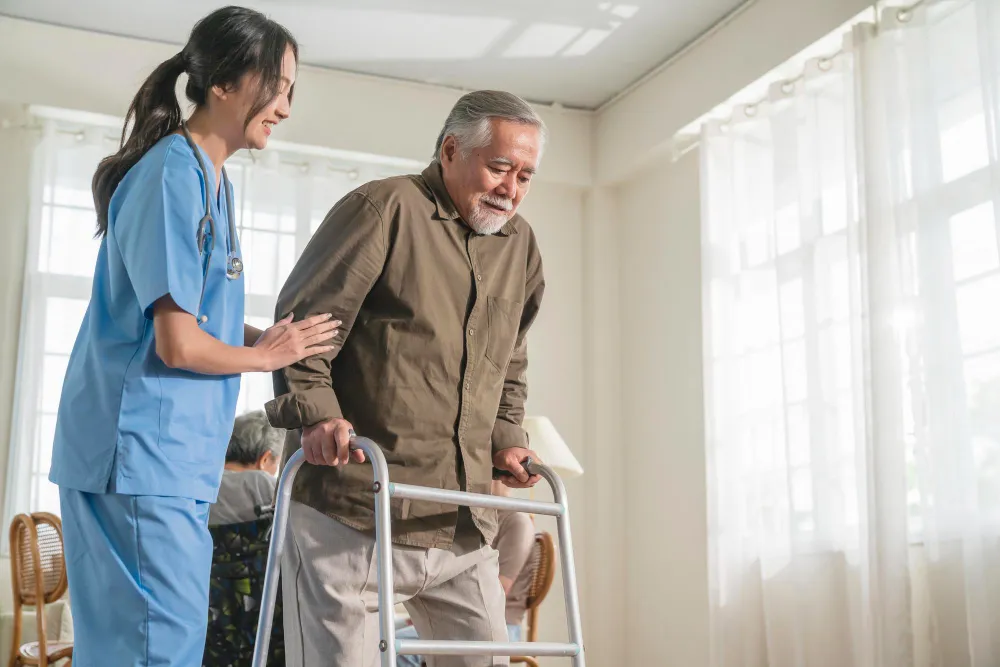
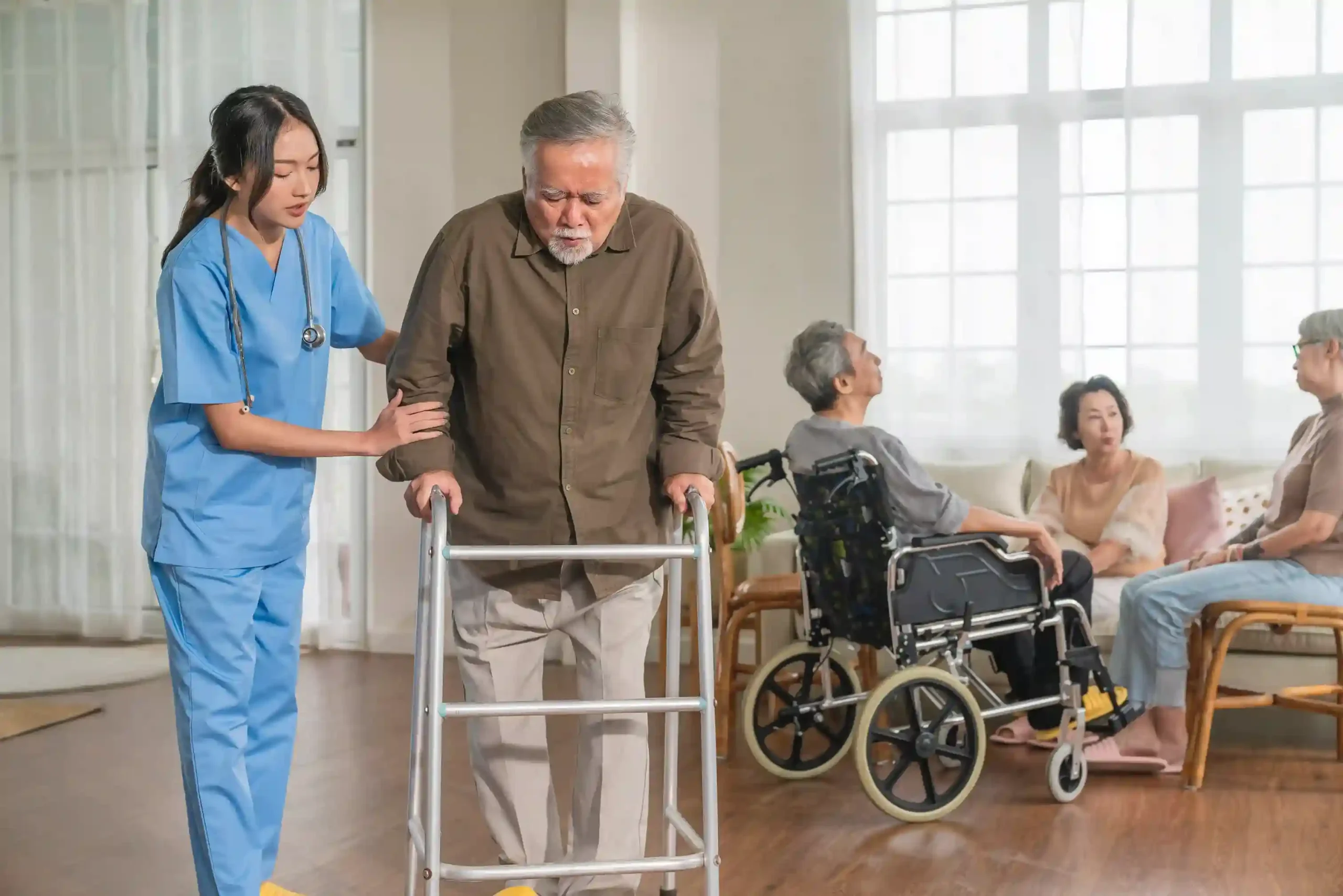
Services may include mobility assistance, medication reminders, and companionship. This allows seniors to age in place comfortably while families remain confident about their wellbeing.
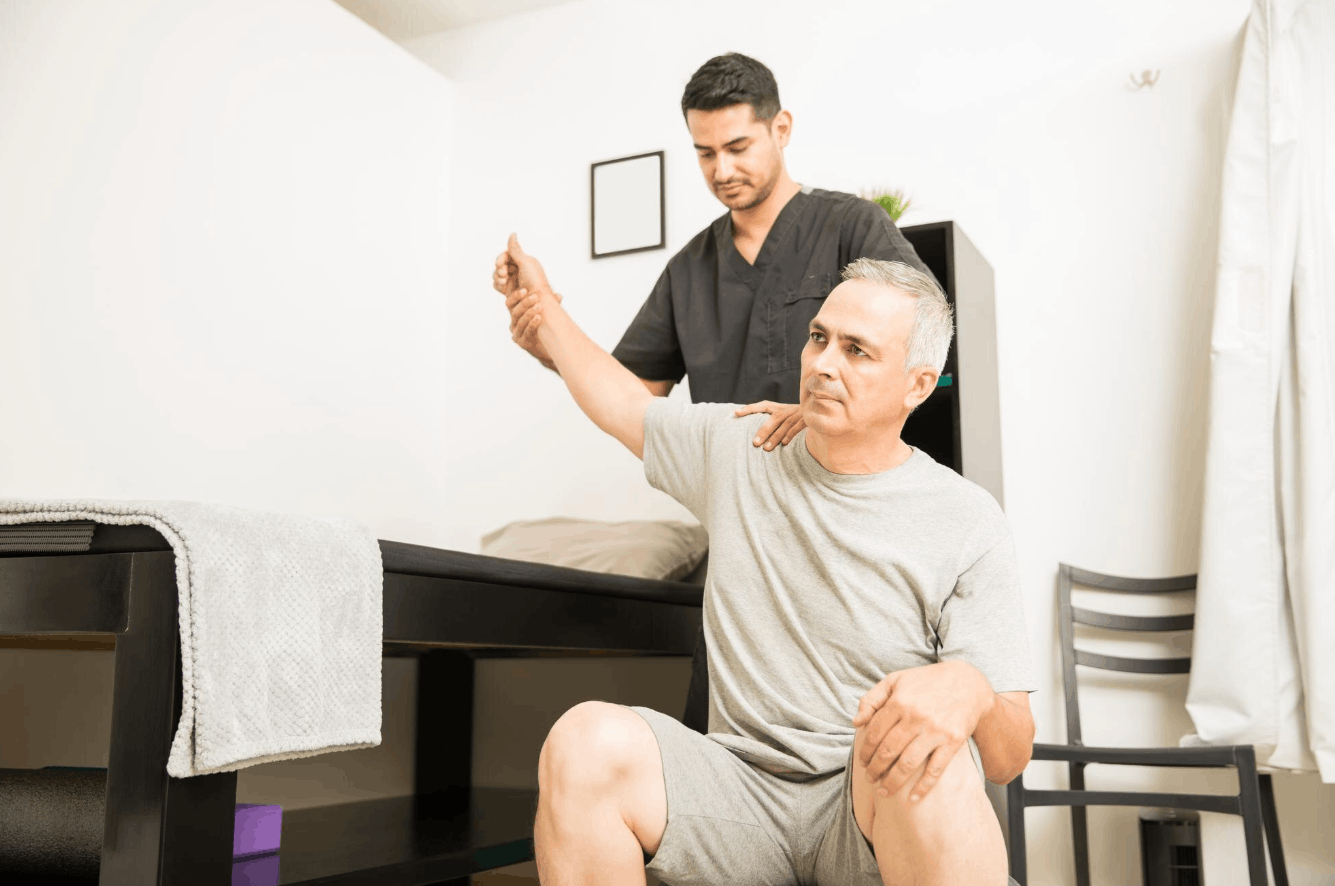
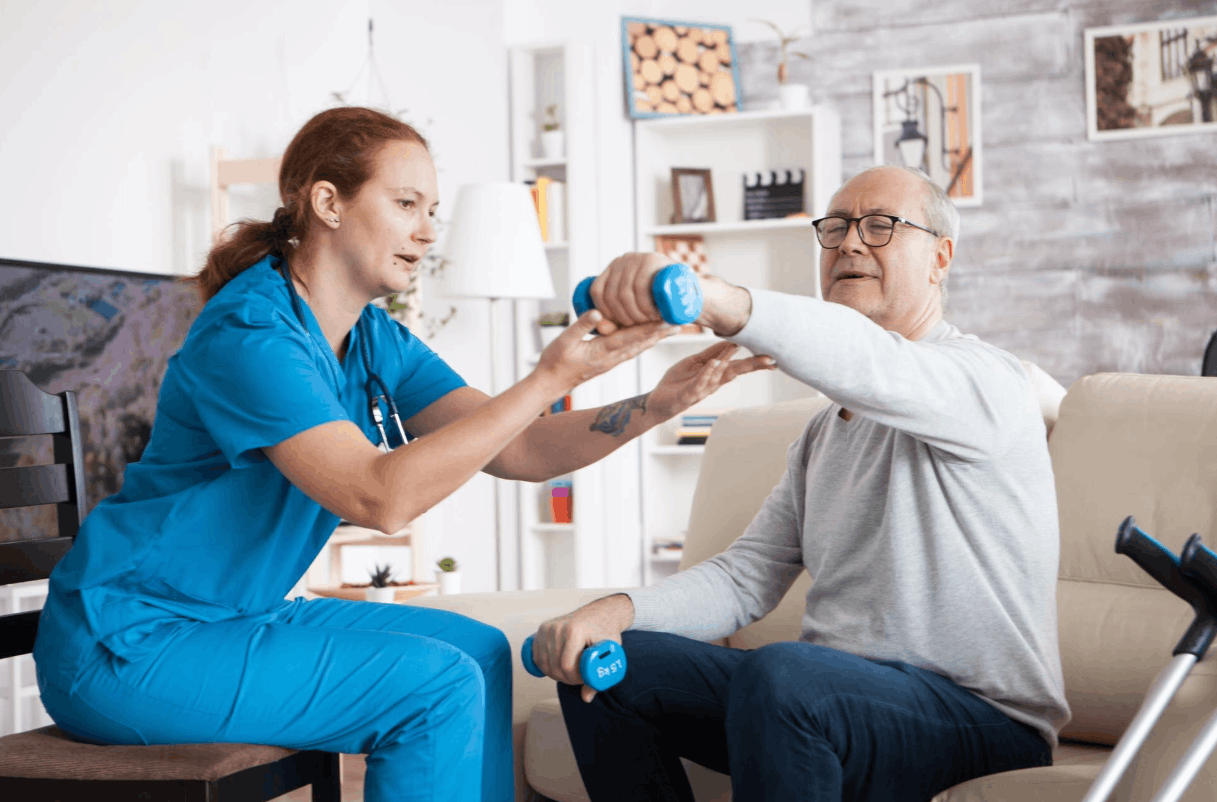
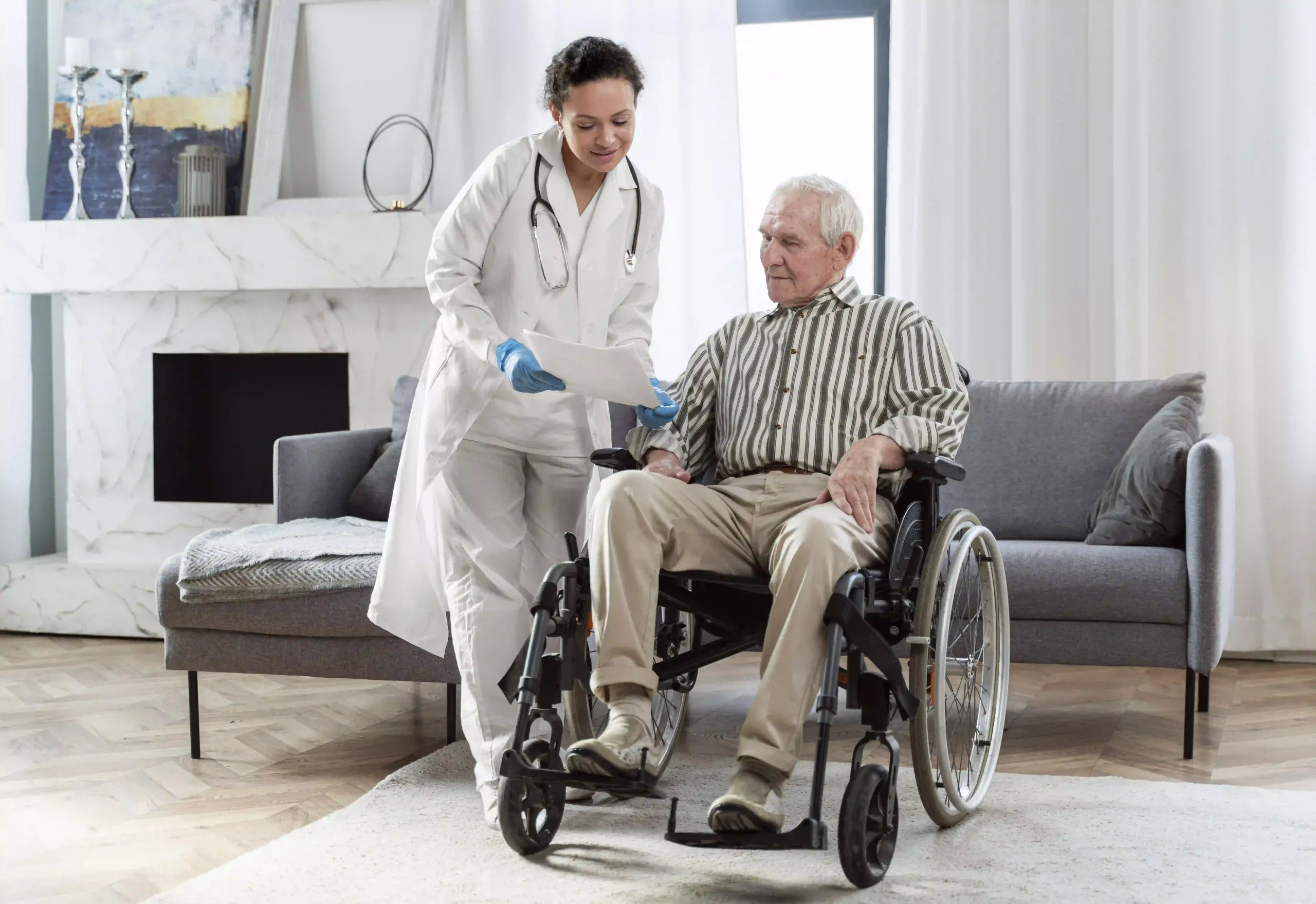
Recovery after surgery, injury, or serious illness often requires careful monitoring and support. Home care services bridge the gap between hospital discharge and full independence.
Patients recovering from conditions such as stroke or fractures often benefit from in home nursing care and rehabilitation support. According to Malaysia’s Ministry of Health, continuity of care after hospital discharge plays a vital role in reducing complications and readmissions, as highlighted on the official MOH Malaysia website.
Selecting the right provider is just as important as choosing home care services themselves. The quality of care, professionalism, and communication standards can significantly impact the experience.
Families should consider credibility, transparency, and the ability to adapt services over time.
A trustworthy home care provider should demonstrate professionalism, clear processes, and qualified staff. Experience in handling various care needs is essential.
Important factors to consider include:
Learning more about a provider’s background through pages like About Us can help families feel more confident in their choice.
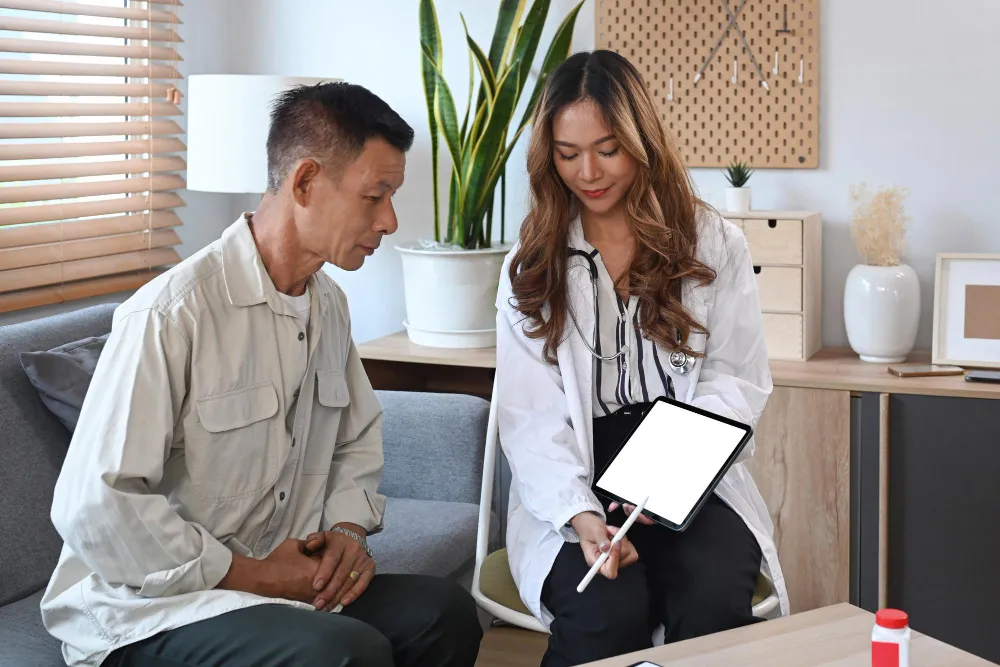
Preparing for these services involves open communication and realistic expectations. Families should discuss care goals, routines, and boundaries with both the provider and the individual receiving care.
Simple preparations such as organising medical records, ensuring a safe home environment, and clarifying responsibilities can make the transition smoother. Providers often guide families through this process, including next steps available via platforms likeGet Started with TrueCare2U.
Here are common questions about home care services we often receive:
Home care services provide professional healthcare or personal support at an individual’s home. Care plans are customised based on medical needs, daily routines, and family preferences, allowing flexible and ongoing support.
Home care is commonly used by elderly individuals, patients recovering from illness or surgery, and people managing chronic conditions who require assistance but prefer staying at home.
Yes, when provided by licensed and experienced providers. Reputable services follow healthcare guidelines and employ trained professionals to ensure patient safety and quality care.
The duration varies. Some individuals require short term care during recovery, while others may benefit from long term or ongoing support depending on their condition.
Absolutely. Home care services encourage family involvement, allowing loved ones to stay engaged while professionals handle specialised care tasks.
Home care services have become an essential solution for families seeking flexible, personalised, and compassionate care. By allowing individuals to remain in familiar surroundings, these services support emotional wellbeing while addressing medical and daily living needs effectively.
As healthcare needs evolve, home care services continue to offer long term value by adapting to changing conditions and lifestyles. They empower families to provide better care without sacrificing independence or comfort.
For those exploring suitable options, connecting with experienced providers through pages like the TrueCare2U Contact page can be a practical step towards understanding how professional home based care can support your loved ones.




































































































 Call Us
Spread the love, follow us on our social media channels