

Follow us:


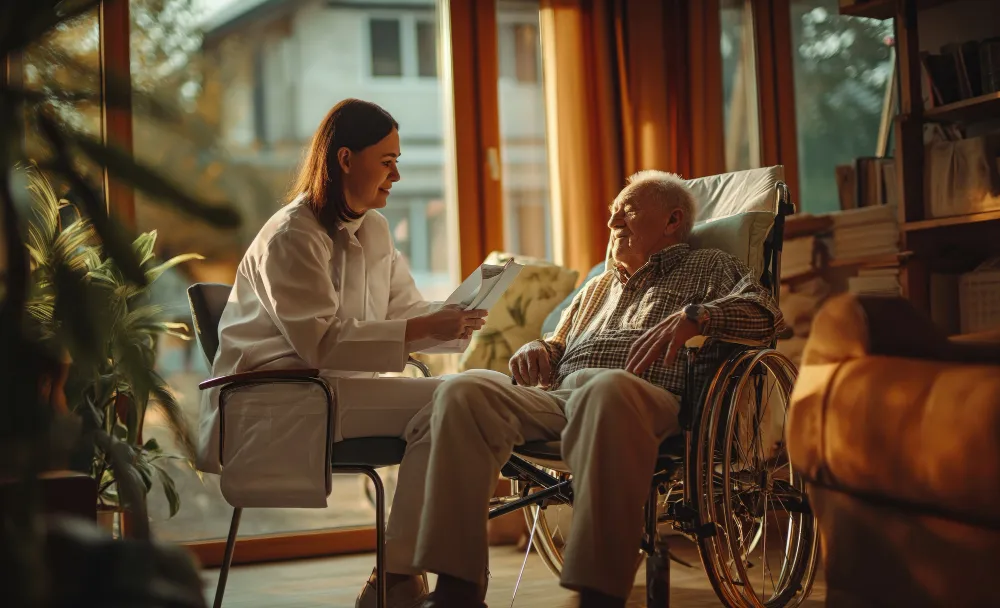
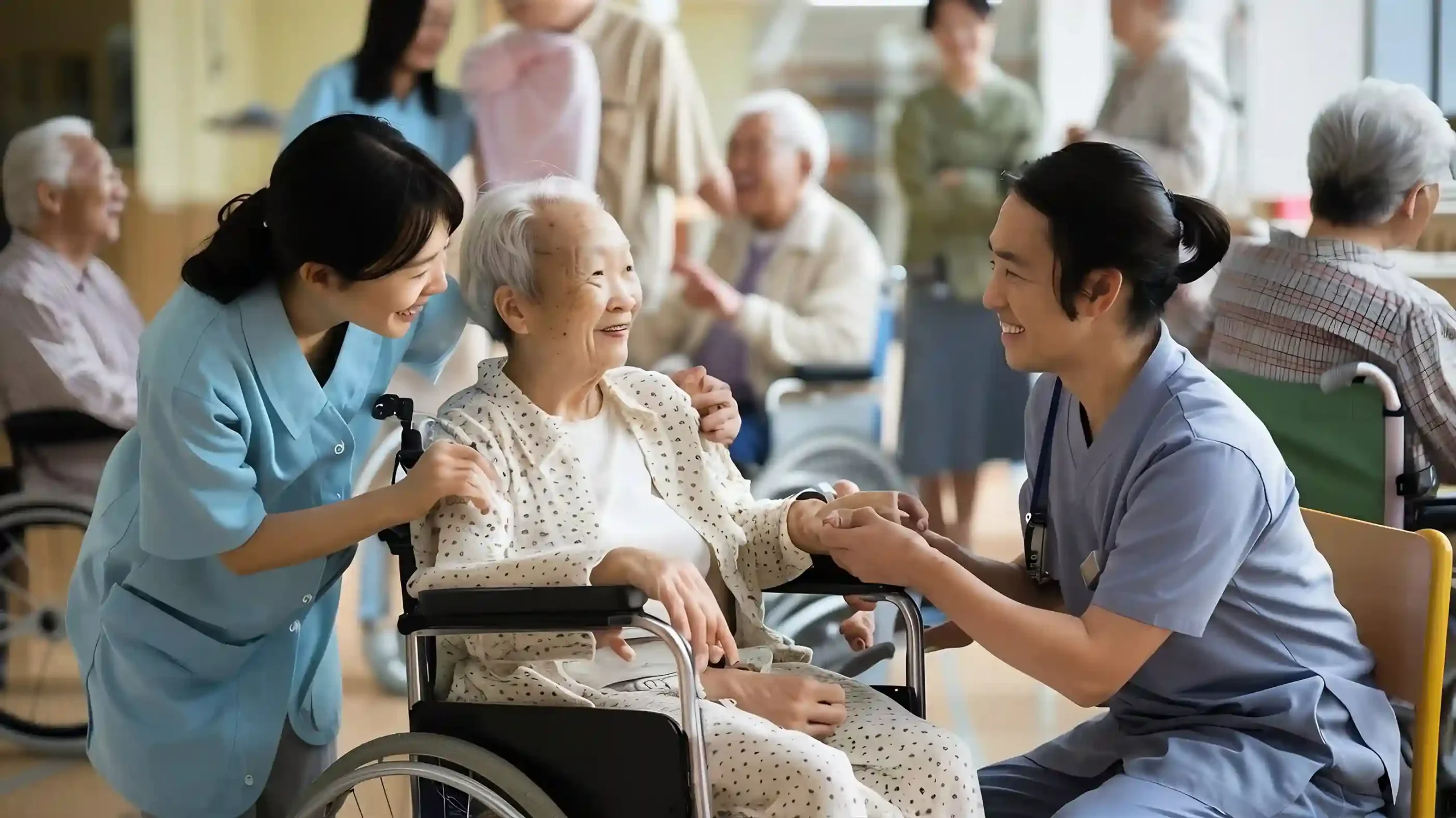
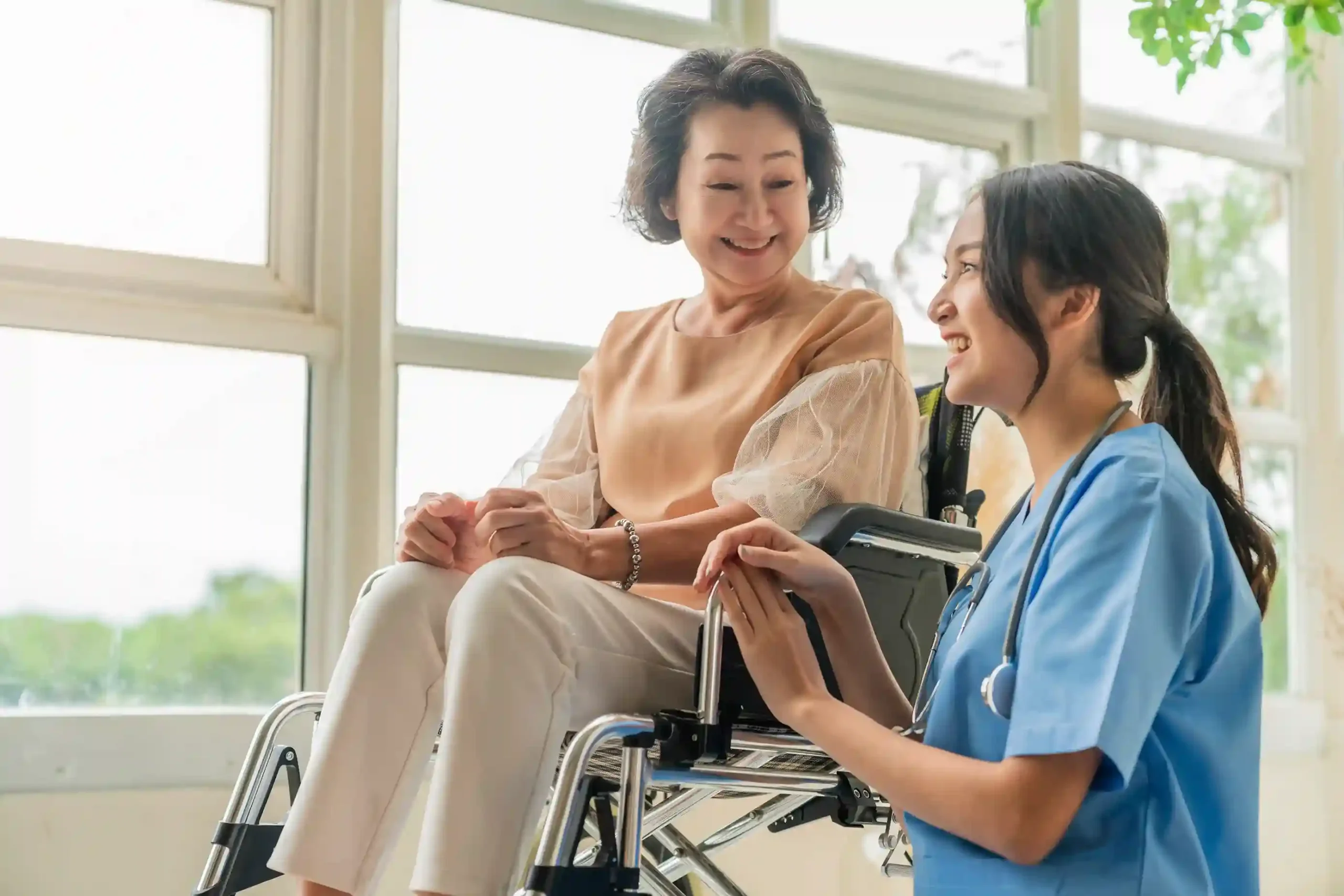
Recovering from illness, managing a long term condition, or caring for an ageing parent often leads to the same worry: how do you keep someone safe without turning daily life upside down. For many Malaysian families, home nursing care is the practical middle ground because it brings professional support into a familiar space.
Instead of repeated hospital visits or uncertainty at home, home care helps people heal with structure and reassurance. Patients can follow routines, rest better, and feel less anxious when care happens in a place they recognise.
If you are exploring options and want to understand how professional support works in real life, providers such as TrueCare2U often highlight how home based services can be matched to different needs, from short term recovery to longer term monitoring.
Home care plays an increasingly important role for families who want clinical quality care without removing someone from their home environment. It is designed to support recovery, safety, and daily functioning, especially when a person needs more than basic assistance.
Unlike informal caregiving, home nursing care is delivered by trained professionals who work with care plans, observation routines, and clear safety standards. This structure matters because it reduces guesswork and helps families feel confident that care is consistent.
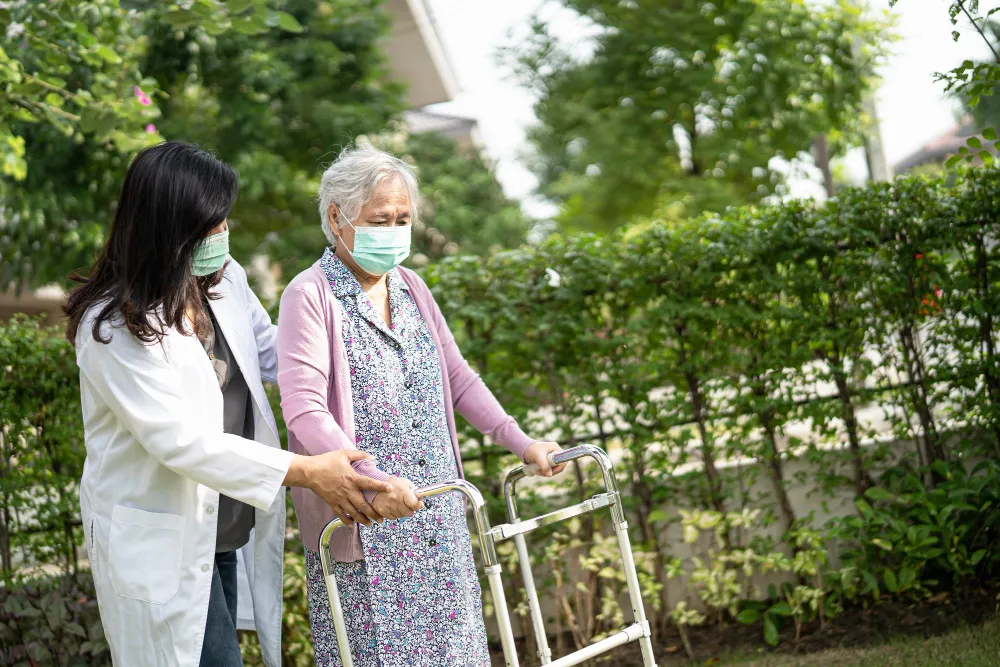
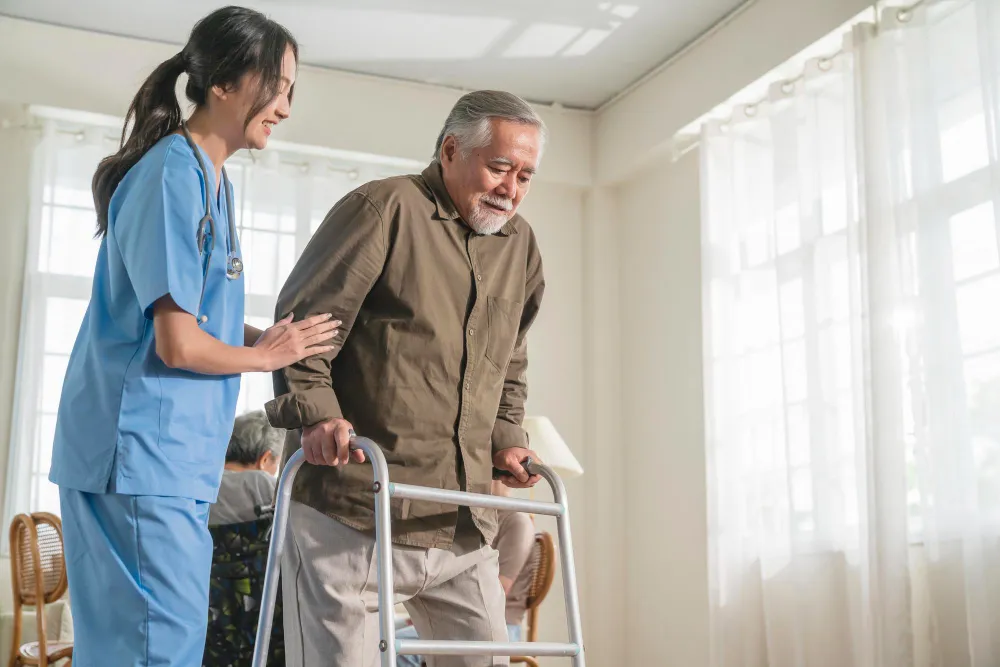
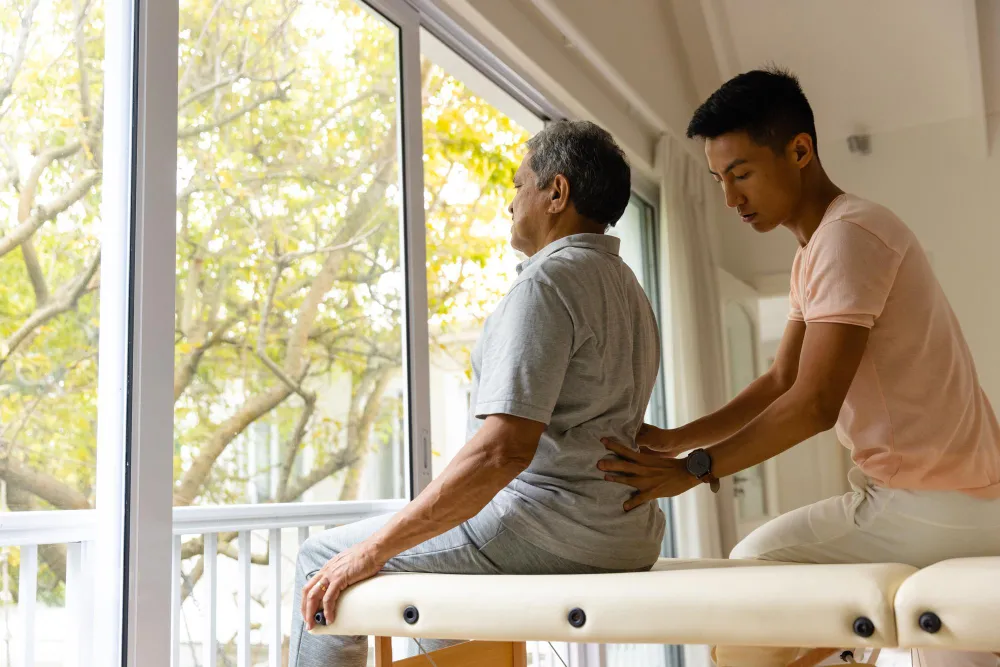
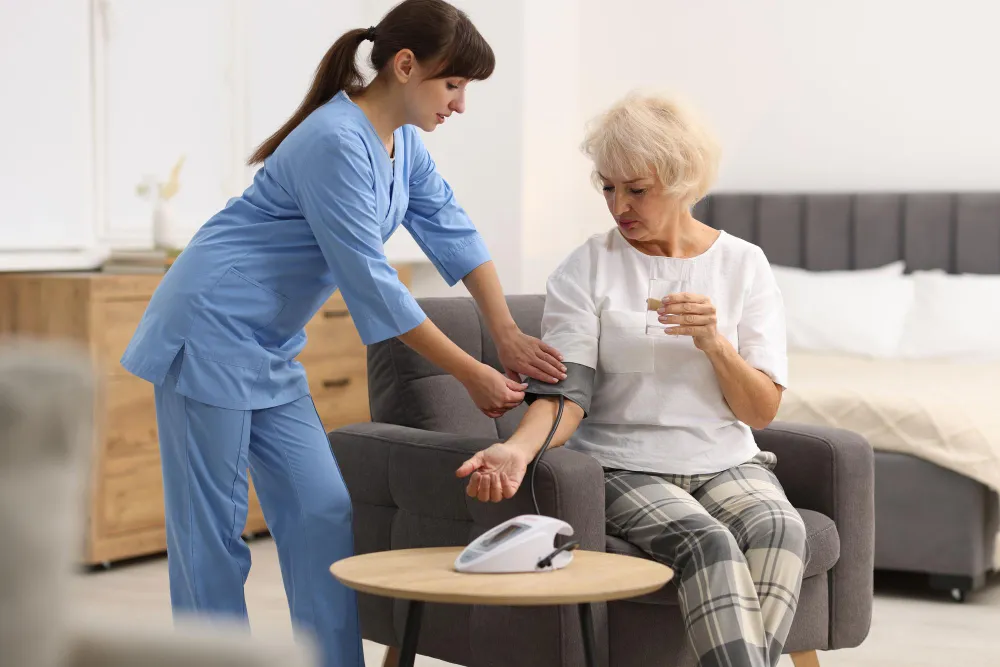
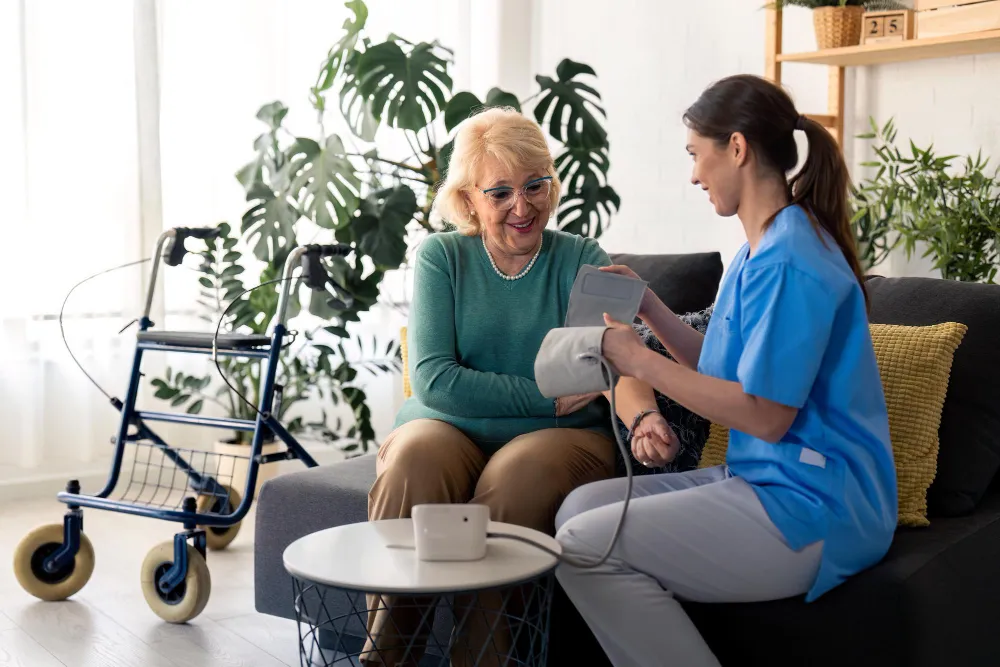
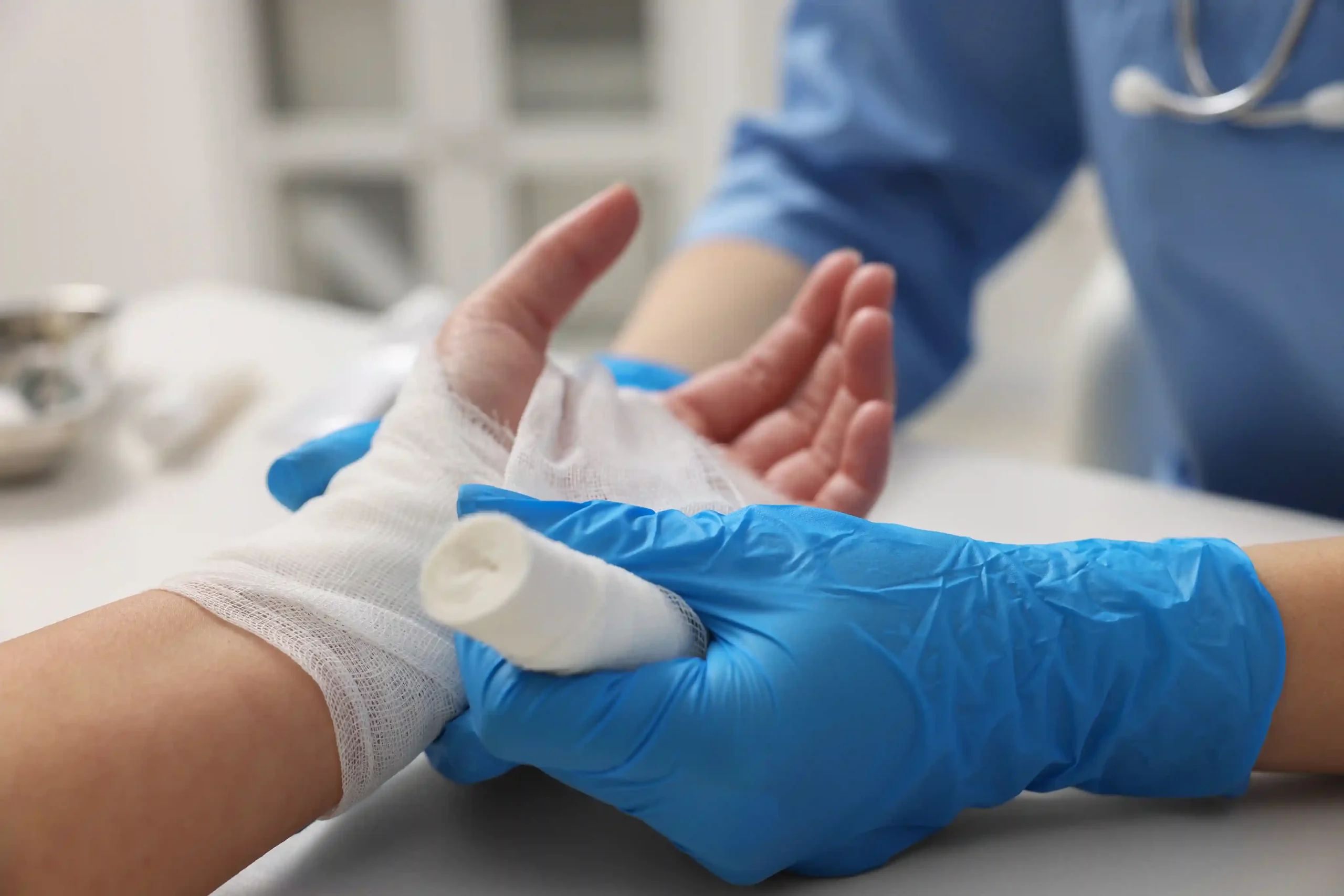
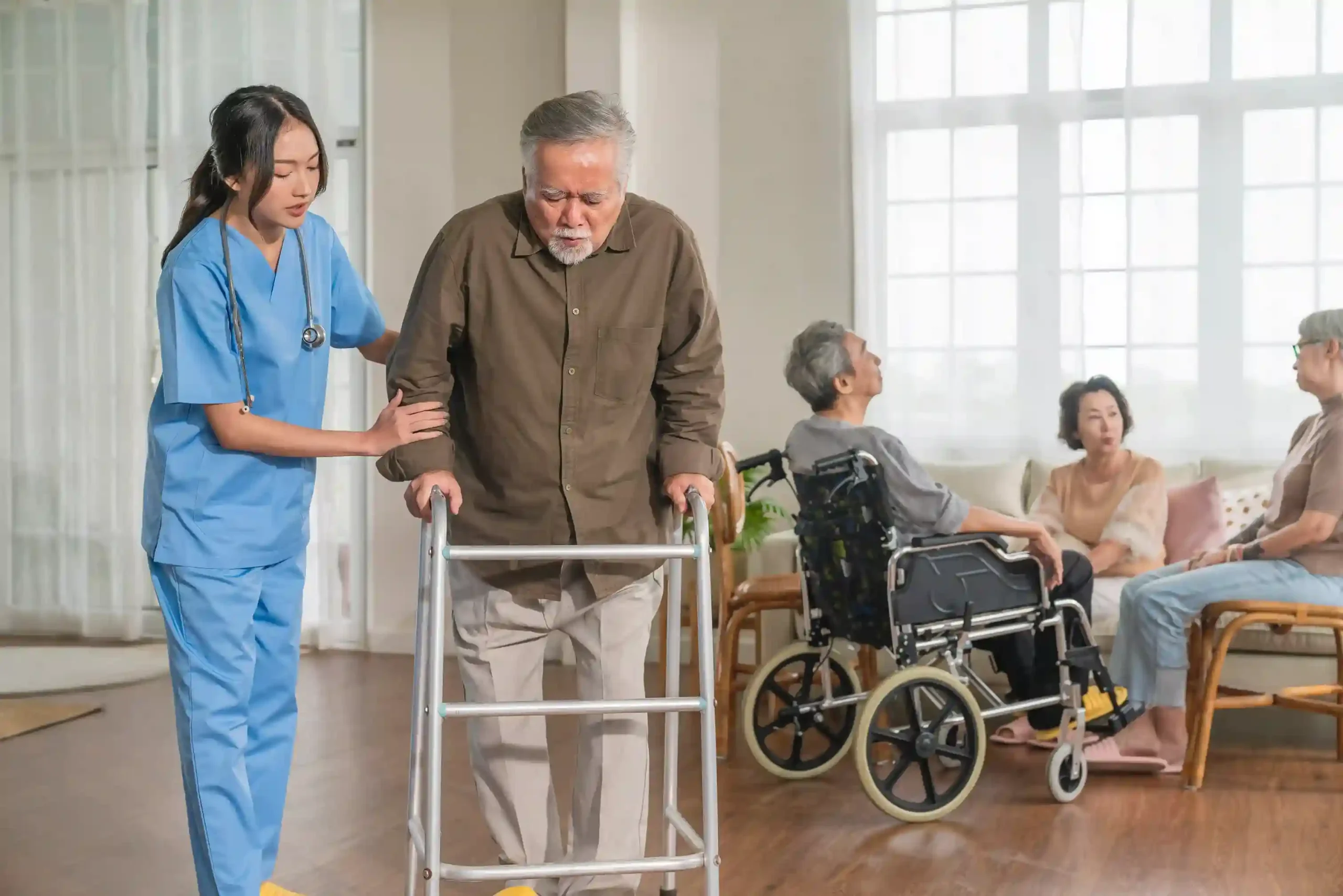
Home nursing can cover medical tasks, supportive care, and basic monitoring depending on a patient’s condition. The goal is to maintain stability while supporting progress, whether that means wound healing, mobility improvement, or symptom control.
Common examples include:
In many households, this is where families feel the difference. Instead of relying on memory or assumptions, they have a routine backed by professional judgement.
People often assume home care is only for seniors, but the reality is broader. Anyone who needs reliable support at home for a period of time can benefit.
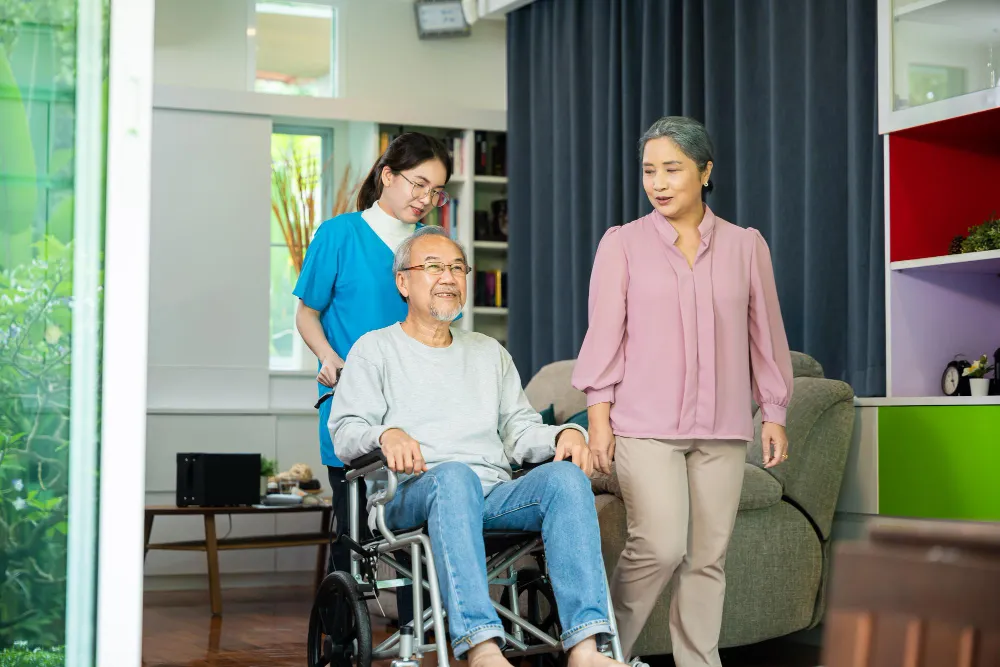
This includes older adults managing age related changes, patients returning home after surgery, people with limited mobility, and individuals living with conditions that require observation and careful routines. It can also help families who are juggling work and caregiving, especially when there is worry about leaving a loved one alone during the day.
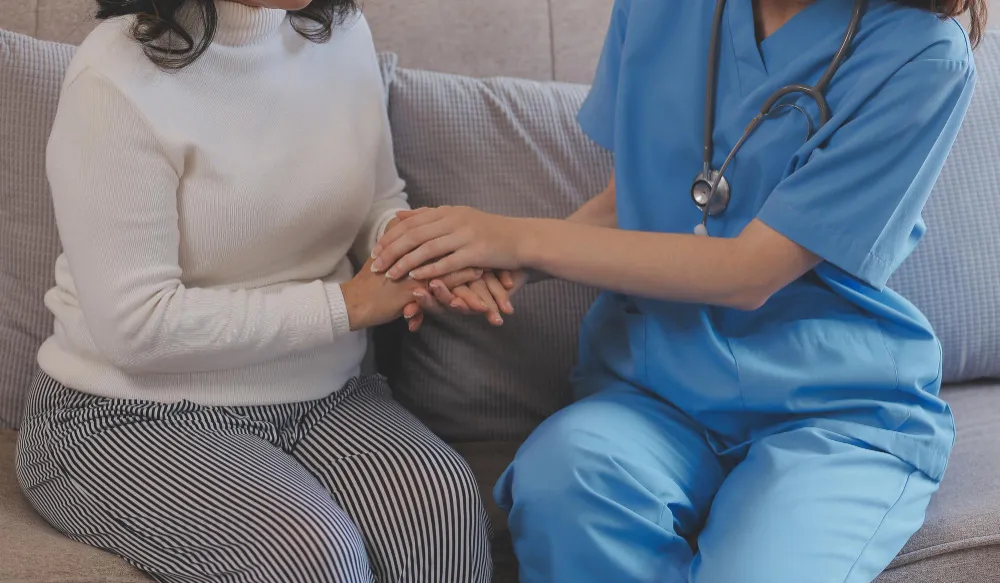
Choosing home care is rarely just about convenience. For many families, it is about emotional wellbeing, safety, and having a plan that feels realistic. When someone is cared for at home, it often reduces stress for both the patient and the family.
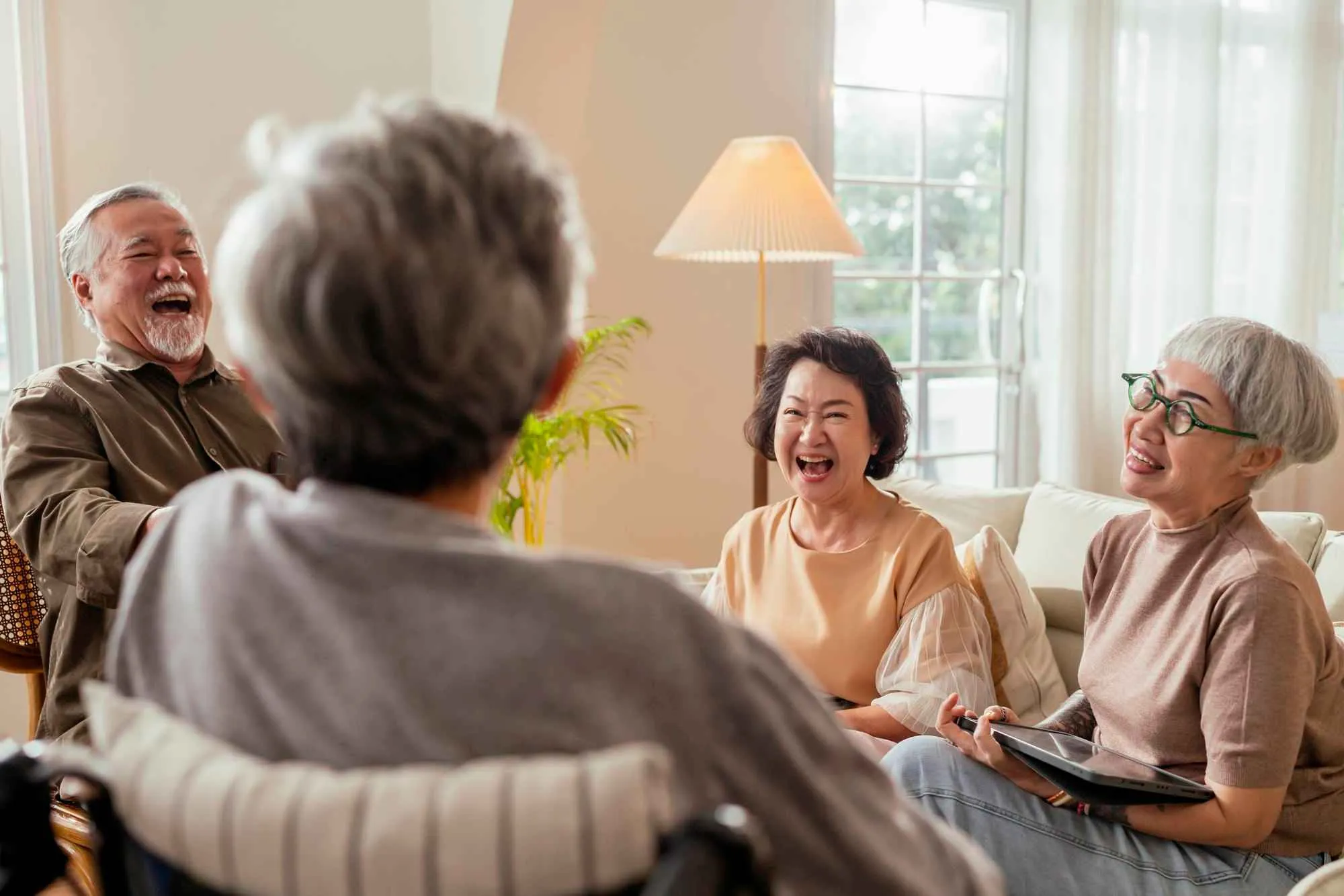
A major advantage is that support is delivered in a setting that feels normal. That sense of familiarity can make recovery feel less intimidating, which helps people stay motivated and cooperative with care routines.
Being at home often supports better rest, more regular meals, and fewer disruptions. These details matter because recovery is not only about treatment, but also about consistency.S
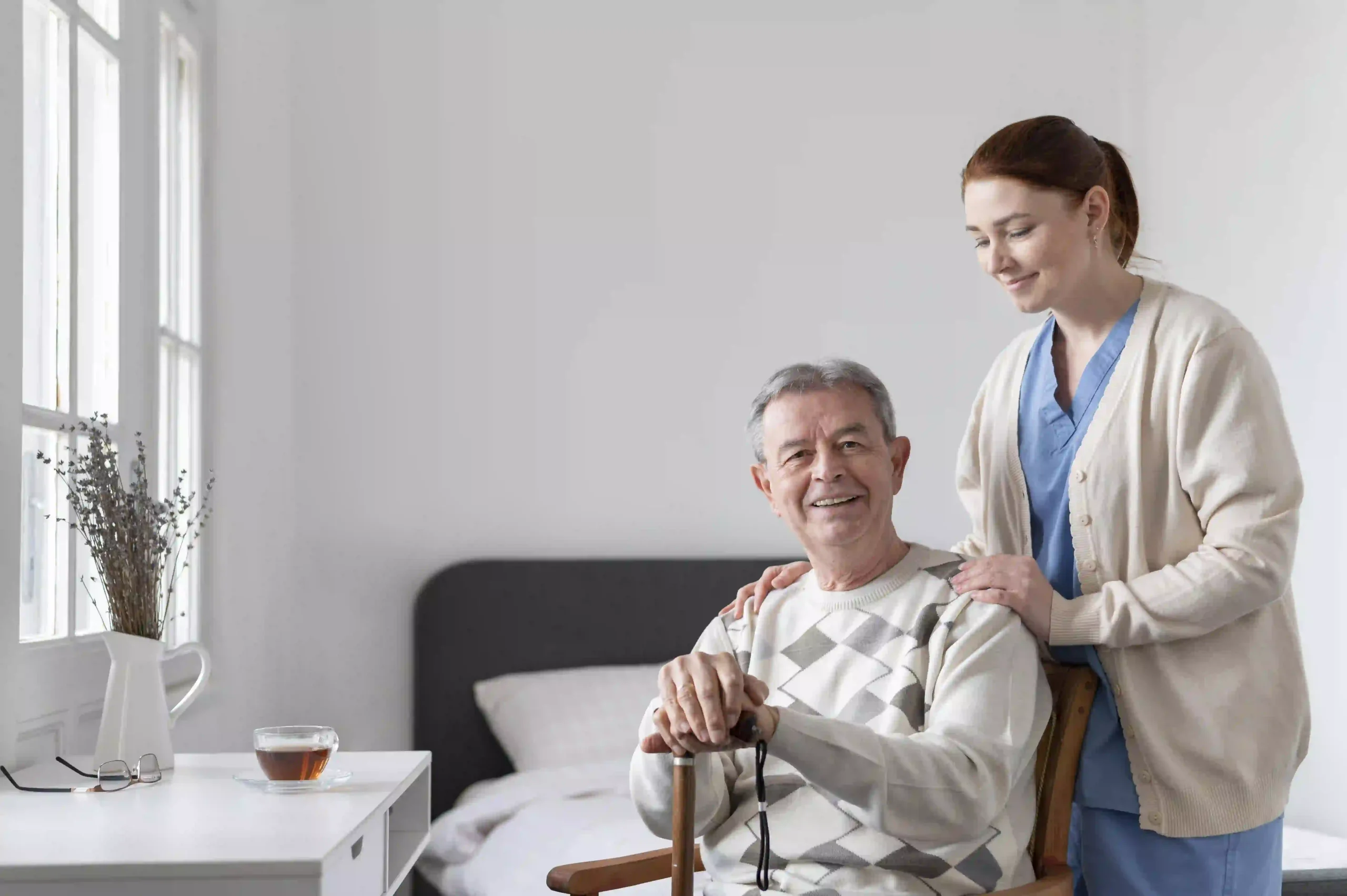
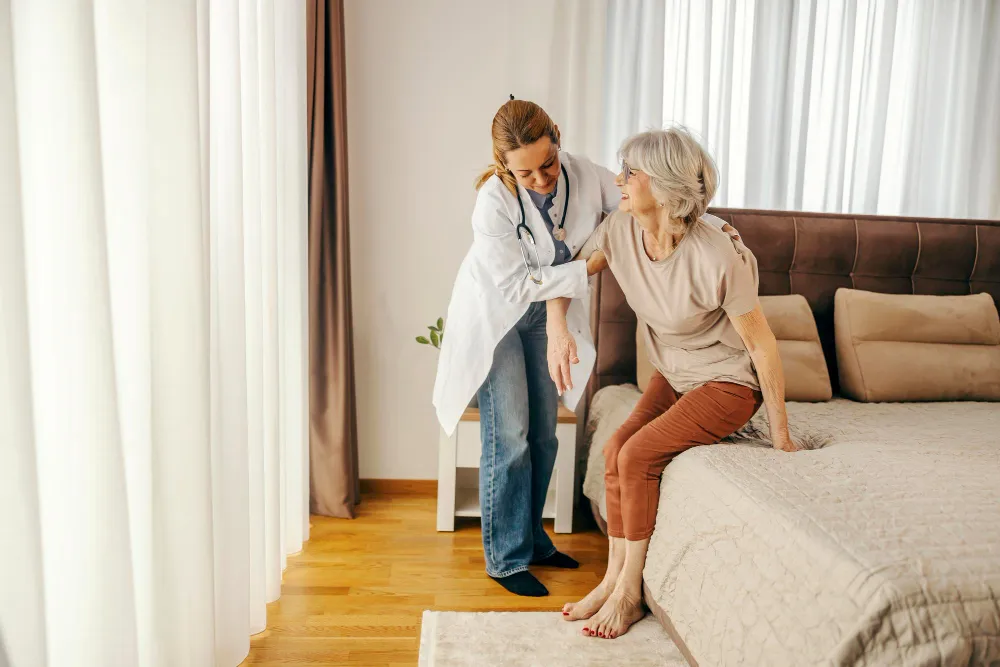
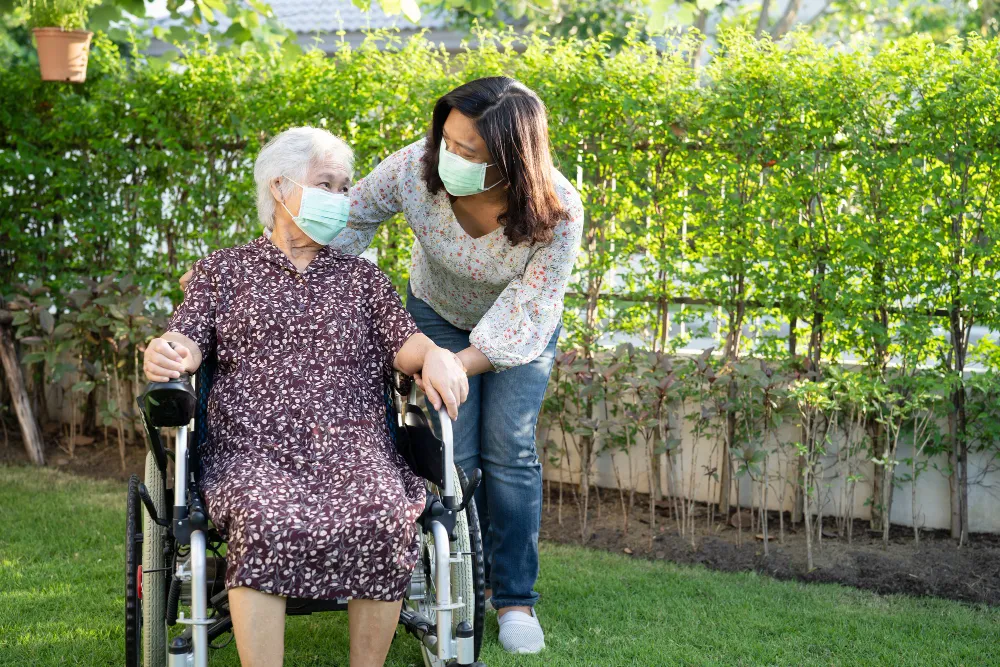
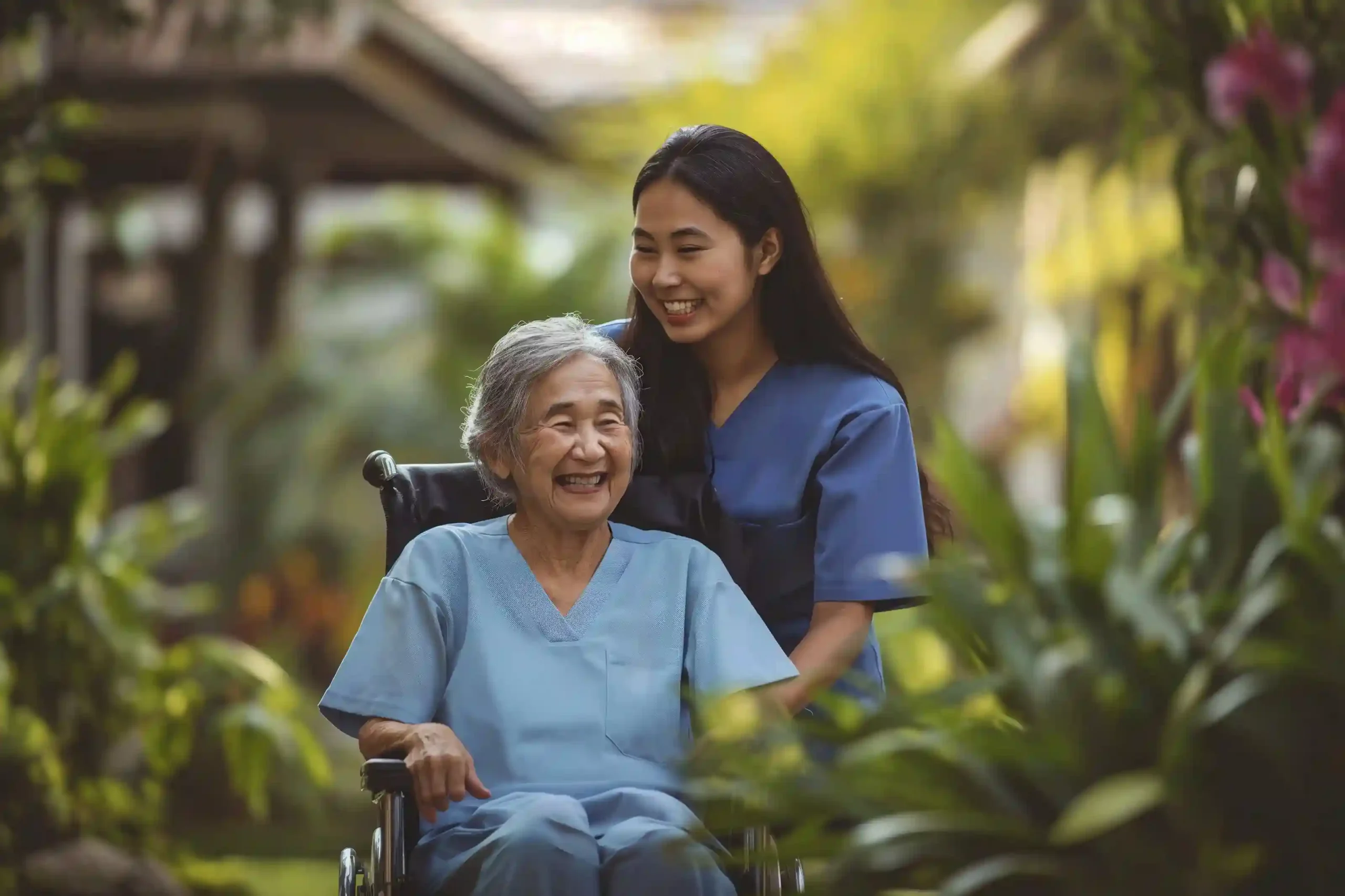
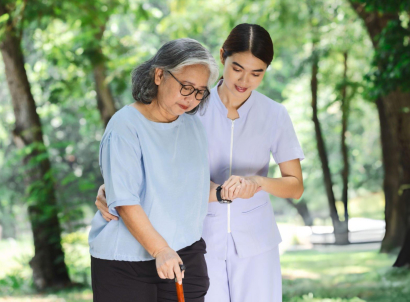
Home nursing also helps patients maintain dignity. Simple daily moments, like being able to bathe comfortably or move around safely, can affect mood and confidence. For an elderly parent, that emotional stability may be as important as the medical support itself.
Another benefit of home care is early detection. When someone checks in regularly, they may notice small changes before they become major issues.
Guidance from Malaysia’s Ministry of Health emphasises the importance of ongoing care and health support within the community, particularly for long term wellbeing. In practical terms, home based observation can reduce unnecessary emergency trips and help families respond earlier when symptoms change.
Picking a home care provider can feel overwhelming because families are often making decisions while already stressed. A helpful approach is to focus on three essentials: qualifications, communication, and clear care planning.
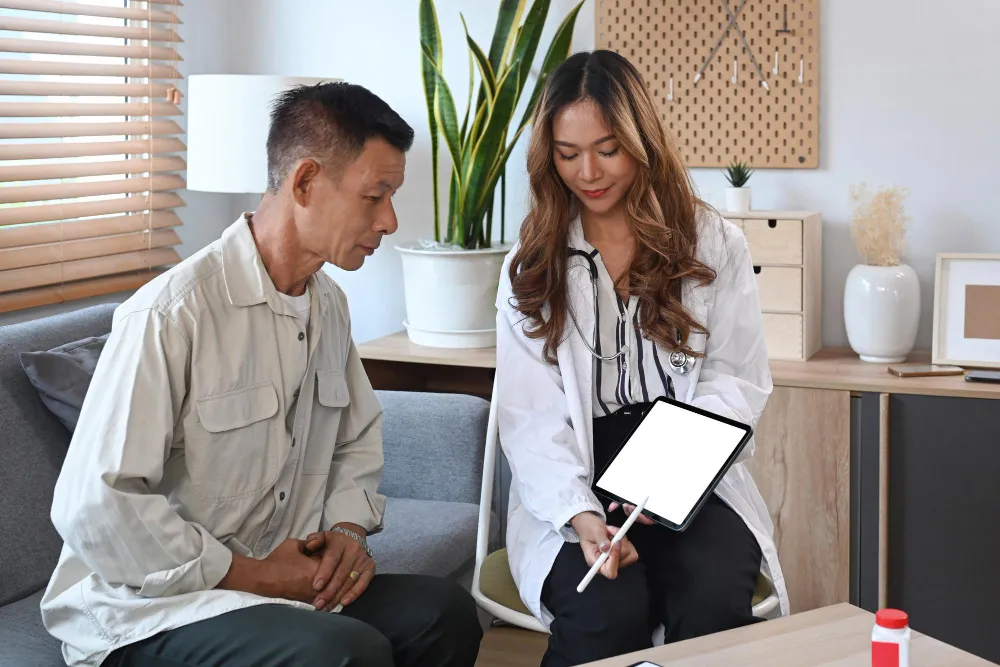
A reliable provider should be able to explain how they assess needs, how care is delivered, and what families can expect day to day. The more transparent they are, the easier it is to trust the process.
In home nursing care, training and oversight matter. Care should not depend on guesswork. A provider should have a clear method for assessments, safety checks, documentation, and follow up.
It also helps to understand the organisation’s background and care philosophy. Reading a provider’s story and approach can reveal whether they prioritise professionalism and accountability, such as what is described in theTrueCare2U about our care approach page.
Good nursing care supports the whole household. Families often need guidance on what to watch for, how to handle daily routines, and how to respond if something changes.
That is why educational resources can make a real difference. When a provider has a practical learning hub, families can feel more prepared between visits, similar to the topics shared in theTrueCare2U Help Centre resources.
Here are common questions about home nursing care that families often ask when deciding what type of support is best.
Home nursing care is professional nursing support provided in a person’s home. It usually starts with an assessment, followed by a care plan that outlines tasks such as monitoring, medication support, or recovery assistance, delivered on an agreed schedule.
Yes. Home nursing care can support long term conditions by maintaining routines, monitoring symptoms, and helping patients follow treatment plans more consistently. It is especially helpful when a condition affects mobility, energy levels, or day to day independence.
When delivered by trained professionals with proper care planning, home nursing care is generally safe. In fact, many older adults do better at home because routines are familiar and the environment can be adjusted for safety.
The length depends on the care goal. Some people need home nursing care for a few days after discharge, while others require ongoing support for weeks or months. A good provider will review progress and adjust the plan based on needs.
Consider home nursing care when daily tasks become difficult, when recovery needs monitoring, or when family members feel unsure about managing care alone. Starting earlier often prevents problems from escalating and creates a clearer routine at home.
For many Malaysian families, home nursing care offers a practical way to protect a loved one’s health while keeping life steady and familiar. It brings professional attention into the home, which can support recovery, reduce stress, and help patients maintain dignity through daily routines.
The best results usually come from care that is consistent, well planned, and matched to the person’s condition. When families feel supported with guidance and reliable monitoring, they gain peace of mind and more confidence in day to day care decisions.
If you are considering professional support, it can help to speak with a provider about what level of home nursing care fits your needs, and how care can be scheduled safely through the TrueCare2U contact page for care enquiries.







































































































 Call Us
Spread the love, follow us on our social media channels