

Follow us:


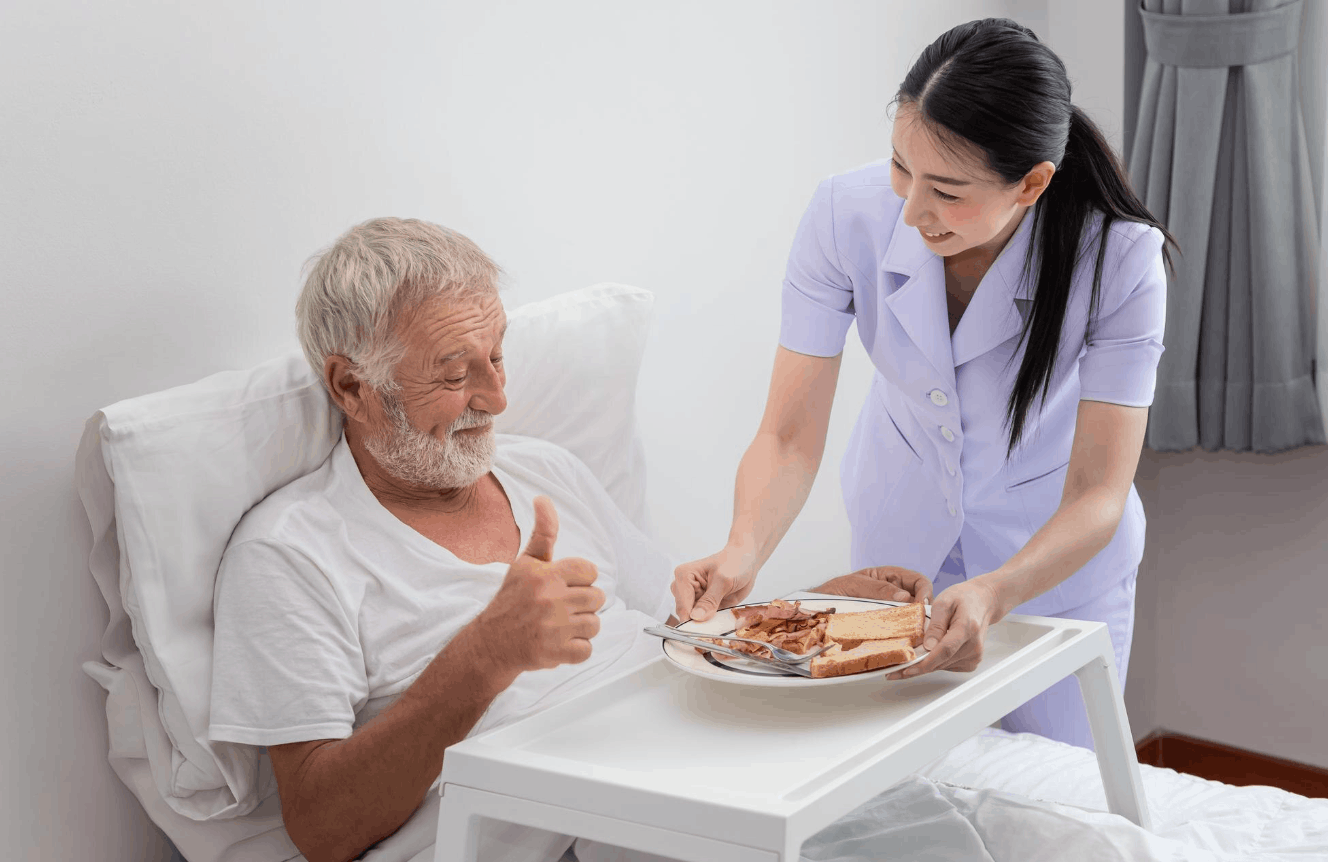
How Important Is It To Get Elderly Care for Aging Loved Ones
There comes a point in many families where the roles quietly reverse. The parent who once looked after everything begins to need looking after themselves. It happens gradually, then all at once. Knowing when and how to respond is something most families are simply not prepared for. TrueCare2U has supported countless Malaysian families through this transition, and one thing is consistently clear: acting early always leads to better outcomes.
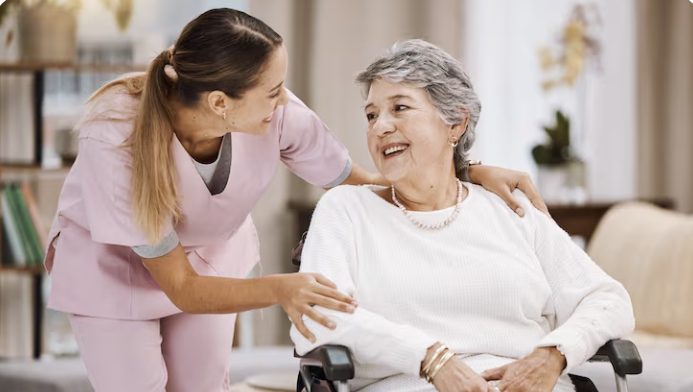
Elderly care is not about taking independence away. It is about making sure a person can live as fully and safely as possible in the years they have. Whether that means help with daily tasks, medical monitoring or emotional companionship, the right support at the right time changes everything.
Many families delay seeking elderly care because their loved one seems to be managing. But managing and thriving are two very different things. A senior who is coping alone may be doing so at significant personal cost, quietly struggling with tasks they would never admit are becoming too difficult.
An elderly person living without adequate support faces risks that are not always visible until something goes wrong. Malnutrition is common among seniors who live alone, not because food is unavailable but because preparing meals has become difficult or unenjoyable. Medication errors are another serious concern, as complex prescriptions taken incorrectly can cause significant harm.
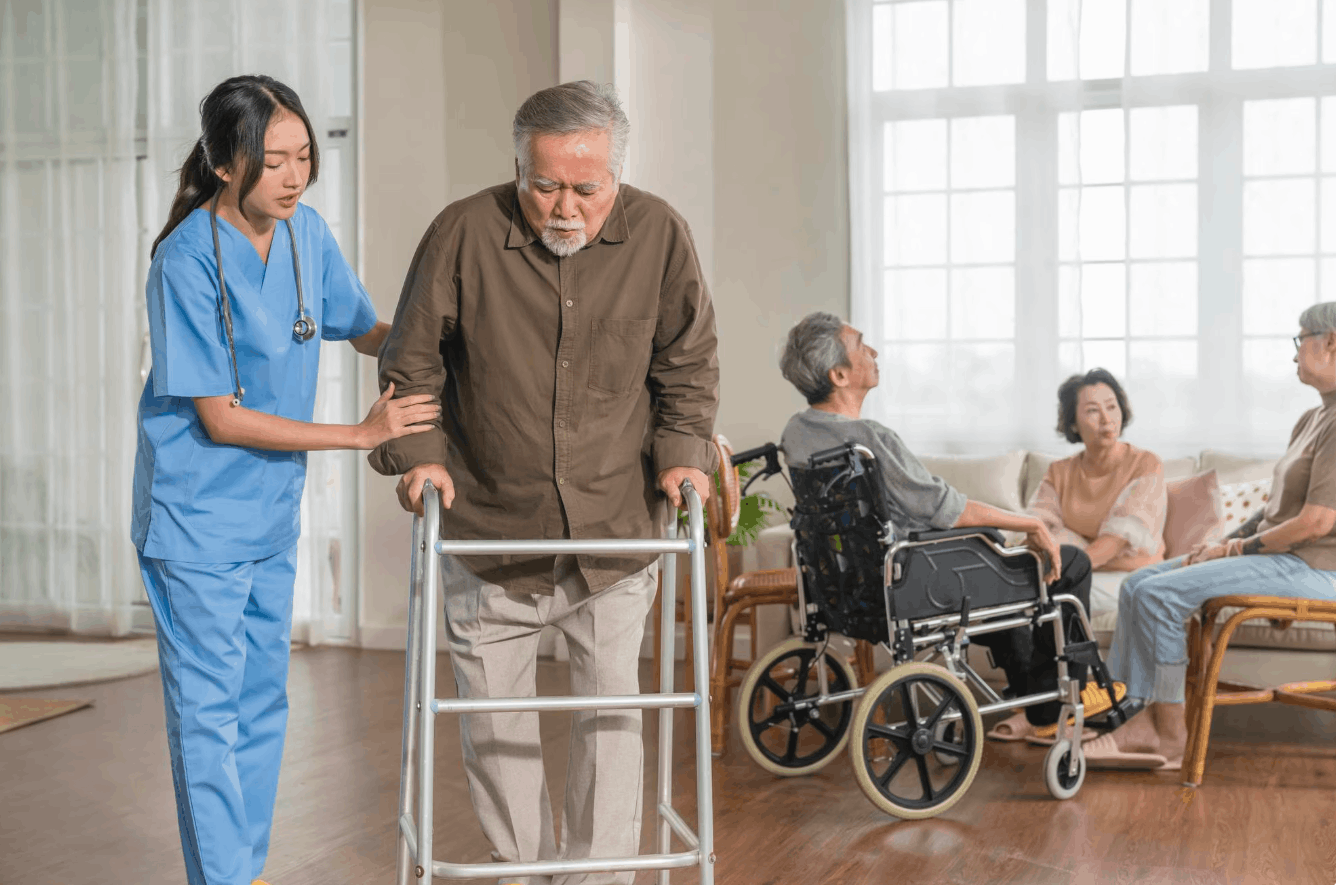
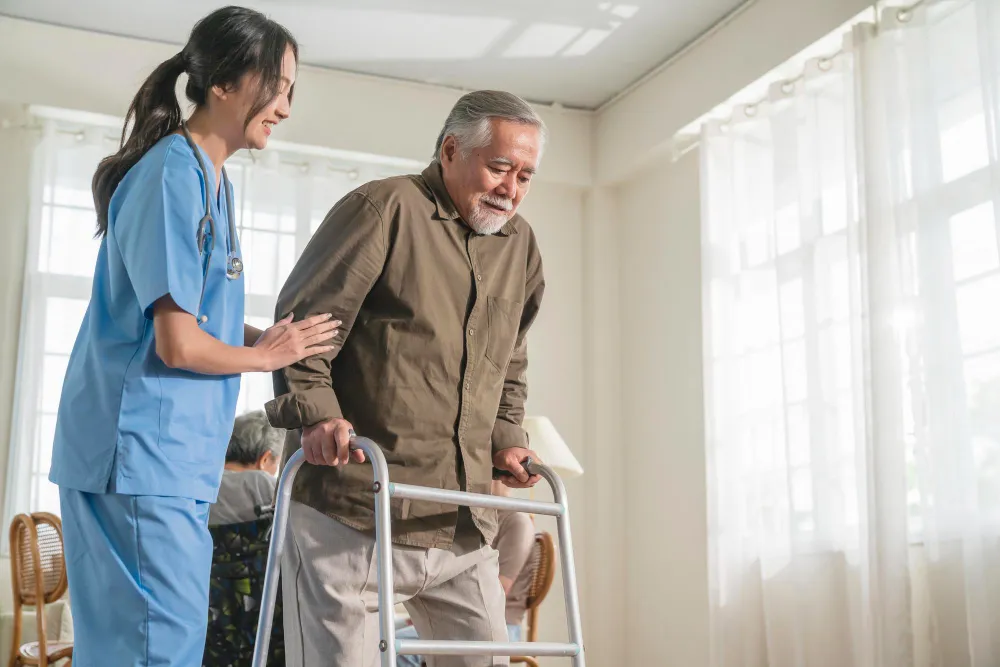
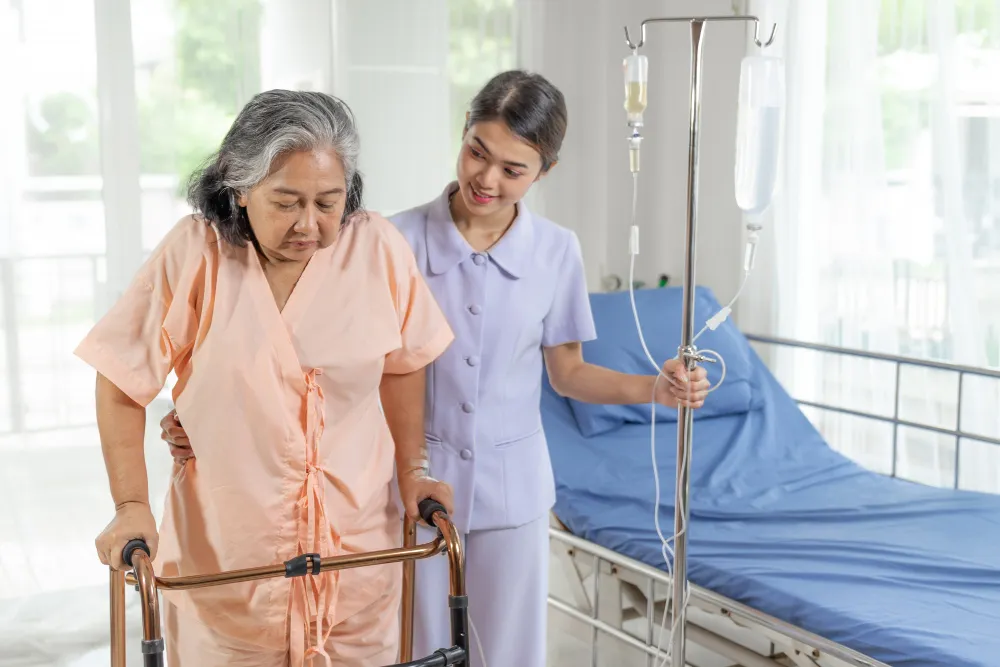
Falls represent the greatest immediate risk. A fall that a younger person walks away from can be life-changing for an elderly individual, leading to fractures, hospitalisation and a rapid decline in overall health. The months following a serious fall are among the highest-risk periods in an elderly person’s life.
Physical risks aside, loneliness is one of the most damaging conditions affecting elderly Malaysians today. A senior who has lost their social network through retirement, bereavement or mobility limitations can experience a level of isolation that deeply affects both mental and physical health.
According to research published in the Malaysian Journal of Medical Sciences, social isolation and depression are growing concerns among Malaysia’s ageing population, with direct links to faster physical decline. Elderly care addresses this not just through medical support but through consistent human connection and structured daily engagement.
Elderly care is not a single service. It is a spectrum of support that ranges from a few hours of assistance per week to full-time residential care. Understanding the different forms helps families identify what level of support is genuinely needed.
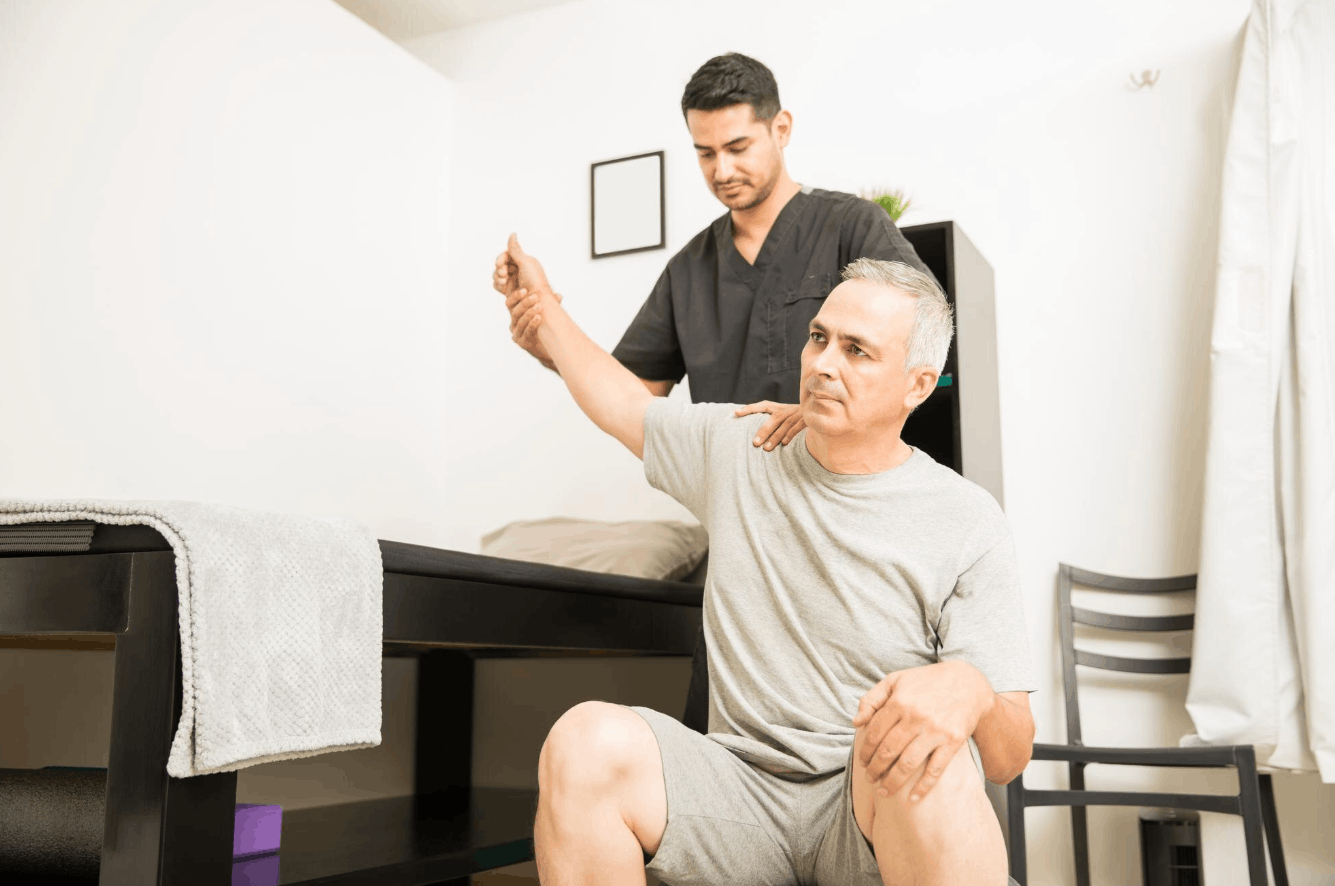
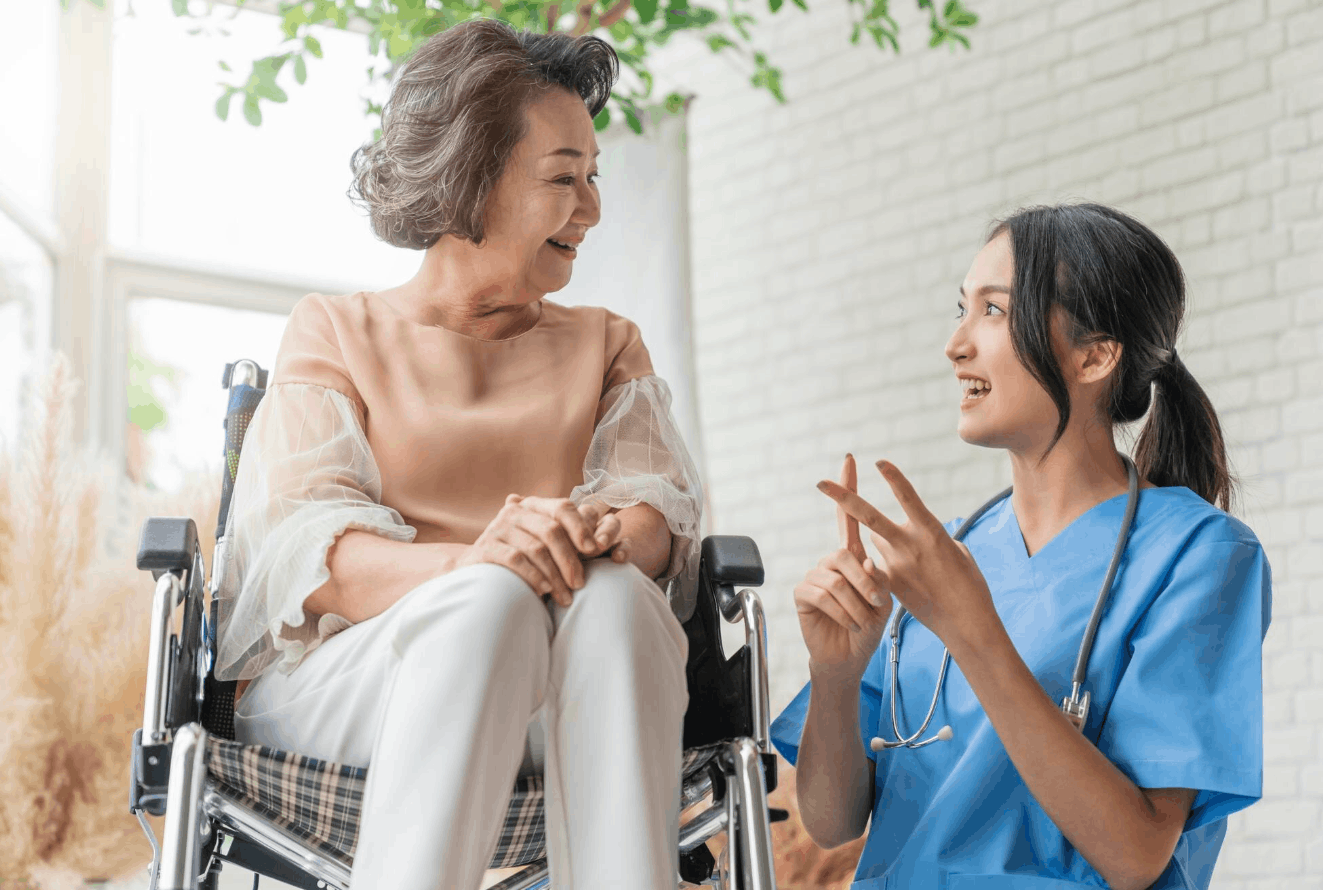
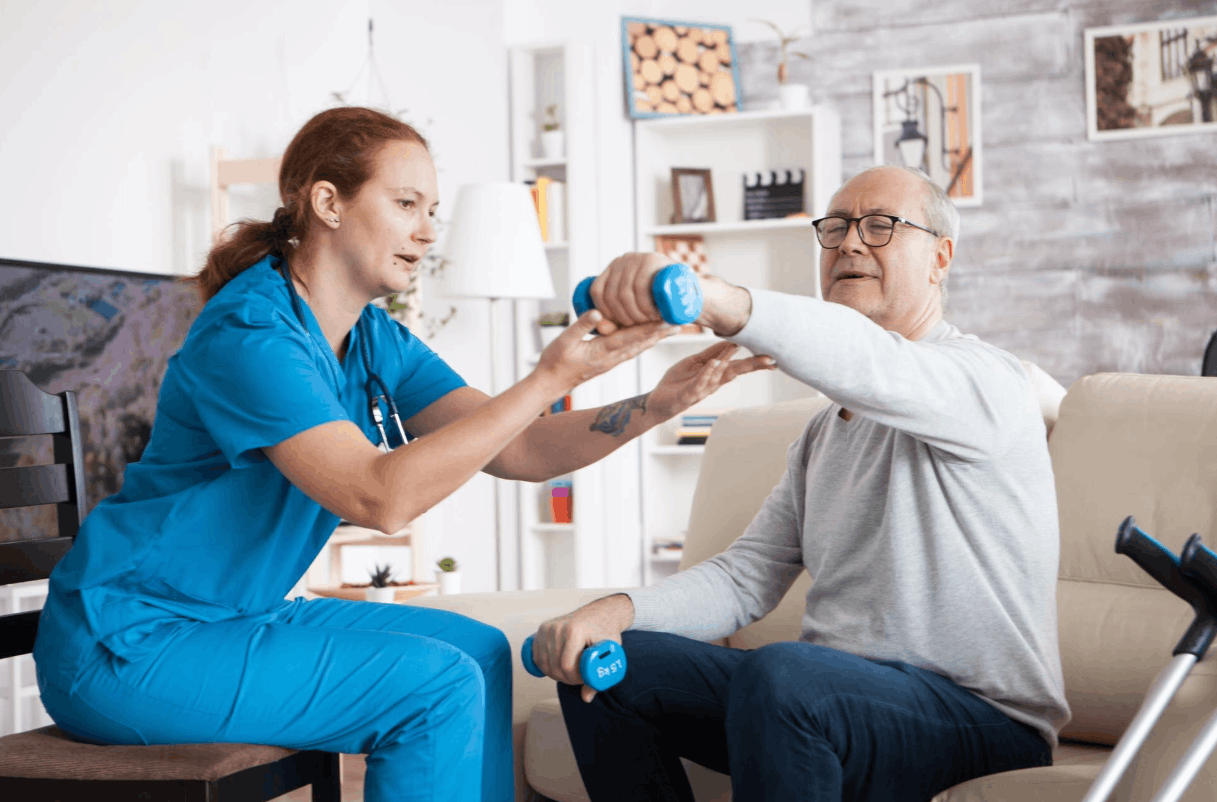
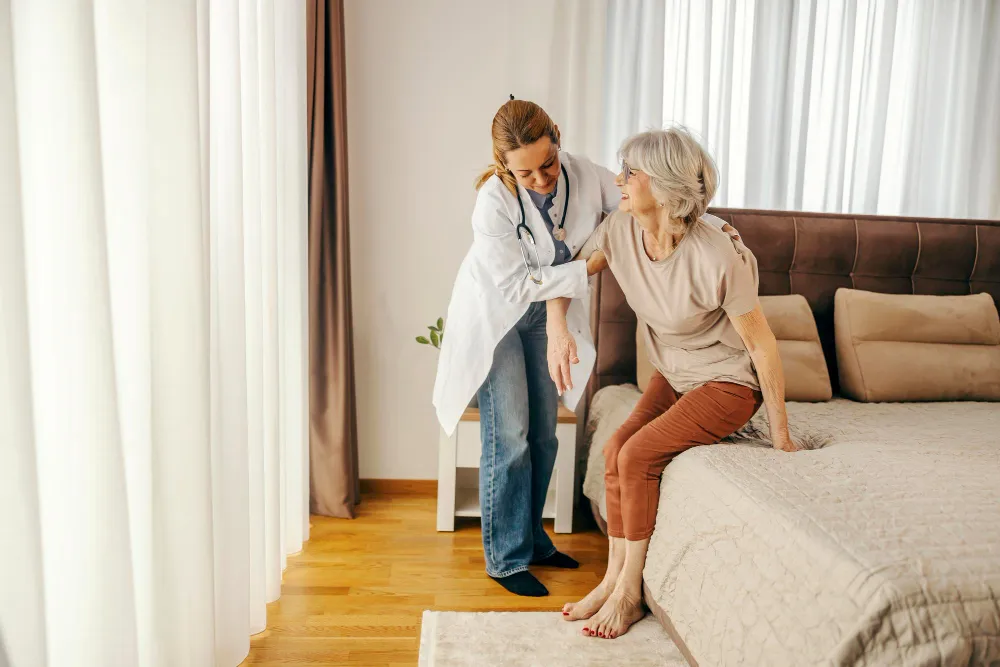
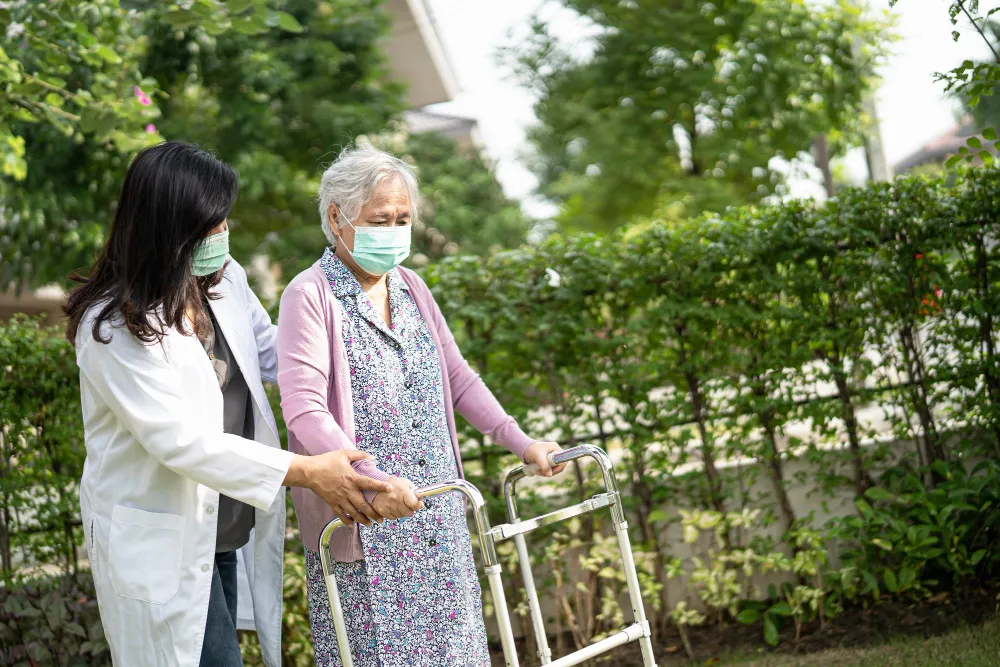
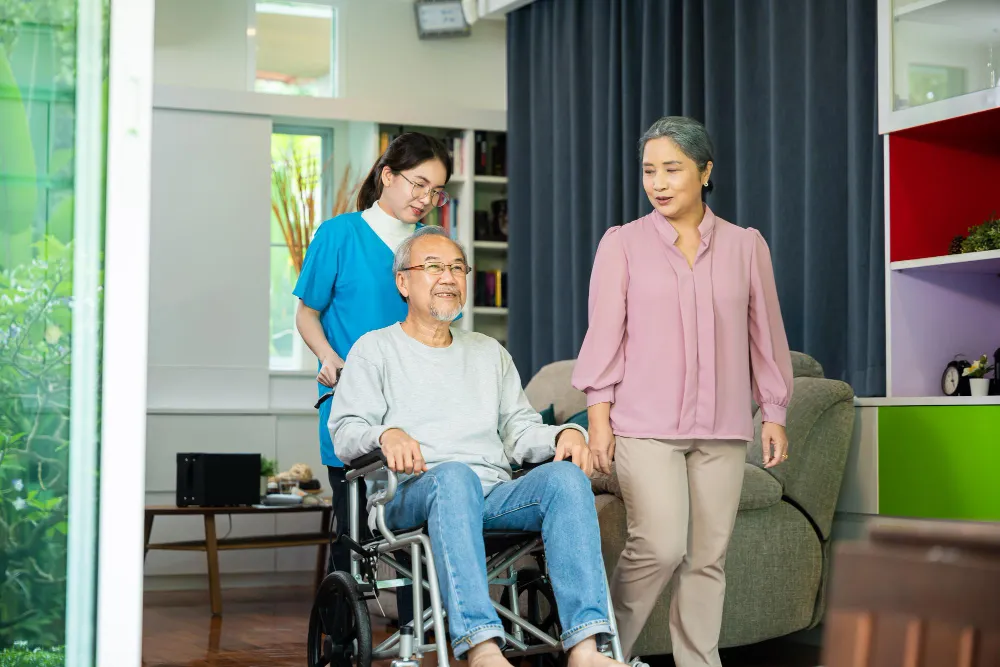
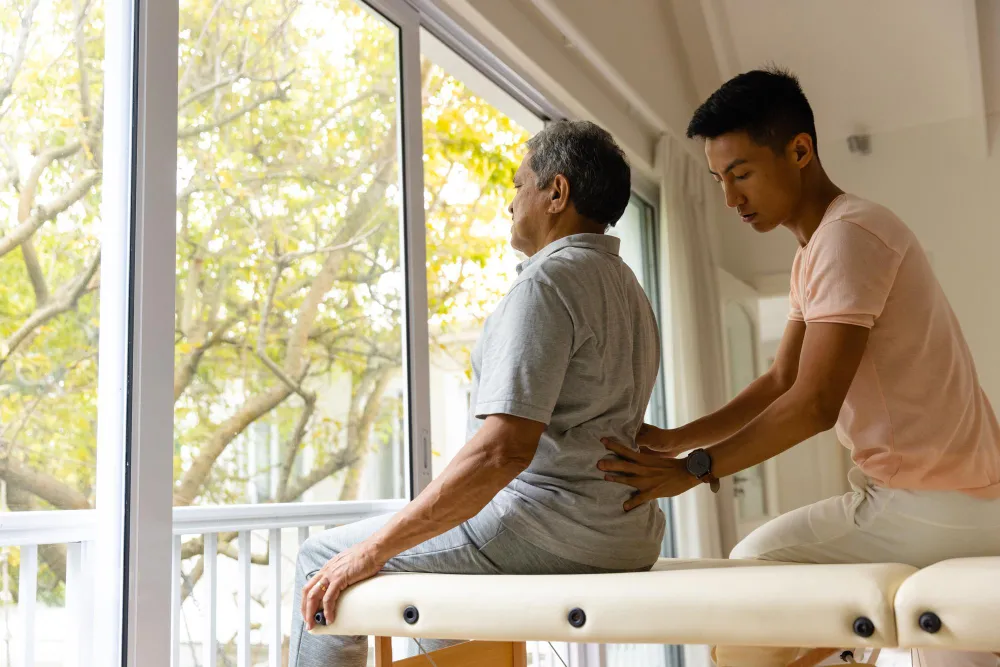
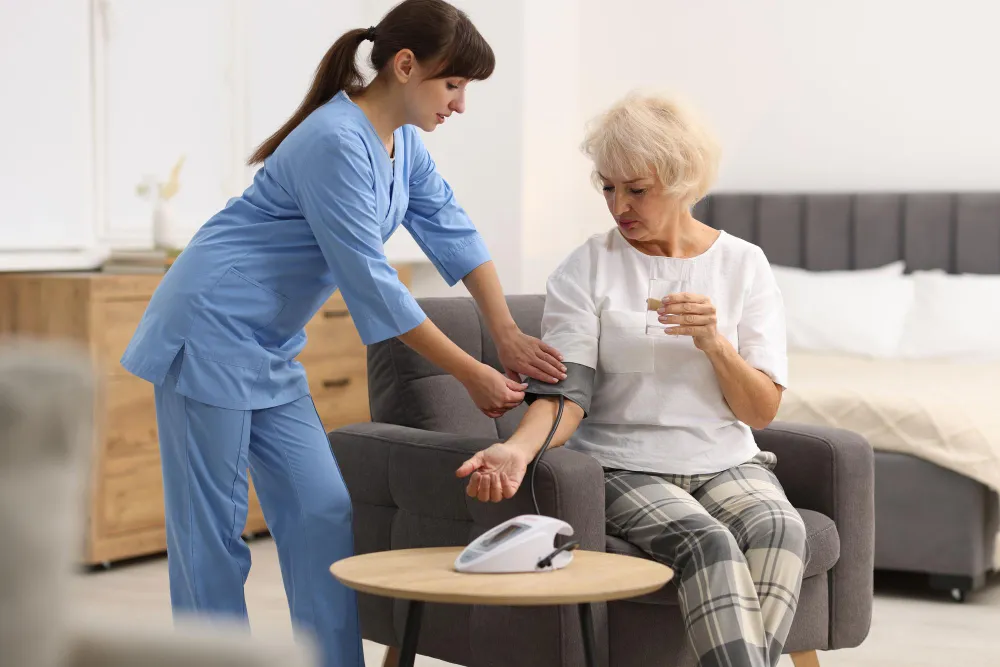
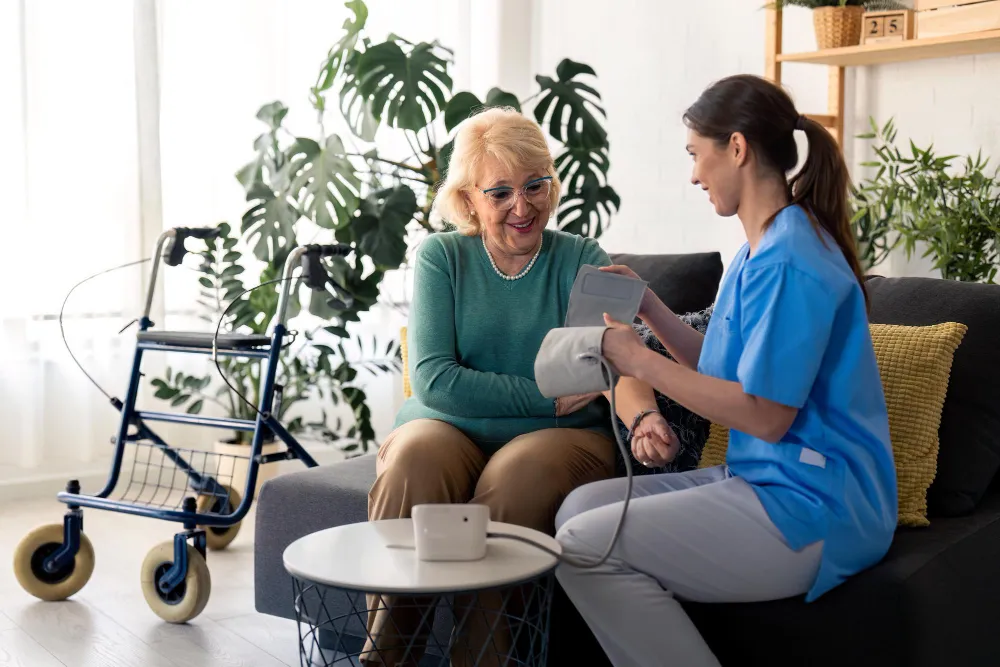
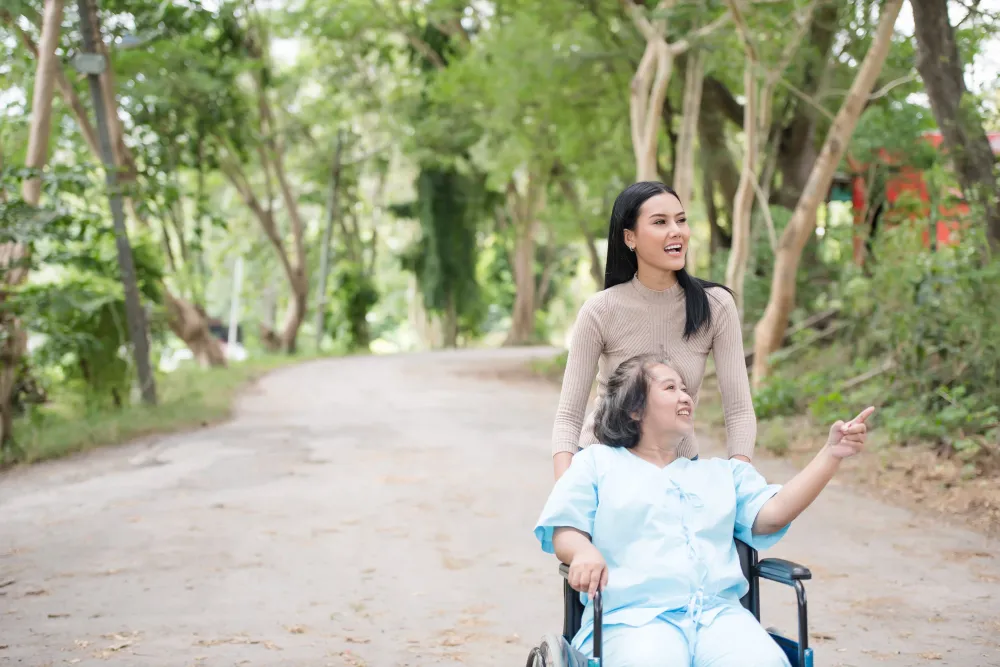
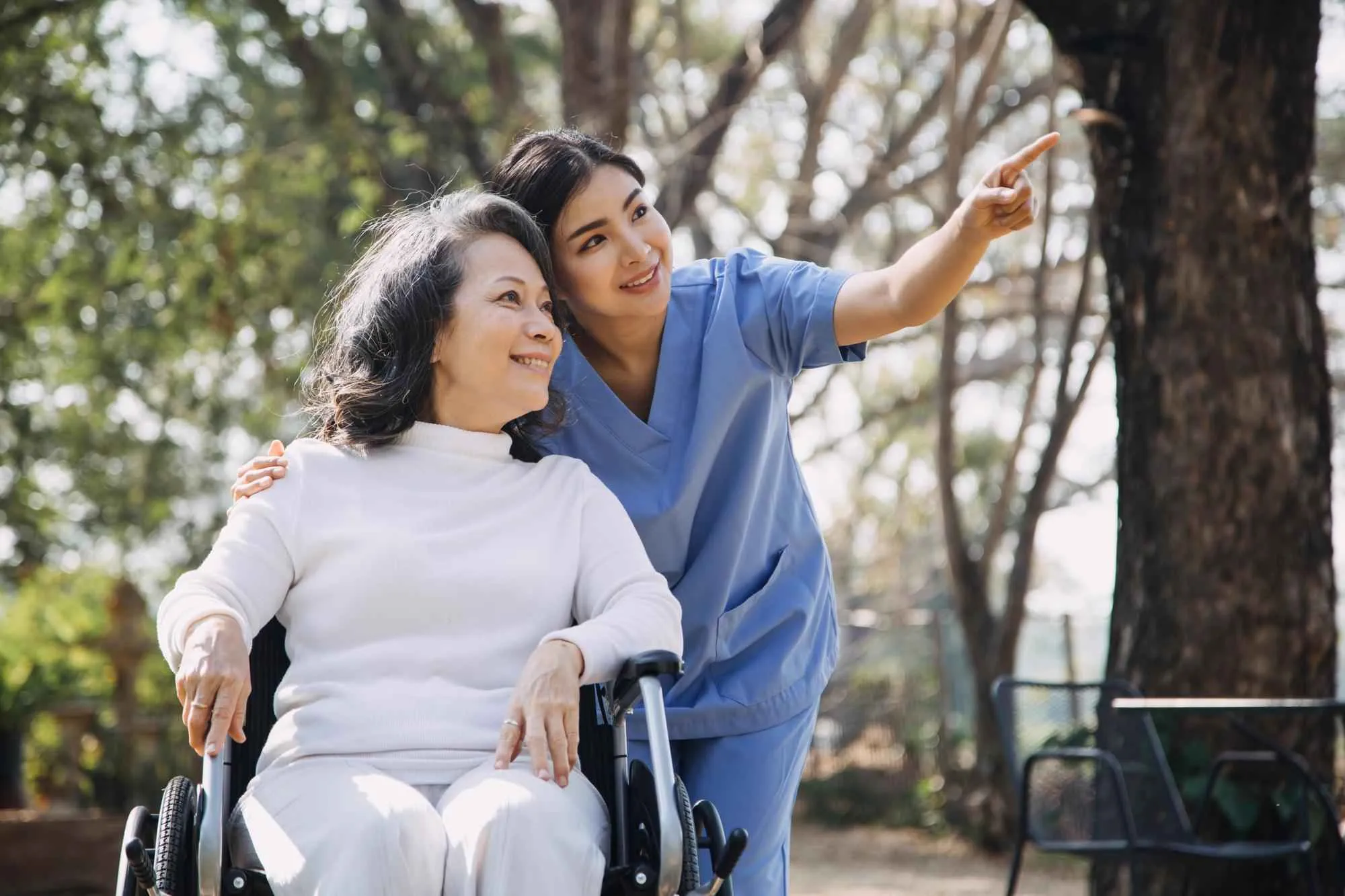
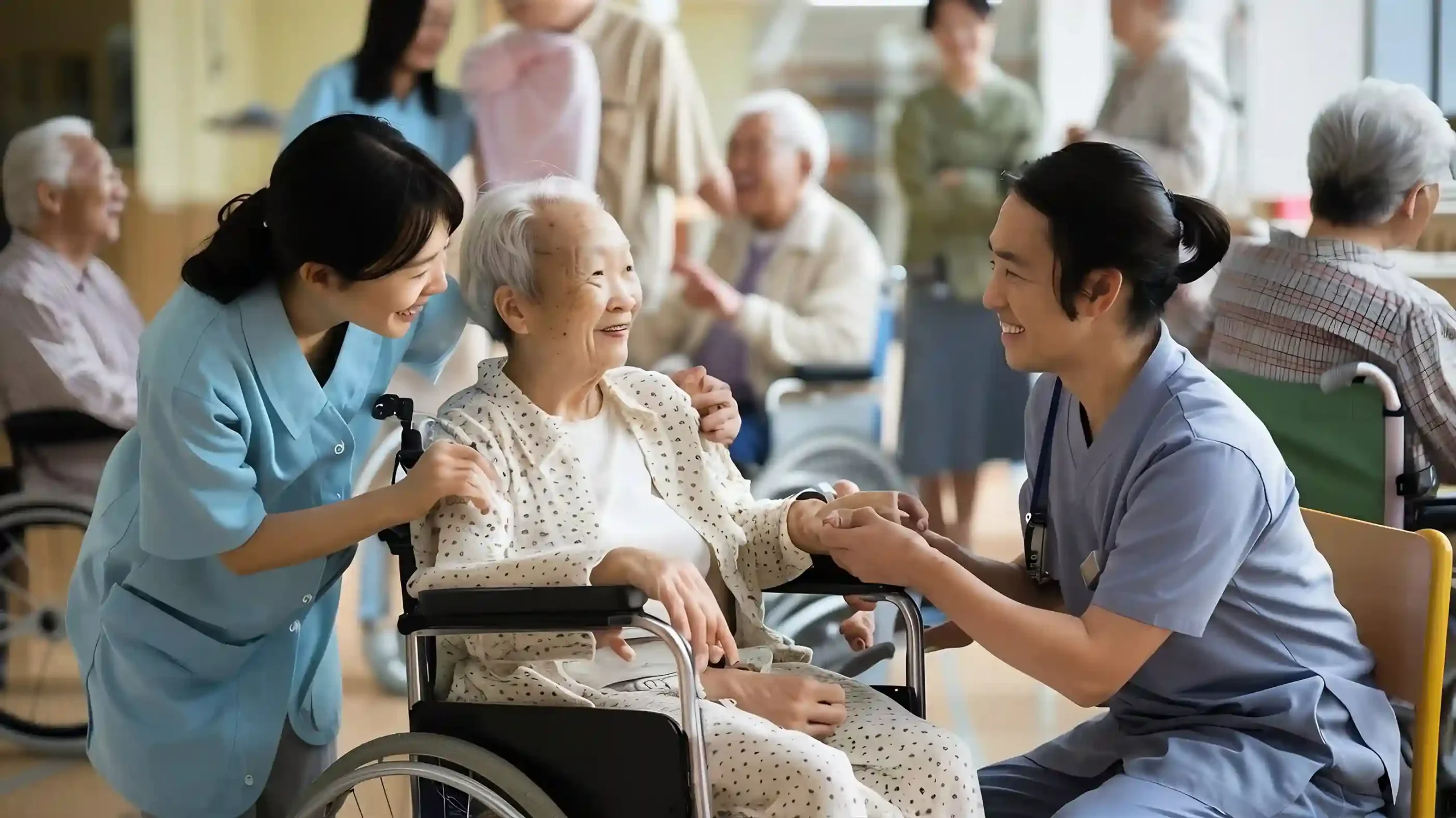
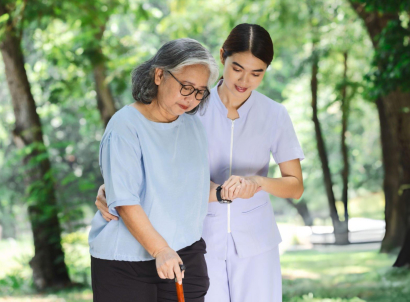
For many seniors, home-based elderly care is the most appropriate starting point. A trained caregiver visits regularly to assist with bathing, meal preparation, medication reminders, light housekeeping and mobility support. The senior remains in their own home, surrounded by familiar surroundings and close to their family.
This model works particularly well for seniors who are largely independent but need support with specific tasks that have become unsafe or overwhelming. It is also highly flexible, with visits scaled up or down depending on how needs evolve over time.
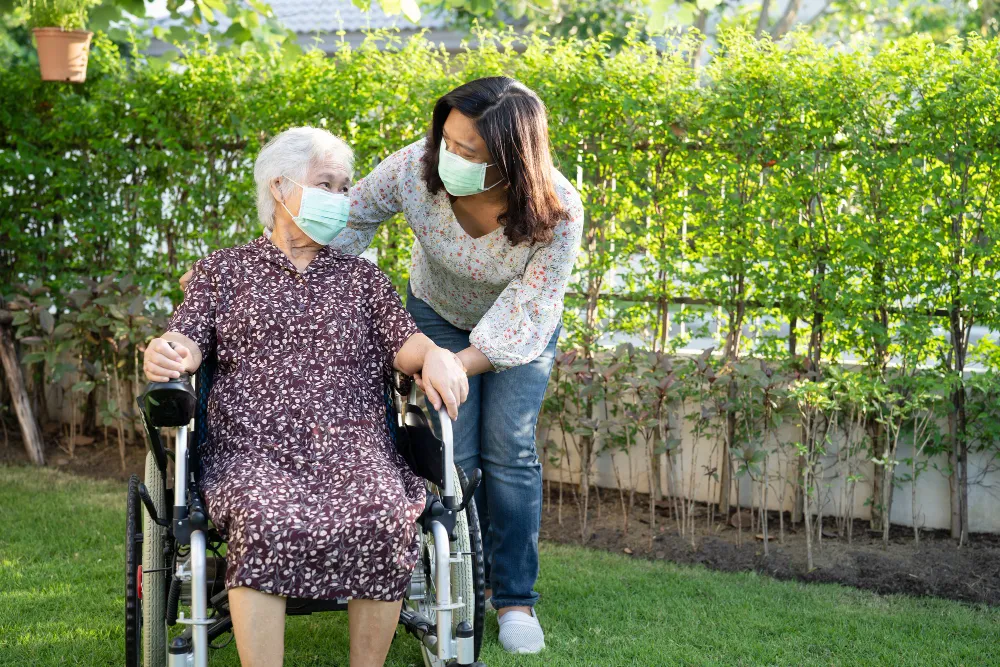
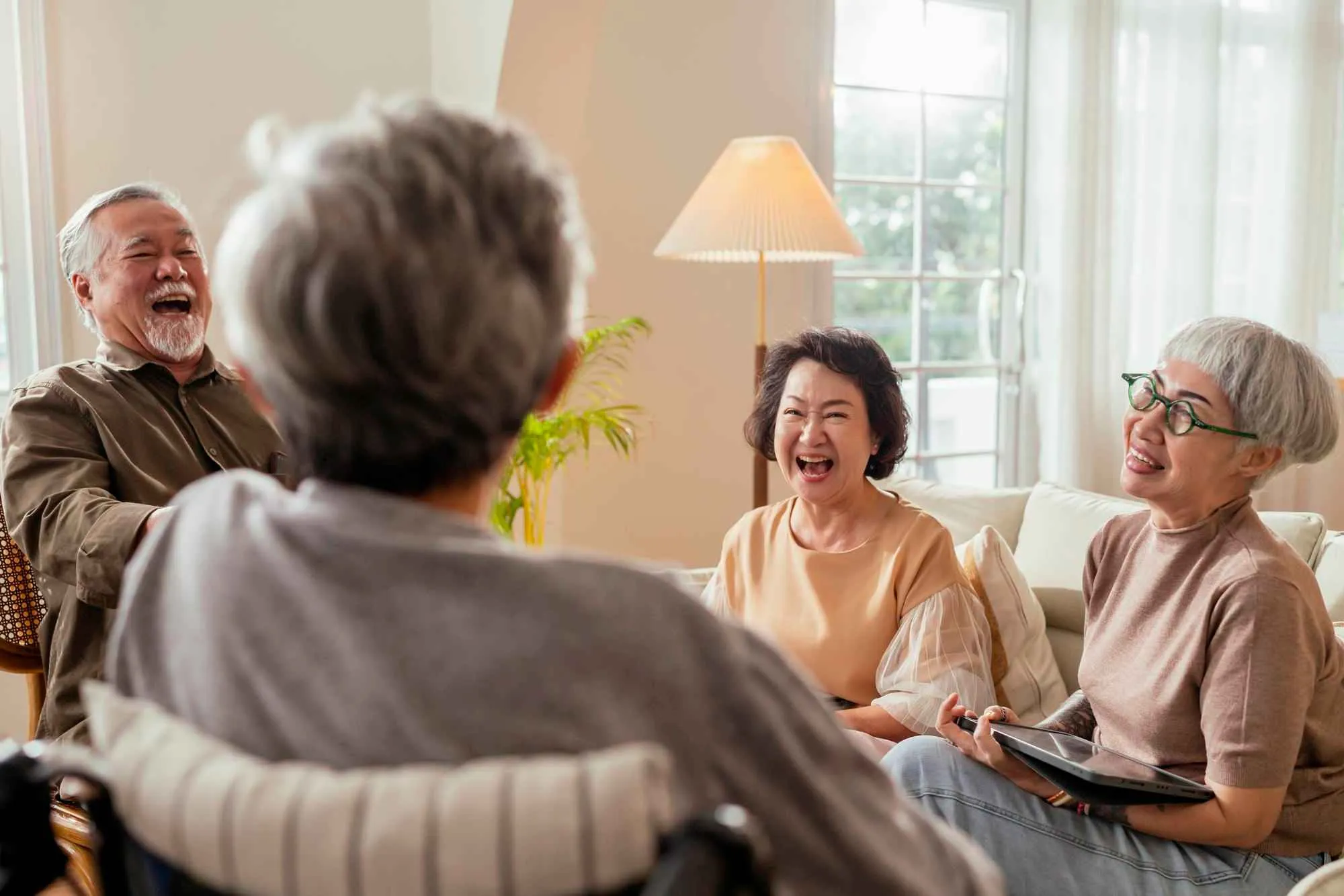
Some seniors benefit from spending structured time at a day care centre, where they can socialise, participate in activities and receive health monitoring during daytime hours. This option works well for families where the primary caregiver works full-time and cannot be present throughout the day.
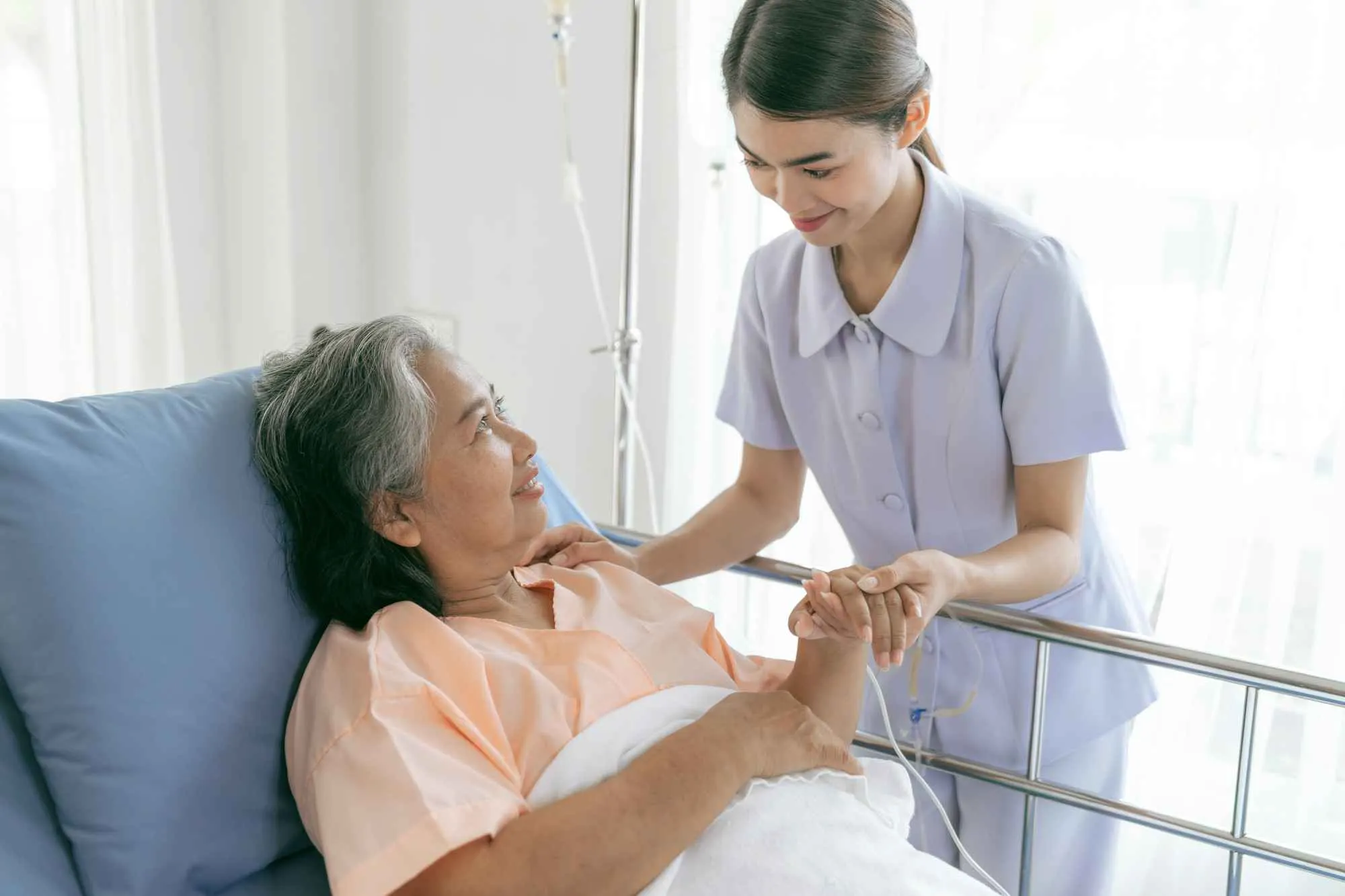
For seniors with more complex needs, residential elderly care facilities provide round-the-clock supervision and medical support. These are most appropriate when the level of care required exceeds what can safely be delivered at home. TrueCare2U’s healthcare provider network helps families navigate these options and find the right match for their loved one’s situation.
One of the most common questions families ask is how to know when the time has come. There is rarely a single defining moment. More often, it is a gradual accumulation of signs that eventually becomes impossible to ignore.
Noticeable weight loss, poor hygiene, an unkempt home or a fridge full of expired food are all signs that a senior is struggling to manage daily life. These are not trivial observations. They point to a breakdown in the ability to self-care that has real health consequences.
Watch for these physical indicators:
Any one of these alone warrants a conversation. Several appearing together signal that elderly care support is needed without further delay.
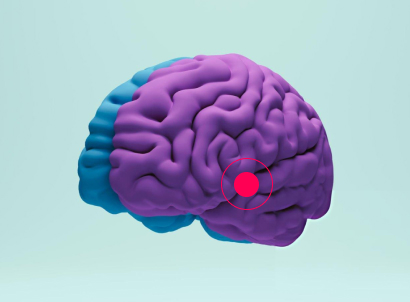
Changes in mood, memory or behaviour are equally important signals. A parent who becomes unusually withdrawn, confused about familiar things or increasingly anxious may be experiencing early cognitive decline. These changes are often dismissed as normal ageing, but they deserve proper assessment.
Families sometimes notice these shifts before the seniors themselves do. Trusting those observations and acting on them is one of the most important things a family can do. Early intervention in cognitive decline, supported by appropriate elderly care, makes a measurable difference to long-term outcomes.
Deciding that elderly care is needed is one challenge. Having that conversation with your loved one is another entirely. Many seniors resist the idea, associating care with loss of independence or the beginning of the end. Approaching the discussion with sensitivity and patience is essential.
The way elderly care is introduced matters enormously. Framing it as removing independence will almost always meet resistance. Framing it as adding support, so your parents can continue living the way they want for longer, is far more likely to be received positively.
Choose a calm, private moment for the conversation. Avoid raising the topic in the immediate aftermath of a worrying incident, when emotions on both sides are heightened. Listen as much as you speak, and involve your loved one in every decision wherever possible.
Sometimes a family member is not the most effective person to have this conversation. A trusted doctor, religious leader or long-standing family friend may carry more influence with the senior. There is no shame in asking for help to bridge this gap.
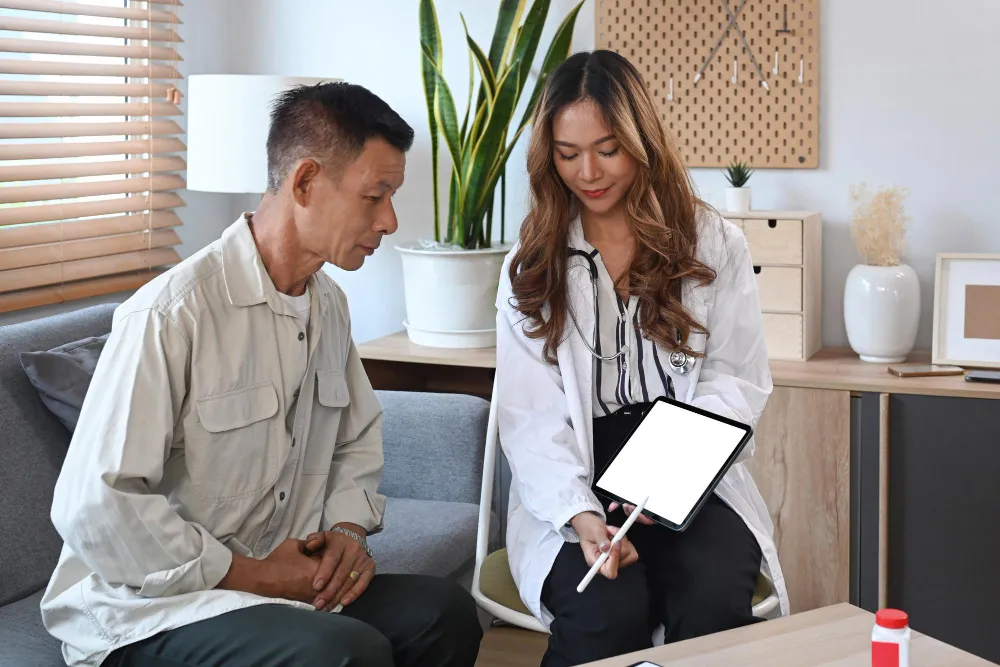
TrueCare2U’s help centre provides guidance for families navigating sensitive conversations around elderly care, including how to manage resistance and involve elderly loved ones meaningfully in care decisions.
Here are common questions Malaysian families ask about elderly care:
Elderly care refers to a range of professional support services designed to help older individuals maintain their quality of life as they age. It can include personal care assistance, medical monitoring, companionship, day care programmes and residential support. The type and level of care depend entirely on the individual’s health, mobility and personal preferences.
There is no fixed age. The need for elderly care is determined by a person’s functional ability and health status rather than their age alone. Families should begin thinking about it when they notice consistent signs of struggle with daily tasks, health management or social isolation, regardless of how old their loved one is.
Start by listening to their concerns rather than dismissing them. Many seniors fear losing control of their lives. Emphasise that care is about supporting their independence, not replacing it. Introduce changes gradually, starting with a small amount of help, and allow trust to build over time.
Yes, and for many seniors this is the preferred approach. Home-based elderly care allows a person to remain in familiar surroundings while receiving professional support tailored to their needs. This is often the most comfortable and least disruptive option, particularly in the earlier stages of needing assistance.
TrueCare2U connects Malaysian families with vetted healthcare professionals and caregivers suited to their loved one’s specific needs. Whether you are looking for home-based support, nursing care or guidance on navigating care options, TrueCare2U provides a reliable starting point for families at every stage of the process.
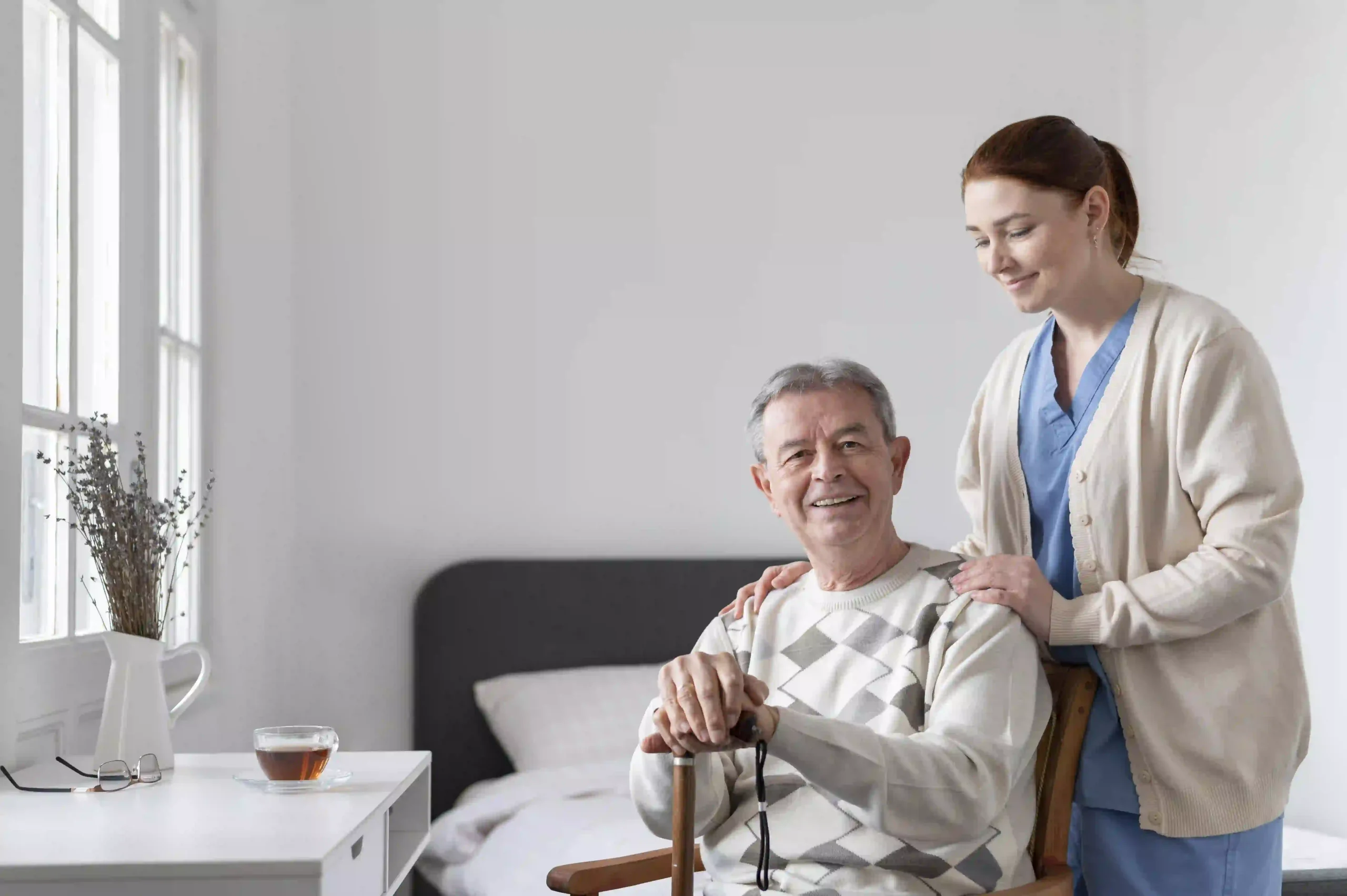
Elderly care is not a last resort. It is a proactive, loving investment in the wellbeing of someone who has spent a lifetime caring for others. The families who seek support early consistently report better outcomes, less crisis-driven decision-making and a greater sense of peace throughout the process.
Malaysia’s ageing population means that more families than ever are facing these decisions. The good news is that the range of elderly care options available today is broader and more accessible than it has ever been. The key is knowing what to look for and being willing to act before things reach a breaking point.
When you are ready to explore elderly care options for your loved one, connect with the team at TrueCare2U and take the first step towards meaningful, professional support today.




























































































 Call Us
Spread the love, follow us on our social media channels