

Follow us:


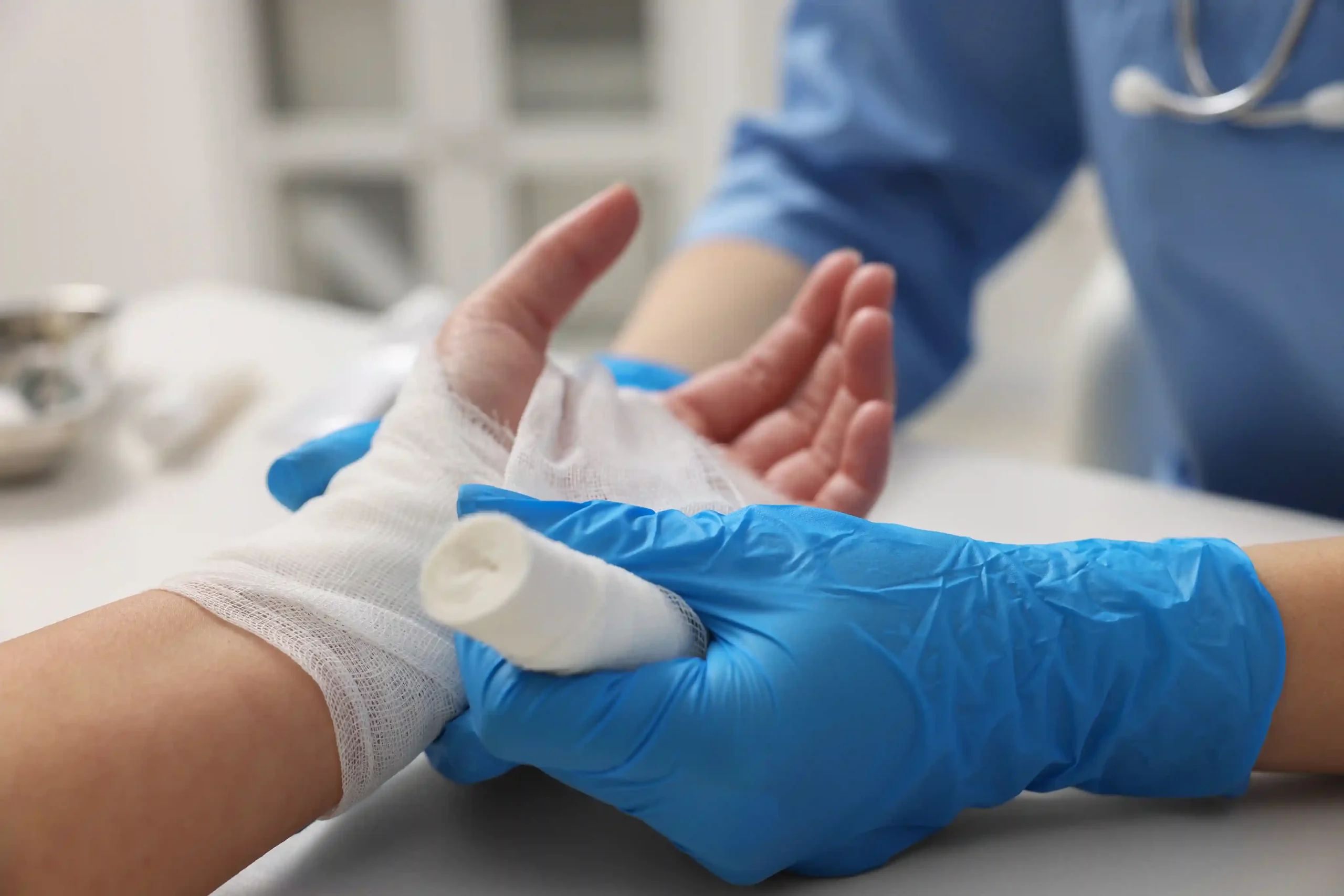
Recovering from pain, injury, or mobility issues can already feel overwhelming. For many people, the added stress of travelling to a clinic, waiting for appointments, and managing tight schedules makes the process even harder. This is where physiotherapy at home is changing the experience, offering a more comfortable and practical way to heal.
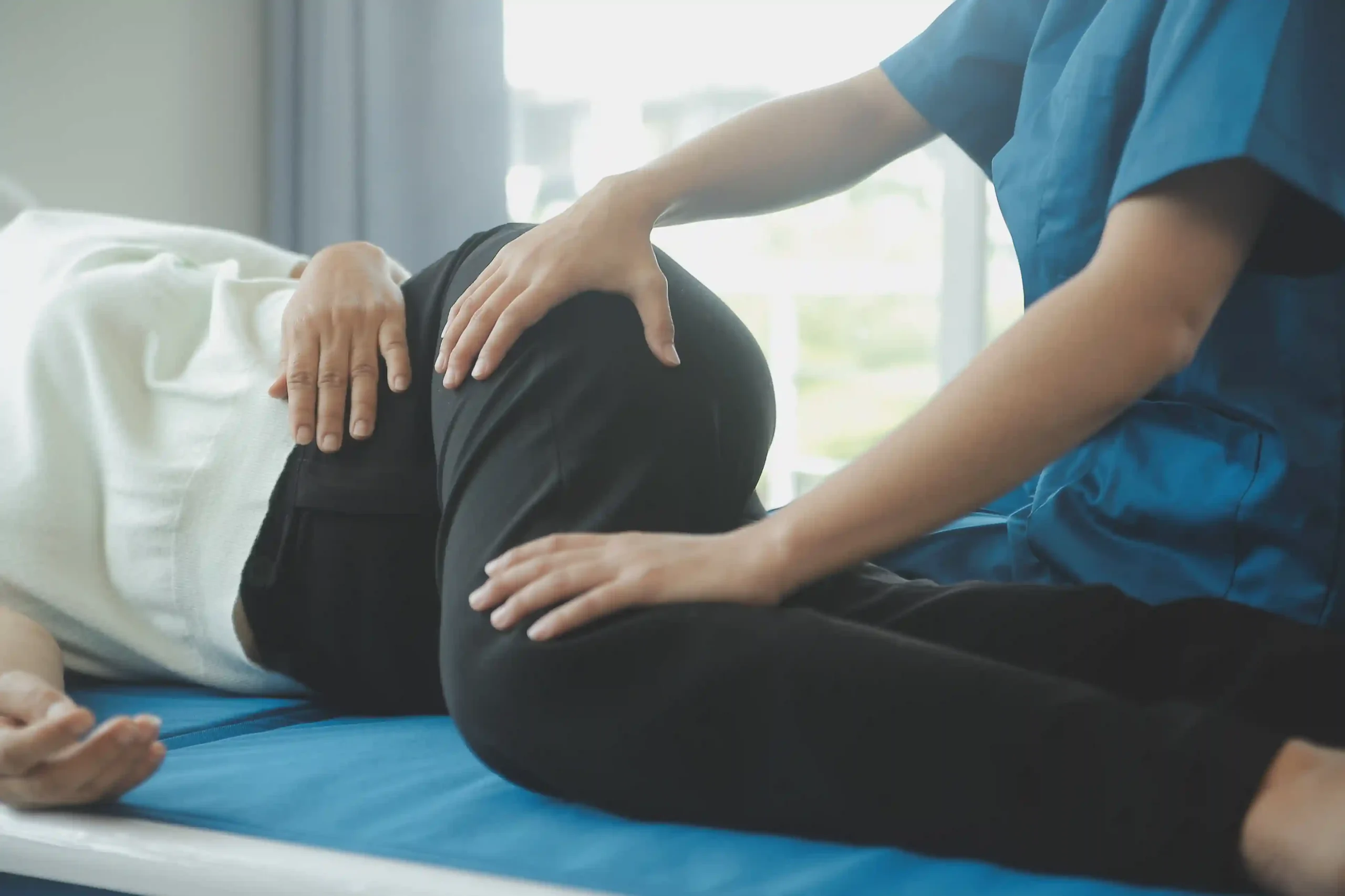
Home physiotherapy allows patients to receive professional treatment in a familiar environment, without compromising on quality or outcomes. Whether it is for post surgery recovery, elderly care, or managing long term conditions, this approach is gaining attention across Malaysia for good reason.
With the rise of trusted home healthcare providers such as those featured on TrueCare2U’s healthcare providers network, more families are discovering how home based physiotherapy can fit seamlessly into daily life while still delivering effective results.
Receiving treatment in a known environment can make a significant difference to both physical and emotional recovery. Physiotherapy at home removes many external stressors that can affect progress, especially for patients who already feel vulnerable.
Being at home allows patients to relax more fully during sessions, which often leads to better cooperation and improved outcomes. The absence of travel also reduces fatigue, making each session more productive.
Stress plays a larger role in physical recovery than many people realise. Travelling through traffic, navigating unfamiliar buildings, or worrying about punctuality can heighten anxiety levels.
Physiotherapy at home helps reduce these pressures by offering care in a calm, private setting. This can be especially beneficial for elderly patients, individuals with neurological conditions, or those recovering from surgery who may feel uncomfortable in clinical environments.
Patients often feel more confident asking questions and engaging openly with therapists when sessions take place in their own living space, which supports better communication and trust.
Home based physiotherapy allows exercises and movements to be tailored to the patient’s actual living conditions. Therapists can observe how patients move around their home, use stairs, sit on sofas, or get in and out of bed.
This practical insight enables therapists to:
By focusing on real life movement rather than ideal clinic setups, physiotherapy becomes more relevant and effective for long term independence.
One of the biggest challenges in rehabilitation is maintaining consistency. Missed appointments and irregular sessions can slow progress and lead to setbacks. Physiotherapy at home addresses many of these issues directly.
Without the need to travel, patients are more likely to stick to their treatment plans. This consistency plays a key role in achieving lasting results.
Busy schedules, family commitments, and work responsibilities often interfere with clinic visits. Home physiotherapy offers greater flexibility, allowing sessions to be scheduled around the patient’s routine.
This convenience reduces the likelihood of cancellations and delays, which is especially helpful for caregivers managing elderly family members. Services arranged through platforms like TrueCare2U’s get started page make it easier to organise regular sessions without logistical stress.
In Malaysia, rehabilitation support is also recognised as an important part of recovery and return to daily function, particularly for work related injuries, as highlighted by the Social Security Organisation (PERKESO), which supports rehabilitation and functional recovery for insured employees.
Over time, consistent treatment supports steady progress and helps prevent regression in mobility or strength.
Unlike busy clinics where therapists may juggle multiple patients, physiotherapy at home typically offers one to one attention throughout the session. This allows therapists to monitor progress closely and adjust treatment plans as needed.
Patients benefit from:
This personalised approach helps patients stay motivated and engaged, which is essential for long term recovery.
Home physiotherapy is not limited to a specific age group or condition. It supports a wide range of individuals who require personalised, accessible care without the challenges of clinic visits.
Understanding who benefits most helps families make informed decisions about treatment options.
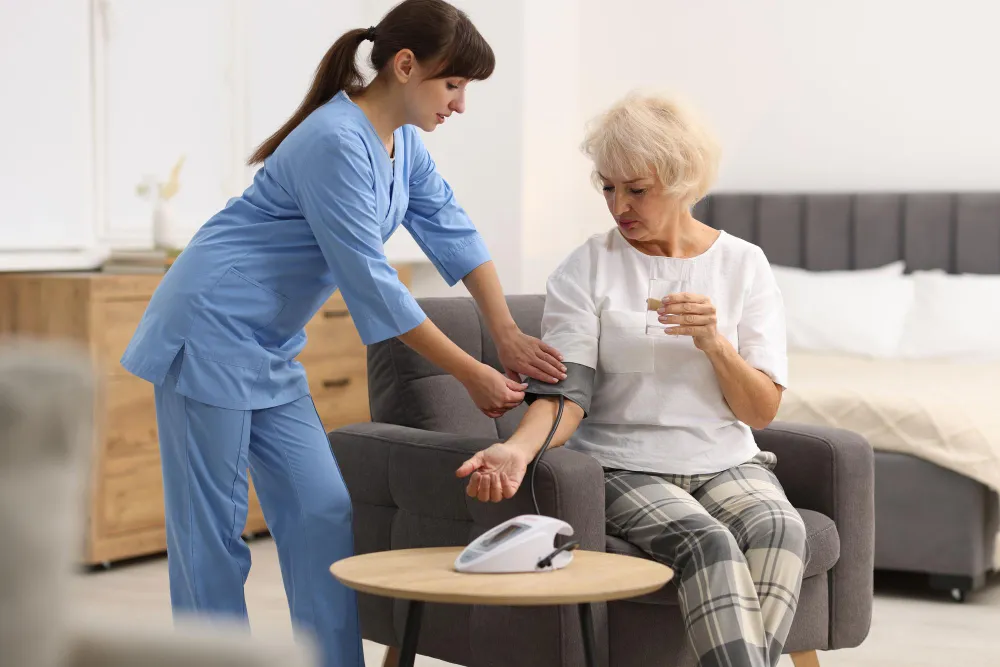
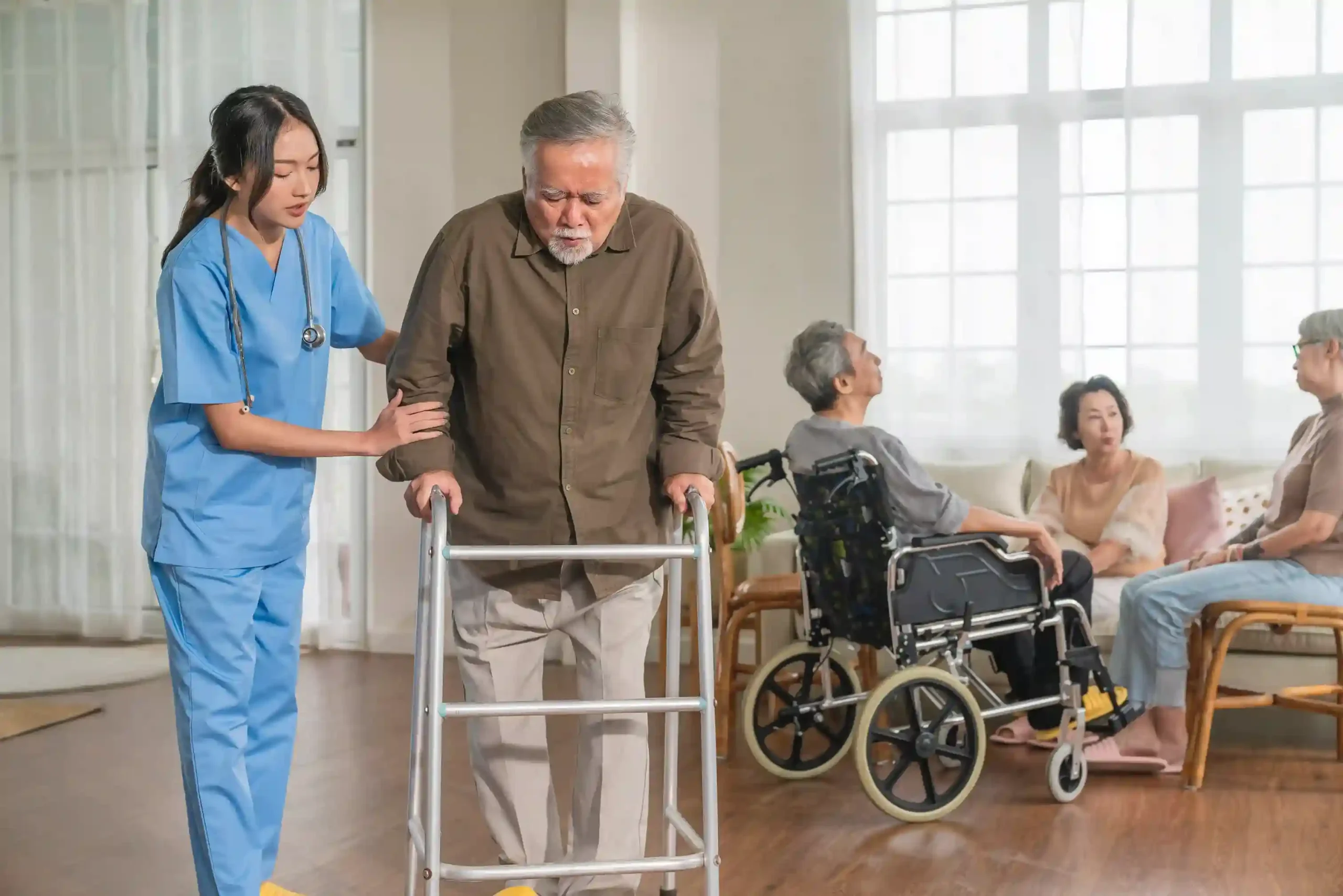
Older adults often face difficulties with transportation, balance, and endurance. This allows them to receive professional care without unnecessary strain.
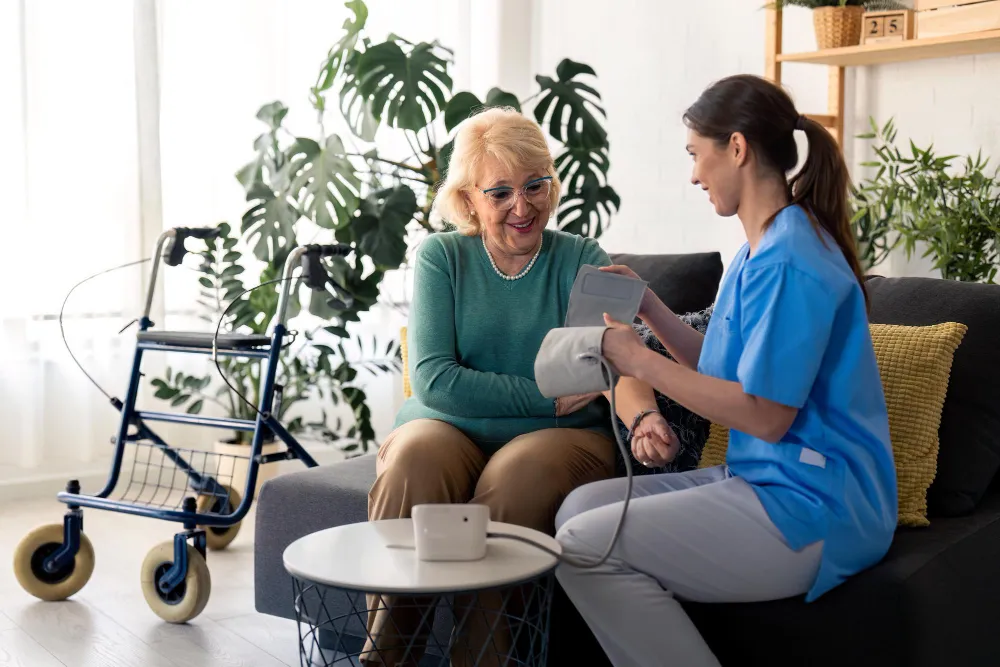
Therapists can focus on improving balance, strength, and mobility while also advising caregivers on safe movement techniques. This approach supports ageing in place and helps seniors maintain independence for as long as possible.
Families seeking more information about home healthcare options often explore resources like the TrueCare2U help center to understand available services and support.
Patients recovering from surgeries such as joint replacements or managing chronic conditions like stroke, arthritis, or Parkinson’s disease often require ongoing physiotherapy.
Physiotherapy at home ensures continuity of care during critical recovery phases. Treatment can begin sooner after discharge, reducing the risk of complications caused by inactivity or improper movement.
Therapists can also monitor the home environment and recommend adjustments that support healing and prevent re injury.
While convenience is important, the quality of care remains the top priority. Home physiotherapy is most effective when delivered by trained and certified professionals who follow structured treatment plans.
Choosing reliable providers ensures safety, accountability, and measurable progress.
Professional home physiotherapy providers follow clinical guidelines similar to those used in hospitals and rehabilitation centres. Treatments are based on proper assessments, goal setting, and regular progress reviews.
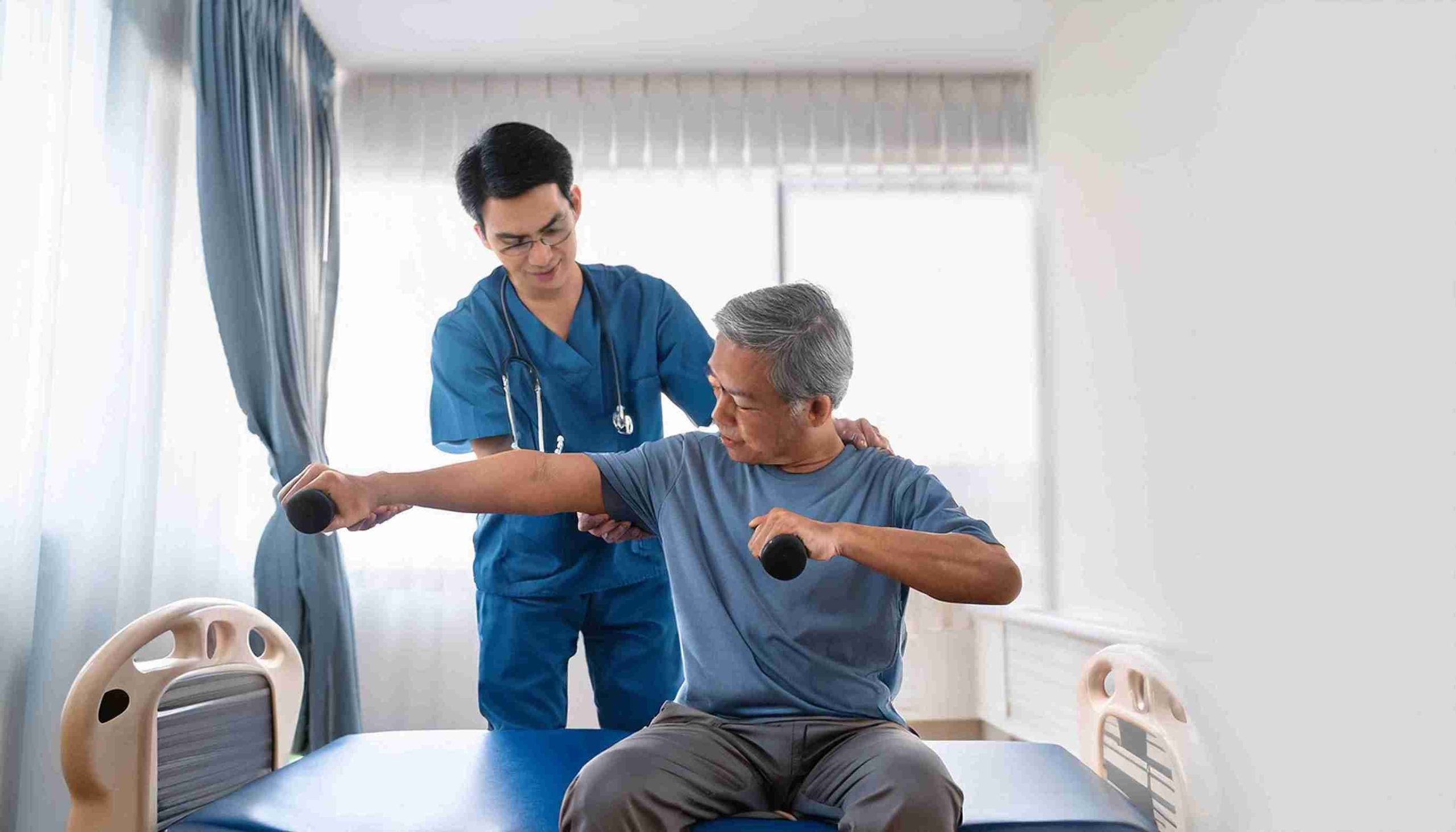
Patients can expect structured sessions that include strength training, mobility exercises, pain management techniques, and functional movement practice. This ensures that physiotherapy at home is not a compromise, but a legitimate and effective form of rehabilitation. To stay updated on the latest trends in care, reading highlights in the industry can be beneficial.
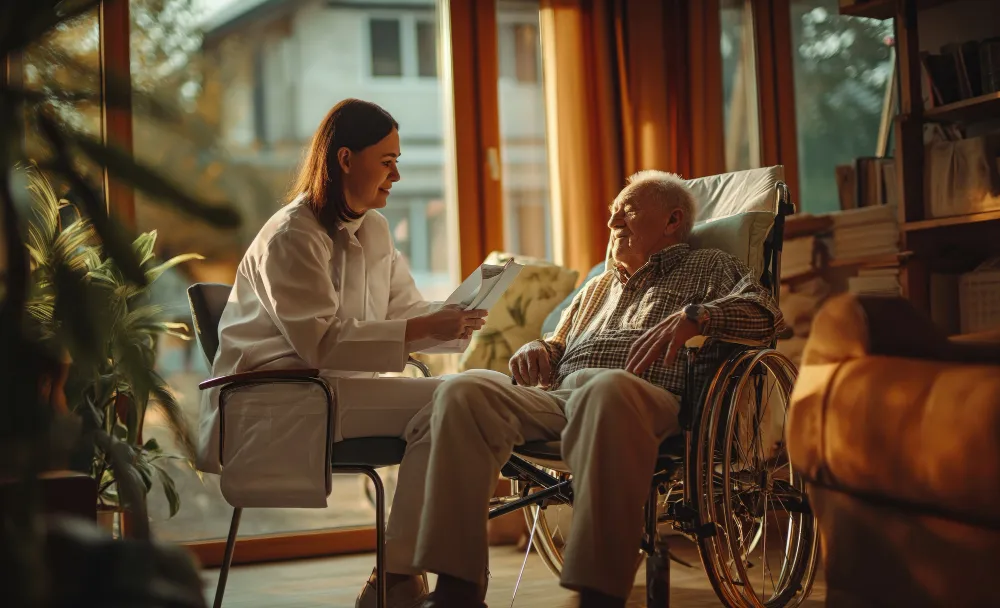
Having therapy sessions at home allows family members to observe and participate in the recovery process. Caregivers can learn how to assist safely with exercises and daily activities, reducing the risk of injury.
Trusted platforms like TrueCare2U’s about page highlight the importance of professional standards and patient centred care in home healthcare services. This transparency helps families feel more confident in their choices.
Physiotherapy at home is reshaping how people approach recovery by combining professional care with comfort and convenience. By removing travel barriers and focusing on personalised treatment, it supports better consistency, engagement, and long term outcomes.
As more individuals experience the benefits of receiving care in familiar surroundings, home physiotherapy continues to gain recognition as a practical and effective solution for rehabilitation and mobility support.
For those considering home based care, exploring trusted service options through platforms like TrueCare2U’s contact page can be a helpful first step in understanding how physiotherapy fits into personal recovery goals.




























































































 Call Us
Spread the love, follow us on our social media channels