

Follow us:


Getting medical care should not always feel rushed, stressful, or physically exhausting. For many people, leaving the house when unwell can be more challenging than the illness itself. This is where a doctor becomes a practical and comforting option, especially for families, elderly patients, or individuals recovering at home.
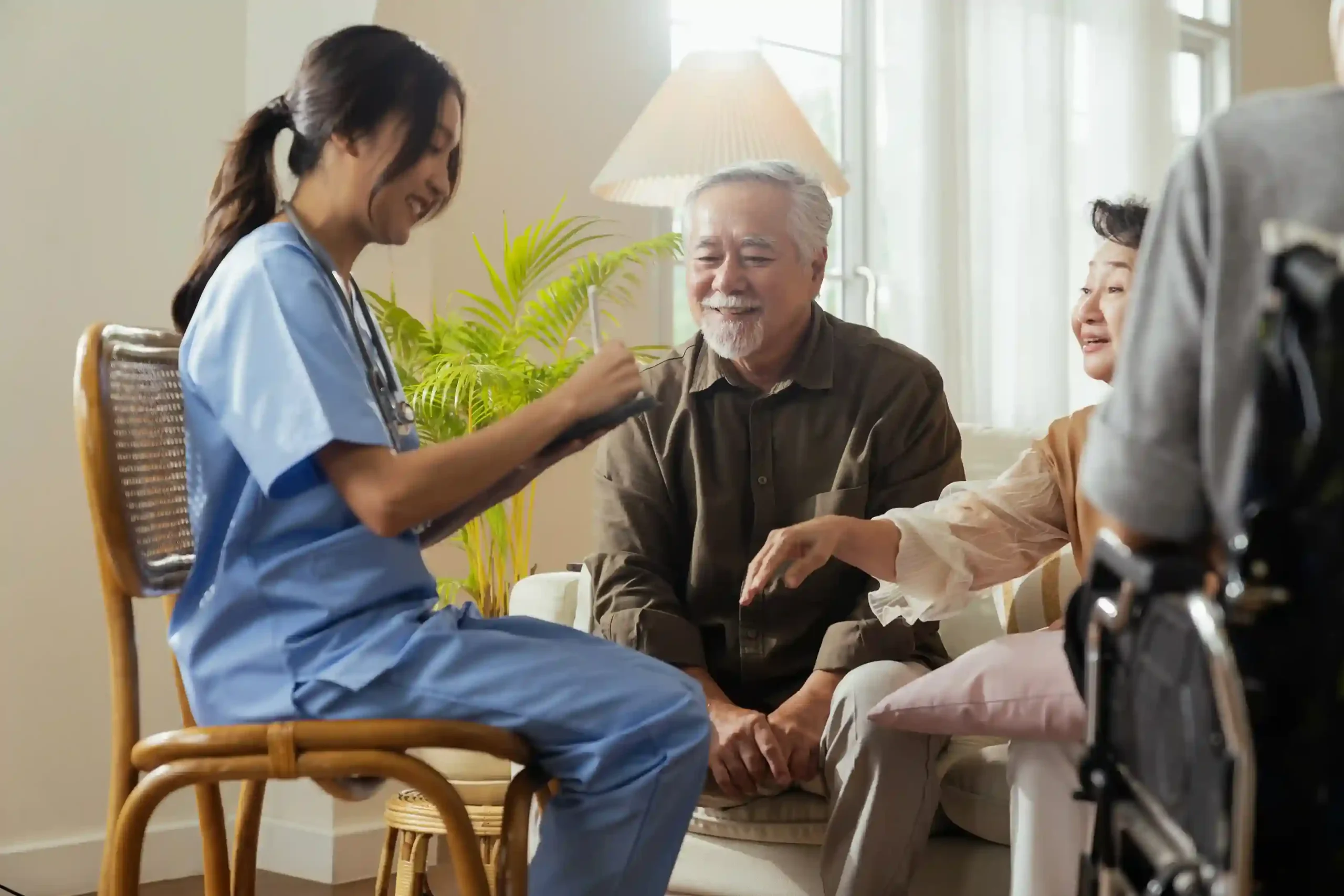
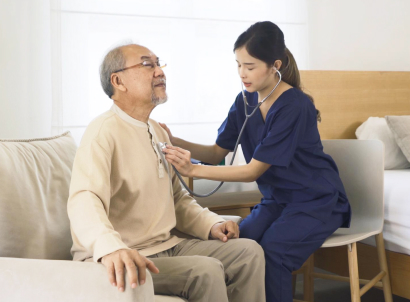
A home visit doctor provides professional medical attention directly at your doorstep, allowing patients to receive care in a familiar and relaxed environment. This approach not only reduces exposure to crowded clinics but also offers personalised attention tailored to the patient’s daily surroundings.
Services such as those offered by TrueCare2U have made home based healthcare more accessible in Malaysia, supporting patients who need timely care without unnecessary travel.
Choosing a doctor often depends on comfort, safety, and medical necessity. This option is not limited to emergencies but also suits many everyday health concerns that still require professional evaluation.
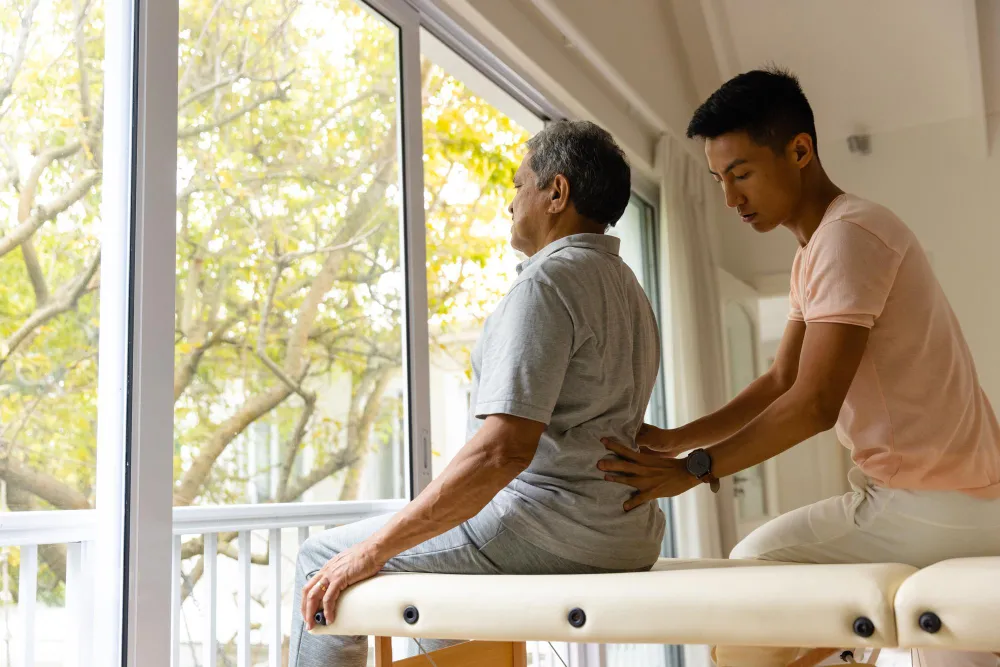
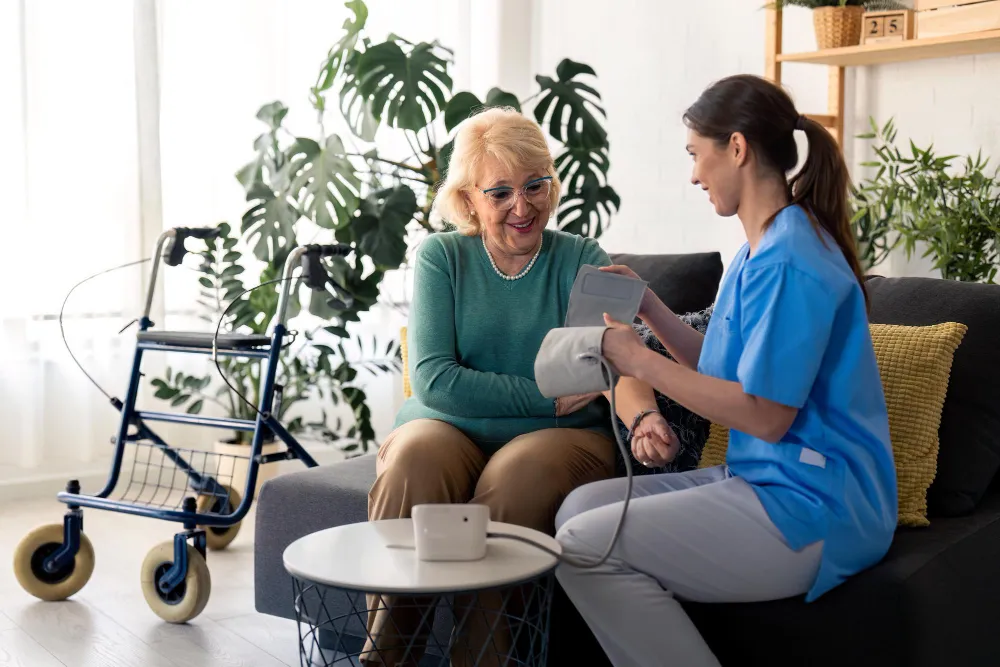
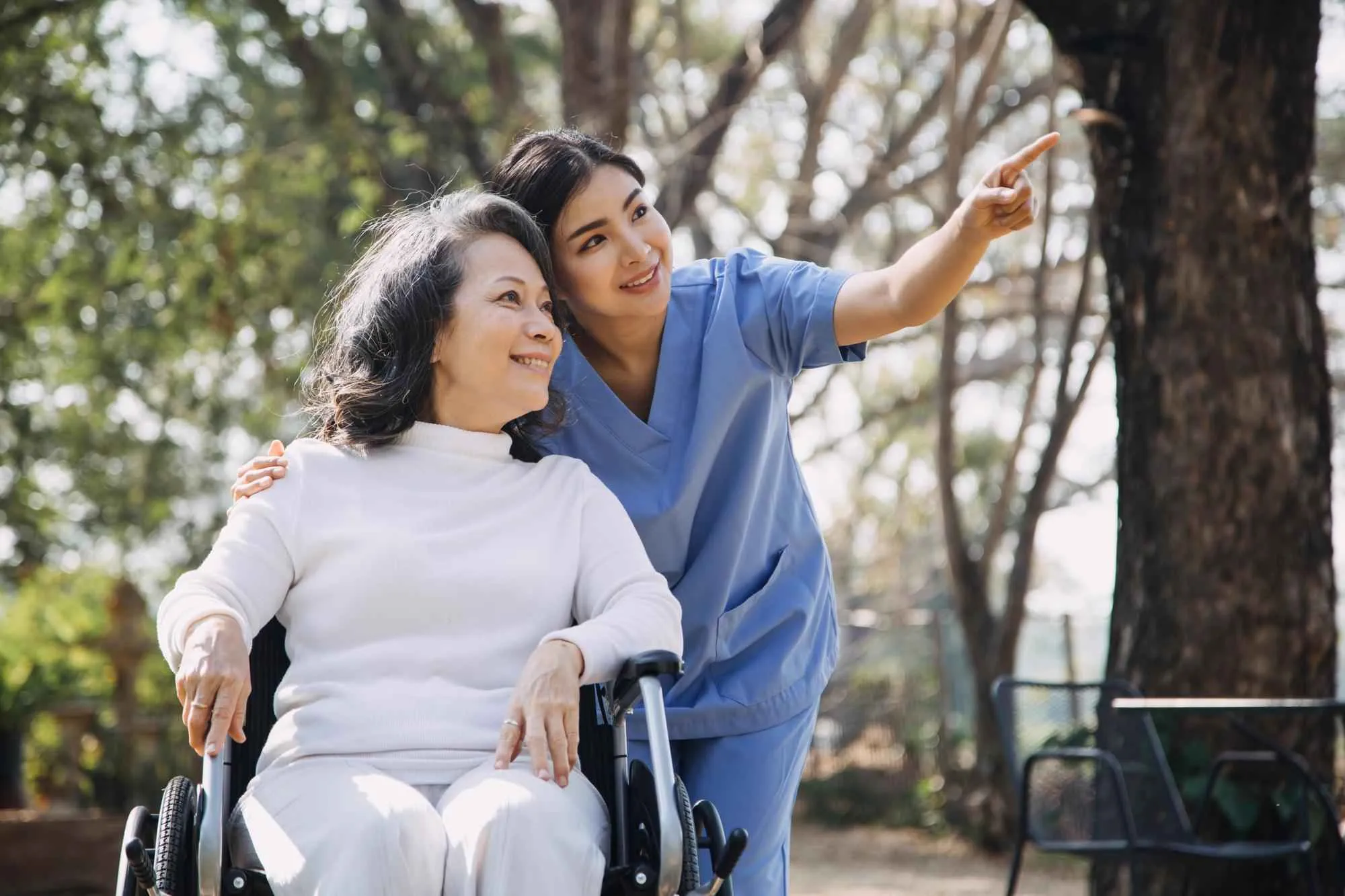
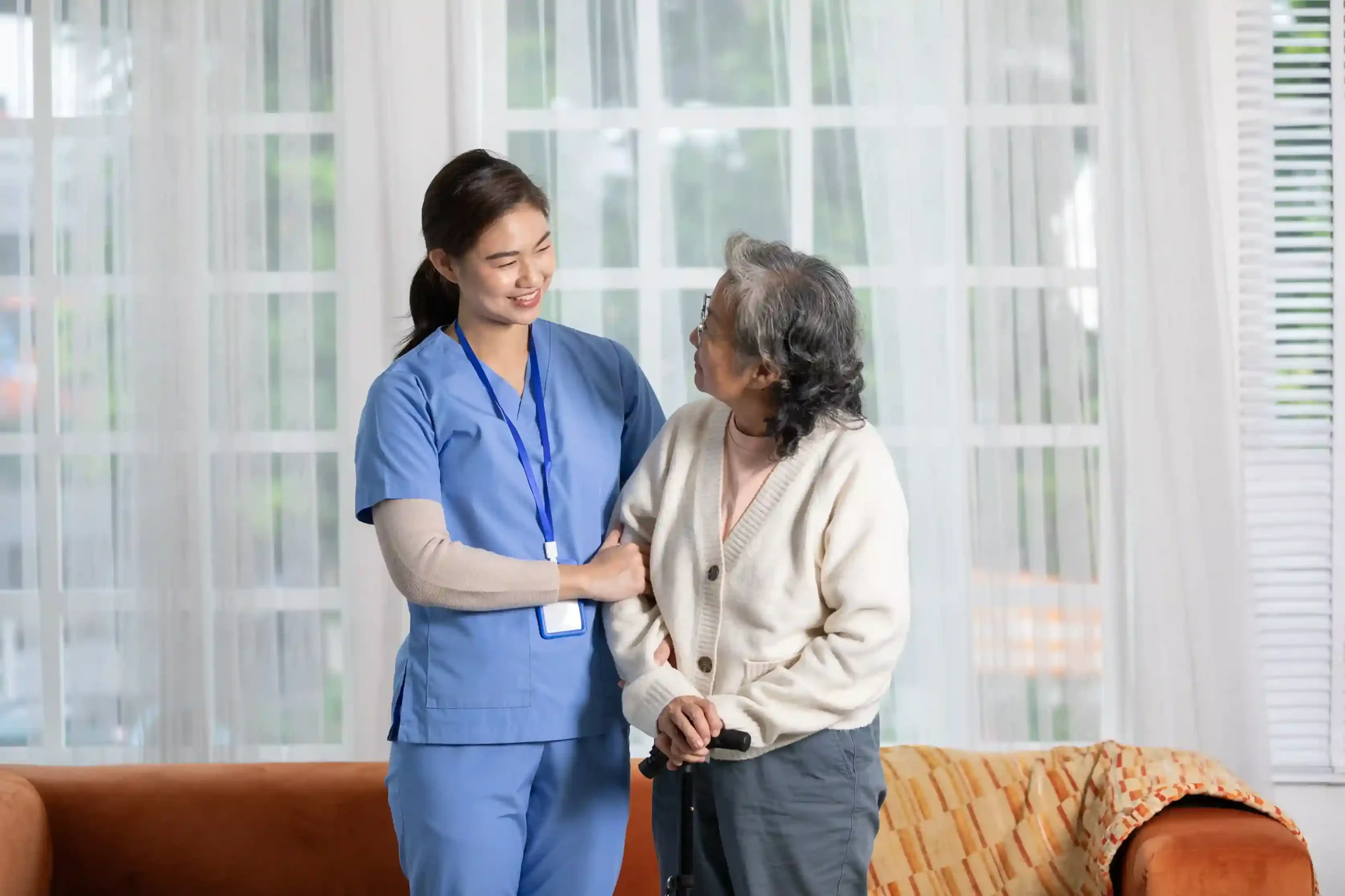
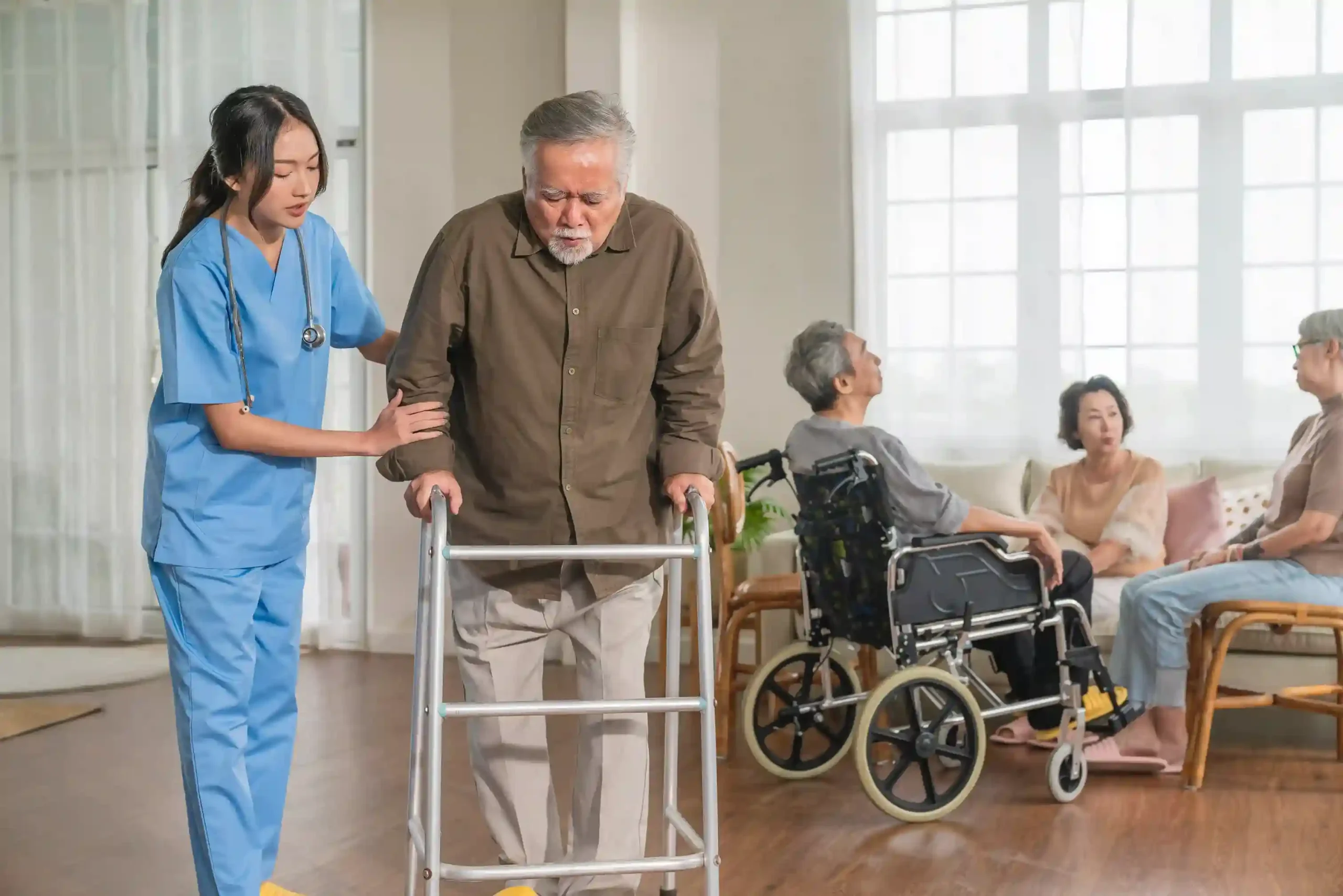
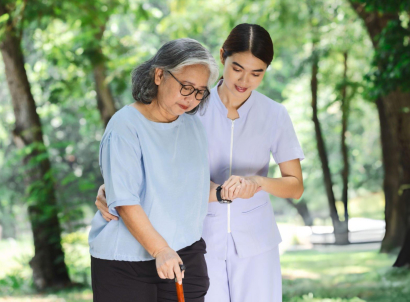
A home visit doctor can be especially helpful when mobility is limited or when symptoms make travel uncomfortable. By bringing care to the patient, doctors can observe real living conditions, which may provide valuable context for treatment decisions.
Many families turn to a home visit doctor during moments when clinic visits feel overwhelming or impractical. These situations often involve vulnerable patients who benefit from familiar surroundings.
These scenarios highlight how home visits prioritise patient comfort while still ensuring proper medical oversight.
While clinics offer structured facilities, home visits bring flexibility and personalised care. A doctor typically spends more time with each patient, allowing for detailed assessments without the pressure of waiting rooms.
In contrast, clinics may be more suitable for procedures requiring specialised equipment. Understanding these differences helps patients choose the right care setting based on their condition and needs.
Many people assume that a home visit doctor can only provide basic care, but the scope is often broader than expected. Doctors conducting home visits are trained to handle a wide range of non emergency medical conditions safely.
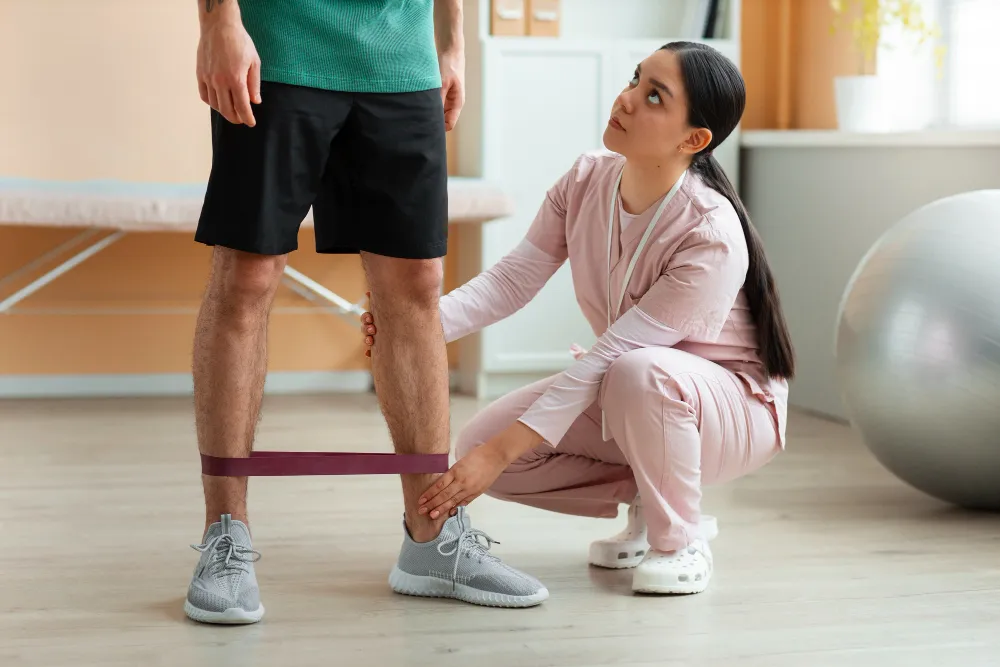
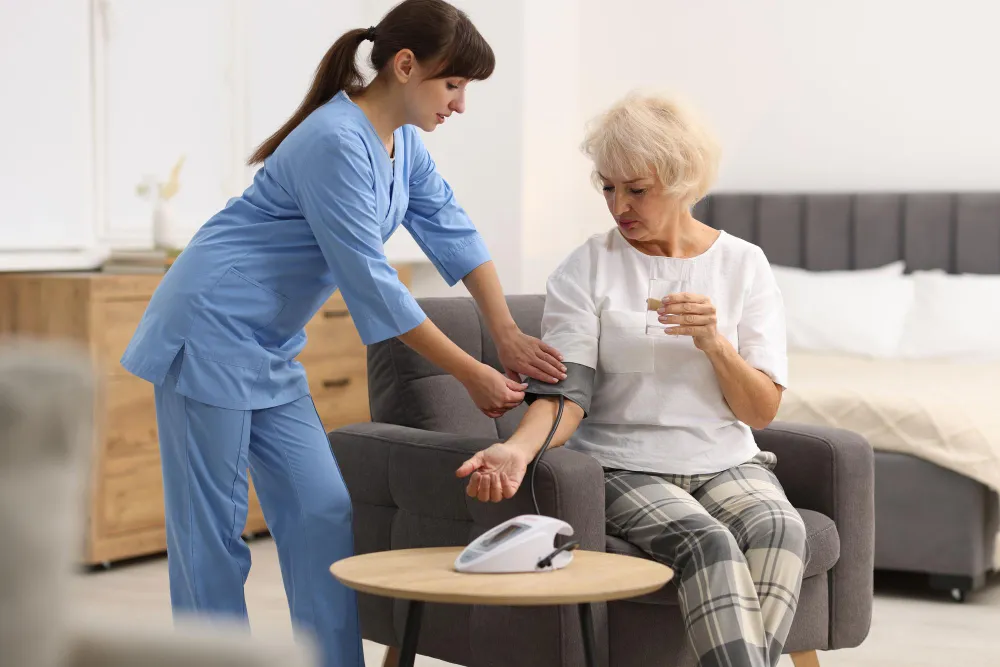
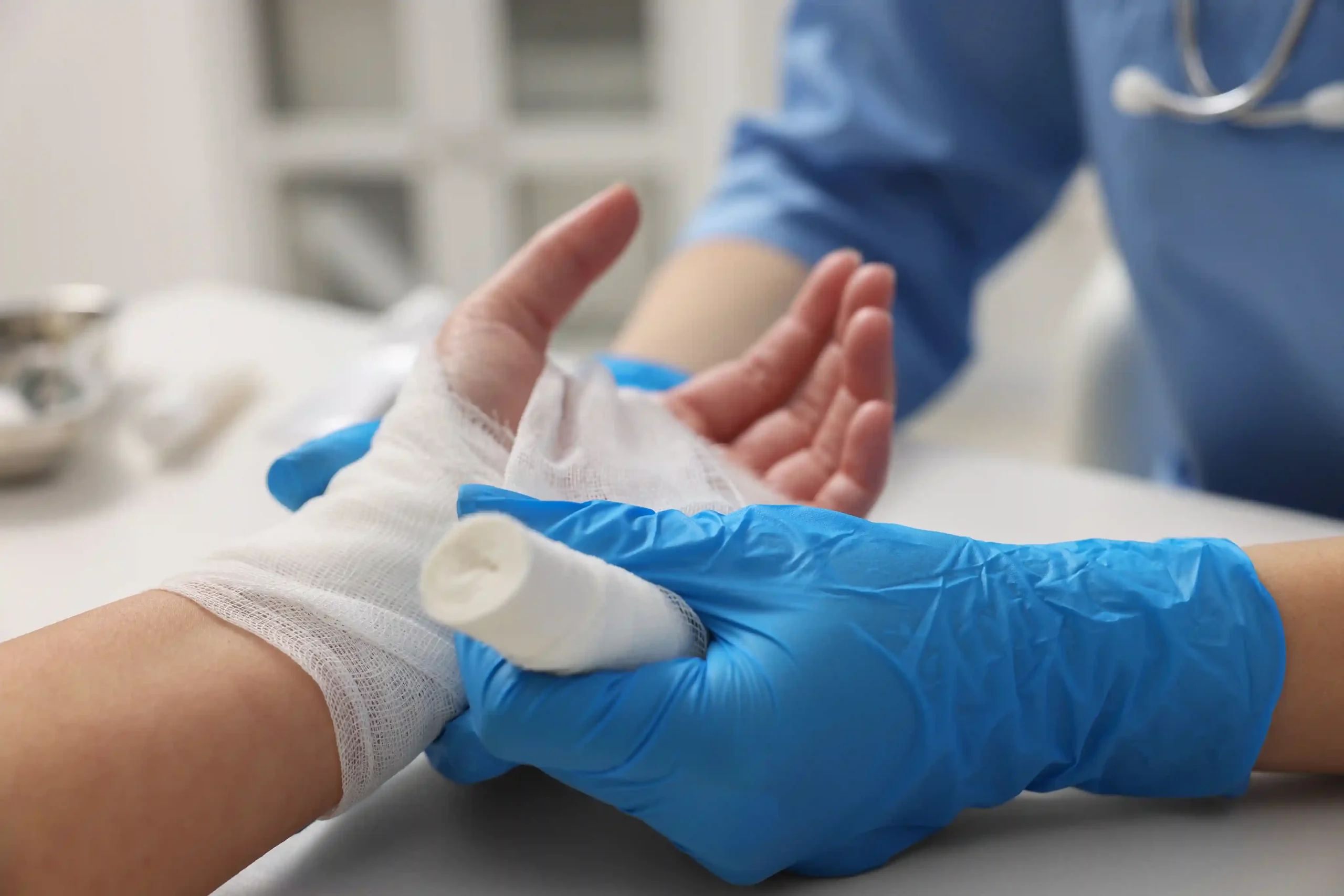
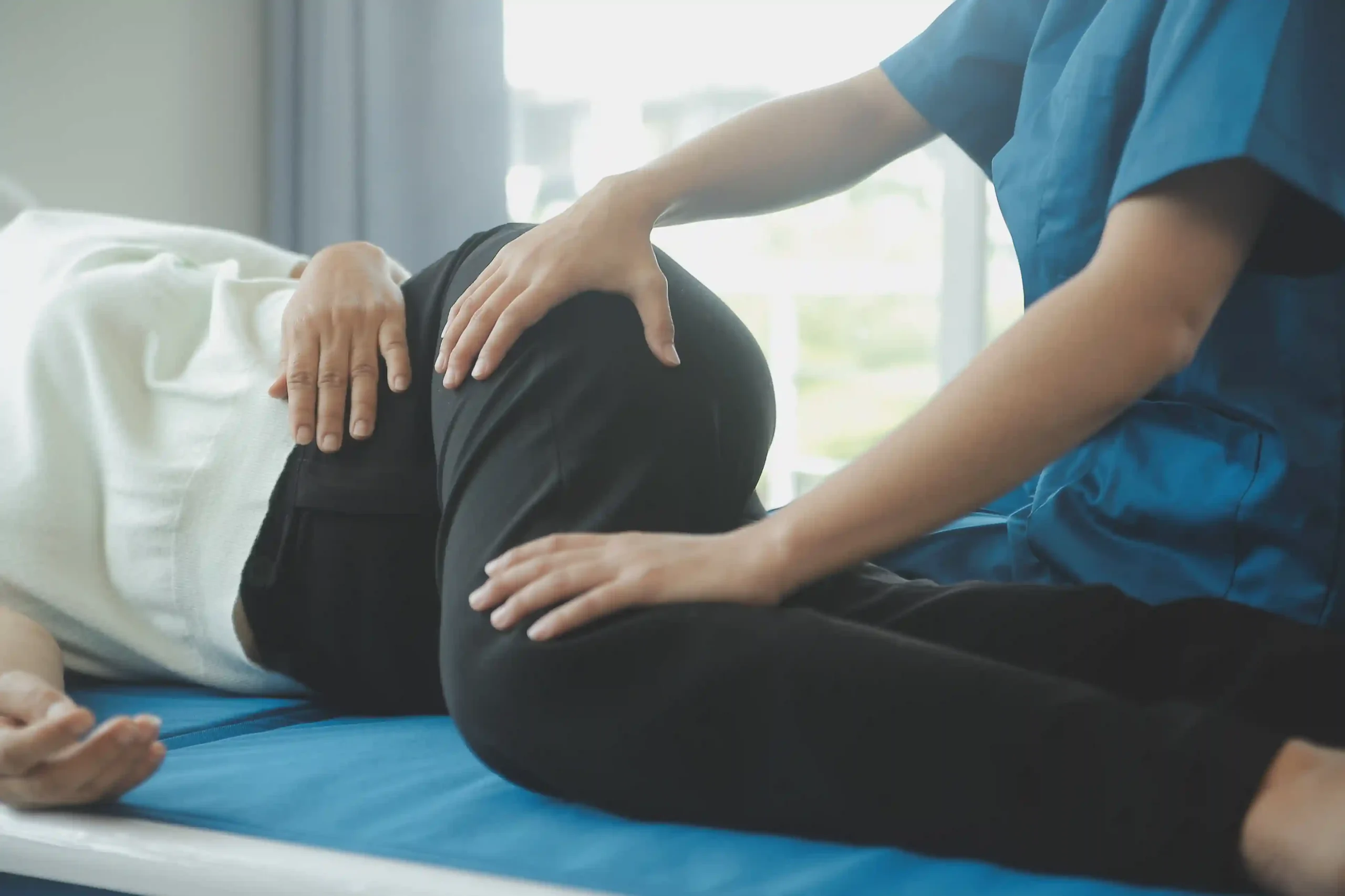
During a home visit, doctors can perform physical examinations, review symptoms, prescribe medication, and provide follow up advice. The goal is to deliver quality care comparable to clinic visits whenever possible.
Doctors can address many everyday health issues effectively without the need for hospital equipment.
These treatments are delivered with the same clinical standards while offering greater patient convenience.
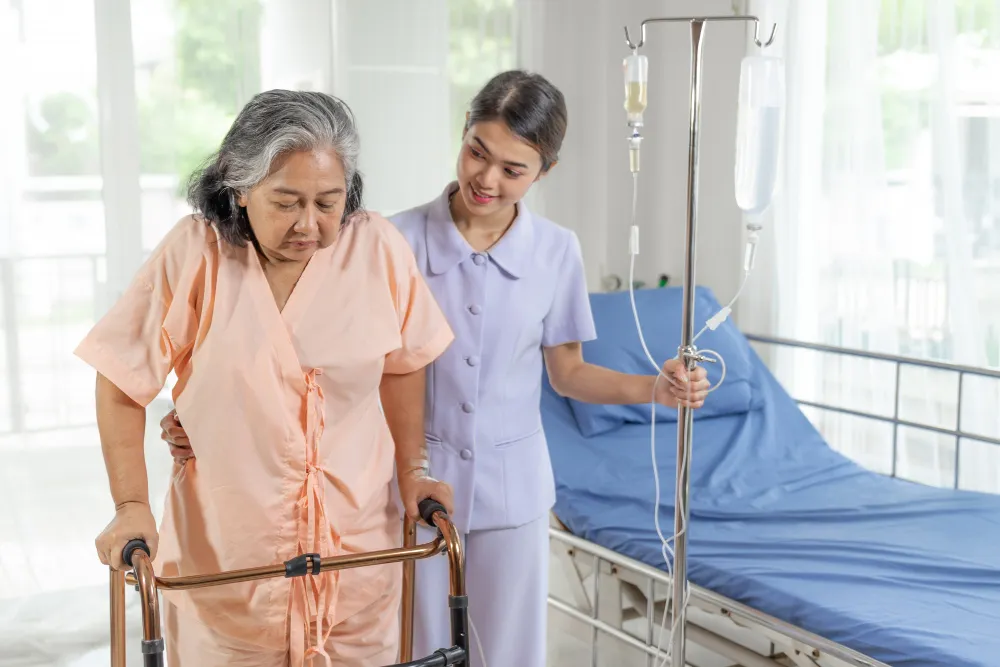
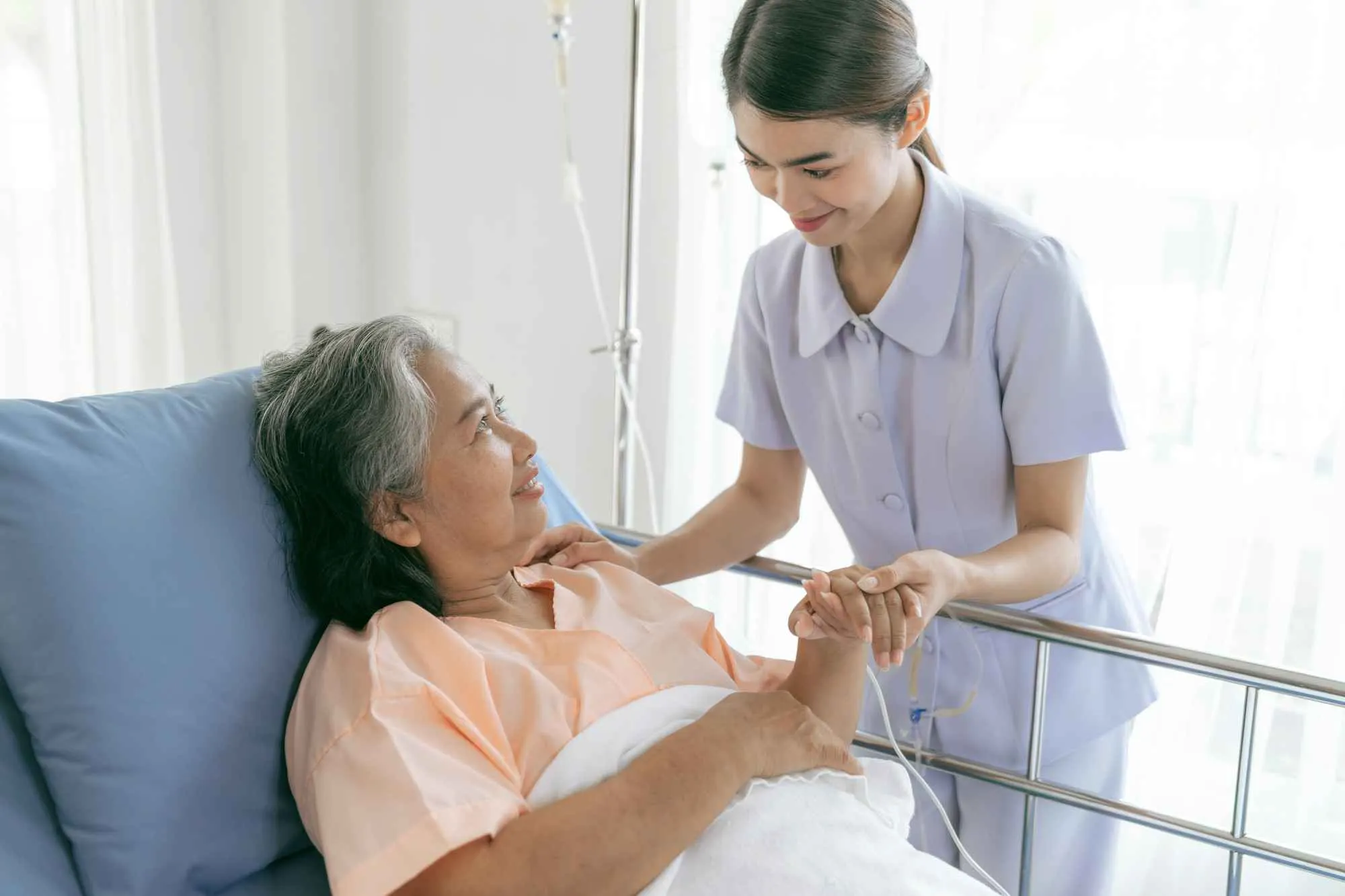
While home visits cover many needs, certain conditions still require hospital care. Severe chest pain, major trauma, or symptoms of stroke should be treated immediately at emergency facilities.
A responsible doctor will assess symptoms carefully and recommend escalation to hospital care when necessary, ensuring patient safety remains the priority.
Preparation plays a key role in making a home visit doctor appointment smooth and effective. Being organised helps the doctor focus on diagnosis and treatment rather than administrative details.
Before the visit, it helps to gather relevant medical information and ensure the environment allows for a comfortable examination. This preparation saves time and enhances the quality of care.
Having accurate information ready allows the home visit doctor to understand the patient’s health background quickly.
Clear information supports faster diagnosis and more precise treatment decisions.
The setting for a home visit does not need to feel clinical, but it should allow basic assessment. A quiet room with good lighting and seating helps the doctor perform examinations efficiently.
Simple steps such as keeping pets away temporarily and ensuring privacy can make the visit more comfortable for both patient and doctor.
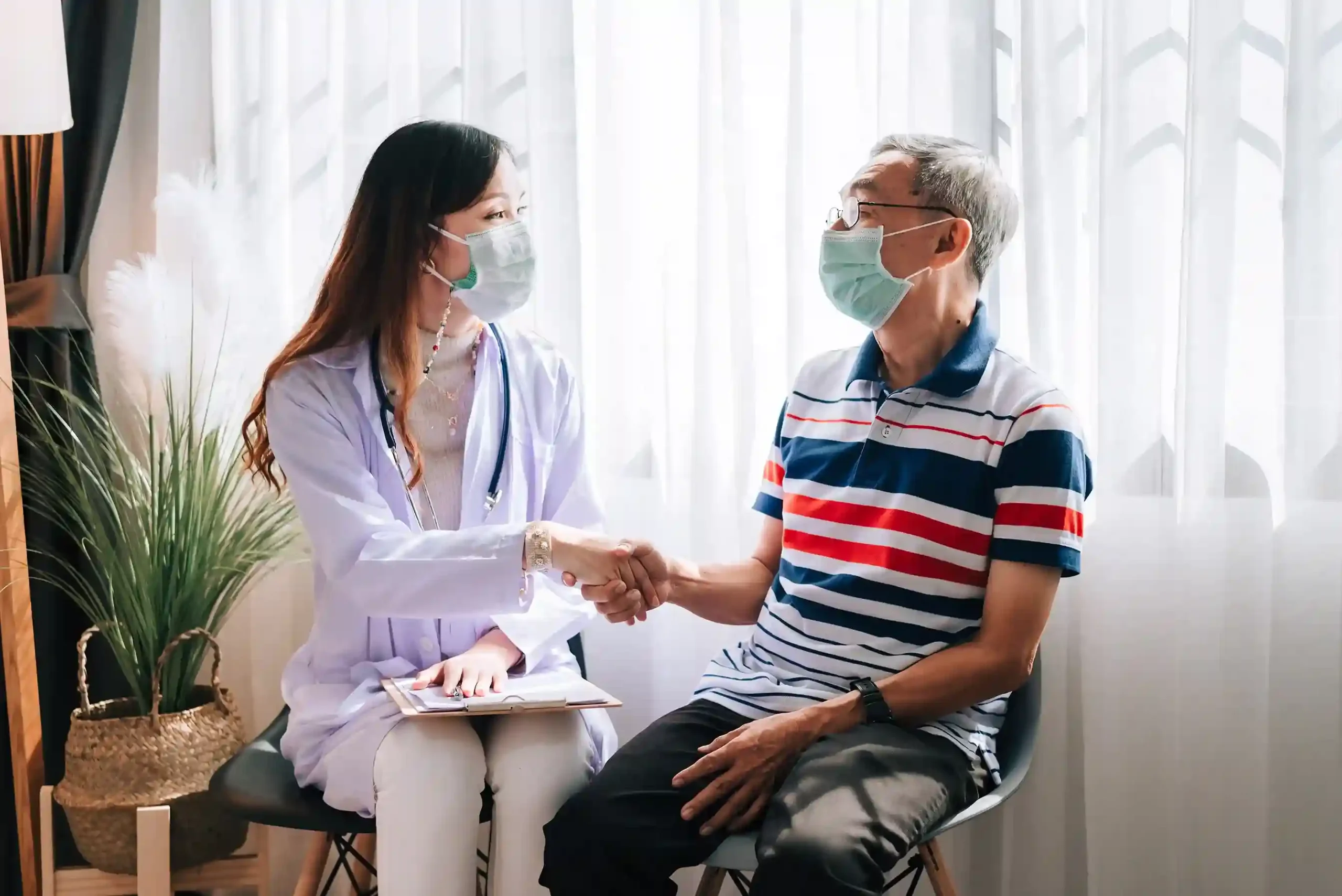
Understanding what happens during a home visit appointment can ease anxiety, especially for first time users. The process is designed to mirror a clinic consultation while adapting to the home setting.
Doctors arrive with essential medical tools and follow professional protocols throughout the visit. The focus remains on thorough assessment and patient education.
A home visit doctor usually follows a structured approach during the session.
This flow ensures patients receive clarity and reassurance before the visit concludes.
After the visit, patients may receive digital prescriptions or care instructions. Some services also provide access to ongoing support or guidance through their help resources, such as the TrueCare2U Help Center, which assists patients with post visit questions.
For broader public health guidance on when home care is suitable, resources from the Ministry of Health Malaysia also provide useful insights on managing common illnesses safely at home.
Here are common questions about home visit doctor services that many patients often ask before booking an appointment.
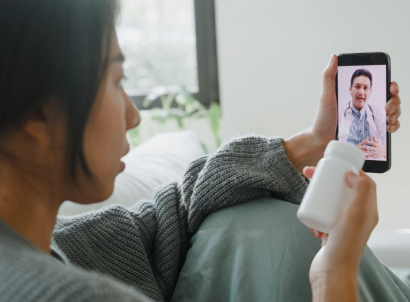
They are a licensed medical professional who provides consultations and treatment at a patient’s home. The service works by scheduling a visit, during which the doctor assesses symptoms, performs examinations, and offers treatment similar to a clinic setting.
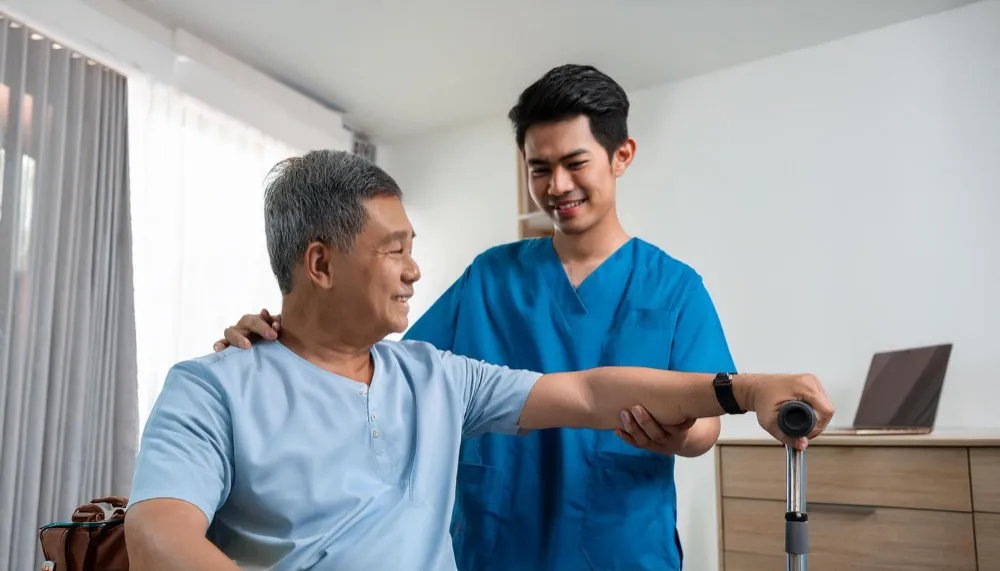
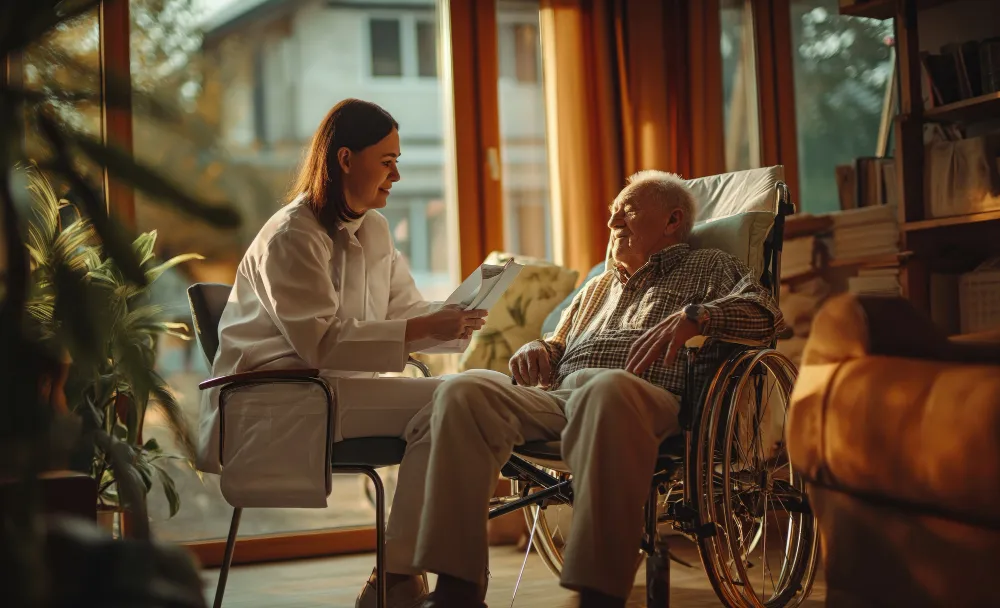
Yes, home visit doctors are particularly suitable for elderly patients who have mobility challenges or chronic conditions. Receiving care at home reduces physical strain and allows doctors to assess living conditions that may affect health.
Most appointments last between 30 to 60 minutes. The duration depends on the complexity of the condition and the level of assessment required.
Receiving treatment from a qualified doctor is generally safe for non emergency conditions. Doctors follow clinical guidelines and will advise hospital care if a condition requires advanced treatment.
Yes, doctors can prescribe medication when appropriate. Prescriptions are usually provided digitally or in written form, depending on the service provider.
A home visit doctor offers a thoughtful alternative to traditional clinic visits, especially for those who value comfort, safety, and personalised care. By receiving treatment at home, patients can focus on recovery without the added stress of travel or waiting rooms.
This approach is increasingly relevant in today’s healthcare landscape, supporting families, elderly individuals, and anyone who prefers medical care delivered with greater flexibility. Understanding when to choose a home visit and how to prepare ensures the experience is both effective and reassuring.
For those considering this option, exploring services and booking options through the contact page can be a practical next step toward convenient and professional home based medical care.











































































 Call Us
Spread the love, follow us on our social media channels