

Follow us:


Choosing the right elderly care for your loved ones is one of the most important decisions you’ll ever make. As our parents and grandparents age, their needs evolve, requiring thoughtful consideration of care options that balance independence, safety, and quality of life. Understanding the various elderly care solutions available can help families make informed choices that honour their loved ones’ dignity while ensuring they receive the support they need.
The landscape of elderly care has transformed significantly in recent years, offering families more flexibility than ever before. From in-home assistance to residential facilities, each option comes with its own benefits and considerations. Whether you’re just beginning to explore care solutions or need to reassess current arrangements, knowing what’s available empowers you to make the best decision for your family’s unique circumstances.
Making this choice involves more than just comparing services. It requires understanding your loved one’s medical needs, personality, and preferences. To explore professional support options tailored to your needs, visit our homepage to discover comprehensive care solutions designed with families in mind.
Elderly care encompasses a wide range of services designed to support older adults. In Malaysia, the Ministry of Health (MOH) emphasizes the importance of integrated care to manage the health of an ageing population. The right choice depends on your loved one’s health status, mobility, and cognitive function.
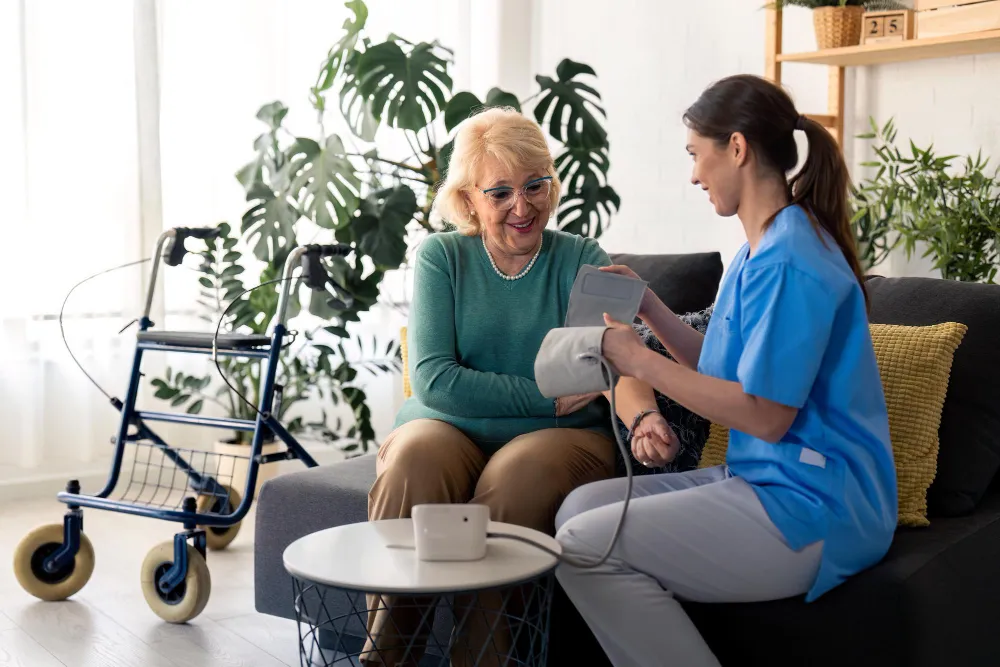
Home care allows elderly individuals to remain in familiar surroundings whilst receiving professional assistance. This option works particularly well for those who value independence but need help with daily activities like bathing, meal preparation, or medication management. Many families find that home care provides the perfect balance between autonomy and support.
Professional caregivers can visit for a few hours daily or provide round-the-clock assistance. This flexibility makes home care adaptable. Families often appreciate that their loved ones can maintain their routines and stay connected to their community whilst receiving quality care from healthcare providers who understand their unique needs.
Assisted living facilities offer a middle ground between independent living and full-time nursing care. Residents typically have private apartments whilst benefiting from communal dining and social activities. This elderly care option suits individuals who need some assistance but don’t require constant medical supervision. These communities foster social engagement, which is crucial for mental health in older adults.
For individuals with significant medical needs or advanced cognitive decline, nursing homes provide comprehensive care. These facilities employ registered nurses and medical staff who can manage complex health conditions and provide rehabilitation services. Nursing homes represent the most intensive level of elderly care available. While this involves a lifestyle change, it ensures constant medical attention in a safe environment.
Selecting appropriate elderly care requires careful evaluation. Every family’s situation is unique, and taking time to assess these considerations thoroughly leads to better outcomes.
Begin by honestly evaluating your loved one’s current and anticipated needs. Consider their ability to perform daily activities (ADLs) such as dressing and bathing. Medical conditions like diabetes, heart disease, or dementia will significantly influence which elderly care option is most appropriate. Consulting with their doctor can provide valuable insight into the level of care required. For more resources on assessing health needs, visit our Help Center.
The location of care services matters tremendously for maintaining family connections. Whether considering home care or a residential facility, proximity allows for regular visits. According to the [suspicious link removed], registered care centres in Malaysia must adhere to specific safety and accessibility standards to protect the welfare of the elderly.
Elderly care represents a significant financial commitment. Home care costs accumulate based on hours of service, whilst residential facilities typically charge monthly fees. Explore all potential funding sources, including personal savings and insurance. Creating a realistic budget ensures sustainable care arrangements without depleting resources.
Not all providers maintain the same standards. Research facilities thoroughly by reading reviews and visiting in person. Look for proper licensing and low staff turnover rates. During facility visits, observe staff interactions—do caregivers treat residents with dignity and warmth? Trust your instincts about the atmosphere and culture.
Transitioning to a new care arrangement can be emotionally challenging. However, thoughtful planning can make this transition smoother for everyone involved.
Whenever possible, include elderly family members in care decisions. This respects their autonomy. Discuss options openly, listen to their concerns, and consider their preferences regarding care type and daily routines. Sometimes meeting potential caregivers or visiting facilities together helps reduce anxiety about the unknown.
Whether receiving elderly care at home or moving to a facility, preparing the environment is key. For home care, make necessary safety modifications like adding grab bars or ramps. If moving to a facility, personalise the new space with familiar belongings like photographs or cherished decorations to make it feel more homelike.
Regular family involvement remains crucial regardless of the care setting. Schedule consistent visits or video chats to maintain emotional bonds. Your presence demonstrates continued love and commitment, which can significantly impact an elderly individual’s mental and physical health. For guidance on how to start this process, visit our Get Started page.
1. What is elderly care and how does it work? It refers to services designed to support older adults with daily activities or medical needs. It works by matching individuals with professionals who provide personalised support either at home or in a facility.
2. How much does elderly care typically cost in Malaysia? Costs vary widely. Home care is usually billed hourly, while residential nursing homes in Malaysia can range from RM2,000 to RM8,000 per month depending on the level of clinical care required.
3. How do I know when it’s time to consider professional help? Warning signs include frequent falls, difficulty with personal hygiene, missed medications, or caregiver burnout among family members.
4. Can my loved one receive care while staying at home? Yes, home care services allow seniors to age in place. Professional caregivers can provide medical nursing or general assistance with daily chores while the individual stays in a familiar environment.
5. What qualifications should I look for in a provider? Look for registered nurses (RN) or certified caregivers. Ensure the agency or facility is licensed by the Malaysian Ministry of Health or the Social Welfare Department.
Choosing the right elderly care requires balancing practical considerations with emotional needs. The goal remains the same: ensuring dignity, comfort, and quality of life for those who have cared for us. Remember that care decisions aren’t permanent; as needs change, so too can care arrangements. Staying involved and communicating openly with providers helps ensure your loved one receives the best possible support throughout their journey.
If you’re ready to explore options tailored to your family’s needs, our team is here to guide you. Contact Us today to discuss how we can support your loved ones with compassionate, professional care that honours their independence.












































































































































 Call Us
Spread the love, follow us on our social media channels