

Follow us:


When pain, stiffness or recurring injuries begin to affect daily comfort, finding reliable physiotherapy in Shah Alam becomes a priority. Many residents look for treatments that not only reduce pain but also restore long-term mobility, whetRecovering from an injury can be overwhelming, especially when daily tasks start to feel challenging. Many families turn to home care services for steady support, personalised attention and a sense of comfort that only familiar surroundings can provide. When mobility is limited or consistent assistance is needed, having trained caregivers step in offers peace of mind for both patients and their loved ones.
Home care services are becoming increasingly valued, not just for long term conditions but also for short term recovery. People want reliable guidance at home so they can regain independence without feeling alone through the process. Platforms like TrueCare2U, introduced on their main site at TrueCare2U, help individuals explore suitable care options that match their medical and daily living needs.
This guide explores the role of home care, the types of support available and how these services help individuals progress confidently through recovery.
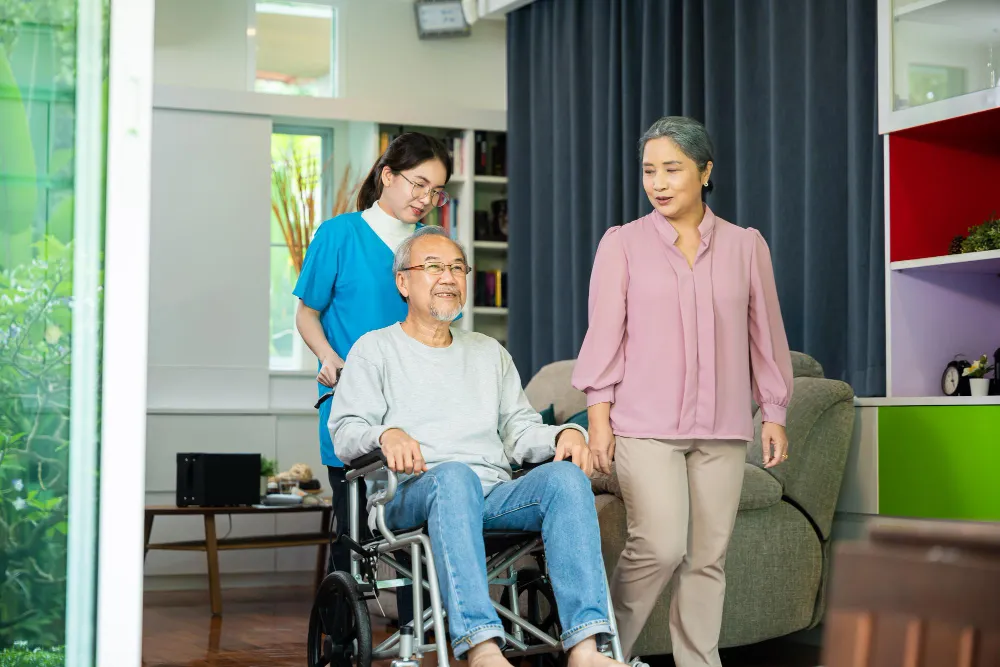
Home care services offer personalised assistance that supports people recovering from injuries, surgeries or mobility related conditions. These services focus on restoring comfort, improving independence and helping individuals continue their daily routines safely at home. With many families seeking practical solutions that ease the burden of caregiving, this type of support has become an essential part of modern healthcare.
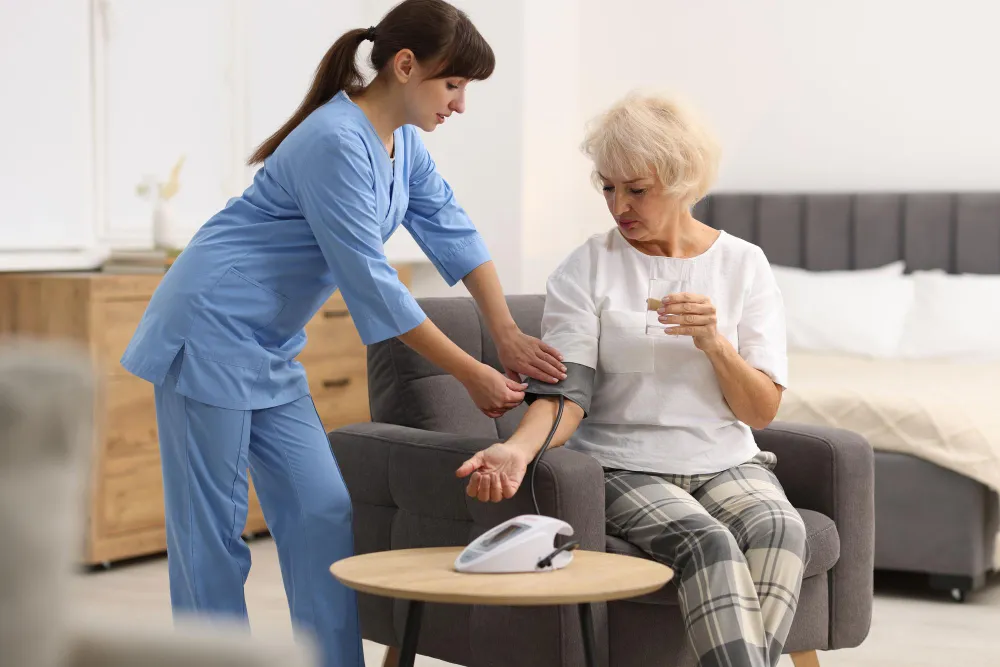
By receiving consistent guidance at home, patients avoid unnecessary strain and can focus purely on healing. Skilled caregivers also monitor changes in mobility or discomfort, ensuring that recovery progresses with proper attention.
Every injury is unique, which means the level of support required varies from person to person. Caregivers often assist with day to day tasks that might feel difficult after an injury, such as dressing, standing, or preparing simple meals. These activities help restore confidence and maintain regular routines.
Common types of assistance include:
This steady support gives patients space to rest while still feeling productive and independent during recovery.
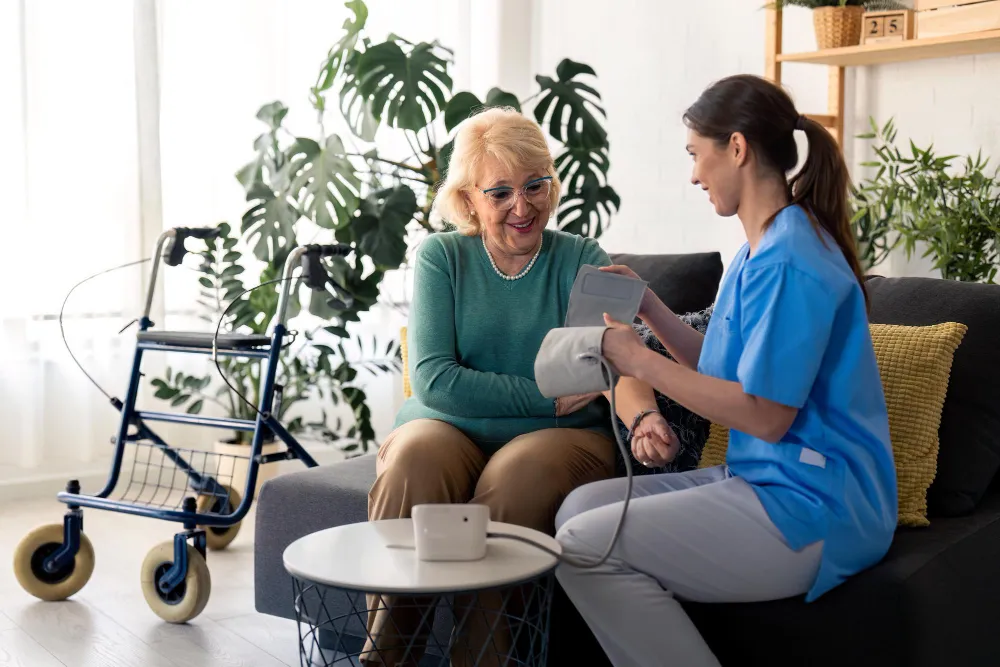
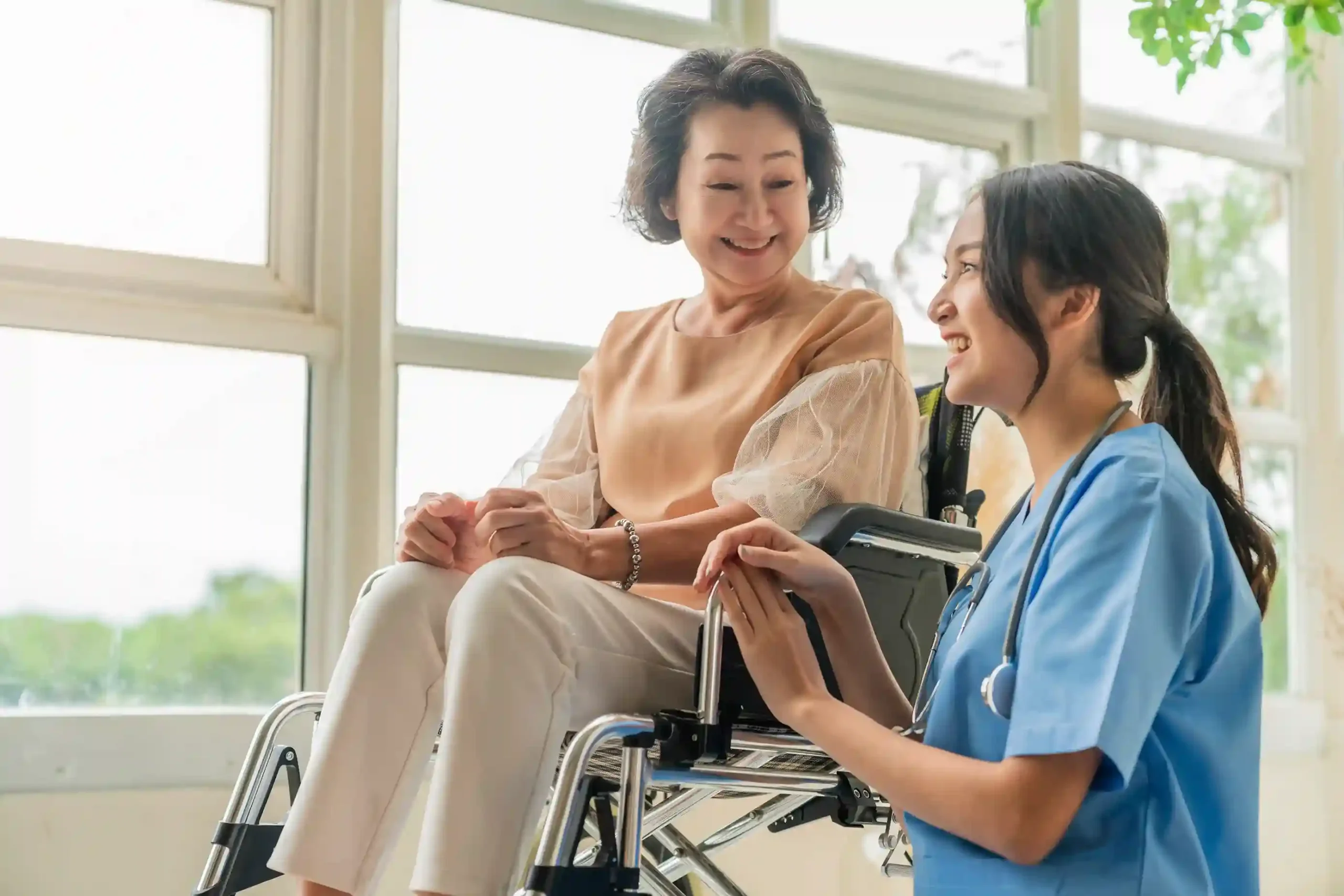
Recovering at home is not only a physical process but also an emotional one. Many people feel anxious when they cannot move freely or rely heavily on others. Home care services provide compassionate companionship, regular check ins and reassurance throughout the healing process. Trained caregivers also take note of any changes in symptoms and share these observations with families or healthcare professionals when needed.
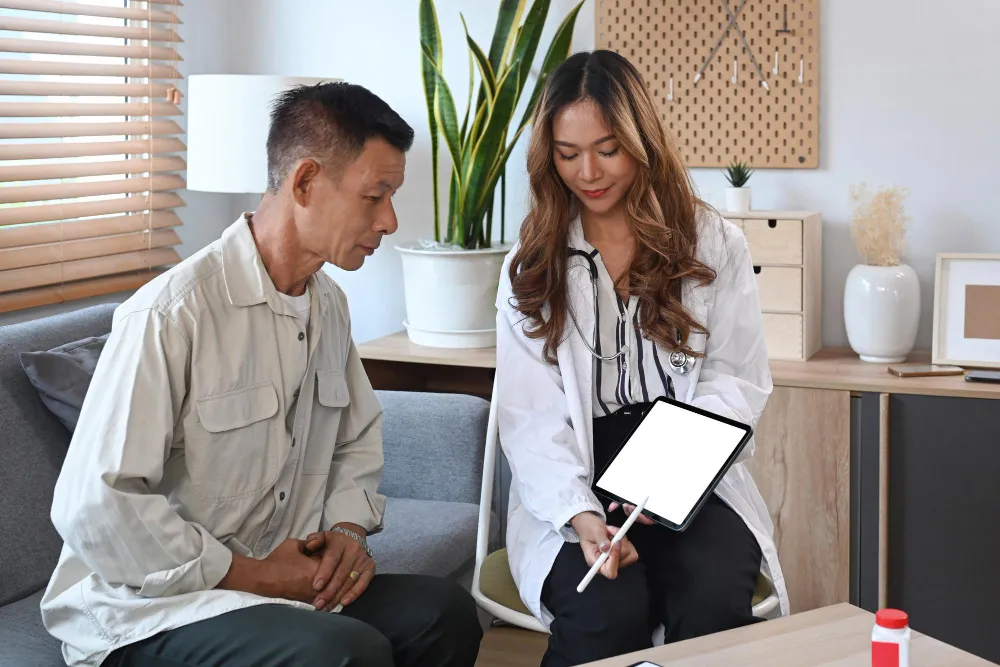
Families appreciate having a reliable support system in place, especially when juggling work commitments or caring for multiple members at once. Access to informational pages like the TrueCare2U Highlights section helps them learn more about professional care options before making decisions.
There are many variations of home care, each tailored to meet different physical and emotional needs. Understanding which type aligns with the patient’s goals helps ensure smoother and more effective recovery.
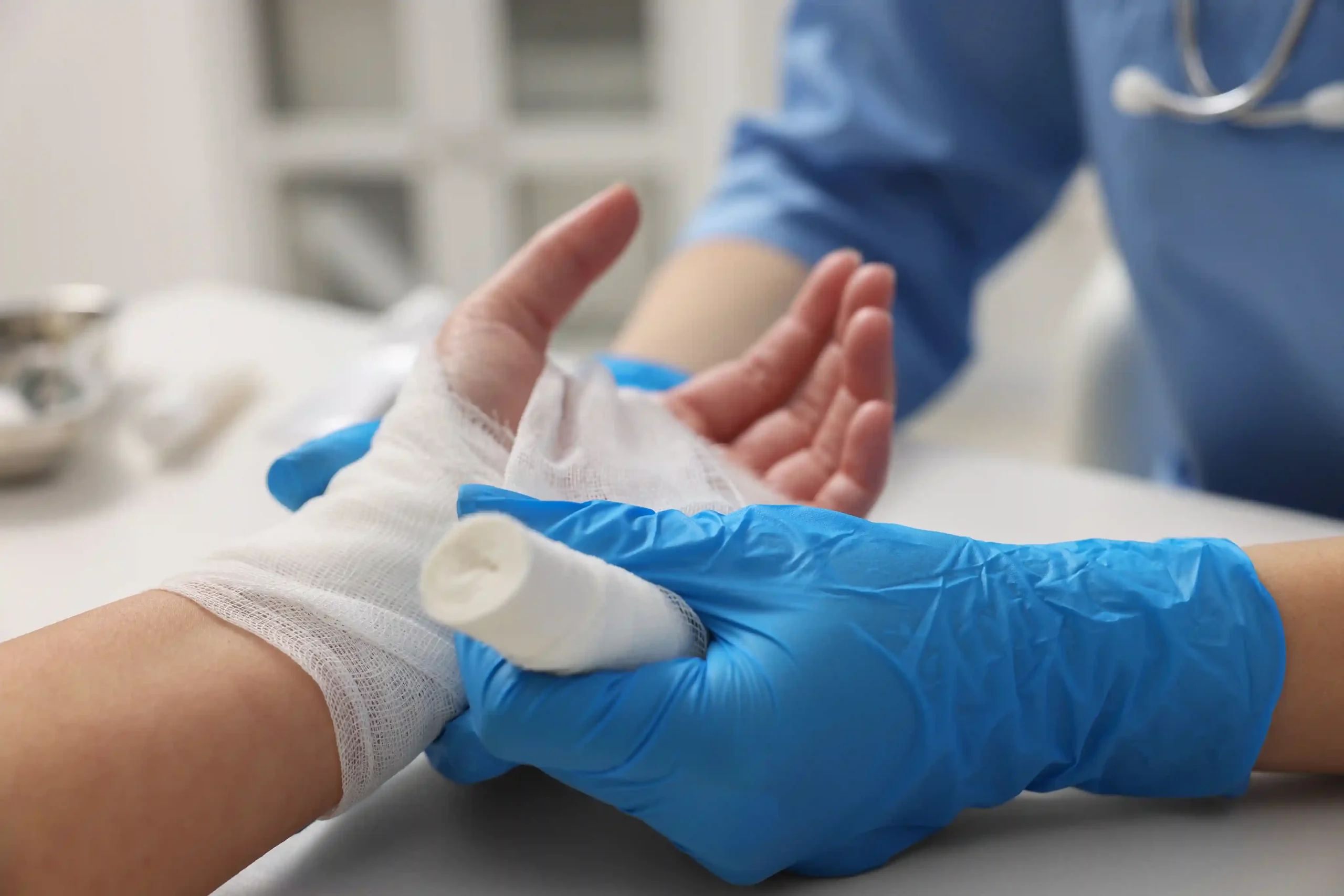
Short term home care is ideal for individuals healing from fractures, sprains, surgical wounds or temporary mobility loss. Caregivers assist with tasks that require physical effort or balance, reducing the risk of further injury. This form of support lets patients remain comfortable without pushing themselves too soon.
Tasks commonly included in short term care:
Short term care plays an important role during the early stages of healing, especially when patients are adapting to reduced mobility.
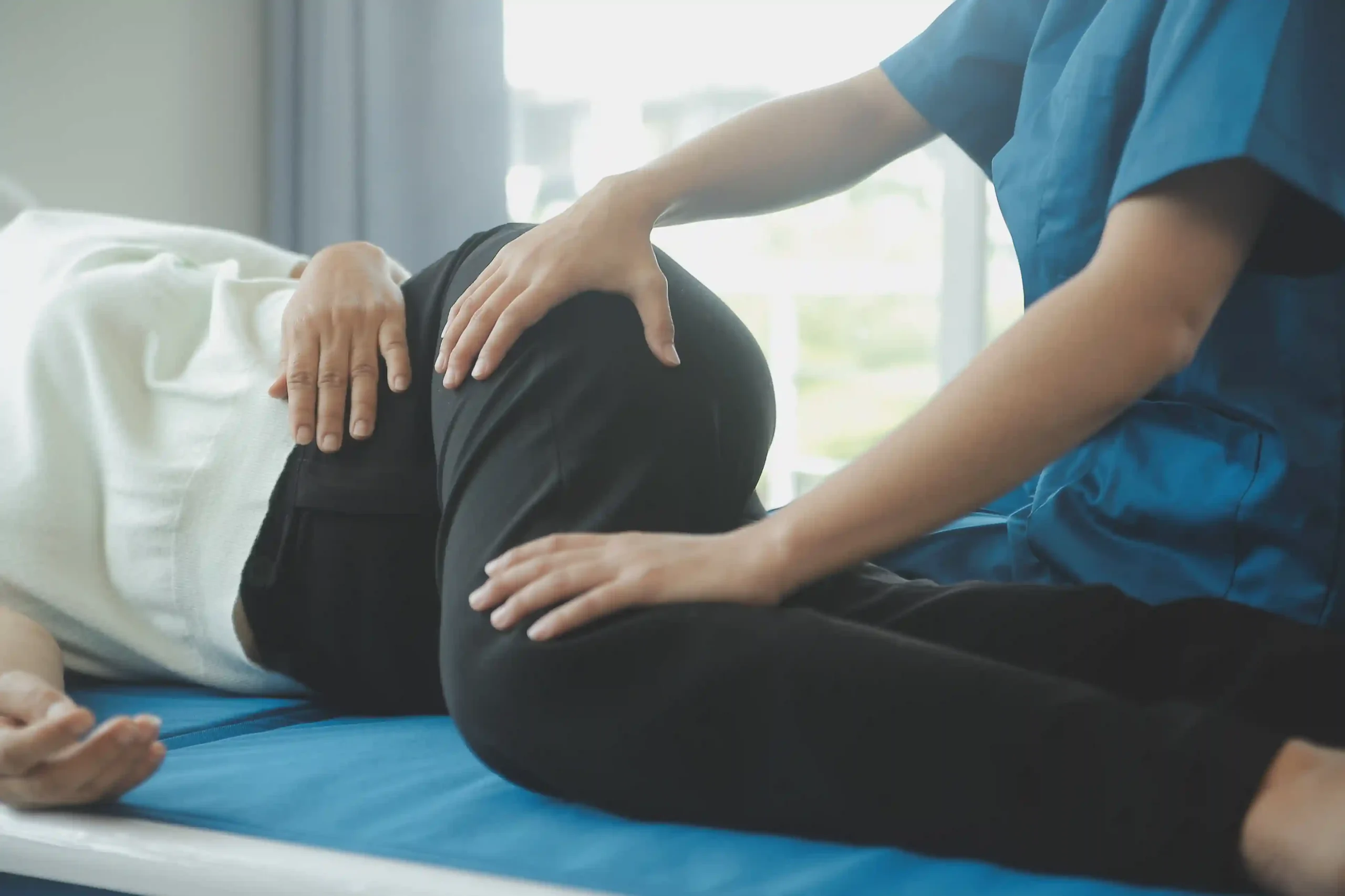
Some injuries require months of rehabilitation or lifestyle adjustments. Long term home care services ensure that patients do not feel rushed or forced to recover at a pace that feels uncomfortable. Caregivers follow a consistent routine that matches medical advice while gradually helping patients regain strength.
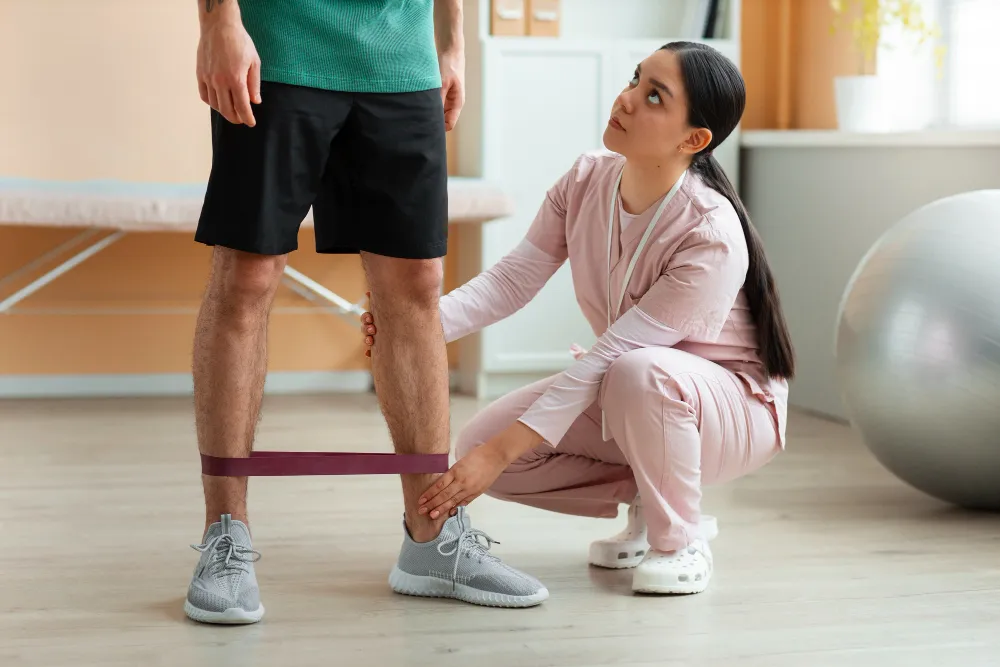
Long term support often includes guided exercises, emotional encouragement and regular check ins that track improvements. For individuals with more complex conditions, long term care ensures that each step of the healing journey receives the attention it needs.
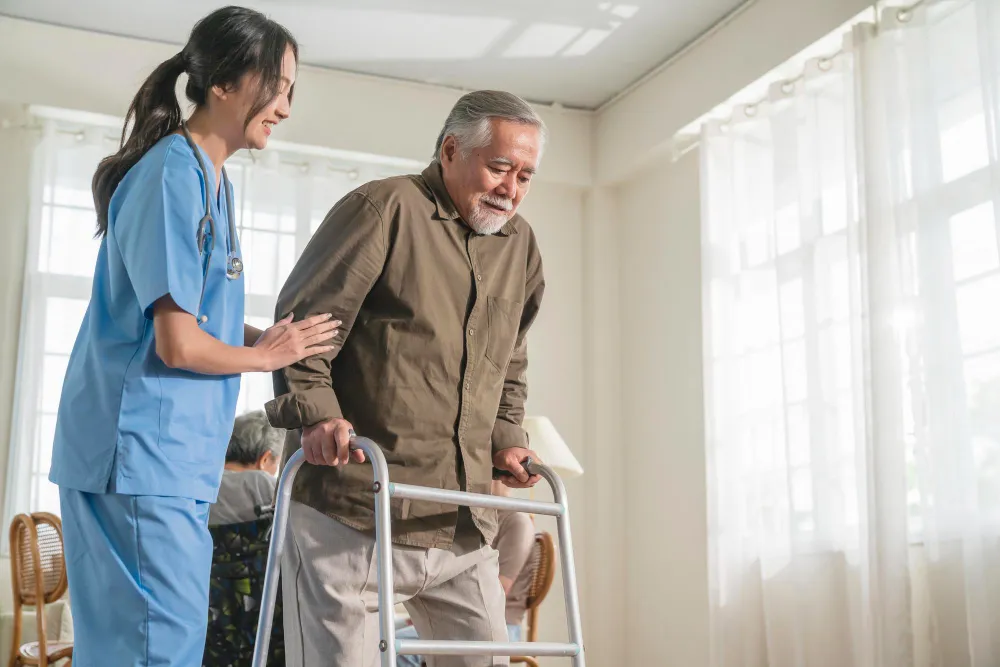
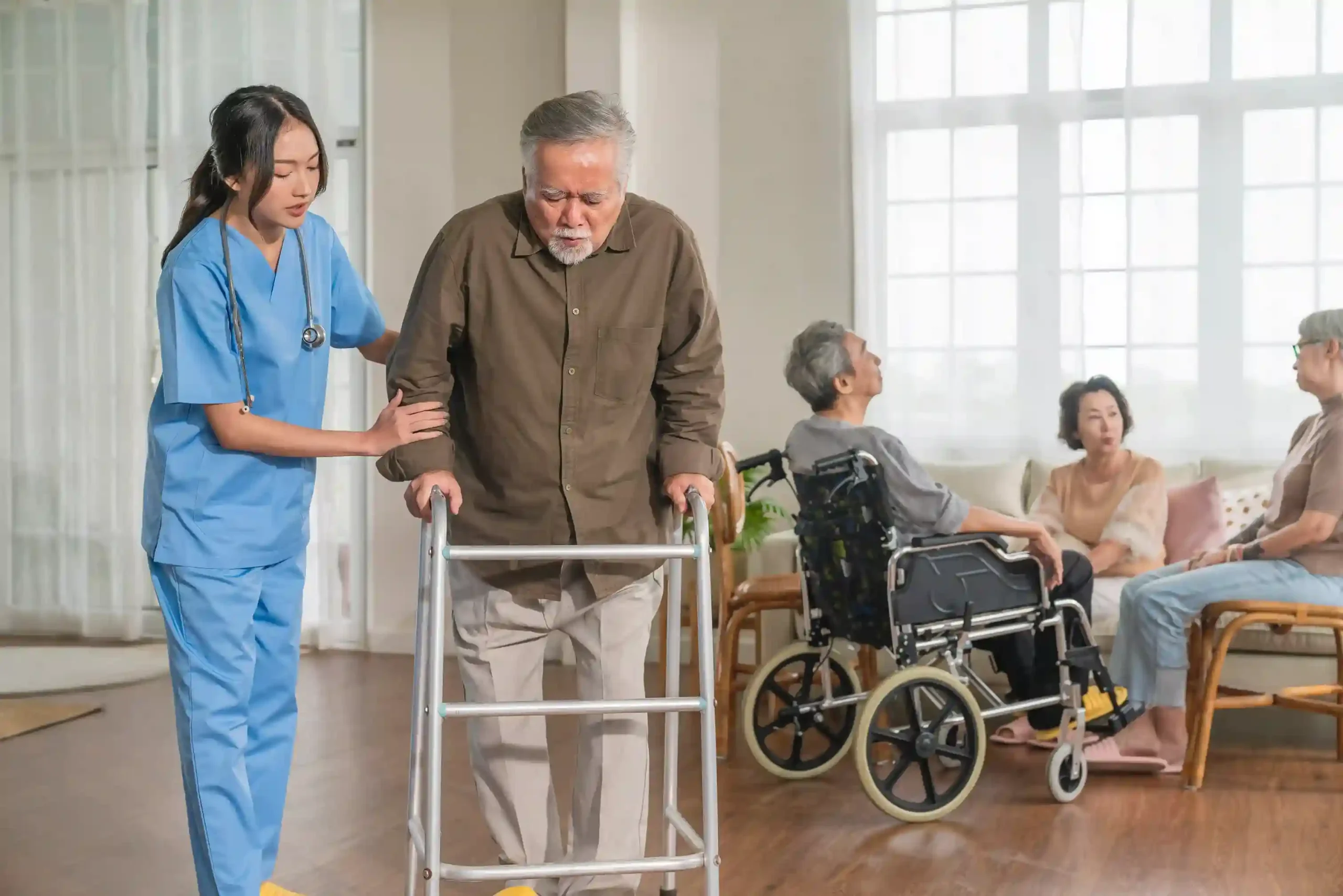
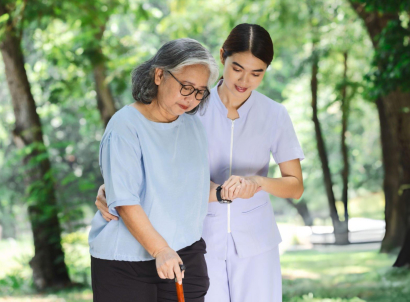
Mobility is one of the biggest challenges after an injury. Many people are worried about falling, overexerting themselves or experiencing pain while attempting simple tasks. Home care services offer safe guidance that empowers patients to move carefully yet confidently.
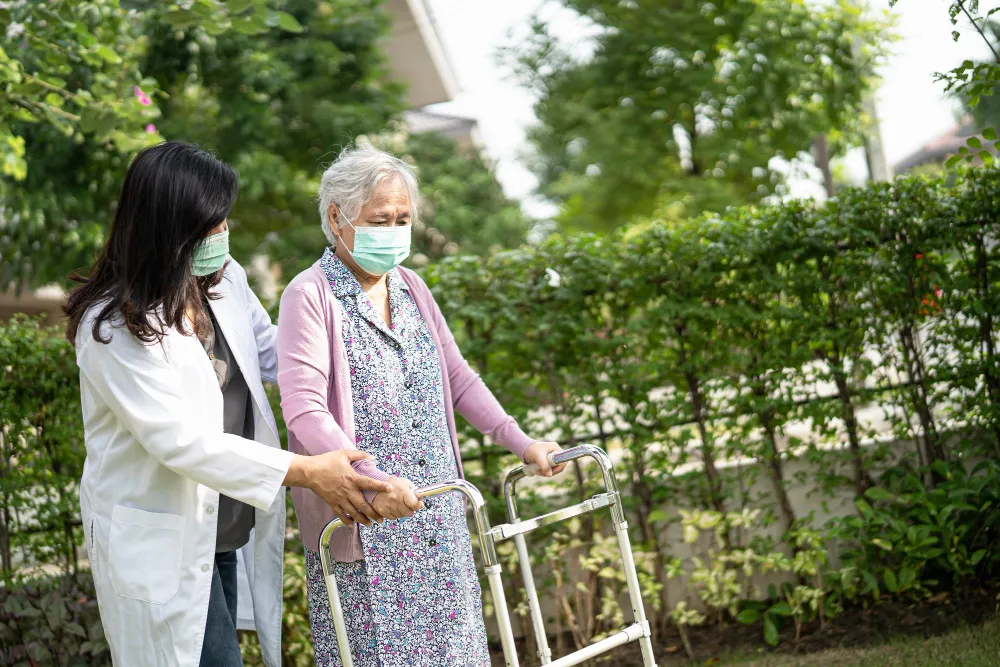
Caregivers are trained to help patients move in ways that protect healing muscles and joints. They provide secure support during standing, transferring from bed to chair and completing light household tasks. This brings a sense of safety that encourages patients to stay active without fear.
A few examples of how caregivers support mobility include:
These little adjustments allow individuals to remain active without compromising recovery.
A consistent routine helps patients feel more grounded. Caregivers often build structured schedules that include exercise, rest periods and personal care. This routine gives patients a sense of progress and helps speed up recovery.For families seeking trustworthy providers, directories such as the TrueCare2U Healthcare Providers page help them identify suitable professionals who can support long term mobility goals. Knowing that reliable caregivers are available makes the recovery journey much less stressful for everyone involved.
Home care services provide personalised support for individuals who need help with daily activities, mobility or recovery tasks. Trained caregivers visit the patient’s home and offer assistance that matches their physical and emotional needs.
Yes. Many people use home care after surgeries such as joint replacements or fracture repairs. Caregivers help with mobility, wound care and daily routines so patients can recover comfortably.
The timeframe depends on the provider, but many services begin within a few days of assessment. This ensures that patients receive timely support when they need it most.
Yes. Professional caregivers are trained to support patients safely, especially during tasks that involve movement or lifting. They help prevent accidents and reduce strain on healing areas.
Yes. By offering safe guidance and monitoring changes in physical capability, caregivers help prevent falls, overexertion and unsafe movements that may cause reinjury.
Home care services play a vital role in helping individuals recover from injuries at a comfortable pace. With personalised support, patients gain confidence in their daily routines and feel more secure as they rebuild strength and mobility. These services also ease the pressure on families, offering dependable assistance throughout the healing journey.
As the need for professional home care continues to grow, individuals can explore more information or begin planning their care through helpful resources available on platforms like the TrueCare2U site. To learn more or speak with a team member, the contact options provided on the TrueCare2U Contact page can guide you through the next steps in choosing suitable support.






























































































 Call Us
Spread the love, follow us on our social media channels