

Follow us:


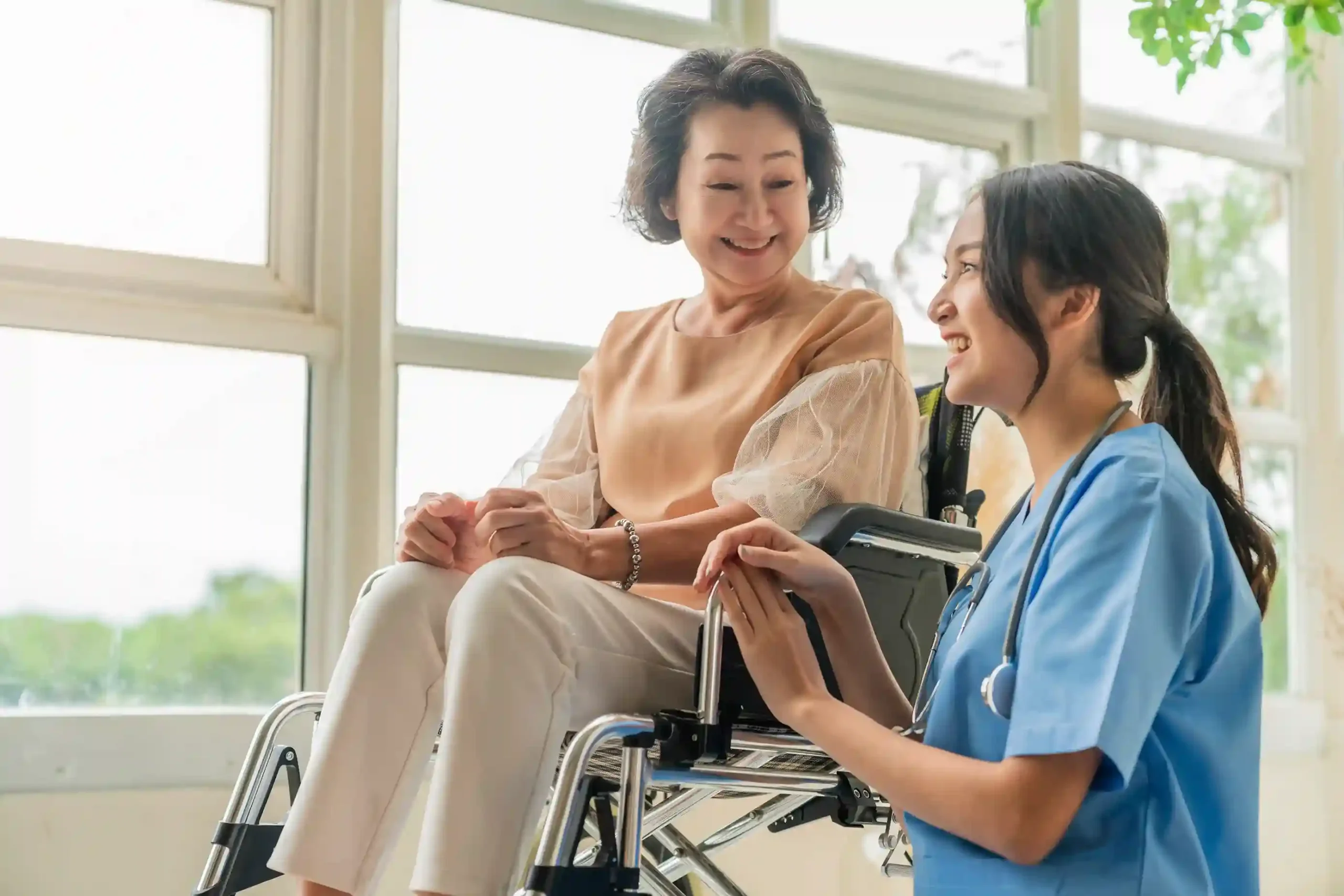
Caring for ageing parents or recovering loved ones can be emotionally overwhelming, especially when juggling work, family, and daily responsibilities. Many families turn to home care services in Malaysia because they want comfort, safety, and personalised support without uprooting their loved ones from familiar surroundings.
As demand grows, understanding how these services work becomes increasingly important. Whether you are seeking long term assistance or short term recovery support, home care providers offer structured guidance to ease your decision making. You can also learn more about established service standards through reputable platforms such as the detailed overview available on the highlights page at TrueCare2u, which explains how modern care delivery adapts to family needs.
This guide explores what you can expect, how to assess quality, and what families often ask before choosing the right care provider.
Families exploring home care services in Malaysia often worry about safety, reliability, and whether the service will truly meet their needs. With many types of care available, the first step is understanding what home care actually includes and how it supports ageing adults, patients recovering after discharge, or individuals living with chronic conditions.
Providers generally focus on personal care, medical support, companionship, or a blend of all three. As care continues to evolve, families now have access to better-trained professionals and clearer service frameworks, which you can review through established provider profiles such as the information shared on their about pages like this one.
Many people assume home care is limited to basic assistance, but it often includes diverse services designed to support independent living. This flexibility helps families choose care based on lifestyle and preference.
Common non-prioritised categories include:
Choosing the right combination ensures comfort while maintaining dignity.
Professional carers usually take the time to understand a person’s routines before creating a care plan. For instance, a senior who enjoys early morning walks will receive mobility support at suitable hours, while someone managing diabetes may require daily monitoring and nutrition planning. This personalised approach reflects the heart of home care, where the goal is to simplify life without taking away independence.
Medical-based home care services in Malaysia cater to individuals who need clinical support without frequent hospital visits. This type of care bridges the gap between hospital and home, allowing patients to recover safely within their own surroundings.
The presence of trained nurses and certified caregivers helps reduce hospital readmissions and improves long term outcomes. Many families appreciate having a professional visit regularly to monitor conditions, especially for elderly parents with chronic illnesses.
Home nurses are trained to perform essential medical procedures that require precision and hygiene. They usually focus on tasks such as:
These tasks ensure patients receive hospital-level attention in the comfort of home.
Timely intervention can make a significant difference for patients recovering from surgery or illness. A nurse who monitors blood pressure or infection signs can alert families early, reducing stress and supporting safer healing. For example, someone recovering from a hip operation may benefit from regular physiotherapy guidance at home, which improves mobility while maintaining comfort.
FWith more companies offering home care services in Malaysia, families often find the selection process overwhelming. The key is to match the provider’s strength with the individual’s actual needs. Transparency, staff qualifications, and communication quality are essential factors.
Some organisations maintain clear service descriptions and caregiver profiles to help families make informed decisions. A helpful approach is to compare available support options with an organisation’s care philosophy, which is often explained on their official site or provider listings such as TrueCare2u’s healthcare provider page.
Several neutral, non-prioritised factors help determine service suitability:
Evaluating these points helps ensure both comfort and accountability.
Not every family requires full time care. Some may need help only during working hours, while others require night shifts, weekly visits, or specialised dementia support. Thinking about current and future needs helps narrow the choice. For example, a senior with mild mobility issues may initially need only daily check-ins, but as conditions change, additional support such as physiotherapy or more frequent monitoring may be necessary.
Here are common questions about home care services in Malaysia that families often ask when evaluating care options.
They are personalised care solutions delivered in a person’s home, providing support with daily living, medical tasks, or companionship. Services are usually customised based on a care assessment, which helps determine the appropriate level of support.
Yes. Trained caregivers and nurses can help manage chronic conditions such as diabetes, stroke aftercare, high blood pressure, or dementia. They assist with monitoring, medication routines, and daily activities that support long term stability.
The duration depends on the service type. Some families choose hourly visits, while others require full day or round the clock care. Providers usually offer flexible scheduling based on individual needs.
It is generally safe if the care is delivered by qualified professionals who follow strict hygiene standards. Home nurses and trained caregivers are taught to handle medical equipment, identify early warning signs, and follow proper clinical protocols.
Yes. Many patients rely on home care after being discharged to ensure proper wound care, medication management, and mobility support. This helps reduce complications and promotes a smoother recovery.
Families who choose home care services in Malaysia often do so for comfort, familiarity, and personalised support. These services offer meaningful assistance that improves quality of life while ensuring safety at home. With options ranging from daily living care to advanced nursing support, families can make decisions that align with both short term and long term needs.
Understanding the structure, benefits, and scope of home care allows you to choose confidently. If you want to explore care options more deeply or discuss support for a loved one, it may help to connect with a team through their official channels, such as the contact section available on TrueCare2u, where you can ask questions and learn more about suitable care plans.



















































































 Call Us
Spread the love, follow us on our social media channels