

Follow us:


Finding the right elderly care for your loved ones can feel overwhelming, especially when you want to ensure they receive compassionate, professional support in the comfort of their own home. As families increasingly seek alternatives to institutional care, certified home-based elderly care has emerged as a preferred solution that combines quality medical supervision with the emotional benefits of familiar surroundings. These services allow seniors to maintain their independence and dignity whilst receiving the assistance they need for daily activities and health management.
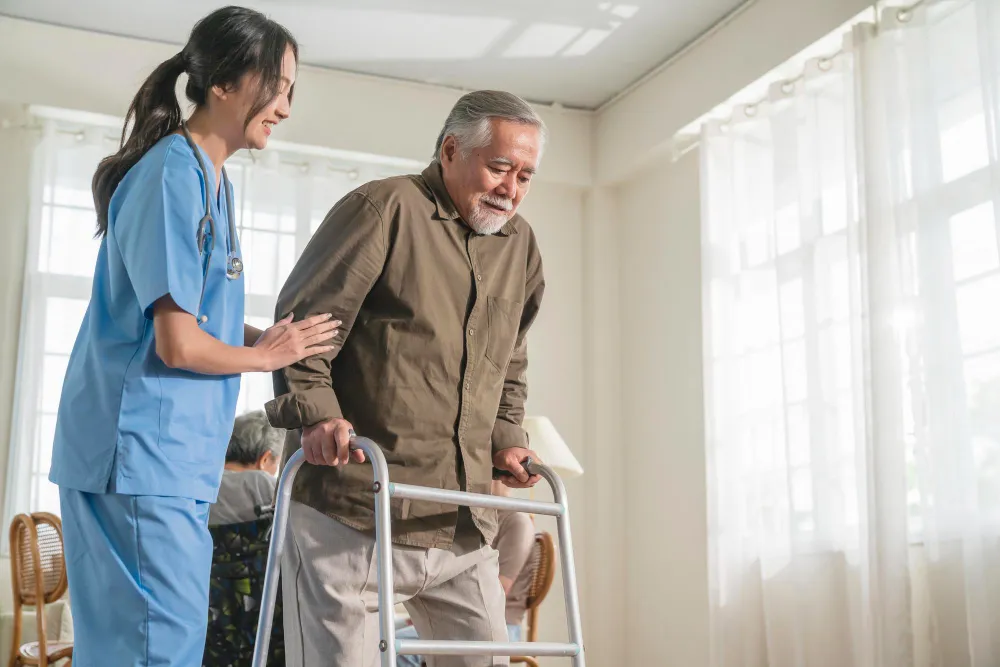
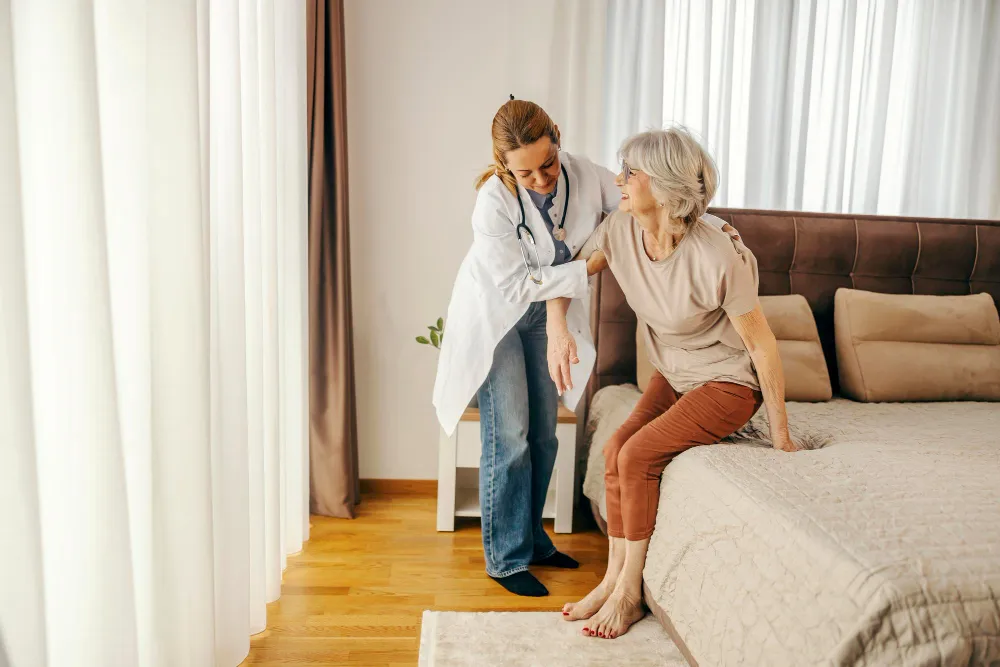
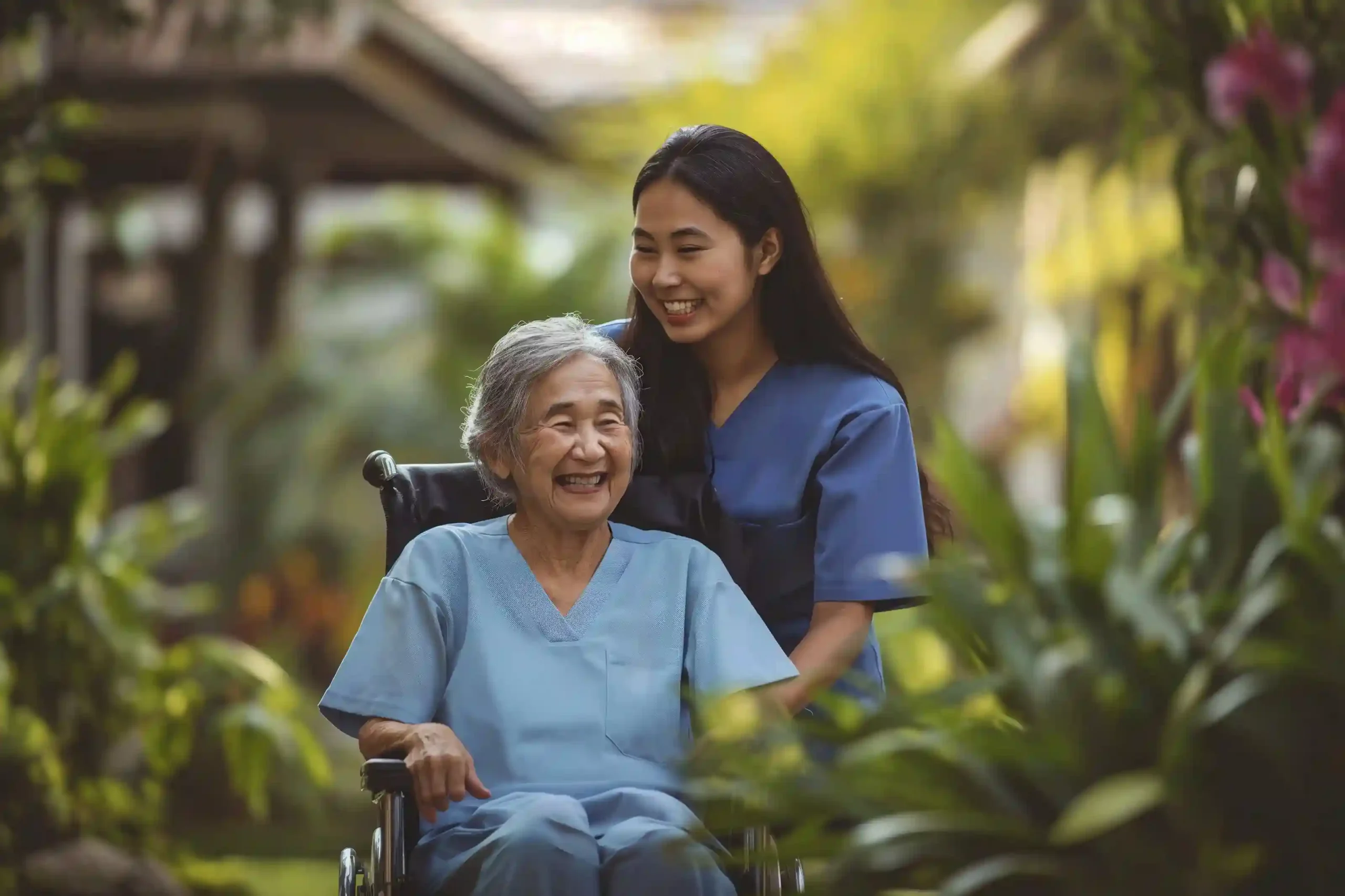
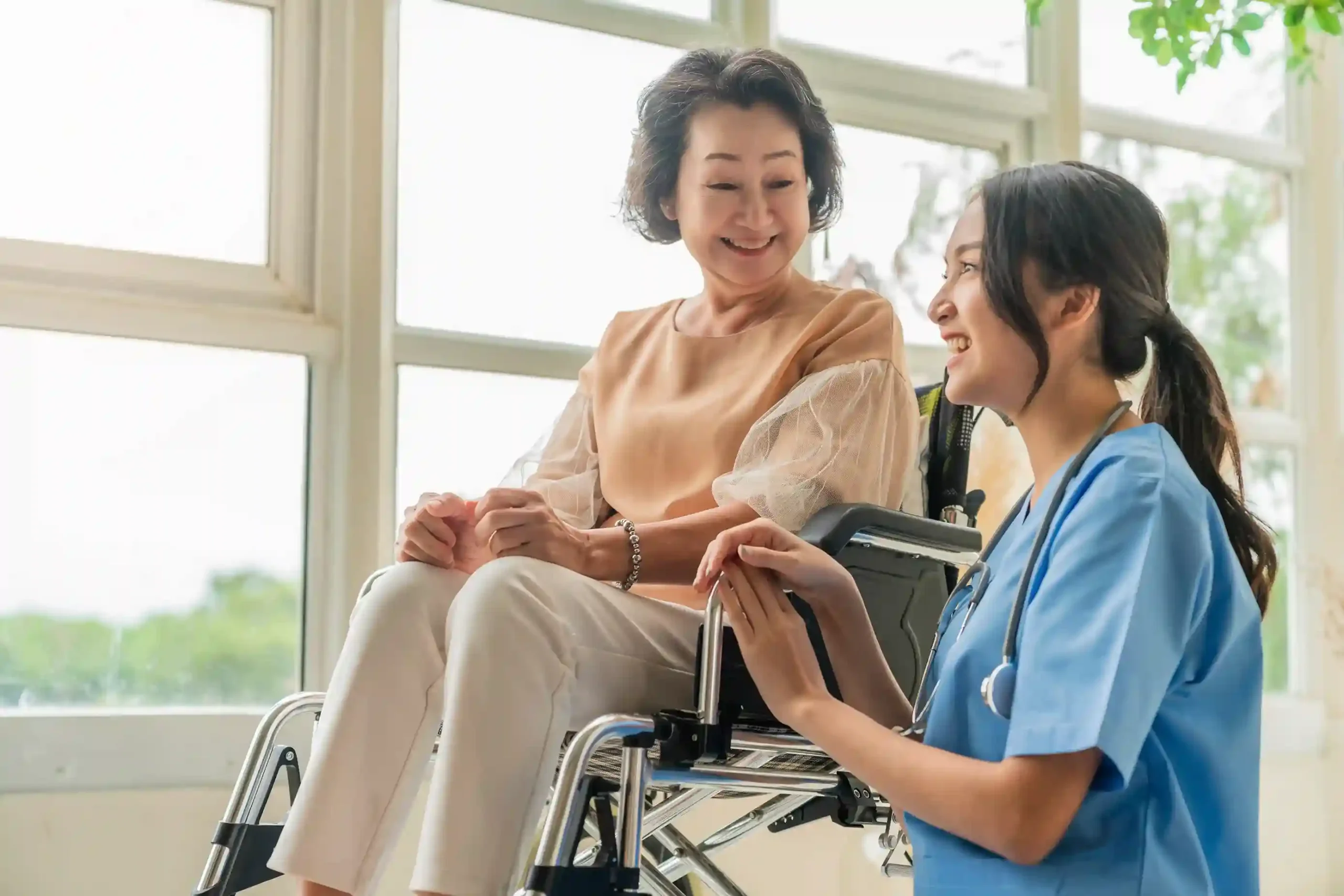
Elderly care at home addresses the physical, emotional, and social needs of ageing adults who may require help with mobility, medication management, or chronic condition monitoring. Professional caregivers bring specialised training and experience that ensures safety whilst reducing the burden on family members. Whether your loved one needs round-the-clock support or a few hours of assistance each day, professional elderly care services offer flexible options tailored to individual circumstances.
Elderly care services have evolved significantly to meet the diverse needs of ageing populations, offering families multiple pathways to support their loved ones effectively. The spectrum of care ranges from minimal assistance with household tasks to comprehensive medical supervision, ensuring that each senior receives appropriate support matched to their specific health condition and lifestyle preferences.
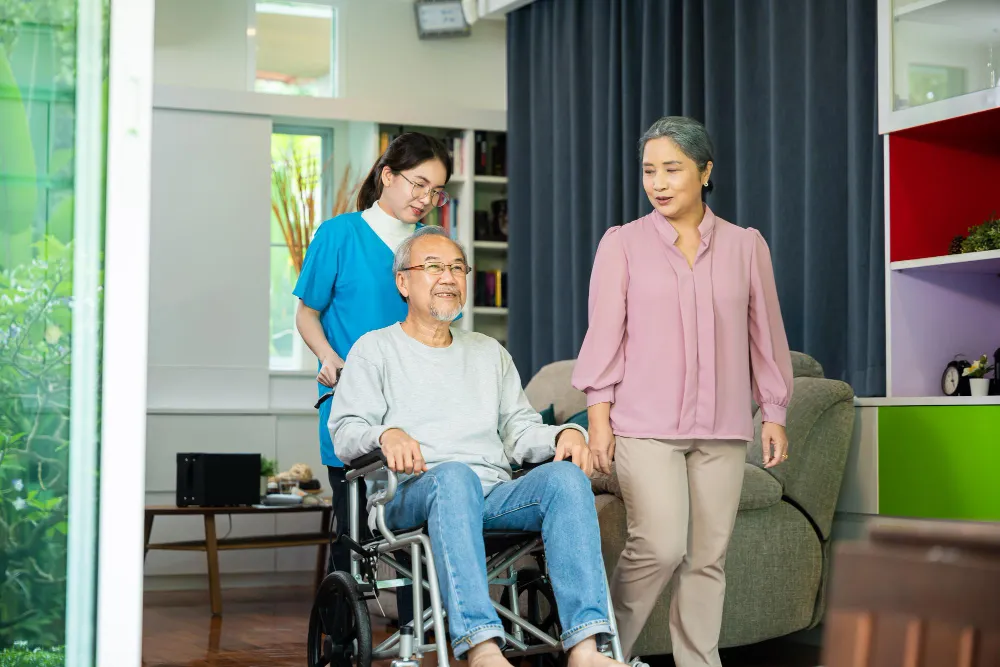
Live-in elderly care provides 24-hour support with a certified caregiver residing in the home, offering continuous assistance with daily activities, medication reminders, and emergency response. This arrangement suits seniors who require frequent help throughout the day and night, particularly those with mobility limitations or cognitive conditions that necessitate constant supervision. The presence of a dedicated caregiver ensures consistency in routines whilst allowing family members to maintain their work commitments.
Part-time or flexi care arrangements offer flexibility for families whose loved ones need assistance for specific hours each day, typically ranging from 8 to 12 hours. These services work well for semi-dependent seniors who can manage certain tasks independently but require support with bathing, meal preparation, or household maintenance. Many families begin with part-time support and gradually increase care hours as their loved one’s needs evolve.
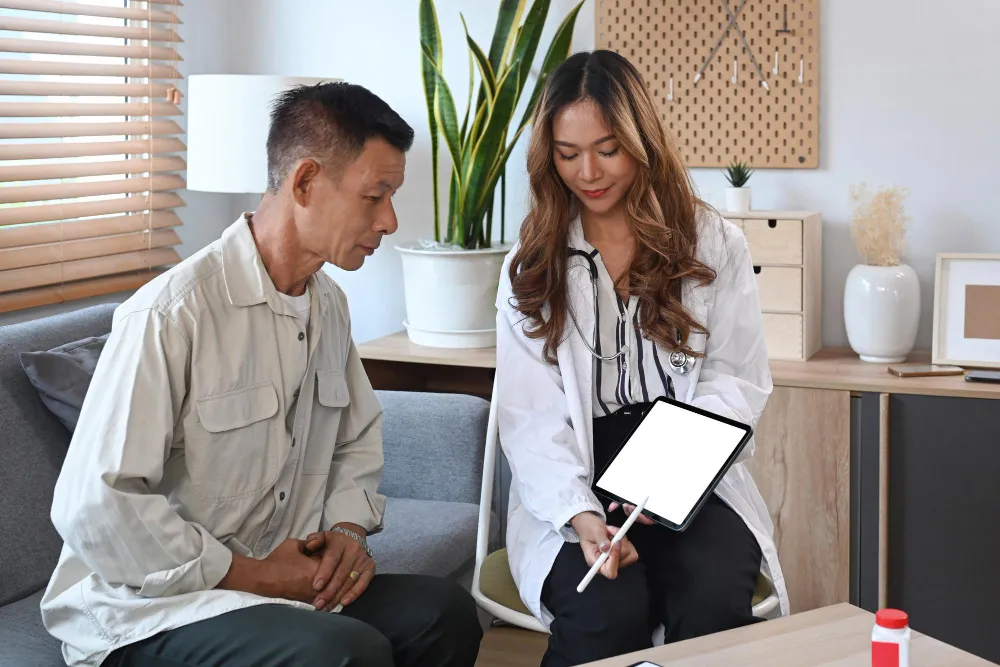
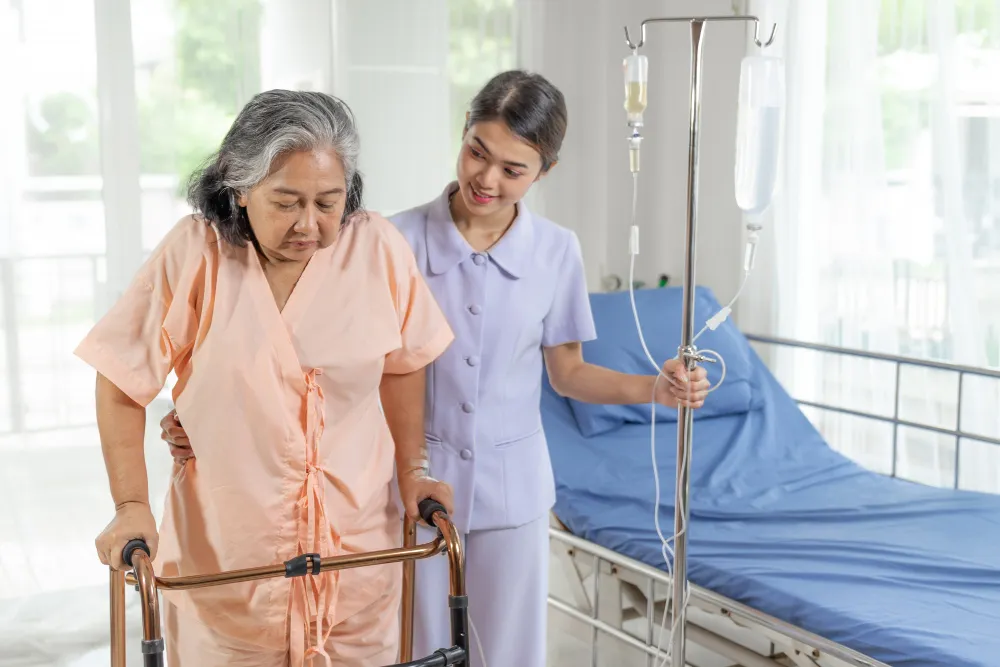
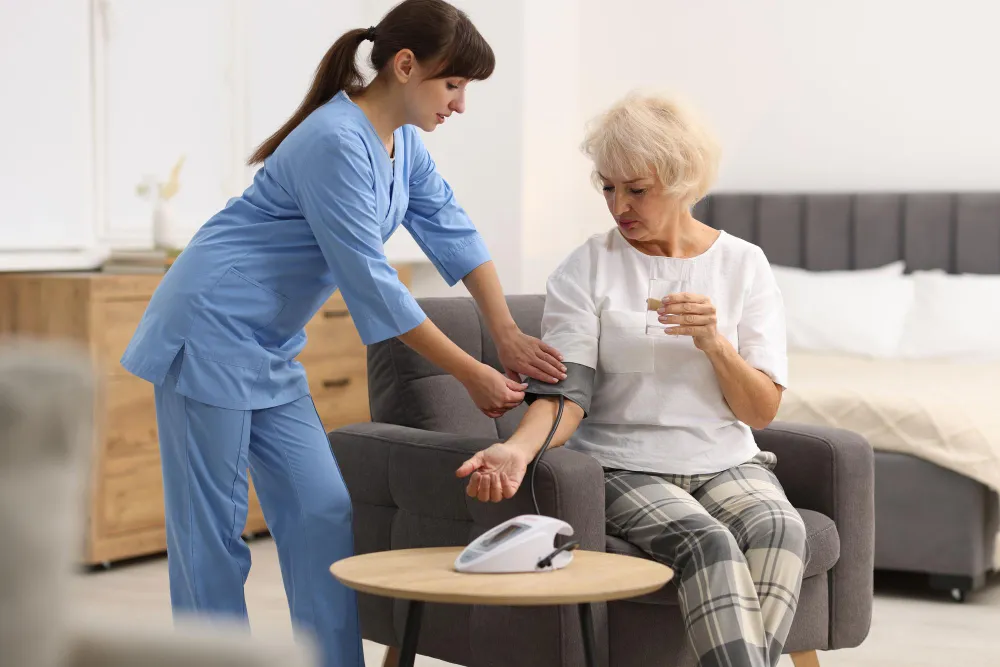
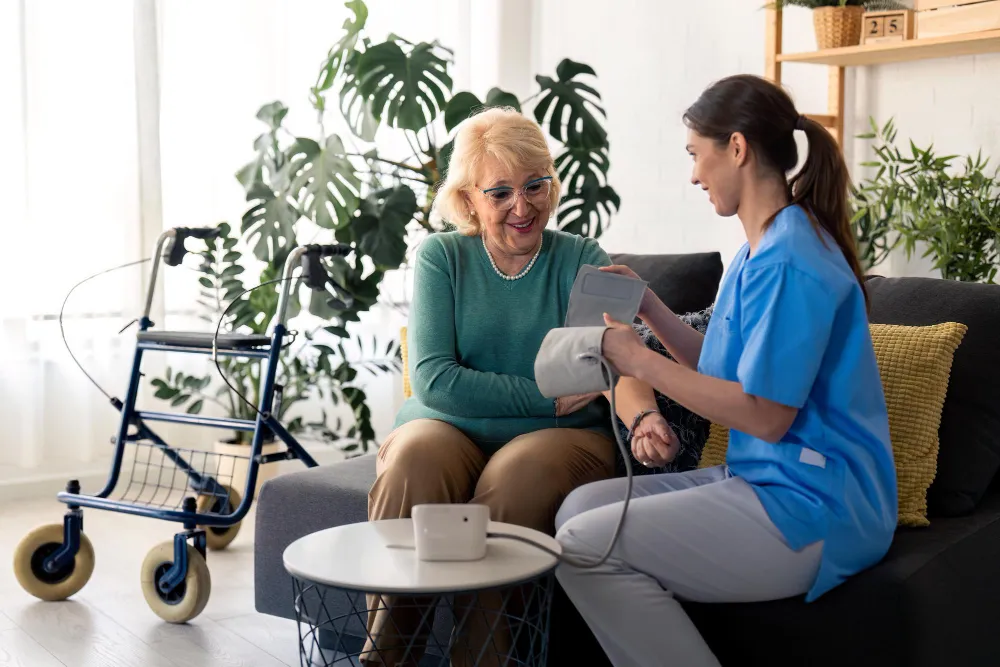
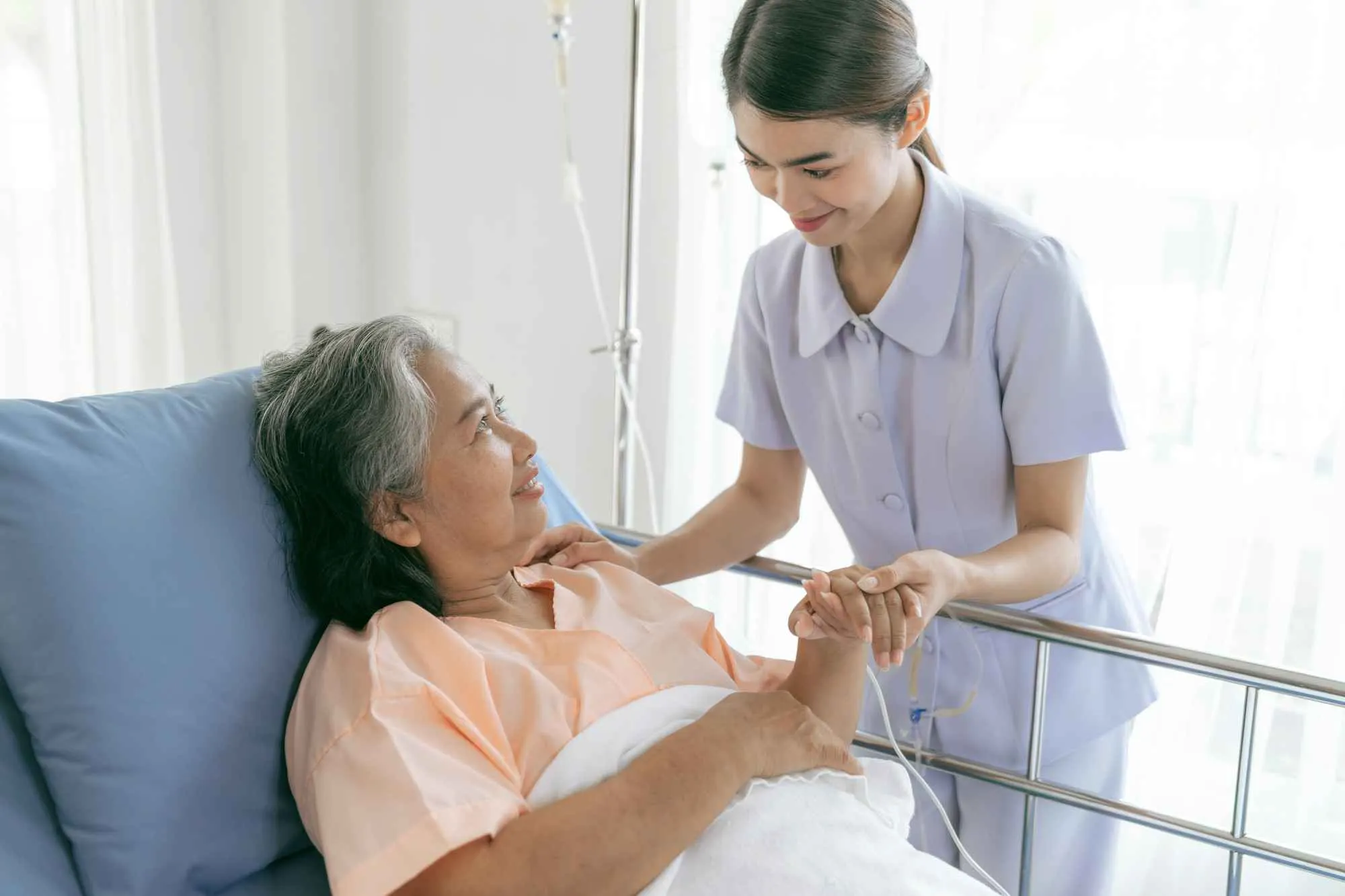
Certified nursing care brings hospital-grade medical support directly to your home, with trained nurses managing complex health conditions such as wound care, tube feeding, and medication administration. Professional healthcare coordinate with doctors to ensure treatment plans are followed precisely whilst monitoring vital signs and reporting any concerning changes. This level of elderly care is particularly valuable for post-hospitalisation recovery or for managing chronic illnesses that require regular medical intervention.
Home-based medical services also include physiotherapy, occupational therapy, and palliative care for seniors facing terminal conditions. These specialised services focus on maintaining or improving physical function, managing pain, and supporting emotional wellbeing during challenging health transitions.
Professional elderly care delivers measurable improvements in both health outcomes and quality of life for seniors, addressing physical needs whilst nurturing emotional and social wellbeing. Certified caregivers bring expertise that extends beyond basic assistance, recognising subtle health changes and implementing proactive strategies to prevent complications before they escalate.
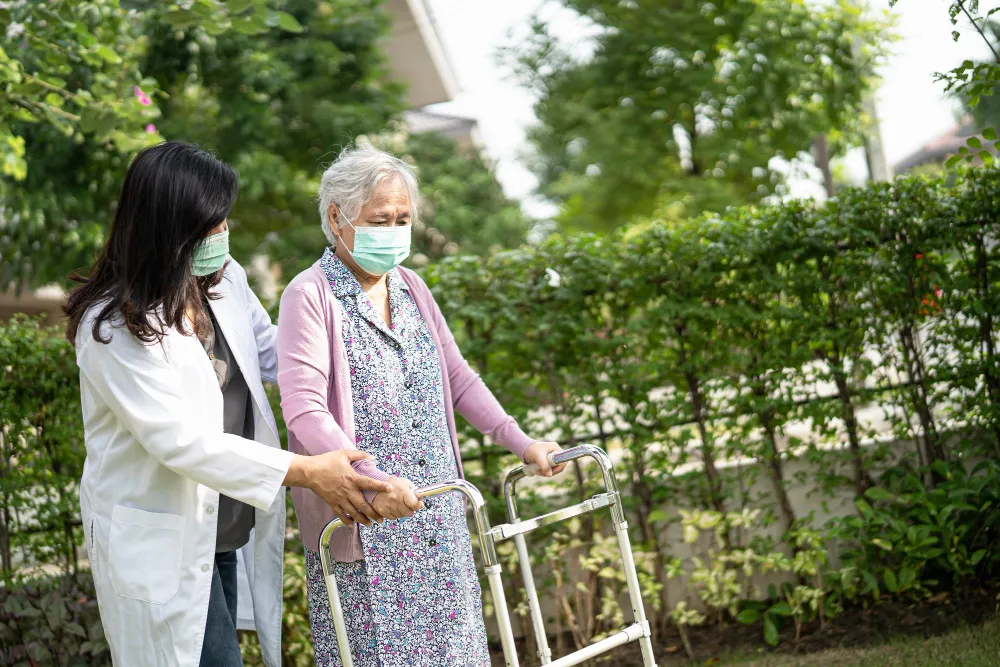
Trained caregivers excel at creating safer living spaces by identifying and eliminating fall risks, installing supportive equipment, and establishing routines that minimise accidents. Their expertise in managing age-related conditions such as dementia, arthritis, and diabetes ensures that elderly care plans are tailored to specific health challenges. Regular monitoring of physical and cognitive function allows caregivers to detect early warning signs of deteriorating health, enabling timely medical intervention.
Professional elderly care providers also maintain reliability through vetted staff with verified certifications and background checks, offering families confidence in the integrity and competence of those caring for their loved ones. When a primary caregiver is unavailable, agencies have contingency plans to ensure continuity of care without gaps, reducing stress for both seniors and their families.
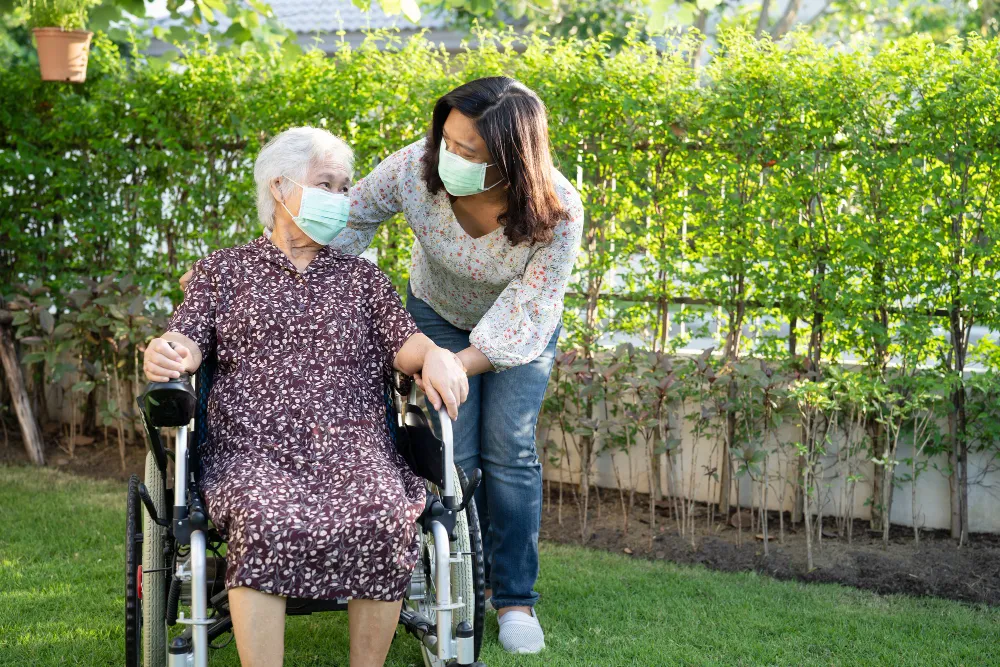
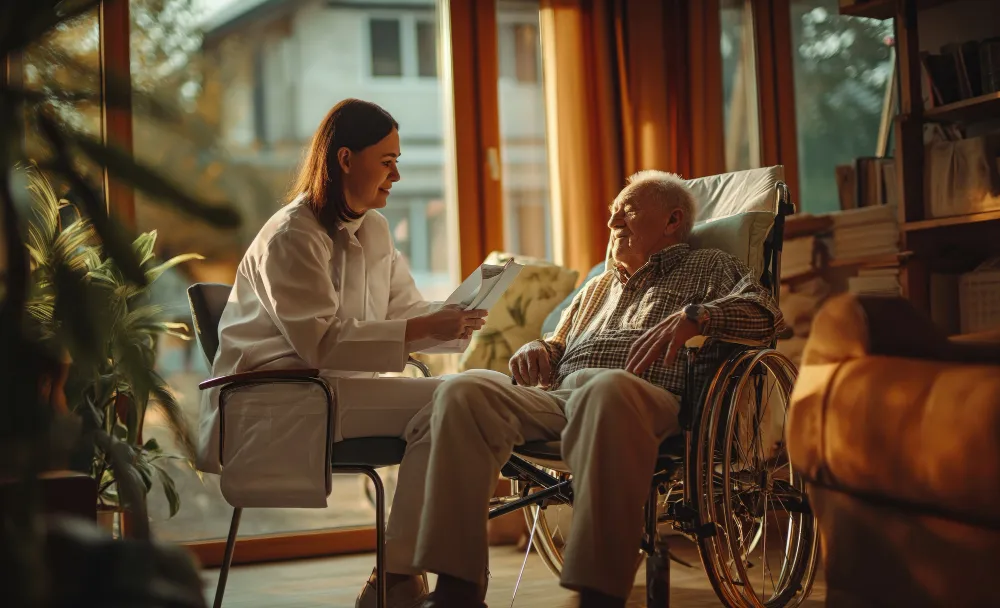
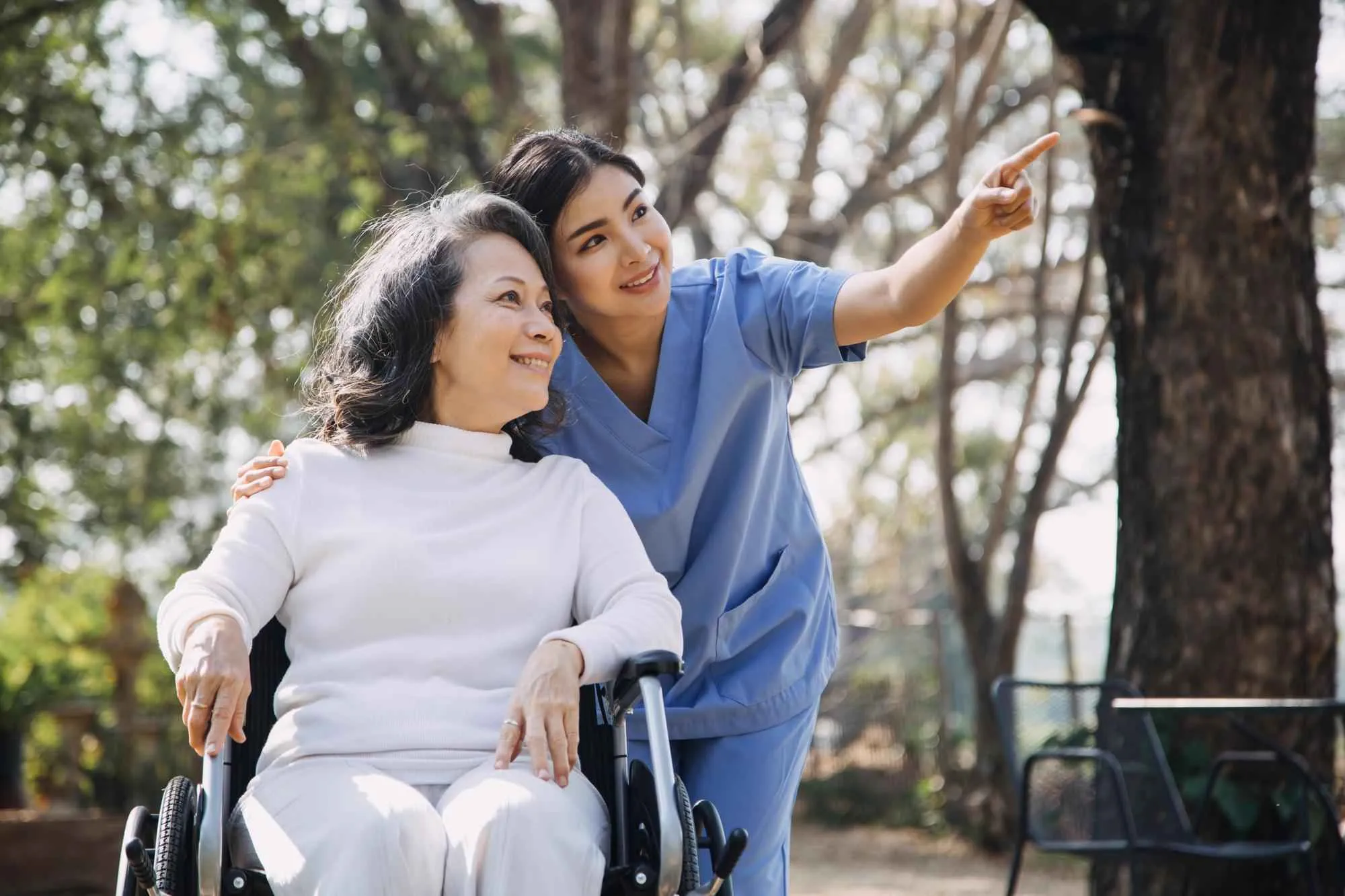
Beyond physical assistance, certified caregivers provide crucial companionship that combats loneliness and depression, common challenges for elderly individuals living at home. Regular engagement through conversations, shared activities, and accompaniment on outings helps seniors maintain social connections and mental stimulation that are vital for cognitive health. The emotional bonds that develop between caregivers and their clients often become a highlight of the care experience.
Professional elderly care also relieves the emotional burden on family members who may feel overwhelmed by caregiving responsibilities. When trained professionals handle daily care tasks, relatives can focus on quality time with their loved ones, strengthening family relationships rather than straining them through exhausting care duties. This balanced approach allows families to explore highlights of quality care that improve everyone’s wellbeing.
Selecting an appropriate elderly care provider requires careful evaluation of your loved one’s specific needs, the qualifications of potential caregivers, and the range of services offered by different organisations. The decision impacts not only the quality of care your family member receives but also their daily happiness and sense of security.
Begin by evaluating your loved one’s medical conditions, mobility limitations, and daily living requirements to determine the level of elderly care support necessary. Consider whether they need help with bathing, dressing, and meal preparation, or if more advanced medical care such as wound management or physiotherapy is required. Understanding cognitive status is equally important, as seniors with dementia or memory issues may benefit from specialised care approaches.
Financial considerations also play a significant role in care planning, including budgeting for ongoing services and exploring available insurance coverage or government support programmes. Families should discuss the amount of time relatives can realistically dedicate to caregiving versus the need for professional assistance. This comprehensive assessment provides clarity on which elderly care services best suit your situation and budget.
When researching elderly care providers, verify that caregivers hold relevant certifications and have experience managing conditions similar to your loved one’s health challenges. Reputable organisations conduct thorough background checks and provide ongoing training to ensure staff remain current with best practices in senior care.
Visit providers in person or schedule consultations to discuss care philosophies, communication protocols, and emergency procedures. Ask detailed questions about staff-to-client ratios, caregiver consistency, and how the organisation handles schedule changes or urgent situations. Understanding whether the provider offers comprehensive services ensures that as your loved one’s needs evolve, the same trusted organisation can continue providing appropriate elderly care.
Many families share common concerns when exploring elderly care options for their loved ones. Here are answers to questions we frequently receive about home-based care services.
Elderly care encompasses professional services that support ageing adults with daily activities, health management, and companionship in their own homes. Certified caregivers work with families to develop personalised care plans that address specific needs, whether that involves assistance with bathing and meal preparation or complex medical care such as medication management and chronic disease monitoring. The process typically begins with an assessment to determine care requirements, followed by caregiver matching and ongoing coordination.
Elderly care costs vary based on the level of service required, with part-time arrangements typically charging hourly rates whilst live-in care involves daily or monthly fees. Factors affecting pricing include whether nursing care is needed, the complexity of medical conditions being managed, and the number of hours of daily support. Many providers offer flexible packages that allow families to choose services within their budget.
Professional elderly care significantly reduces hospitalisation rates by providing proactive health monitoring and early intervention when concerning symptoms appear. Trained caregivers recognise subtle changes in condition that might otherwise go unnoticed until they become emergencies, enabling timely medical consultation that prevents complications. Post-hospitalisation home care also supports better recovery outcomes by ensuring treatment plans are followed correctly.
Quality elderly care providers employ certified caregivers with relevant training in senior health management, first aid, and condition-specific care techniques. Look for organisations that conduct comprehensive background checks, provide ongoing staff education, and maintain clear communication channels with families. Certifications in nursing, physiotherapy, or specialised areas such as dementia care indicate advanced expertise.
Most professional elderly care organisations can arrange services within days of initial contact, depending on the specific requirements and caregiver availability. Emergency or short-term care placements often happen more quickly, whilst finding the ideal match for long-term arrangements may take additional time to ensure compatibility between caregiver and client.
Elderly care represents a compassionate solution that honours your loved one’s desire for independence whilst ensuring they receive the professional support necessary for health, safety, and happiness. Certified home-based services offer families peace of mind through reliable, expert care that adapts to changing needs over time. By choosing professional caregivers, you invest in quality of life improvements that extend beyond physical assistance to encompass emotional support and proactive health management.
The journey of caring for ageing relatives is deeply personal, and finding the right support system makes all the difference in ensuring positive experiences for everyone involved. Whether your loved one needs a few hours of daily help or comprehensive 24-hour care, professional elderly care services provide the expertise and compassion that families value most. If you are ready to explore how certified care can benefit your family, reach out to our dedicated team or visit our help centre for additional guidance on getting started with the perfect care solution.




























































































 Call Us
Spread the love, follow us on our social media channels