

Follow us:


Choosing the right care for your loved ones is one of the most important decisions families face. Professional home care services offer a compassionate alternative to institutional care, allowing individuals to maintain their independence whilst receiving personalised support in the comfort of their own homes. As the demand for quality care continues to grow, more families are discovering the numerous advantages that home care brings to both patients and their relatives.
The emotional and practical benefits of home care extend far beyond basic assistance with daily tasks. Studies show that when individuals receive care at home, they experience improved mental wellbeing, better health outcomes, and enhanced family dynamics. For families seeking comprehensive support options, understanding how professional home care services can transform daily life helps inform better care decisions that benefit everyone involved.
Professional home care services prioritise maintaining individual autonomy whilst providing necessary assistance. Unlike institutional settings with rigid schedules, home care allows people to continue their established routines, make their own choices, and preserve their sense of self. This person-centred approach recognises that independence is fundamental to emotional wellbeing and self-esteem.
One of the most significant advantages of home care is the ability to receive tailored support within a familiar environment. Care plans are designed around each individual’s specific needs, preferences, and medical requirements, ensuring relevant and effective assistance. This customisation allows people to maintain their daily routines, sleep in their own beds, and enjoy the comfort of personal spaces that hold cherished memories.
Research demonstrates that remaining at home significantly enhances emotional wellbeing and reduces feelings of isolation. The comfort of familiar surroundings provides a sense of security that institutional care cannot replicate, contributing to better overall health outcomes and quality of life.
Home care offers flexibility that enables individuals to maintain control over their day-to-day activities. Rather than adapting to institutional schedules, people receiving home care can choose when to wake, what to eat, and how to spend their time. This autonomy promotes dignity and helps individuals feel valued and respected in their own homes. Professional caregivers work alongside clients to support their preferences whilst ensuring safety and wellbeing.
Whilst home care primarily supports the individual receiving assistance, it also provides substantial benefits for family members who share caregiving responsibilities. Professional services help reduce caregiver burden, improve family functioning, and allow relatives to focus on meaningful relationships rather than constant care duties.
Caregiving often takes a significant toll on family members’ physical and mental health. Research shows that when professional home care services are introduced, family caregivers experience improved mental health and reduced stress levels. By sharing responsibilities with trained professionals, families can maintain their own wellbeing whilst ensuring their loved ones receive quality care. This support is particularly valuable for families managing complex medical conditions or providing care alongside work and other commitments.
When families are not overwhelmed by constant caregiving demands, they can focus on quality time and emotional connections with their loved ones. Home care services facilitate this by handling routine tasks and medical support, allowing family members to engage in meaningful activities rather than exhausting care duties. Additionally, professional healthcare providers work collaboratively with families, providing regular updates and involving them in care decisions.
Many families discover that professional home care offers better value compared to institutional care settings. Home care eliminates unnecessary facility expenses and allows families to pay only for the specific services they need, creating a more economical care solution.
Home care services provide flexibility in scheduling and service levels that institutional care cannot match. Families can choose the amount and type of support required, adjusting services as needs change over time. This adaptability ensures care remains relevant and cost-effective throughout different stages of need. Whether someone requires a few hours of assistance per week or comprehensive daily support, home care services can be tailored to fit specific circumstances and budgets.
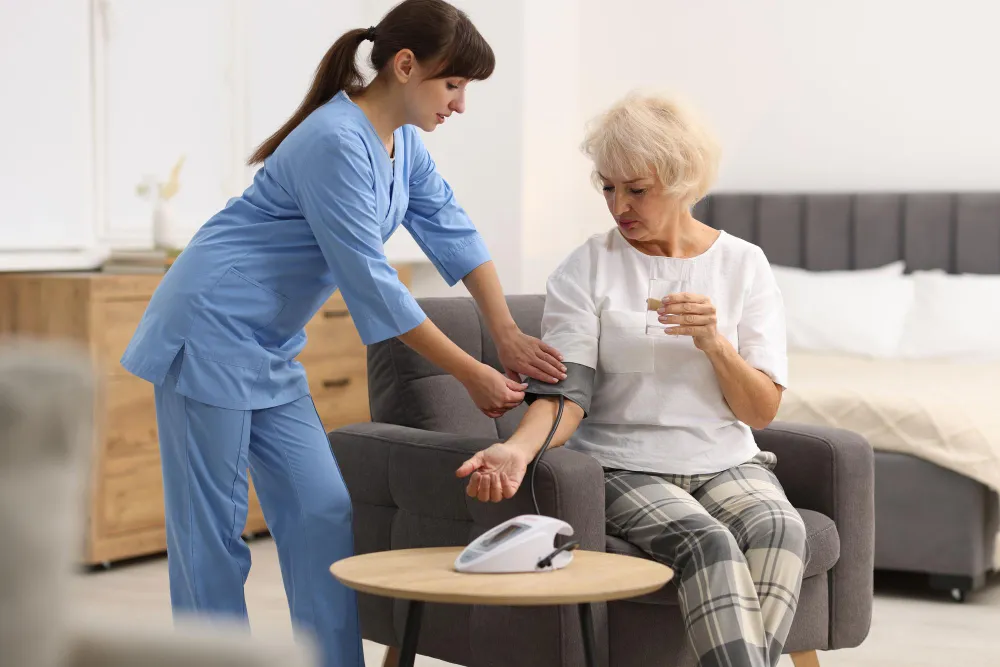
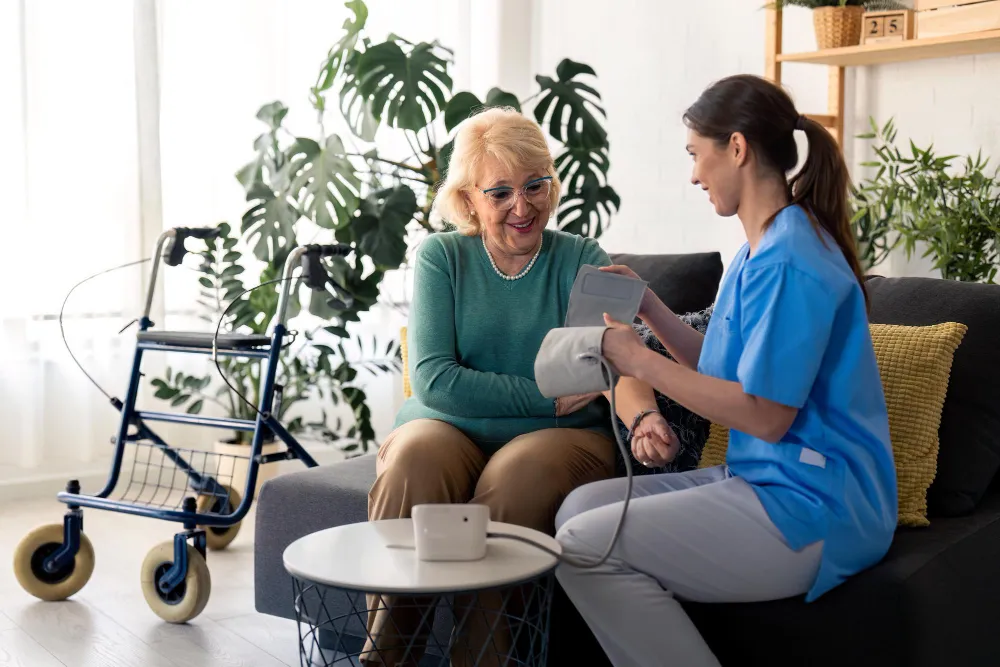
Professional home care services include health monitoring and preventative measures that help avoid costly hospital visits and readmissions. Caregivers track vital signs, manage medications, and alert healthcare professionals to concerns before they escalate into emergencies. This proactive approach not only saves money but also reduces the stress and disruption associated with hospital stays.
Home care agencies employ trained professionals who bring specialised knowledge and skills to their work. These qualified caregivers understand how to manage various health conditions, recognise warning signs, and provide evidence-based care that promotes optimal outcomes.
Professional home care services coordinate with doctors, therapists, and other healthcare providers to ensure comprehensive care delivery. This multidisciplinary approach creates continuity across different aspects of treatment, improving overall health management. Caregivers communicate regularly with medical teams, implementing care plans and reporting on progress or concerns. For individuals managing chronic conditions, this coordination ensures medications are taken correctly and symptoms are monitored consistently.
Trained caregivers understand fall prevention, infection control, and other safety measures that protect vulnerable individuals at home. They can identify environmental hazards, suggest modifications, and implement strategies that reduce risks whilst maintaining independence. Professional agencies also provide oversight and quality assurance through regular assessments, ongoing training, and supervisory support. Families seeking reliable support can learn more about quality home care options that prioritise safety and professionalism.
Home care services raise many questions for families exploring their options. Below are answers to common enquiries we receive about professional home care.
Home care refers to professional support services delivered in a person’s own residence rather than in an institutional setting. Trained caregivers provide assistance with daily activities, health monitoring, medication management, and companionship based on individualised care plans. Services are coordinated through agencies that match qualified professionals with clients’ specific needs and preferences.
Home care allows individuals to remain in familiar surroundings with personalised one-to-one attention, whilst nursing homes provide 24-hour facility-based care with on-site medical staff. Home care offers greater flexibility, independence, and family involvement, whereas nursing homes provide structured environments with comprehensive medical supervision.
Yes, professional home care services are designed to adapt as circumstances evolve. Care plans are regularly reviewed and adjusted to reflect changing health conditions, abilities, and preferences. Families can increase or decrease service levels as needed, ensuring care remains appropriate and cost-effective throughout different stages.
Professional home care agencies prioritise family involvement and communication. Caregivers provide regular updates, consult families on important decisions, and encourage active participation in care planning. This collaborative approach ensures care aligns with family expectations whilst benefiting from professional expertise.
Beginning home care typically involves an initial assessment to understand specific needs, preferences, and health requirements. Based on this evaluation, a customised care plan is developed and matched with appropriate caregivers. Families interested in exploring home care options can contact professional providers to discuss their situation and learn about available services.
Professional home care services offer families a compassionate, practical solution that enhances quality of life for their loved ones whilst providing valuable support for caregivers. The benefits extend across emotional, physical, and financial dimensions, making home care an increasingly preferred choice for families seeking person-centred support. By enabling individuals to maintain independence, dignity, and connections to their communities, home care services transform how we think about quality care delivery.
If you are considering care options for your family, get started with professional home care services to discover how personalised support can make a meaningful difference in your loved one’s life and your family’s wellbeing.










































































































 Call Us
Spread the love, follow us on our social media channels