

Follow us:


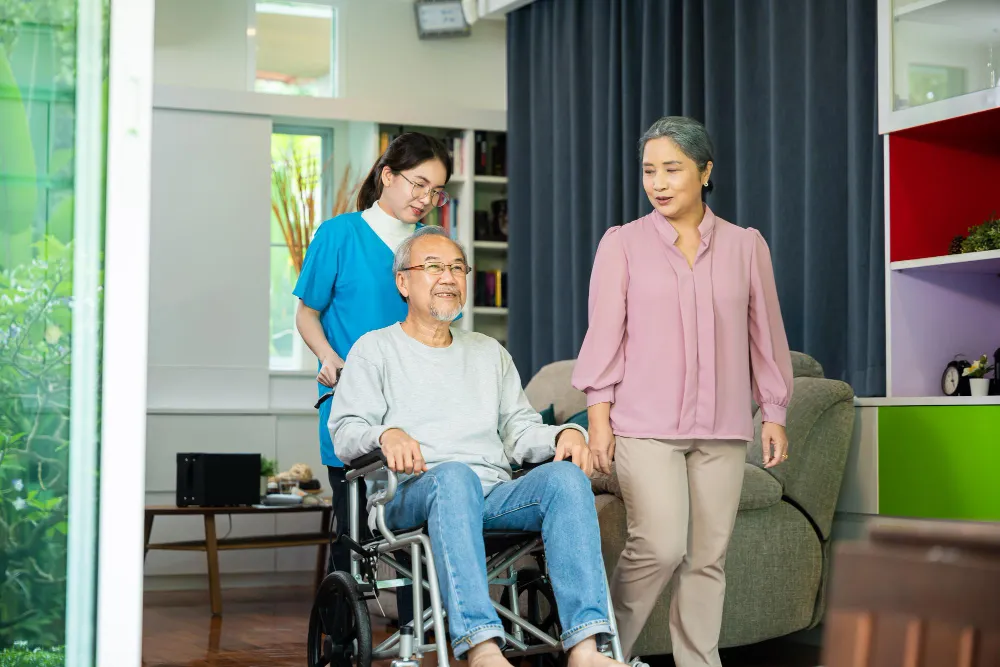
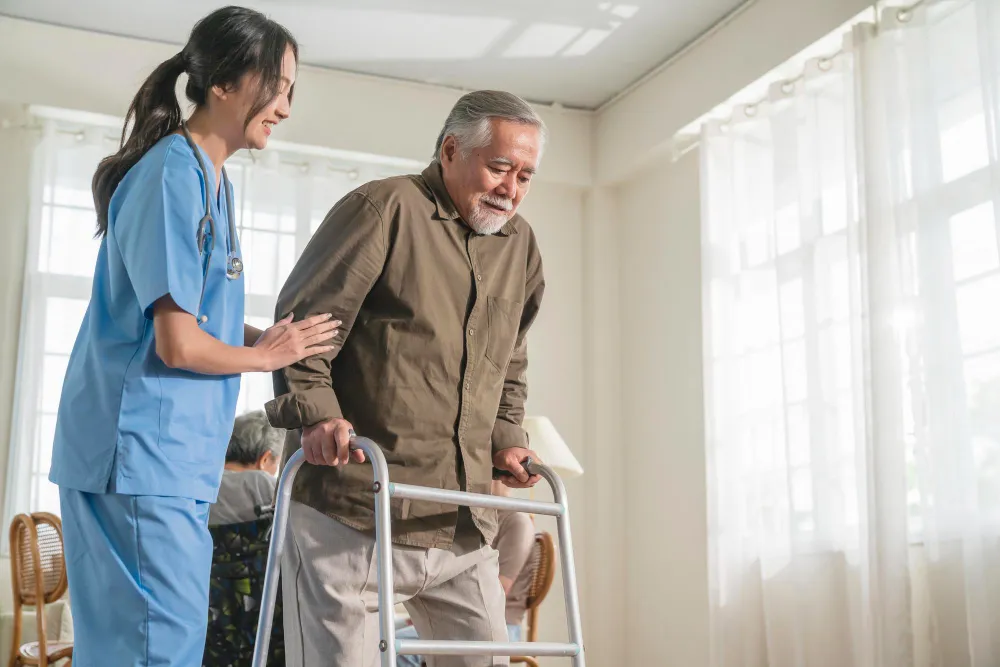
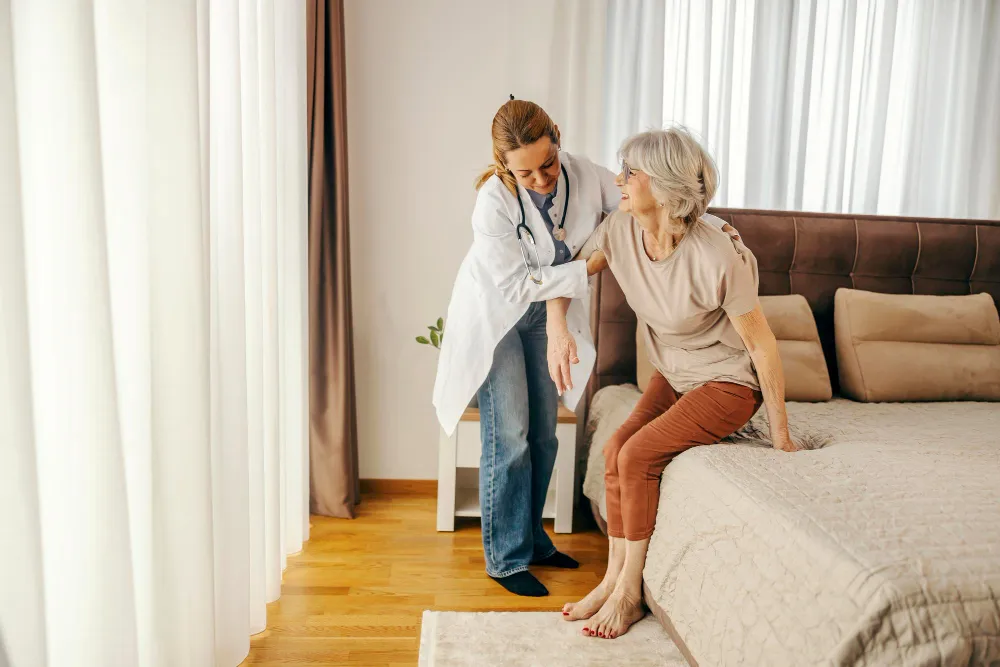
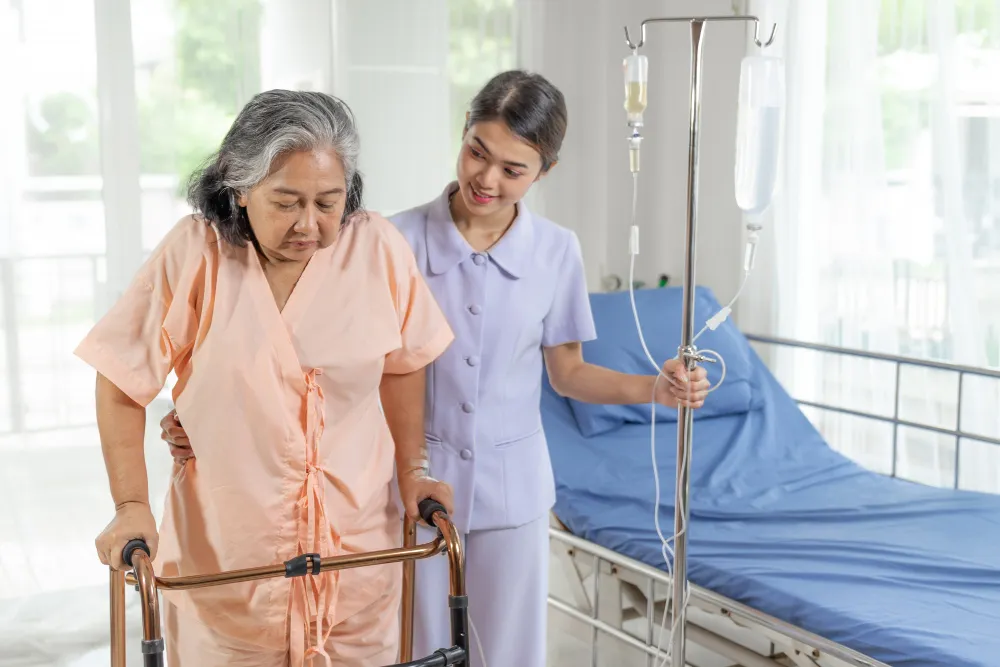
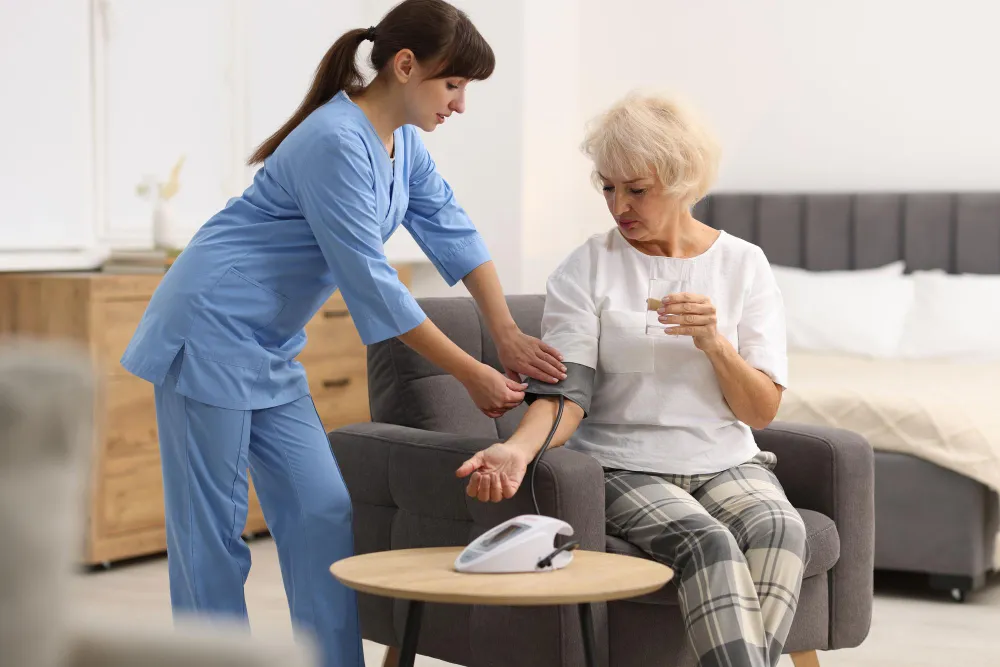
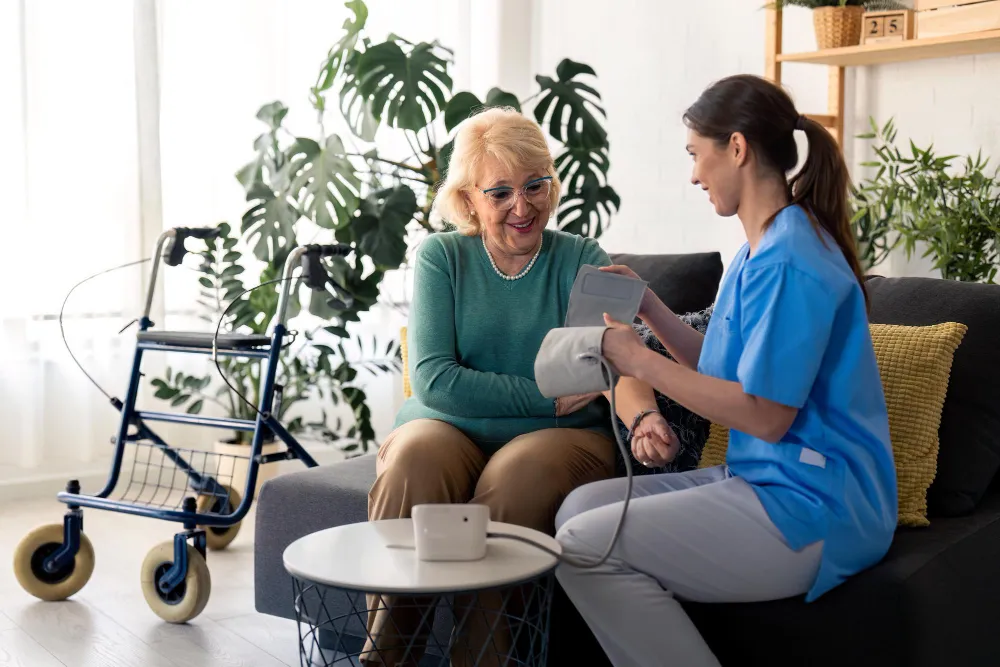
Caring for a loved one at home can be both rewarding and challenging. Many families find themselves navigating complex medical needs while balancing daily life. This is where home nursing care becomes an essential support system, offering professional assistance right in the comfort of your home.
Whether recovering from surgery, managing chronic illness, or seeking daily health monitoring, home nursing care ensures patients receive personalised attention without the stress of frequent hospital visits. Families often benefit from the reassurance that trained professionals are on hand, allowing them to maintain normal routines and emotional stability. Services like TrueCare2u provide comprehensive care solutions that integrate seamlessly with family support.
By understanding the scope, benefits, and practicalities of home nursing care, families can make informed decisions and ensure their loved ones receive the best possible attention.
Home nursing care involves professional medical support provided to patients within their own homes. Unlike hospital-based care, it focuses on comfort, independence, and personalised treatment plans.
Families considering home nursing care often seek guidance on what to expect, how care is structured, and the types of services available. This section explores the foundations of home nursing care and why it may be the right choice for your household.
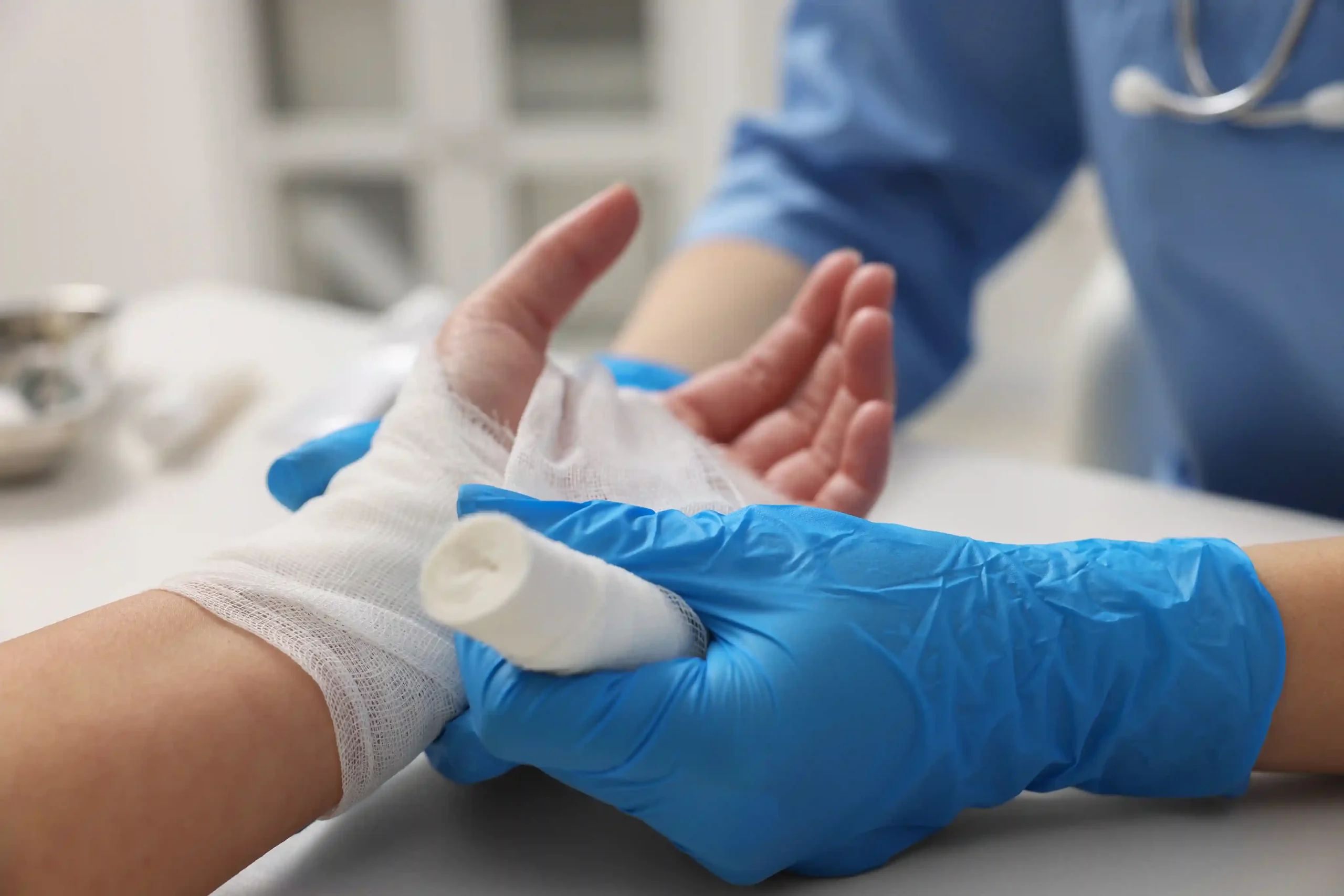
Home nursing care typically includes a wide range of services, such as:
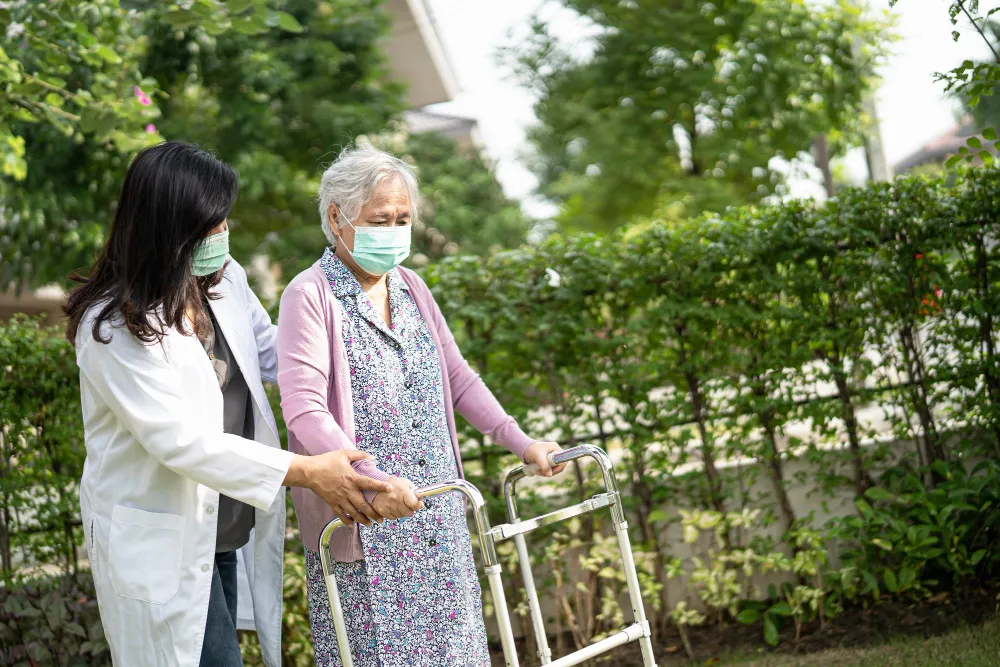
These services ensure that patients receive comprehensive care while remaining in a familiar environment, reducing stress and promoting faster recovery.
The advantages of home nursing care extend beyond convenience. Patients experience higher comfort levels and a personalised approach to care. Key benefits include:
Professional clinics like TrueCare2u highlights provide tailored programmes designed to address these benefits effectively.
Deciding to bring a nurse into your home can be overwhelming. Home nursing care is often considered in situations where professional medical oversight is necessary but hospitalisation is not required.
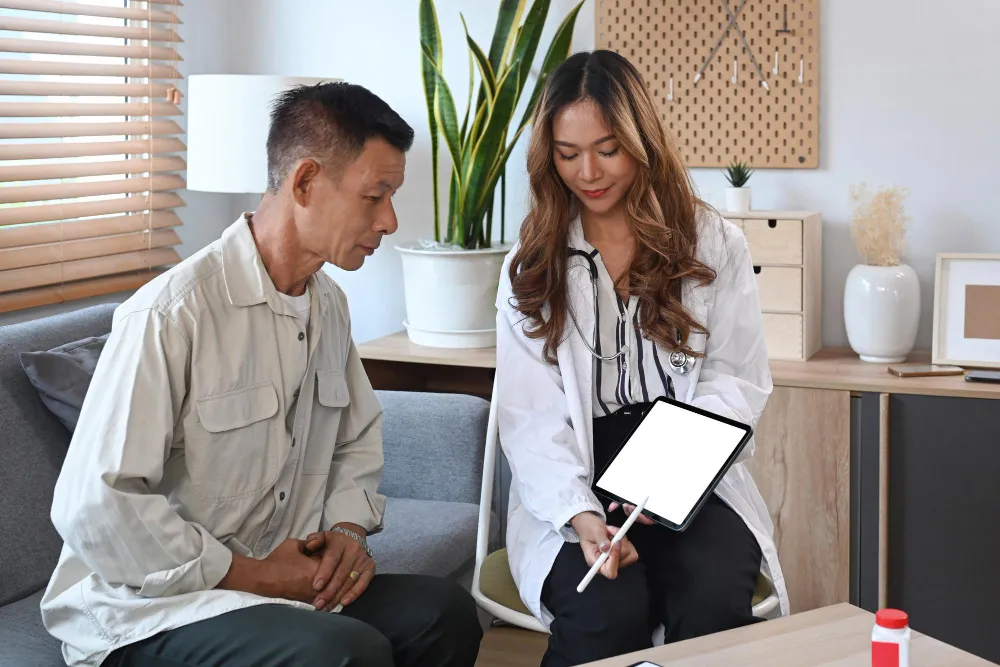
Families must evaluate the patient’s medical needs, home environment, and the level of care they can realistically provide. Identifying the right time to engage home nursing services ensures optimal outcomes and peace of mind.
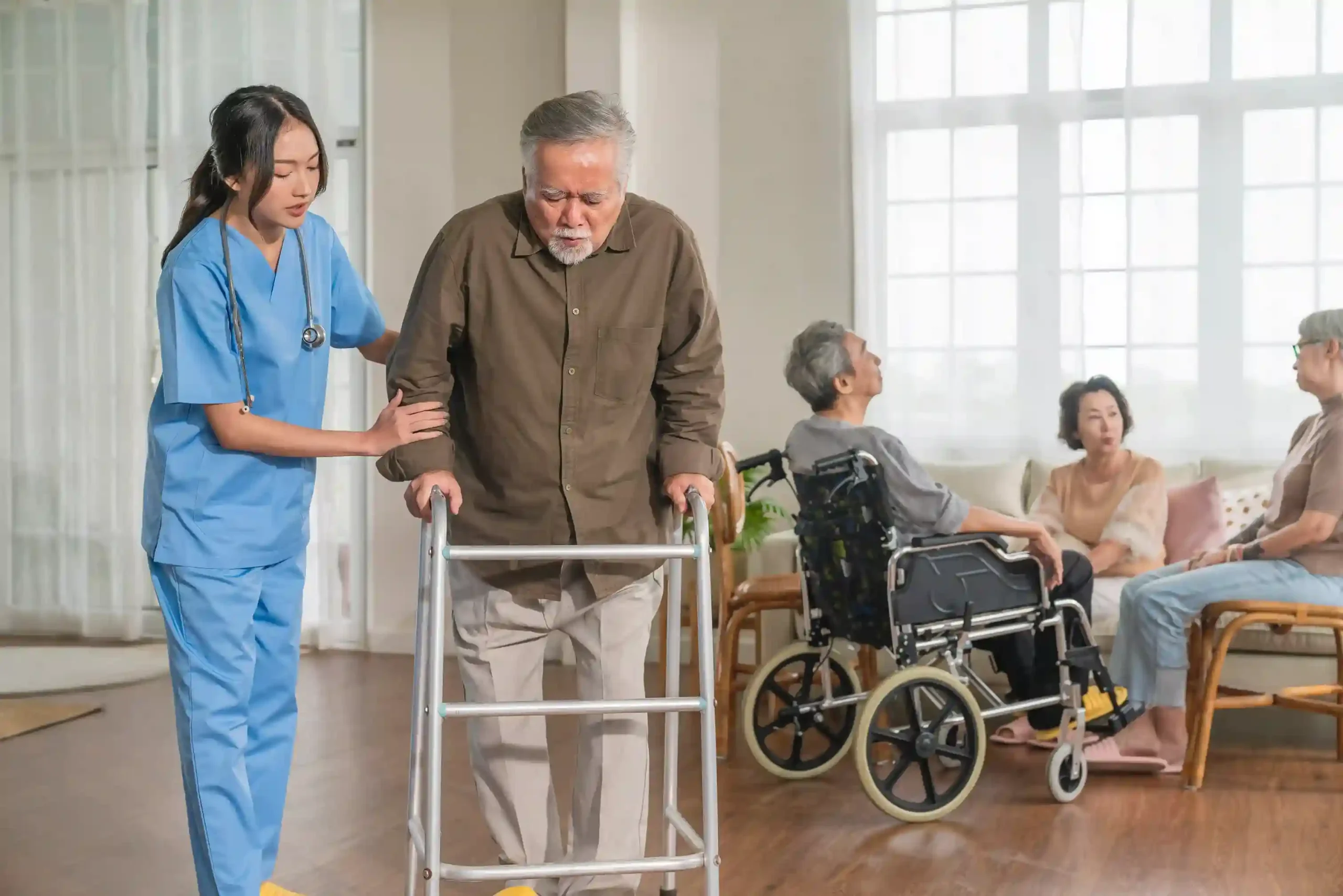
Certain conditions make home nursing care a practical choice:
Families can watch for practical indicators that home nursing may be necessary:
By consulting healthcare providers, families can receive expert assessments and customised care plans.
Selecting a trustworthy home nursing service is crucial for effective care. Home nursing care providers vary in experience, certifications, and service offerings.
This section guides families on evaluating providers and ensuring quality care in a home setting.
When choosing a service, consider these factors:
Effective home nursing care requires preparation and clear communication:
Services like TrueCare2u Get Started can help families streamline the onboarding process and match the right nurse to their needs.
Here are common questions about home nursing care we often receive:
Home nursing care provides professional medical and personal support to patients in their own homes. Nurses monitor health, administer medications, assist with daily living tasks, and provide emotional support. The care plan is tailored to each patient’s needs.
The duration varies depending on the patient’s condition. It can be short-term for recovery after surgery or long-term for chronic illness or palliative care. Care plans are flexible and regularly updated.
Yes. Licensed nurses follow medical protocols and ensure patient safety while providing care. Regular monitoring and professional guidance help reduce risks associated with home treatment.
Absolutely. Nurses assist with medication management, health monitoring, and lifestyle adjustments for chronic conditions, improving overall well-being and reducing hospital readmissions.
Families can contact professional providers like TrueCare2u to schedule assessments, create care plans, and arrange in-home nursing services based on the patient’s needs.
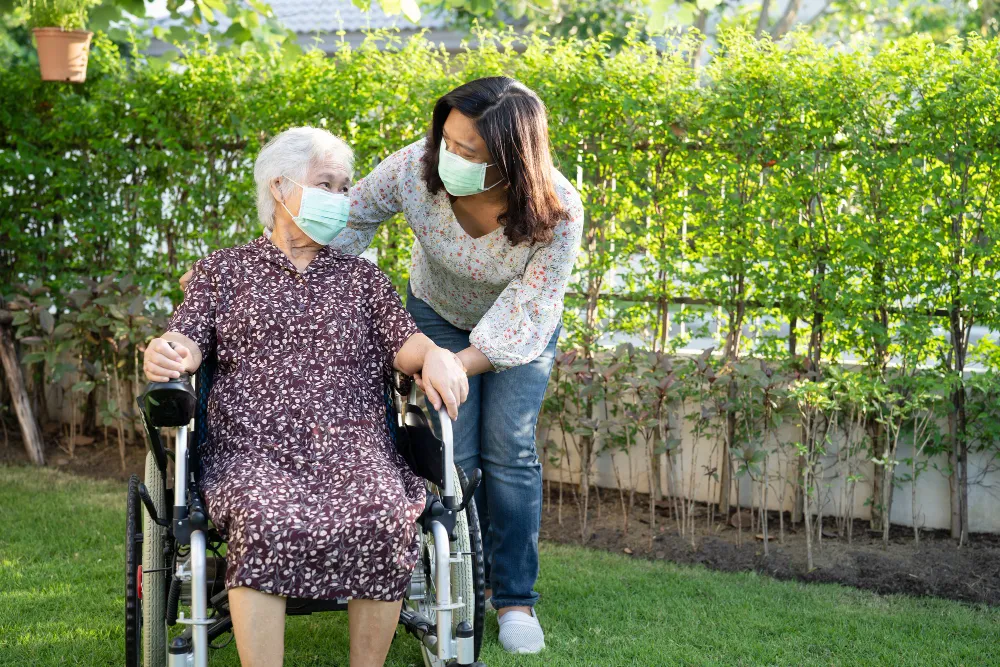
Home nursing care provides a vital bridge between hospital treatment and home living, offering comfort, safety, and personalised attention. By understanding when and how to implement these services, families can ensure their loved ones receive professional support without disrupting daily routines.
Investing in home nursing care enhances recovery outcomes, reduces stress, and improves quality of life for both patients and caregivers. For families exploring professional options, resources like TrueCare2u About provide comprehensive guidance to start home care with confidence.



























































































 Call Us
Spread the love, follow us on our social media channels