

Follow us:


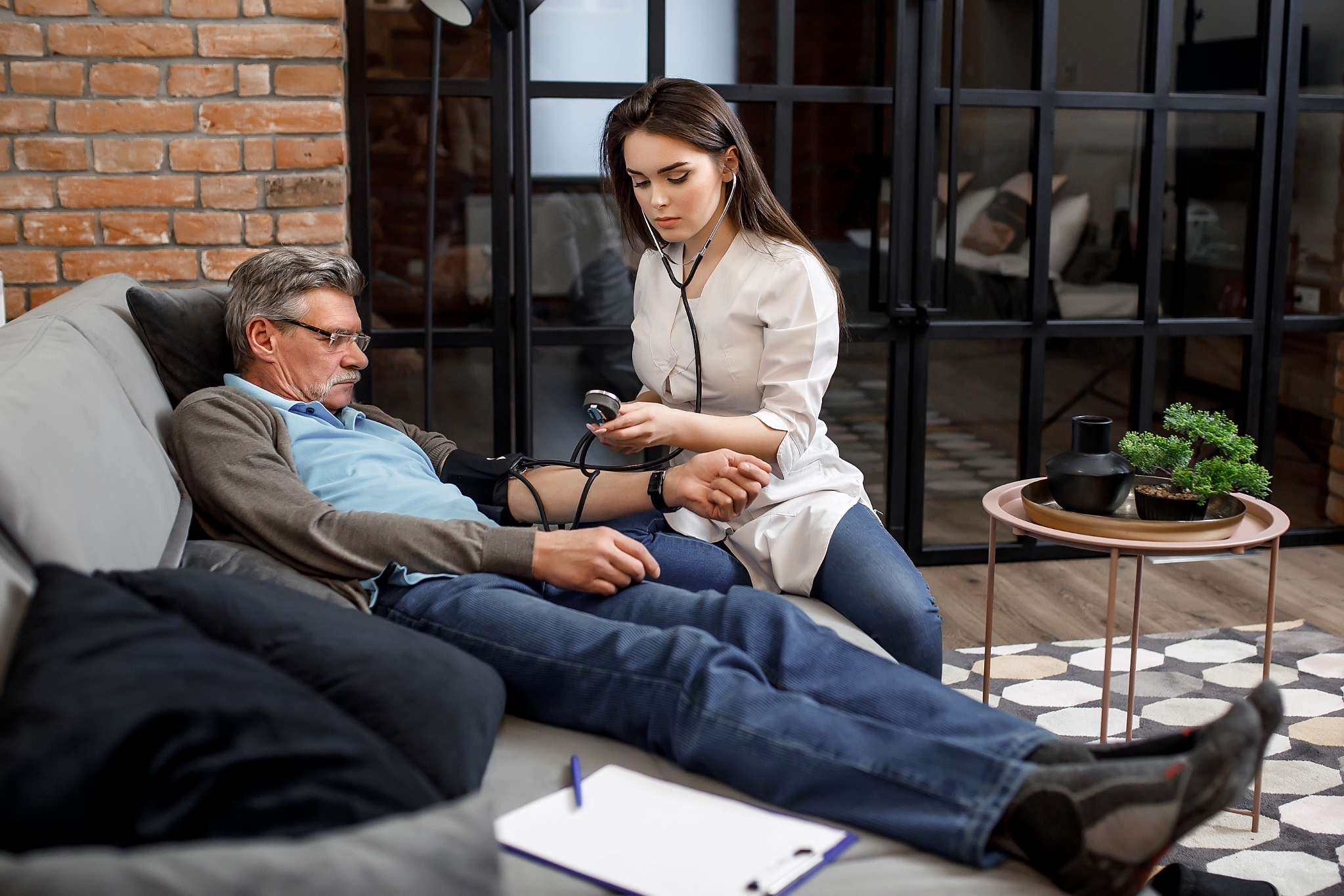
In today’s fast-paced world, recovering from an injury or managing chronic pain can be challenging, especially when travelling to a clinic is inconvenient. Physiotherapy at home offers a practical solution, bringing professional care directly to your doorstep. This approach allows patients to receive personalised attention in a comfortable and familiar environment, which can significantly improve both motivation and recovery outcomes.
Whether you are recovering from surgery, managing back pain, or aiming to improve mobility, physiotherapy at home ensures you don’t compromise on quality of care. Professional providers, like those listed on TrueCare2U, offer tailored programs that cater to your specific needs.
With flexibility and convenience at its core, home-based physiotherapy is becoming increasingly popular among patients who value comfort without sacrificing the effectiveness of treatment.
Choosing physiotherapy at home comes with a host of benefits that enhance both recovery and daily living. Unlike traditional clinic visits, home-based sessions provide personalised attention, convenience, and a safe environment to perform exercises without distractions.
Therapists can closely monitor your movements, correct techniques in real time, and adapt exercises to your unique condition. Personalised attention ensures faster recovery and lowers the risk of re-injury.
Receiving treatment at home eliminates the need to commute, which is especially helpful for patients with limited mobility or post-surgery restrictions. It allows you to schedule sessions around your lifestyle while staying in a familiar and stress-free environment.
Many patients find they are more motivated to perform exercises consistently when they are guided in their own space. Therapists can provide direct support and encouragement, which increases adherence to the rehabilitation plan.
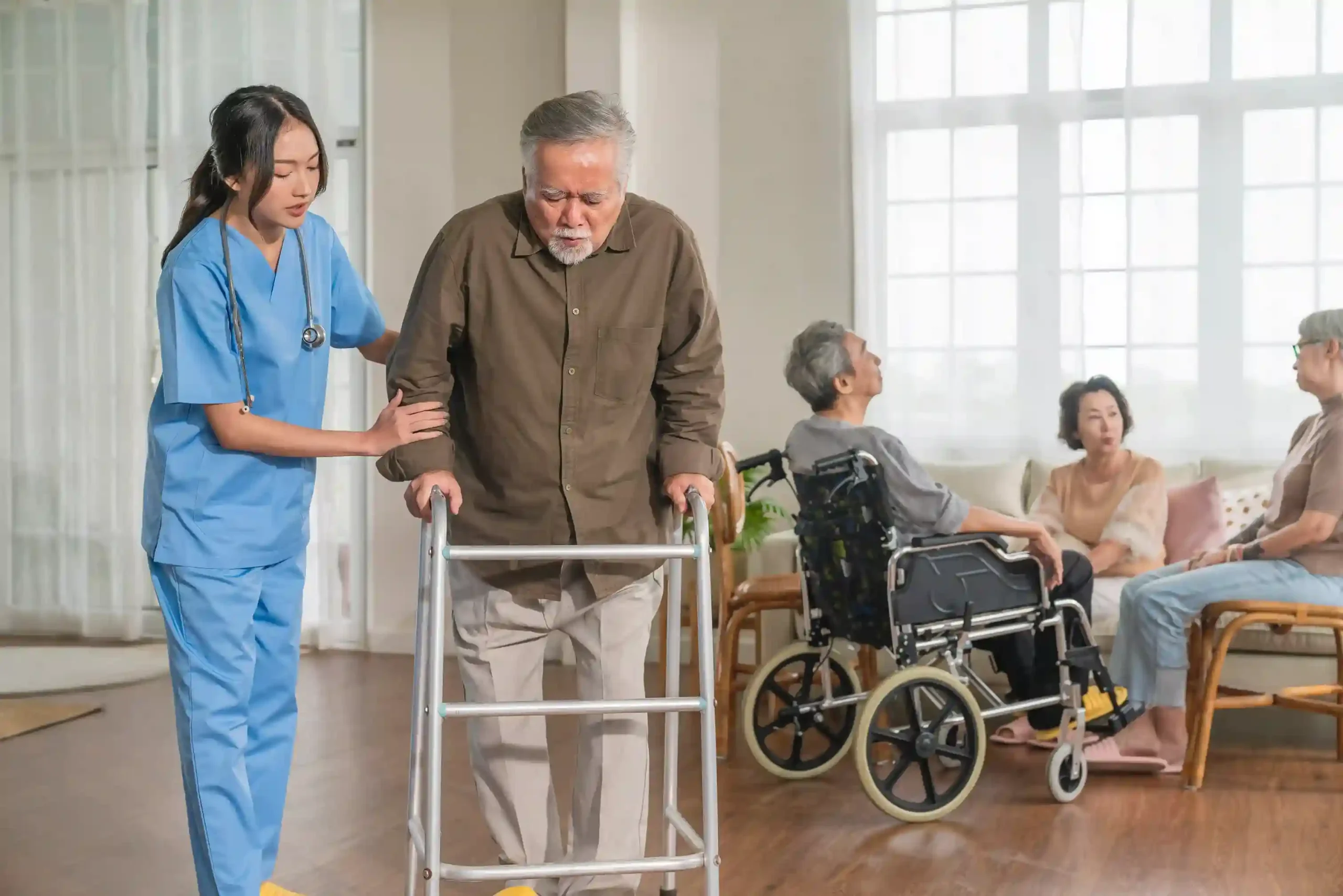
Home sessions reduce exposure to crowded clinics, which is particularly important for elderly or immunocompromised patients. Therapists can also tailor the environment to reduce hazards, such as arranging furniture for safe exercise space.
Understanding the process of physiotherapy at home can help patients set realistic expectations and feel more comfortable with the treatment plan. The process generally involves assessment, customised planning, and ongoing progress monitoring.
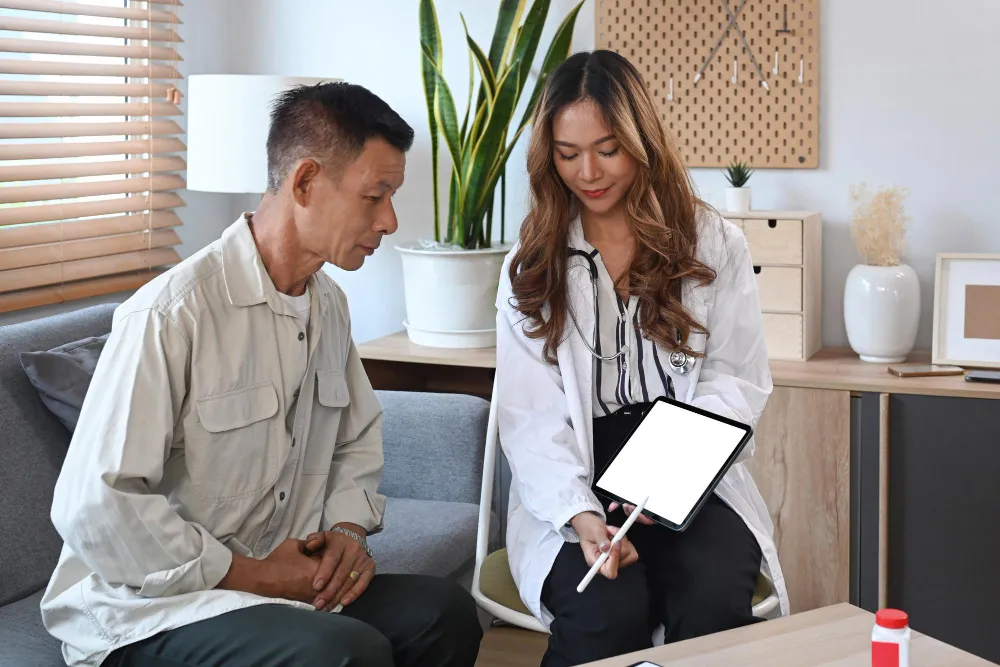
A licensed physiotherapist will begin with a detailed assessment of your condition, mobility, and medical history. This stage identifies the root cause of pain or functional limitations. Therapists may also review prior medical reports or liaise with other healthcare providers through platforms like TrueCare2U to ensure comprehensive care.
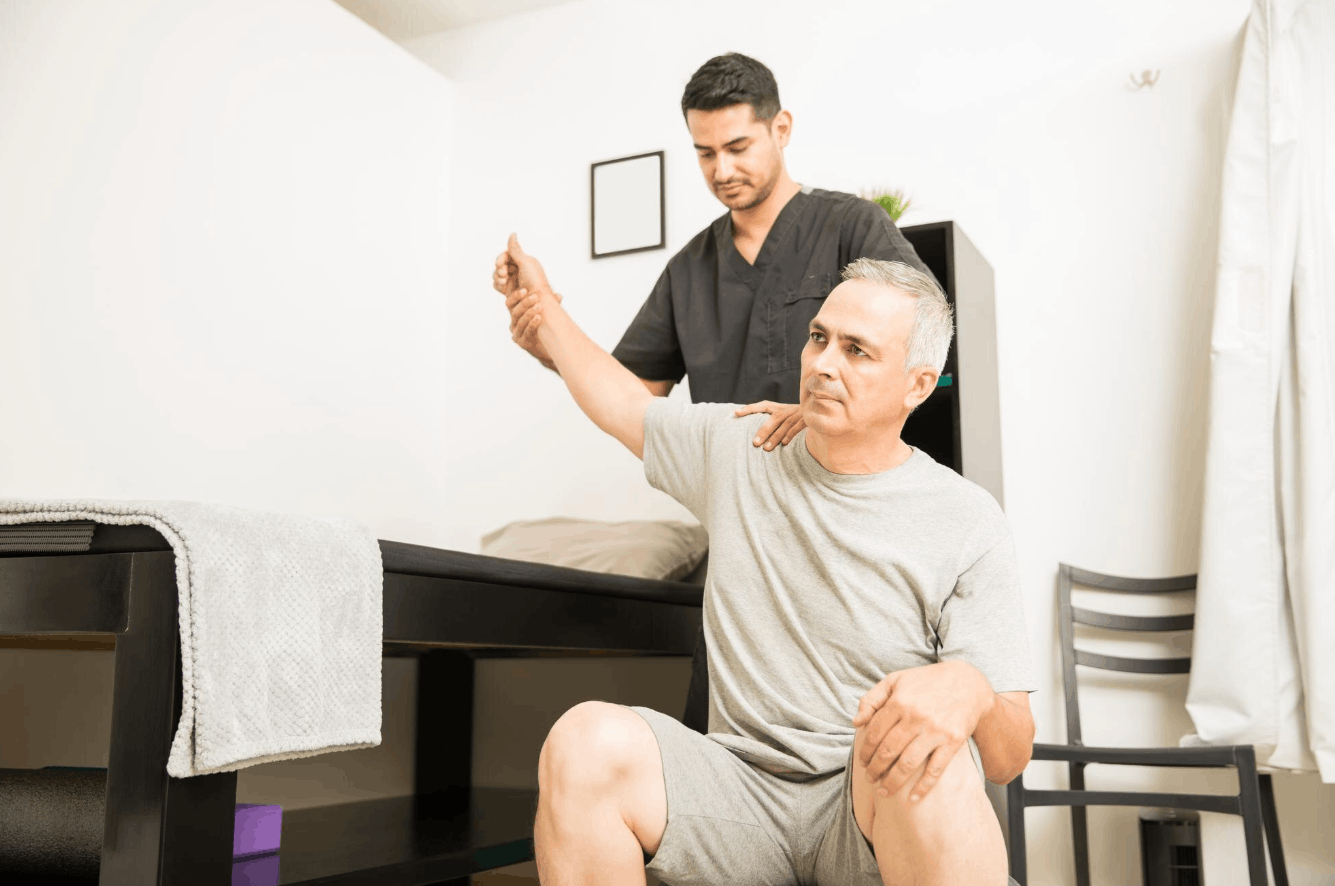
Based on the assessment, a customised rehabilitation plan is created. Exercises focus on improving strength, flexibility, balance, and range of motion. The therapist may provide hands-on therapy, such as massage or joint mobilisation, and demonstrate exercises to be performed independently between sessions.
Progress is tracked regularly, with exercises adjusted according to improvements or setbacks. Therapists may also provide guidance on ergonomics, posture, and lifestyle changes to maximise long-term recovery.
Physiotherapy at home is suitable for a variety of conditions, from post-surgical rehabilitation to chronic pain management. Its versatility makes it ideal for patients of all ages.
Home physiotherapy effectively treats sprains, strains, back pain, and joint injuries. Therapists guide targeted exercises to restore movement and reduce discomfort.
Patients recovering from surgeries such as knee replacements or spinal procedures benefit from home-based care, as it reduces the need to travel and provides tailored support during the critical recovery phase.
For conditions like arthritis, osteoporosis, or long-term joint pain, physiotherapy at home offers consistent care while teaching exercises that help manage symptoms and prevent deterioration.
Patients recovering from stroke, multiple sclerosis, or Parkinson’s disease often require specialised physiotherapy. In-home sessions allow therapists to work closely with family members and adapt exercises to daily routines, enhancing independence and safety.
Here are common questions about physiotherapy at home we often receive:
Physiotherapy at home involves licensed therapists visiting your residence to provide assessment, treatment, and exercise guidance. It works by creating a personalised rehabilitation plan and adjusting exercises based on progress.
Yes. Home physiotherapy is especially effective post-surgery as it provides hands-on care, reduces travel-related strain, and ensures exercises are performed correctly for faster recovery.
Most sessions range from 30 to 60 minutes, depending on the patient’s condition and treatment plan. Therapists may recommend additional exercises to be done independently.
Absolutely. Home physiotherapy allows elderly patients to exercise in a controlled environment, with therapists adapting routines to reduce fall risks and improve mobility safely.
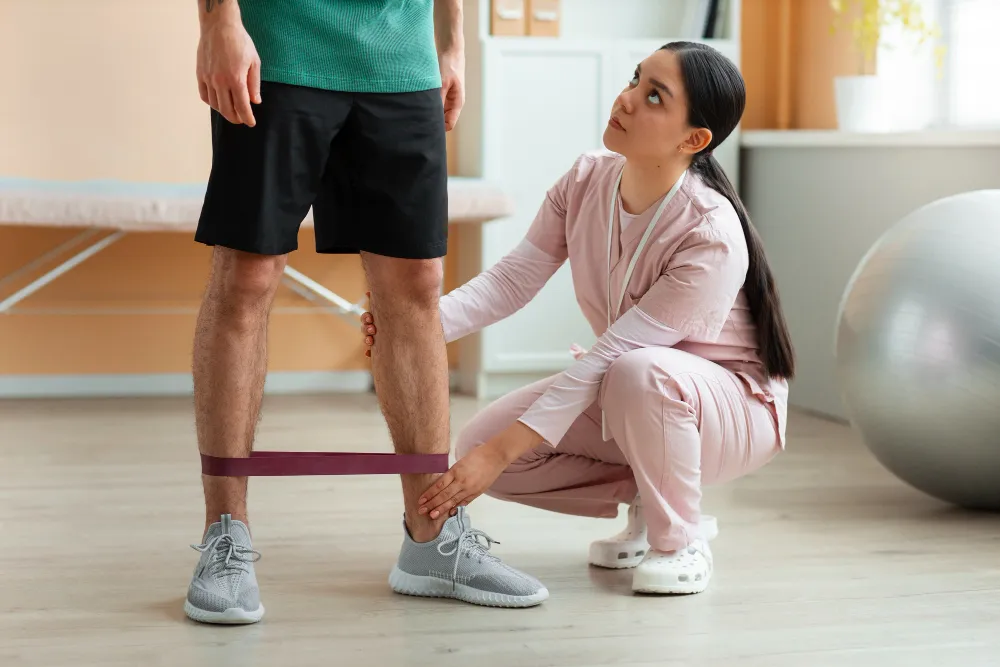
While some exercises use simple items like resistance bands or chairs, therapists usually design plans using minimal equipment. Professional providers, such as those featured on TrueCare2U, can advise on necessary tools.
Physiotherapy at home offers a flexible, safe, and highly personalised approach to rehabilitation and pain management. By combining expert guidance with the comfort of home, patients can achieve faster recovery, improved mobility, and enhanced overall wellbeing.
Choosing professional services ensures each session is tailored to your unique needs, helping you maintain consistency and motivation throughout the rehabilitation journey. For more information on available home physiotherapy options, explore the services provided by TrueCare2U and connect with experienced providers who can guide your recovery safely and effectively.







































































































































 Call Us
Spread the love, follow us on our social media channels