

Follow us:


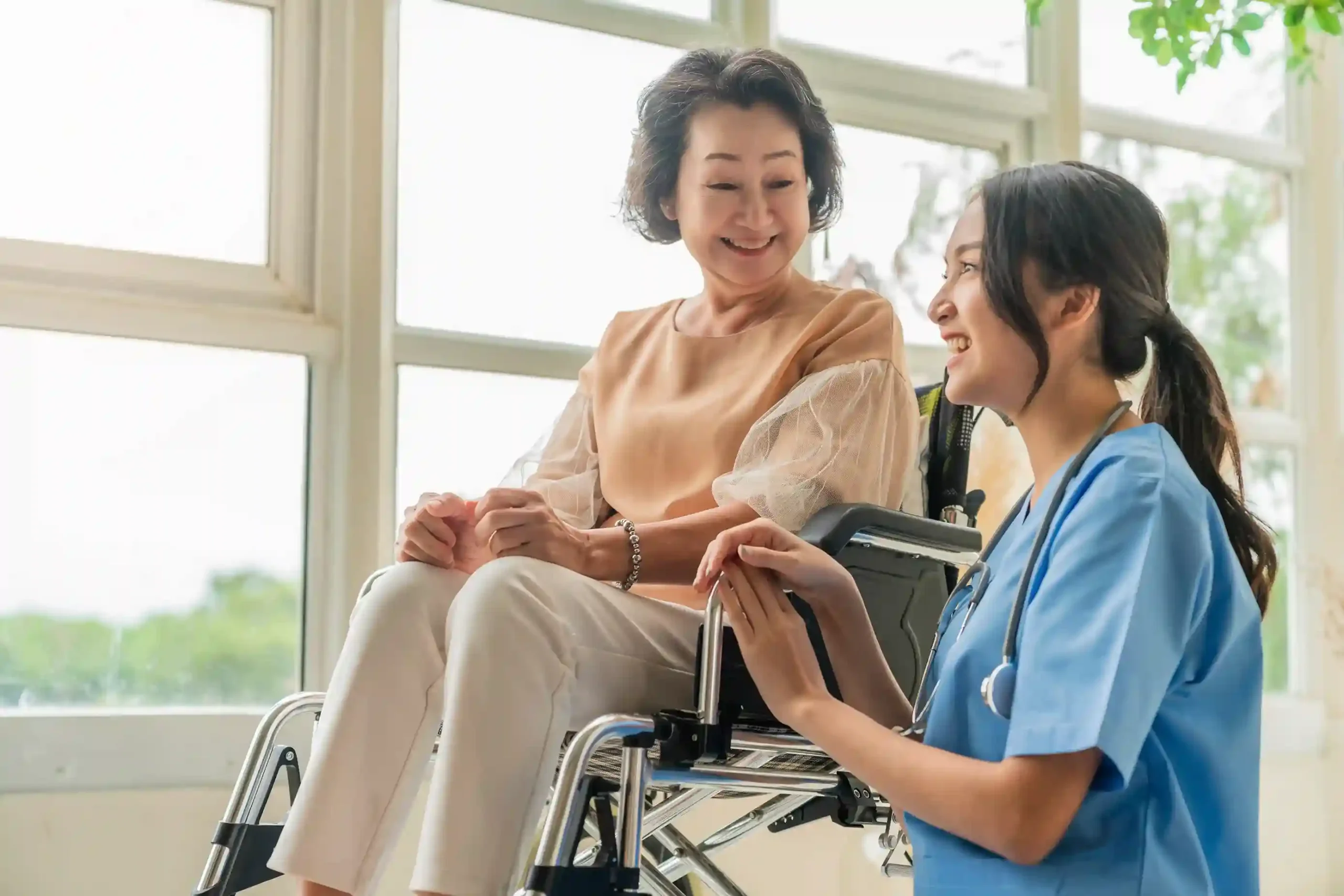
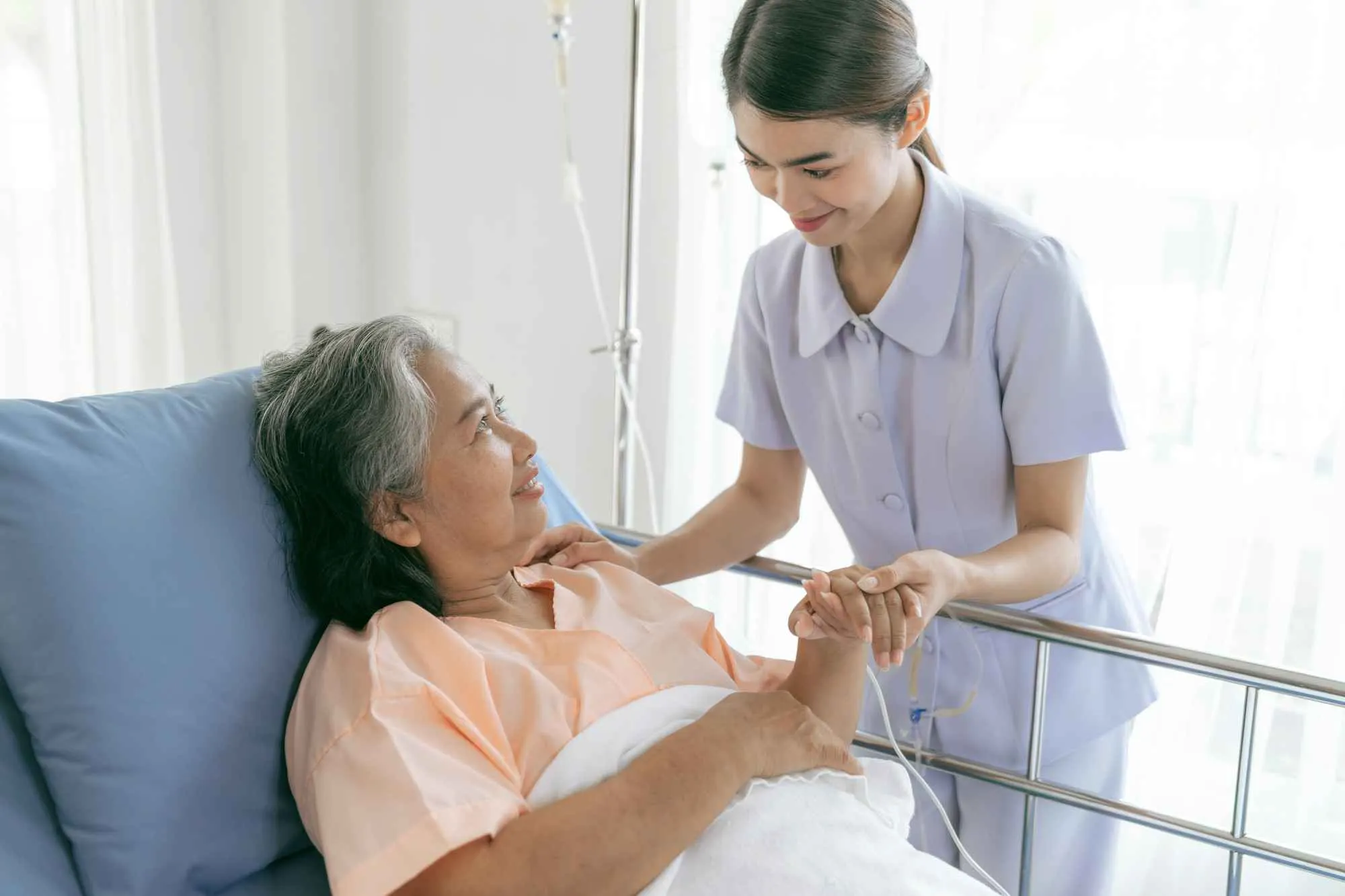
Many families face the challenge of caring for elderly parents or recovering loved ones whilst managing work and daily responsibilities. Home nursing services offer a practical solution, bringing professional medical care directly to the comfort of your home. Rather than navigating hospital visits or residential facilities, patients receive personalised attention in familiar surroundings, which often accelerates recovery and improves overall wellbeing.
Understanding what to expect from reliable home nursing services helps families make informed decisions about care options. From initial assessments to daily health monitoring, professional nurses provide comprehensive support tailored to individual needs. Whether you are seeking post-operative support, elderly care, or chronic disease management, knowing the key components of quality home nursing empowers you to choose professionals that align with your family’s requirements.
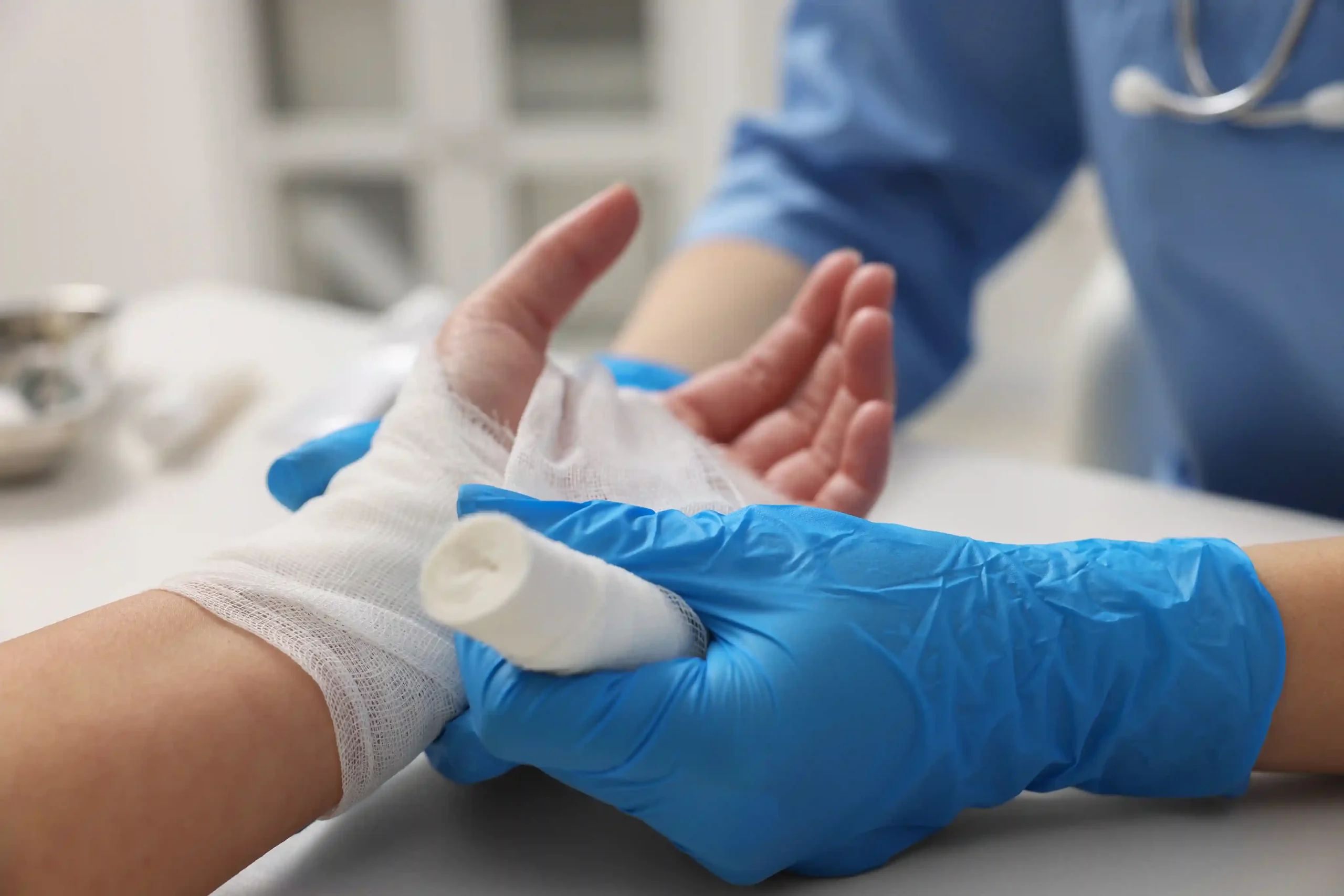
Home nursing services encompass a wide range of medical and personal care delivered by qualified healthcare professionals in the patient’s residence. These services include skilled nursing procedures such as wound dressing, medication administration, vital signs monitoring, and post-surgical care. The primary goal is to provide hospital-level care within the comfort and privacy of home, promoting faster recovery and greater independence.
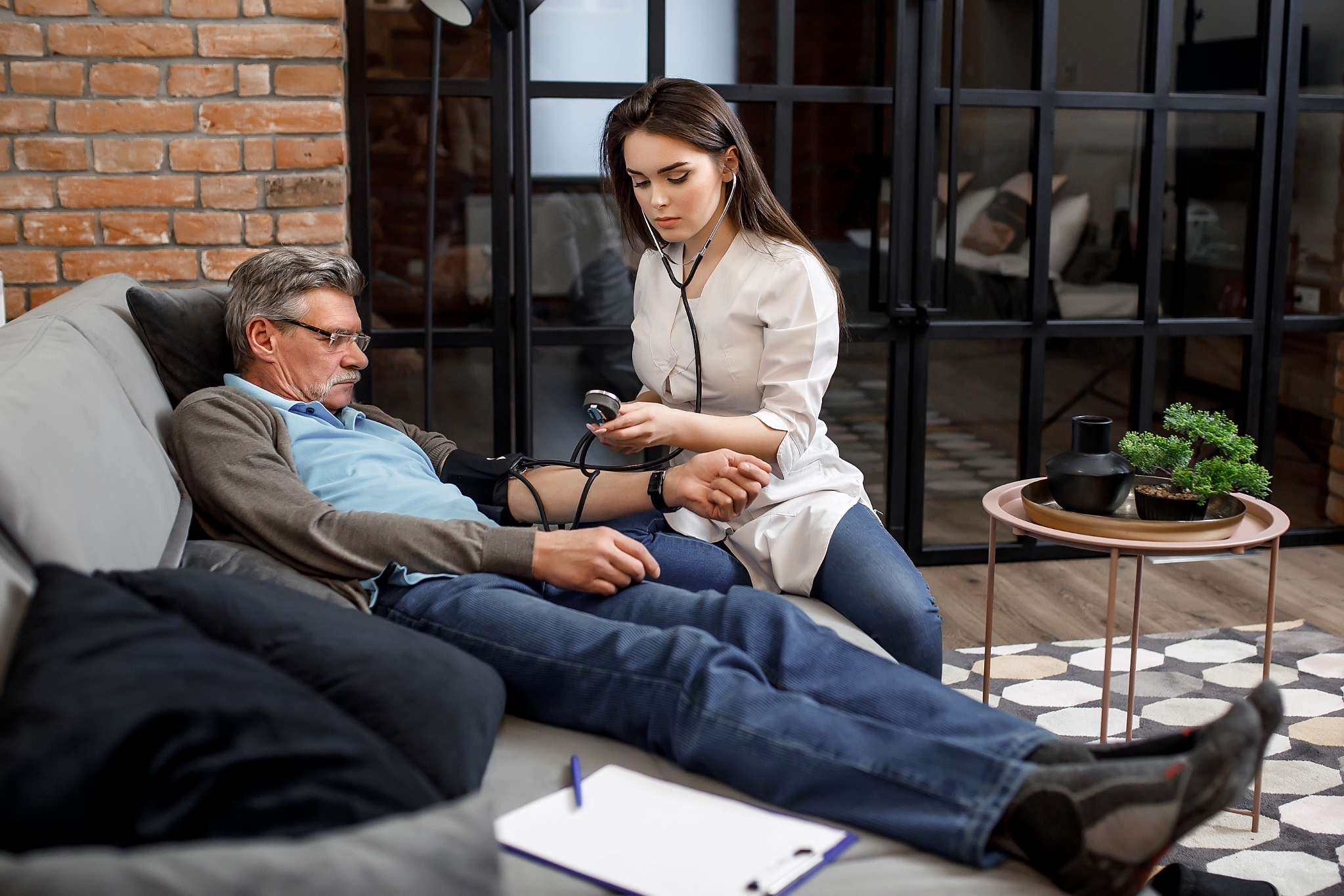
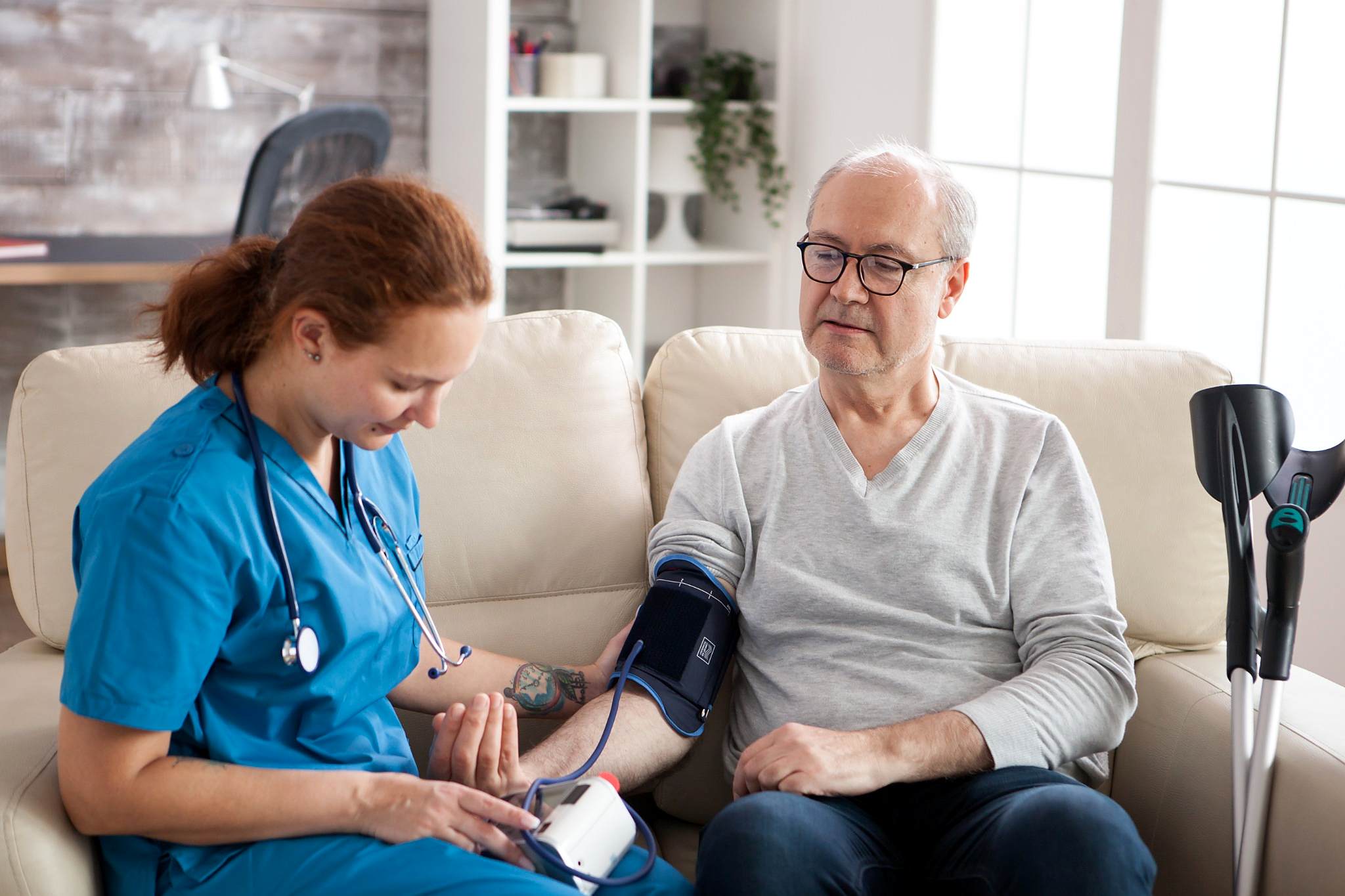
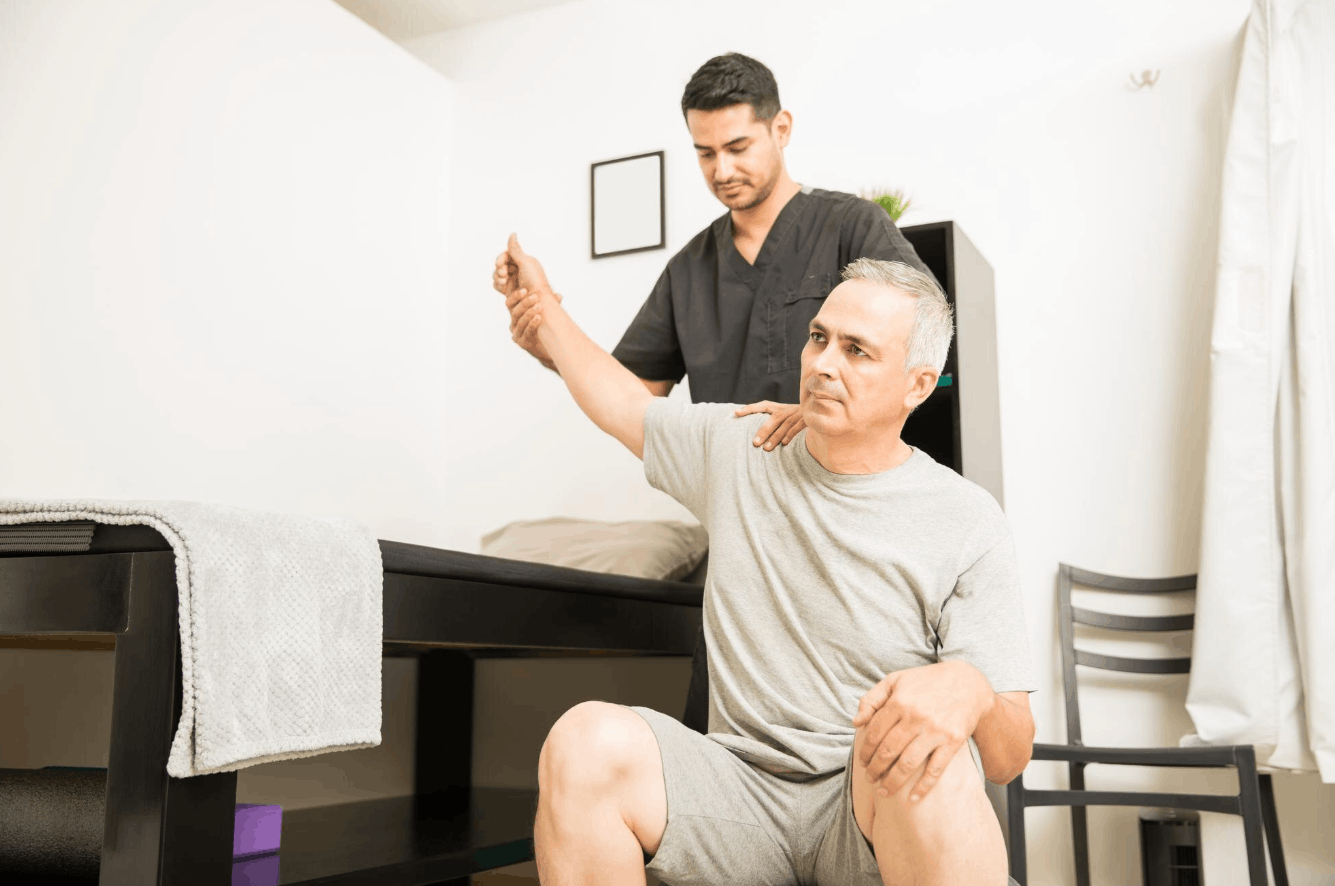
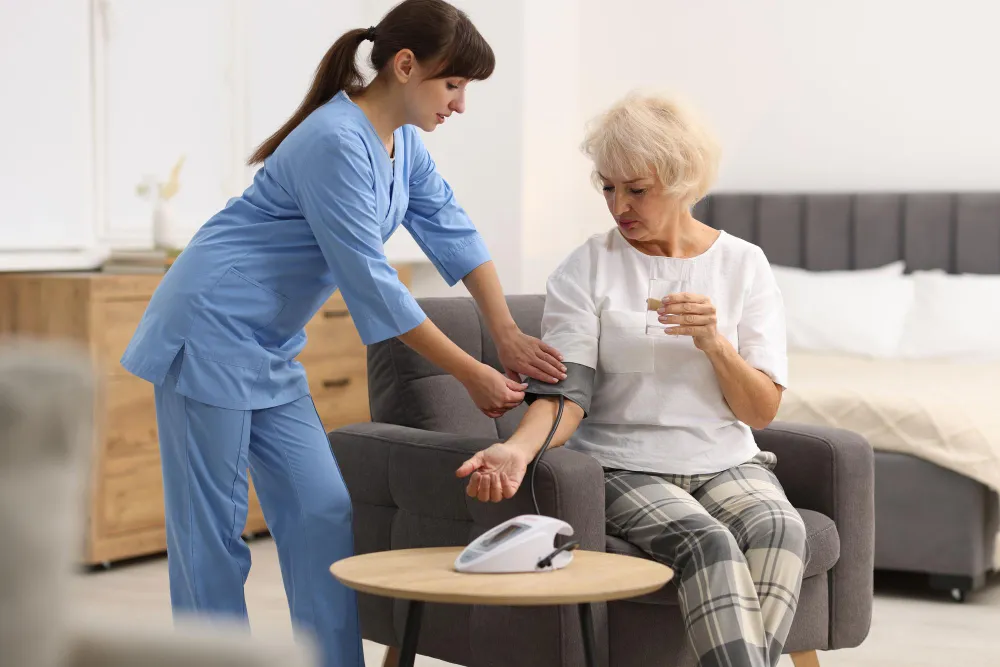
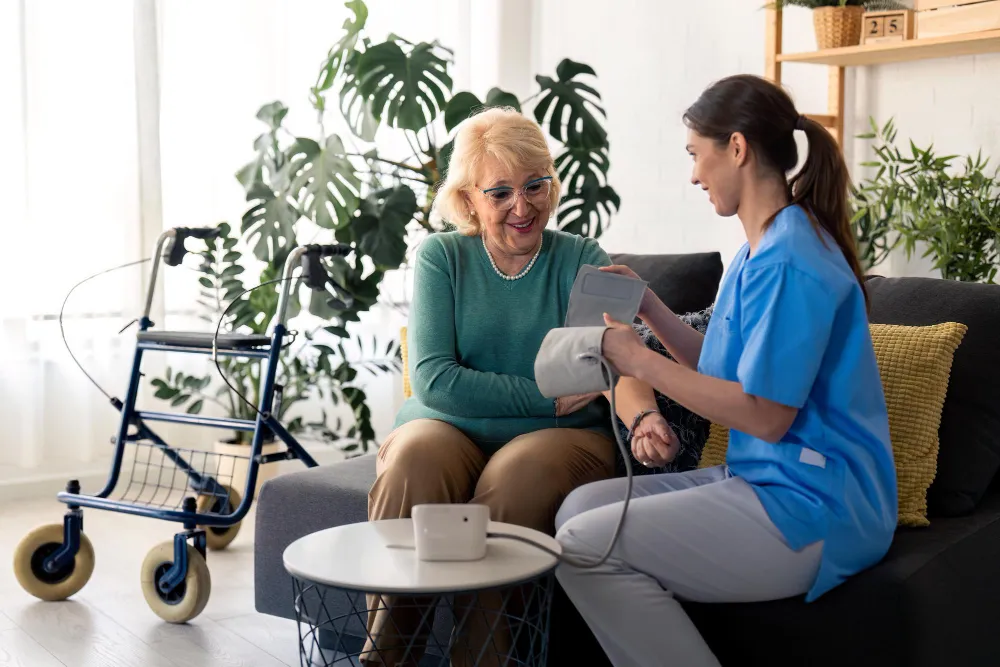
Professional home nurses handle complex medical needs, including intravenous therapy, catheter care, stoma management, and chronic disease monitoring. During each visit, the nurse assesses the patient’s health condition, monitors vital signs such as blood pressure and heart rate, and administers prescribed medications accurately. These clinical interventions ensure patients receive the same standard of medical attention they would in a healthcare facility, but with personalised one-on-one care. Nurses also coordinate with doctors and specialists to adjust treatment plans as the patient’s condition evolves.
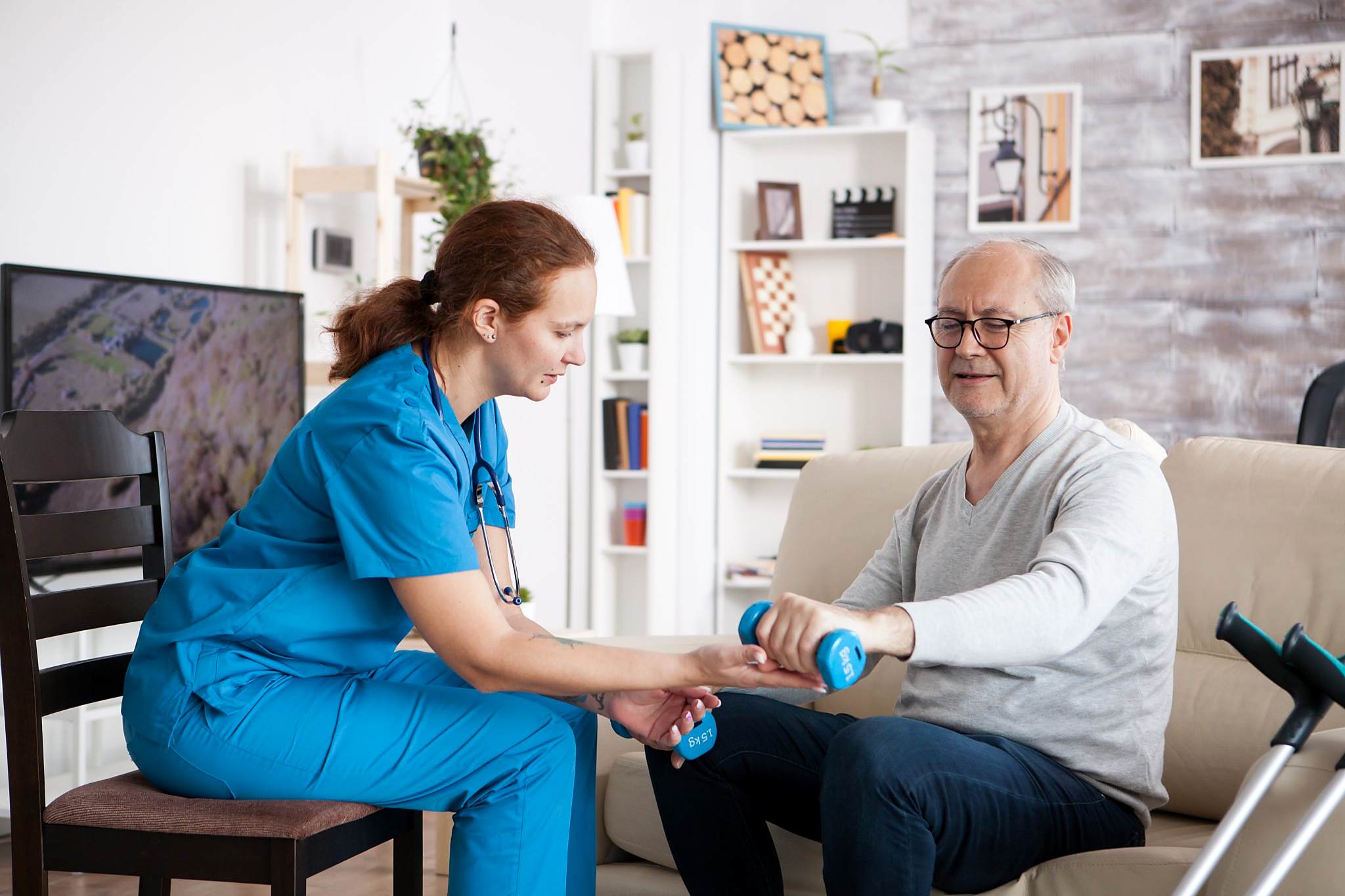
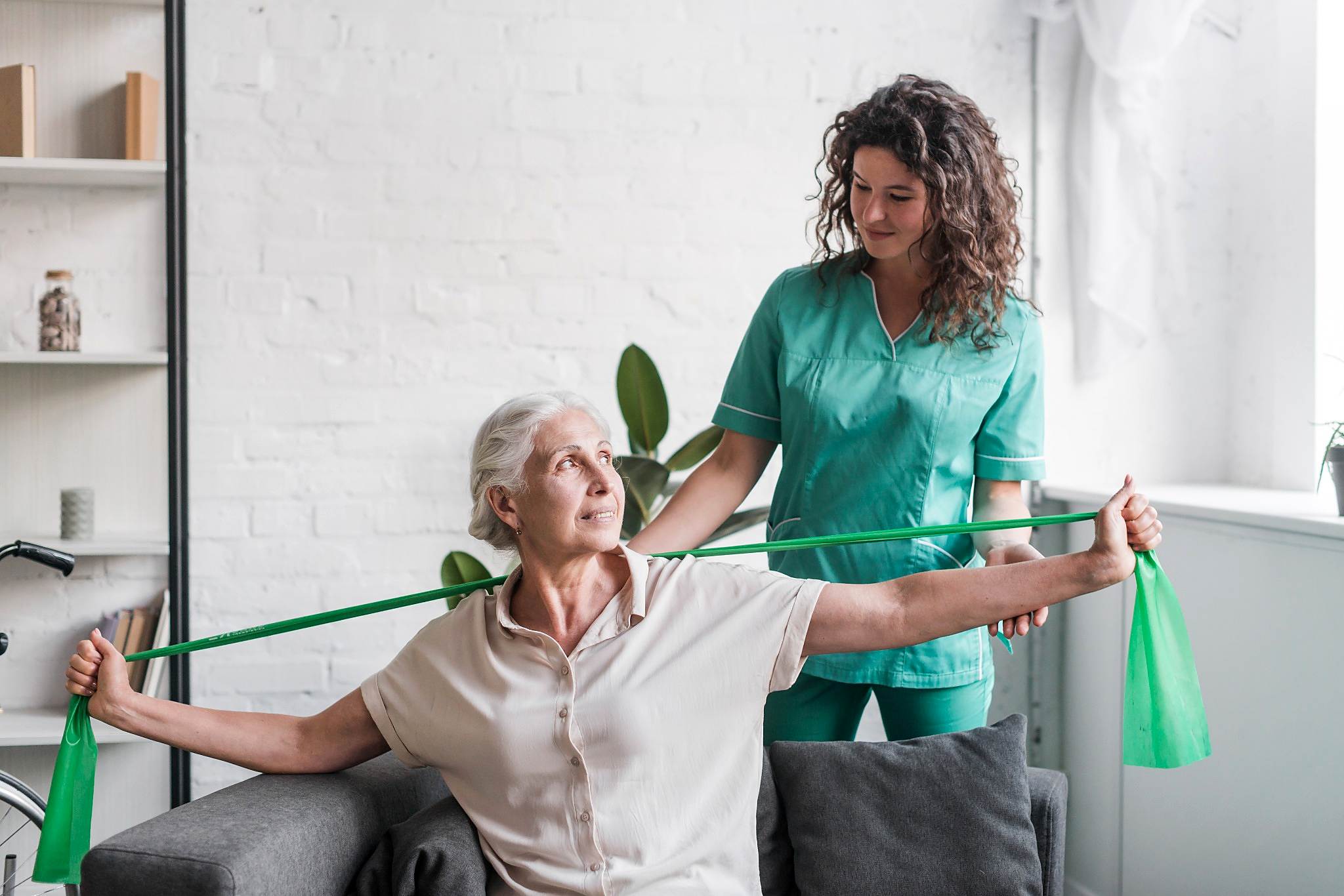
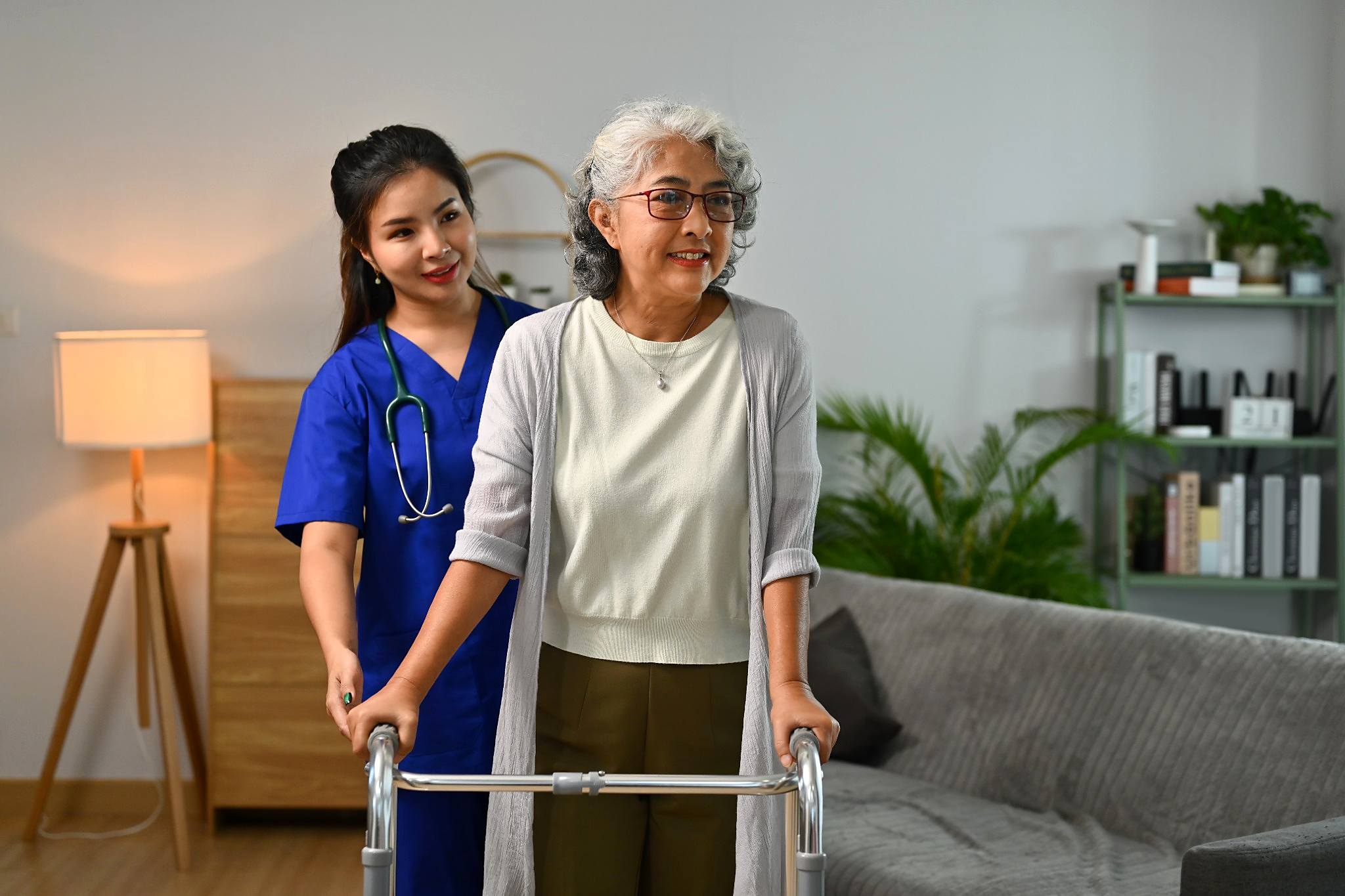
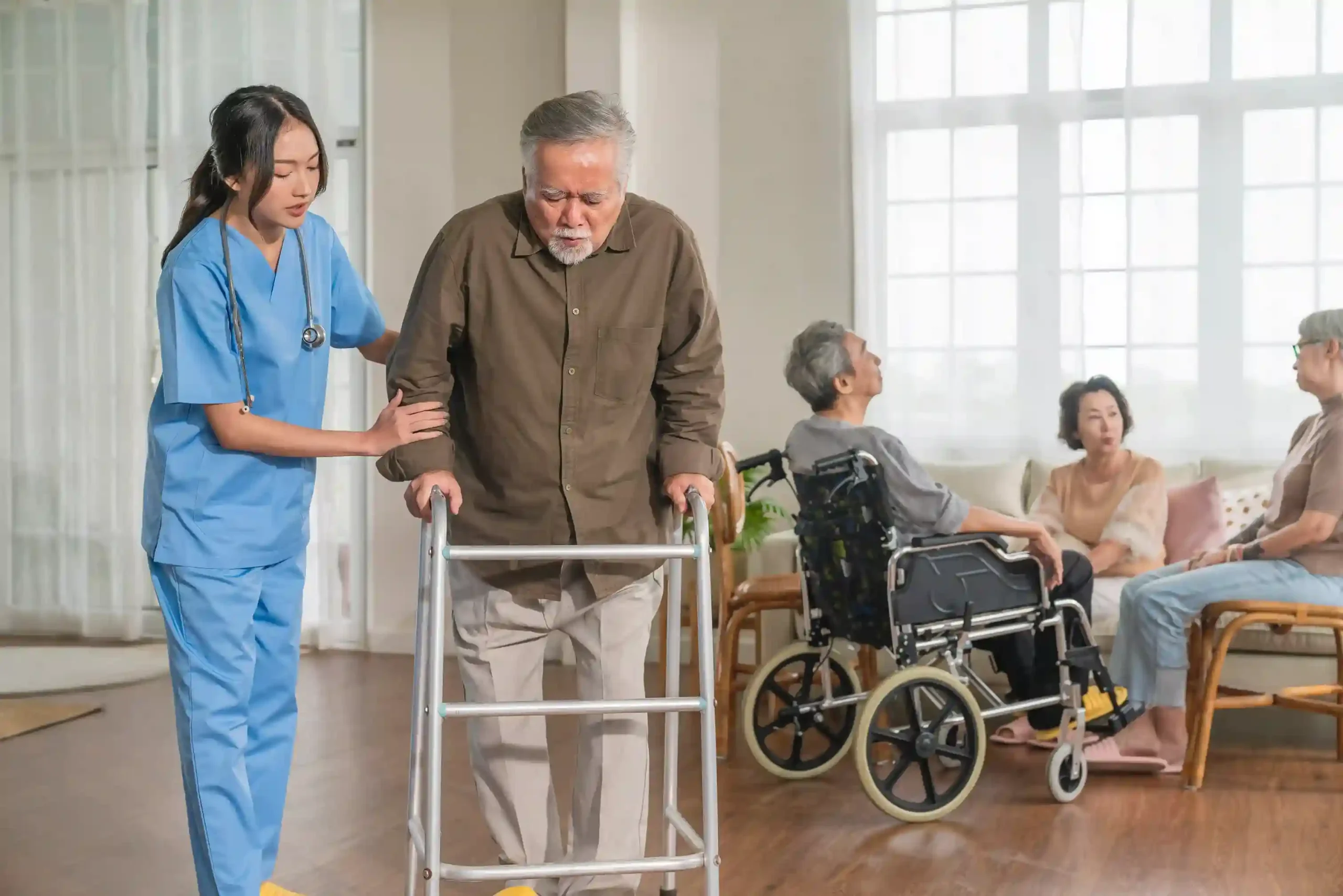
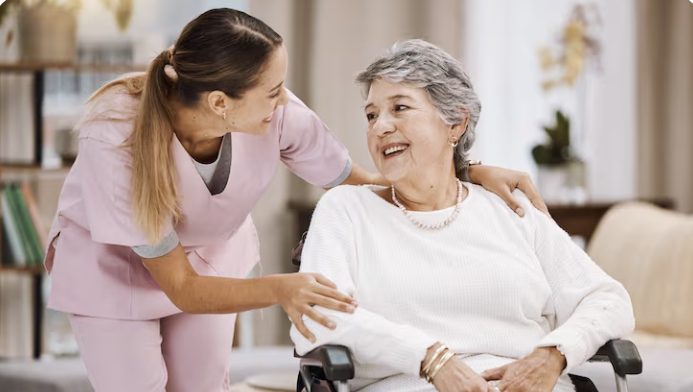
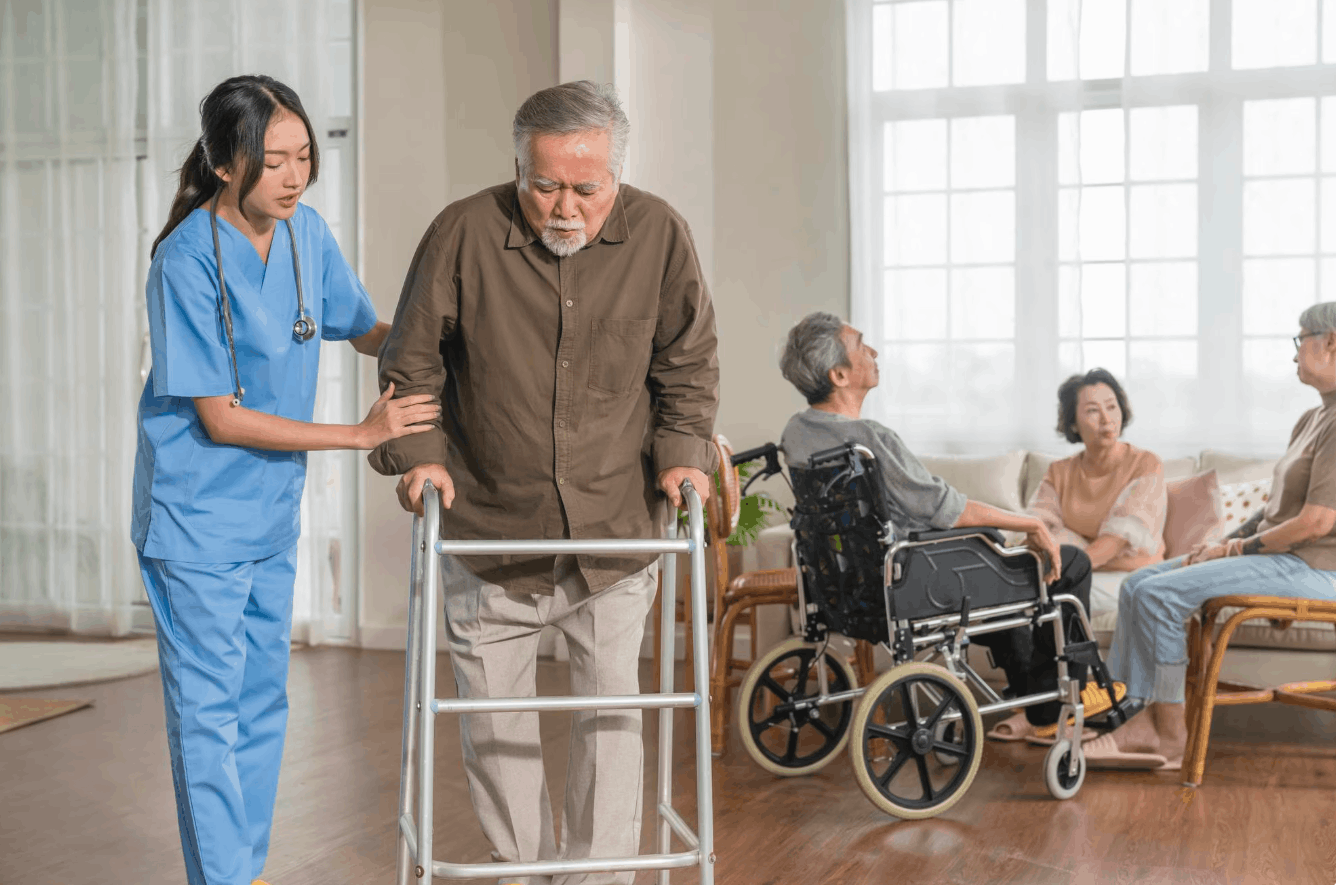
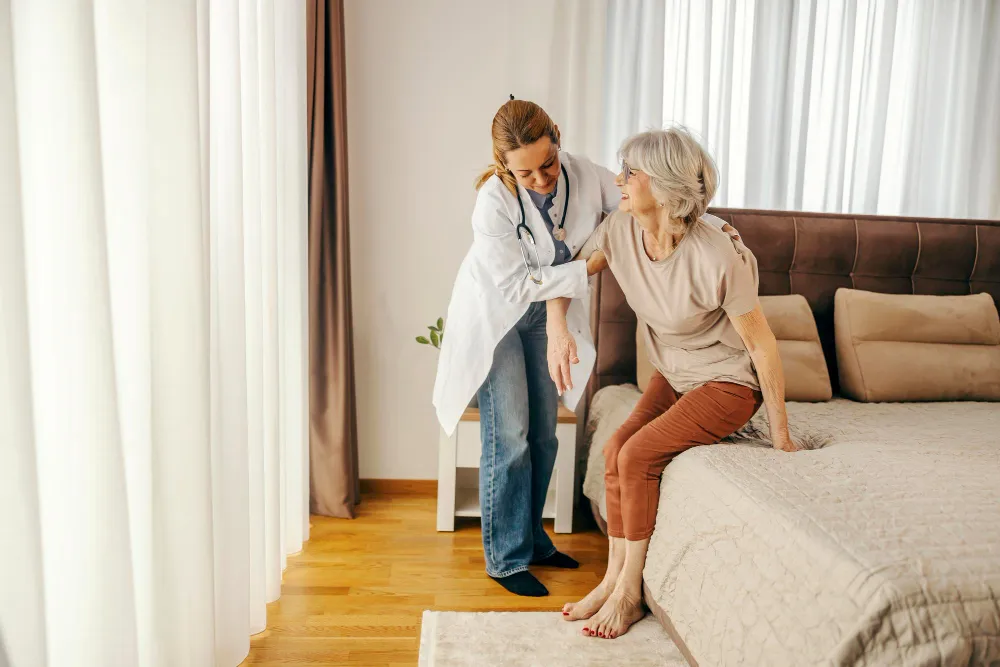
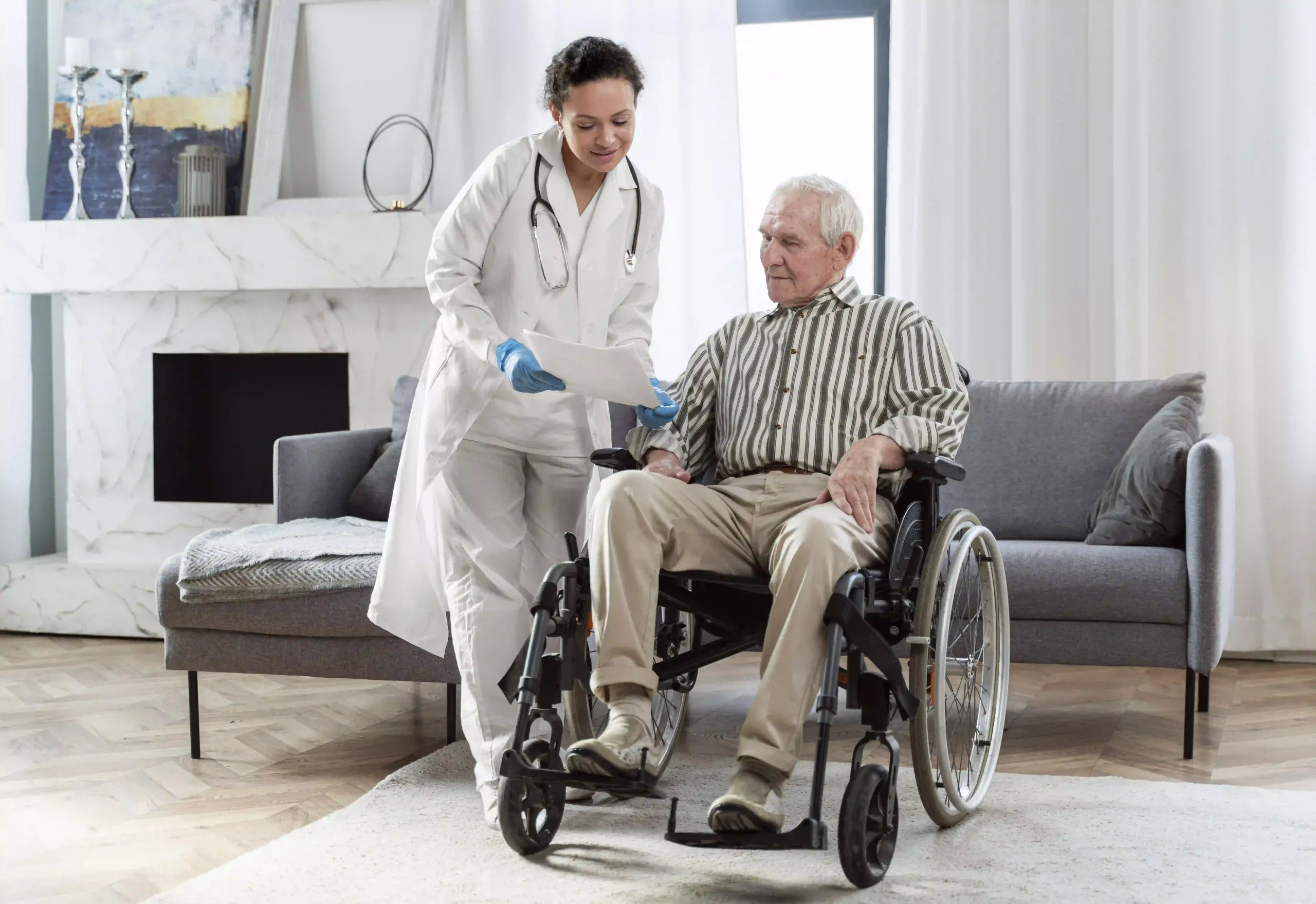
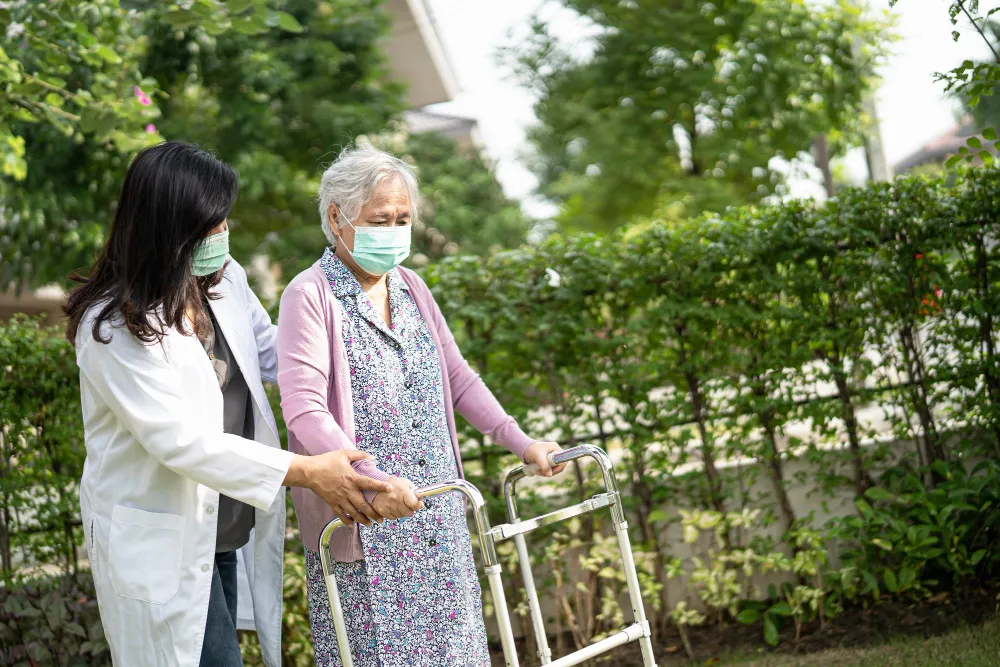
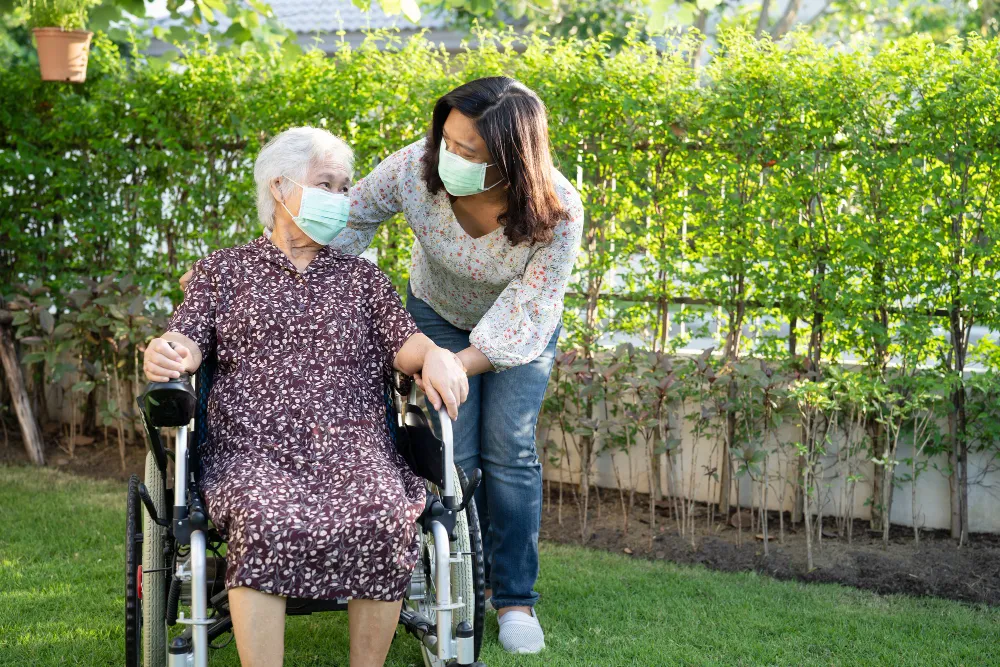
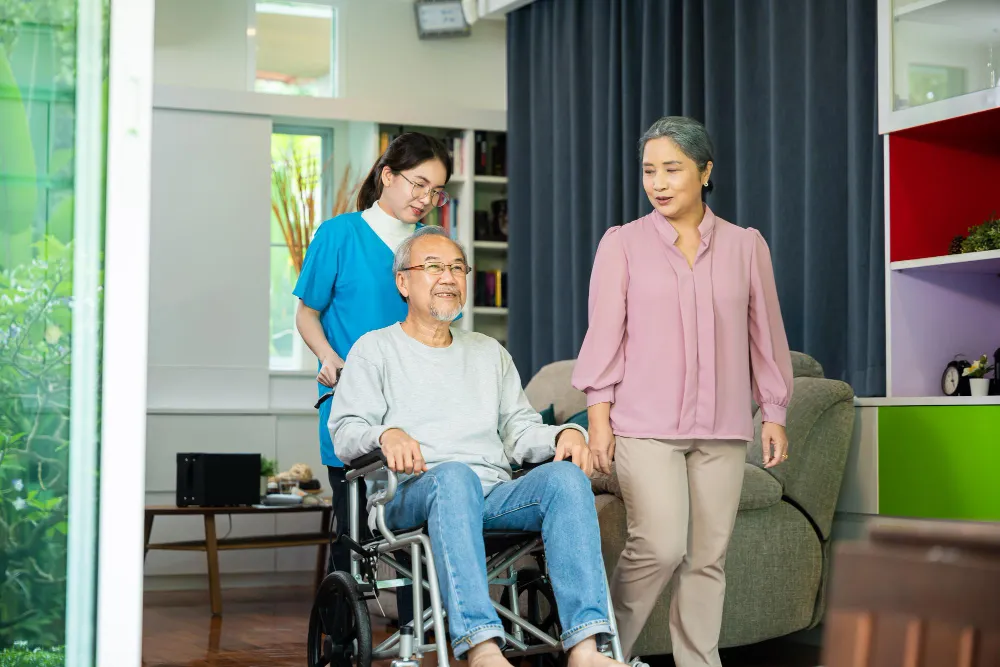
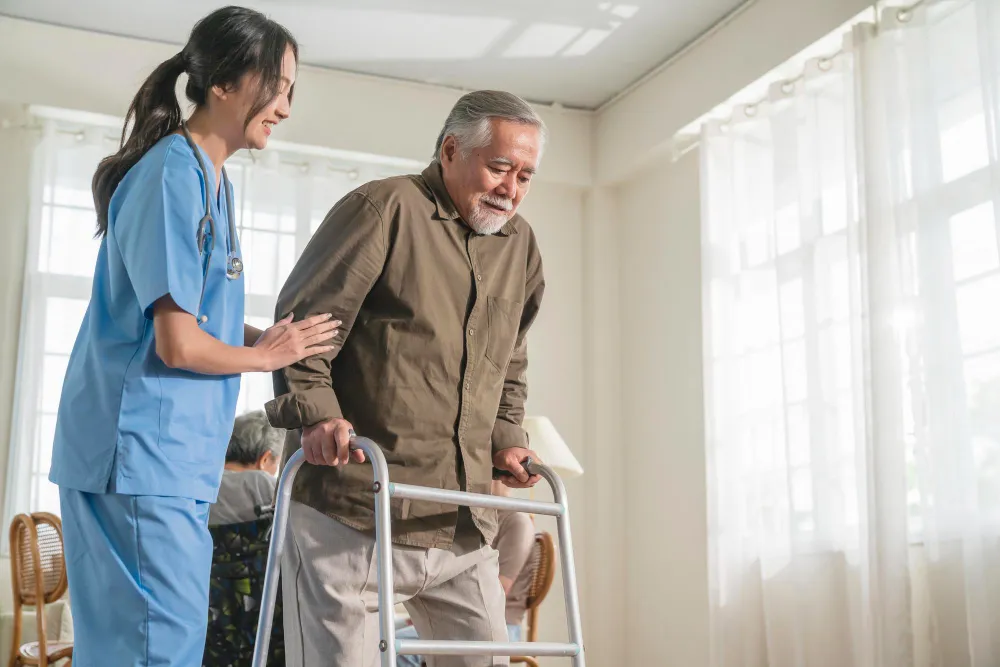
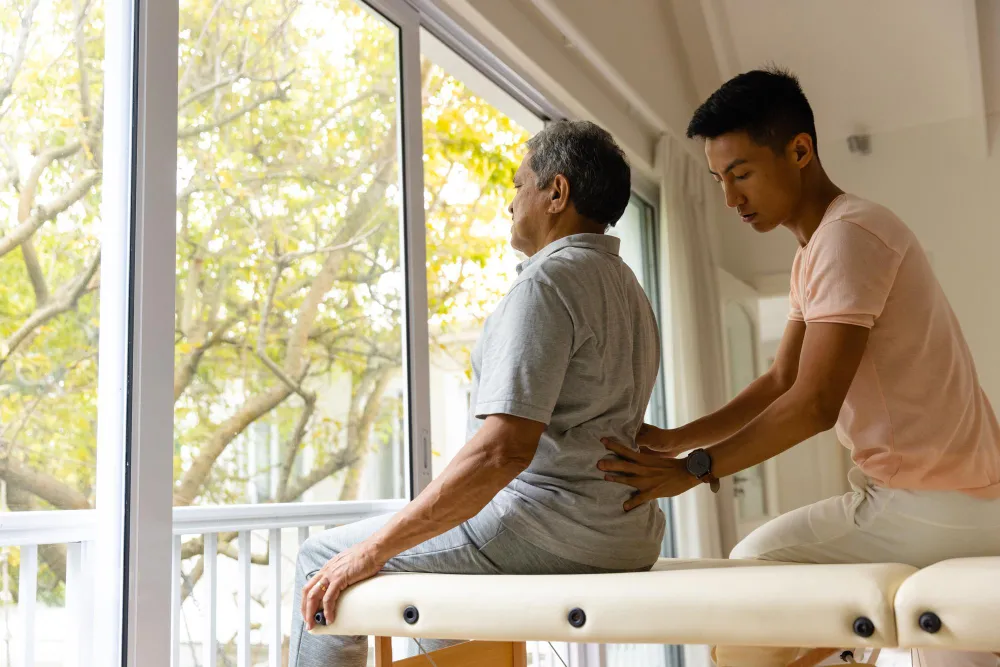
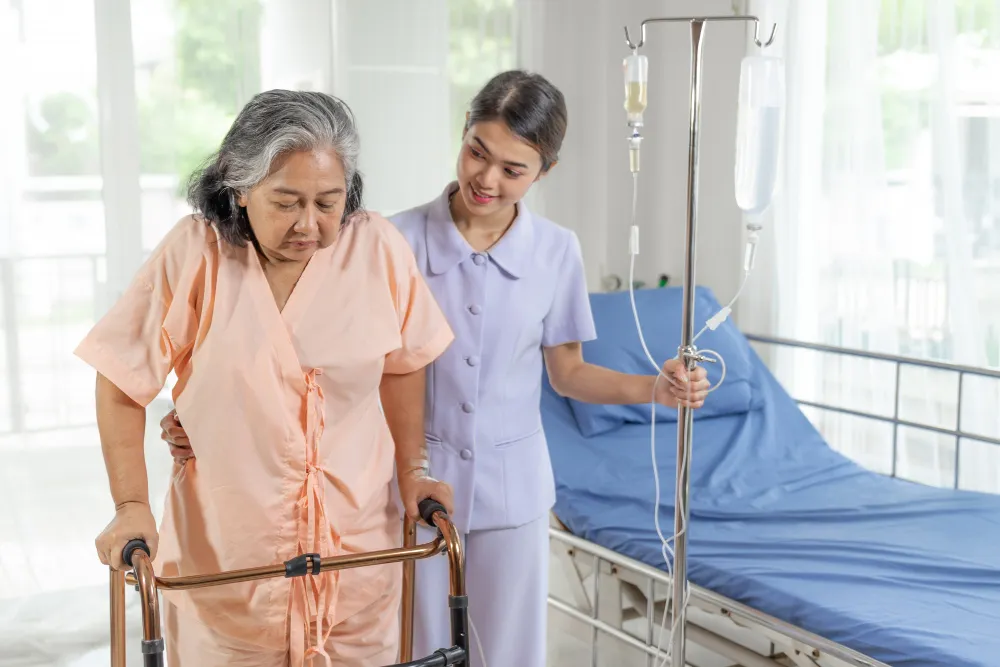
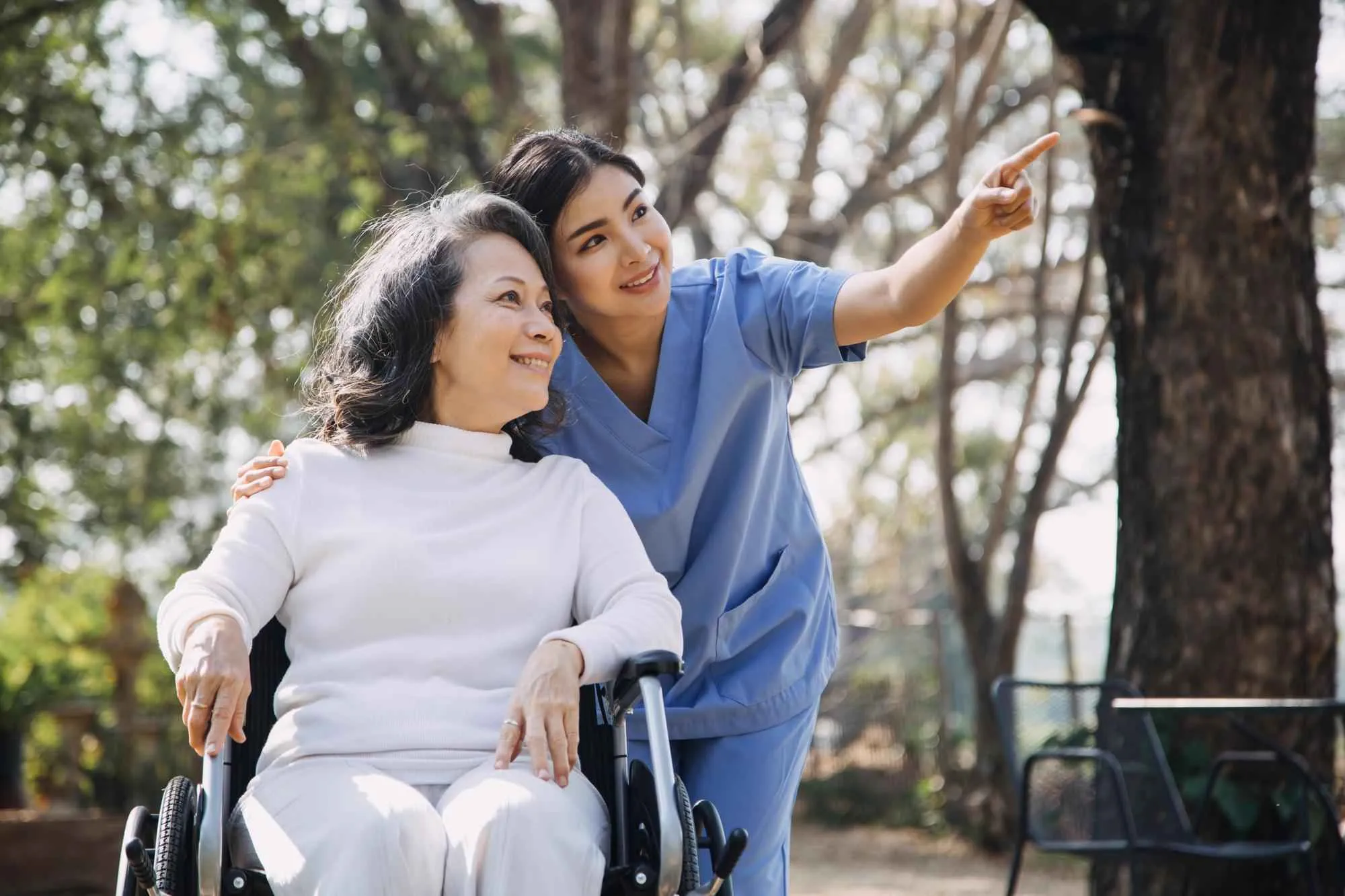
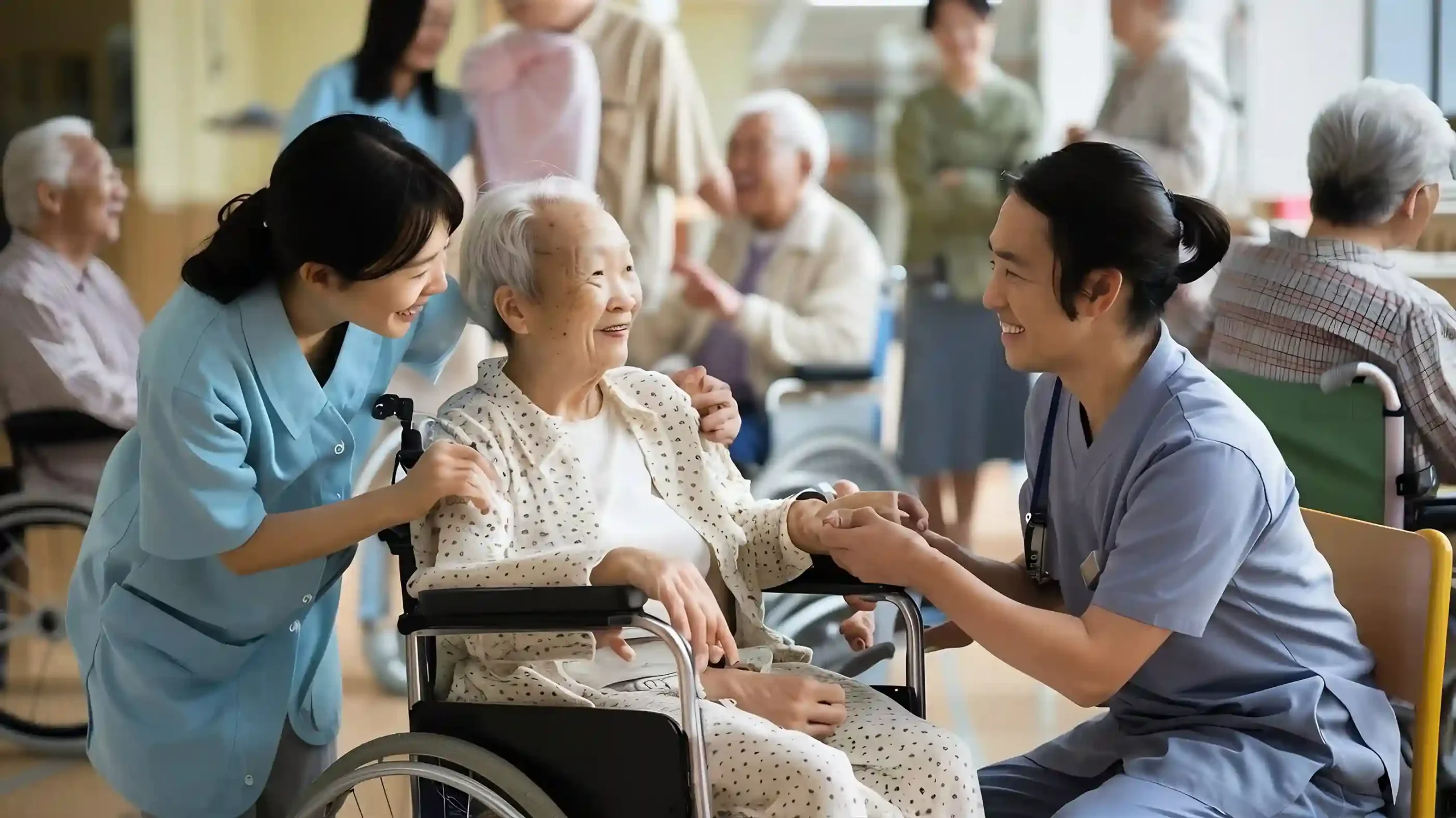
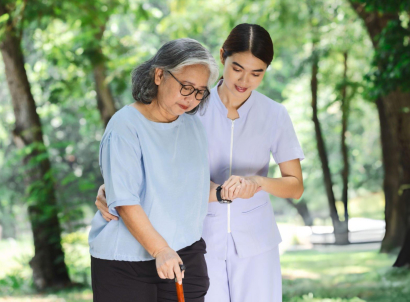
Beyond medical procedures, home nursing services include support with activities of daily living such as bathing, dressing, grooming, feeding, and mobility assistance. This holistic approach addresses both the physical and emotional needs of patients, particularly those recovering from surgery, managing disabilities, or living with age-related limitations. Caregivers help maintain hygiene standards, prevent complications like bedsores, and ensure nutritional needs are met. This comprehensive care model reduces the burden on family members whilst maintaining the patient’s dignity and comfort at home.
Opting for home nursing services offers distinct advantages over traditional institutional care, particularly in terms of comfort, convenience, and personalised attention. Patients remain in their familiar environment surrounded by loved ones, which significantly reduces stress and anxiety associated with hospitalisation. Recovery often progresses more smoothly when patients feel safe and comfortable, making home-based care an increasingly popular choice.
Unlike busy hospital wards where nurses manage multiple patients simultaneously, home nursing provides dedicated attention focused solely on one individual. This personalised approach allows nurses to build meaningful relationships with patients, understand their preferences, and tailor care plans to specific needs. Patients benefit from uninterrupted care sessions where they can ask questions, express concerns, and receive detailed explanations about their treatment. This level of engagement fosters trust and improves patient compliance with medical recommendations.
Home nursing services typically cost less than extended hospital admissions or residential care facilities, making them a financially sustainable option for many families. By eliminating accommodation charges and facility fees, families can allocate resources more efficiently whilst ensuring high-quality medical care. Additionally, reducing hospital readmissions through timely home care interventions helps prevent complications and expenses. Many patients find that investing in services provides excellent value whilst maintaining care standards.
Family caregivers often experience physical exhaustion and emotional strain when managing a loved one’s complex medical needs without professional support. Home nursing services alleviate this burden by providing skilled assistance with challenging tasks such as wound care, medication management, and mobility support. Professional nurses also educate family members about proper care techniques, empowering them to assist effectively between visits. This support system gives caregivers the respite they need whilst ensuring their loved ones receive expert care.
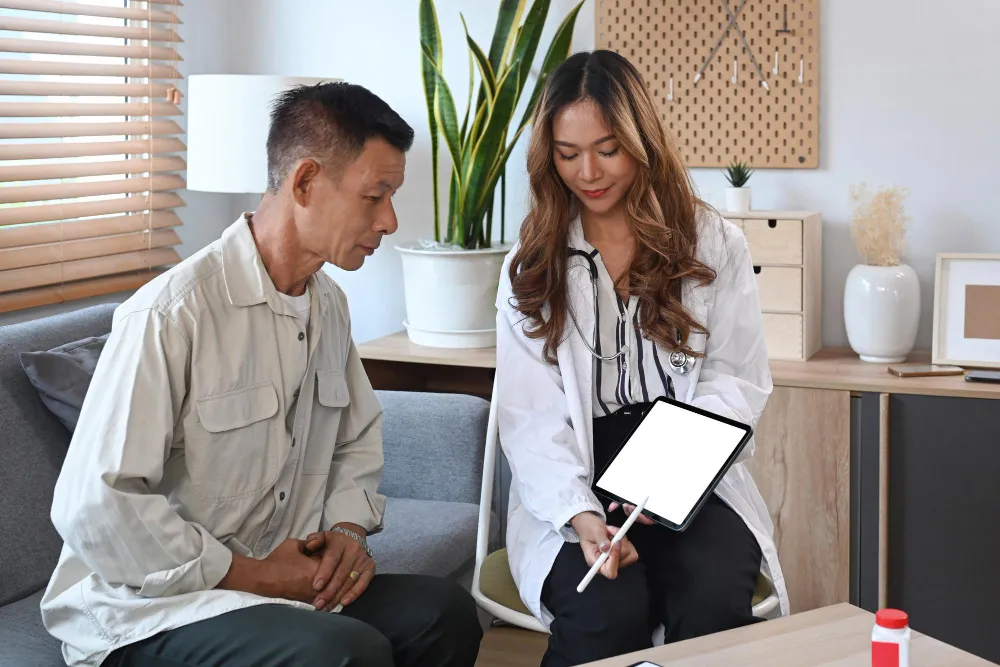
The initial home nursing visit sets the foundation for ongoing care and establishes clear communication channels between the healthcare team, patient, and family. During this first appointment, which typically lasts between 60 to 90 minutes, the nurse conducts a comprehensive assessment of the patient’s medical history, current health status, living environment, and specific care requirements.
The nurse begins by reviewing medical records, discussing the patient’s diagnosis, reviewing current medications, and understanding any special instructions from physicians. They measure vital signs including blood pressure, pulse, temperature, and oxygen saturation to establish baseline readings. The assessment also includes evaluating the patient’s mobility, cognitive function, pain levels, and emotional state. Based on these findings, the nurse develops a personalised care plan outlining specific interventions, visit frequency, goals, and expected outcomes. This documented plan serves as a roadmap for consistent care delivery.
A crucial component of the first visit involves assessing the home environment for potential safety hazards that could impede recovery or increase risk of injury. The nurse examines factors such as lighting, floor surfaces, bathroom accessibility, stairways, and furniture placement to identify modifications that may enhance safety. They provide recommendations for equipment such as grab bars, shower chairs, bed rails, or walking aids that could improve the patient’s independence and reduce fall risk.
Many families have common questions when considering home nursing services for their loved ones. Below are answers to frequently asked queries that help clarify what these services entail.
Home nursing services accommodate a wide range of medical conditions including post-operative recovery, chronic diseases such as diabetes and hypertension, wound care, cancer support, stroke rehabilitation, dementia care, and palliative care. Nurses are trained to manage complex medical needs and can adapt care plans to address multiple conditions simultaneously.
Visit frequency depends entirely on the patient’s medical needs and care plan requirements. Some patients require daily visits for wound care or medication administration, whilst others benefit from weekly check-ins for monitoring and support. During the initial assessment, the nurse and healthcare team determine an appropriate schedule that balances medical necessity with patient comfort.
Professional home nurses hold valid nursing licences and possess the qualifications necessary to administer medications, perform injections, manage intravenous lines, conduct wound care, and execute various medical procedures. They work under physician orders and follow strict protocols to ensure patient safety.
Many home nursing programmes include support with activities of daily living beyond strictly medical tasks. Nurses and caregivers can assist with bathing, dressing, grooming, meal preparation, light housekeeping, and companionship. The extent of these services varies by provider and care plan.
Selecting a reliable provider involves researching credentials, reading reviews, verifying nurse qualifications, and discussing care philosophies with potential agencies. Look for providers who offer personalised care plans, maintain clear communication channels, and demonstrate flexibility in meeting your family’s unique needs.
Reliable home nursing services transform how families approach healthcare by delivering professional medical support within the comfort and familiarity of home. From comprehensive assessments and skilled clinical interventions to personalised attention, these services address both medical and emotional needs effectively. Patients benefit from faster recovery, greater independence, and the reassurance that comes from receiving expert care in their own space.
Choosing home nursing represents an investment in quality of life, enabling loved ones to maintain dignity whilst accessing the medical attention they require. The flexibility and holistic approach inherent in home nursing services make them an increasingly preferred option for families navigating post-operative recovery, chronic illness management, and elderly care. If you are considering home nursing services for yourself or a family member, contact experienced providers today to discuss personalised care options and discover how home nursing can enhance your loved one’s health and comfort.











































































































 Call Us
Spread the love, follow us on our social media channels