

Follow us:



When Should Retirees Consider Home Care Services in Malaysia?
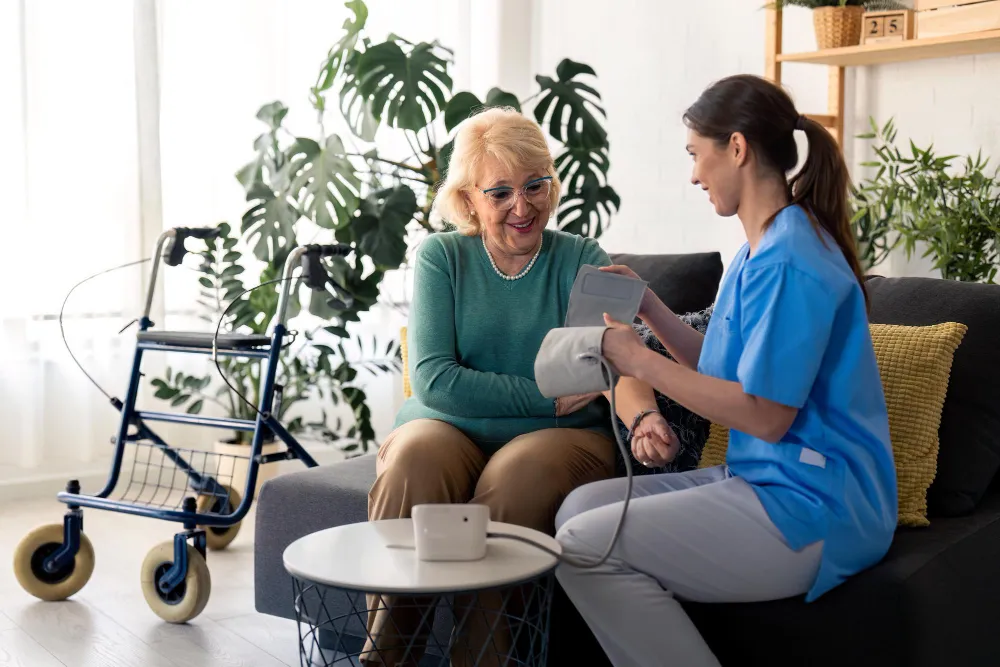
Retirement can bring more time and independence, but health and everyday needs can gradually change as a person gets older. Some pesara remain highly independent, while others may begin finding activities such as cooking, managing medication, personal care or moving around the home more difficult.
Knowing when to consider home care services in Malaysia can help retirees and their families explore suitable support before everyday difficulties become harder to manage. TrueCare2U helps Malaysian families connect with healthcare professionals who provide care within the patient’s own home.
A pesara may consider home care when changes in mobility, personal care, nutrition or everyday routines begin affecting their ability to live independently. Home care does not necessarily mean giving up independence. The right level of support can be adjusted according to individual needs, preferences and available pencen or retirement resources.
A pesara may benefit from additional support when physical, practical or cognitive changes begin interfering with everyday life. These changes can develop gradually and may initially be easy to overlook. This mirrors the approach behind the World Health Organization’s framework for spotting declines in older adults, which looks at mobility, cognition, nutrition and emotional wellbeing together rather than in isolation.
Families should consider the overall pattern and discuss concerns with appropriate healthcare professionals rather than assuming they are simply part of ageing.
A noticeable change in personal hygiene can indicate that everyday tasks have become more difficult.
For example, a retiree who previously managed independently may begin wearing the same clothing repeatedly, bathing less frequently or struggling with grooming. The underlying reason could involve mobility, pain, memory or another health-related difficulty and should not automatically be assumed.
Home care may provide assistance with selected personal activities while allowing the retiree to continue completing tasks they can safely manage themselves.
Changes in eating habits can be another sign that additional support should be considered. Look for patterns such as frequently skipping meals, difficulty preparing food or struggling with grocery shopping.
Unexplained weight loss or significant appetite changes should also be discussed with an appropriate healthcare professional rather than assuming they are caused by ageing.
Depending on the service, home care may include practical support with meal preparation and everyday routines.
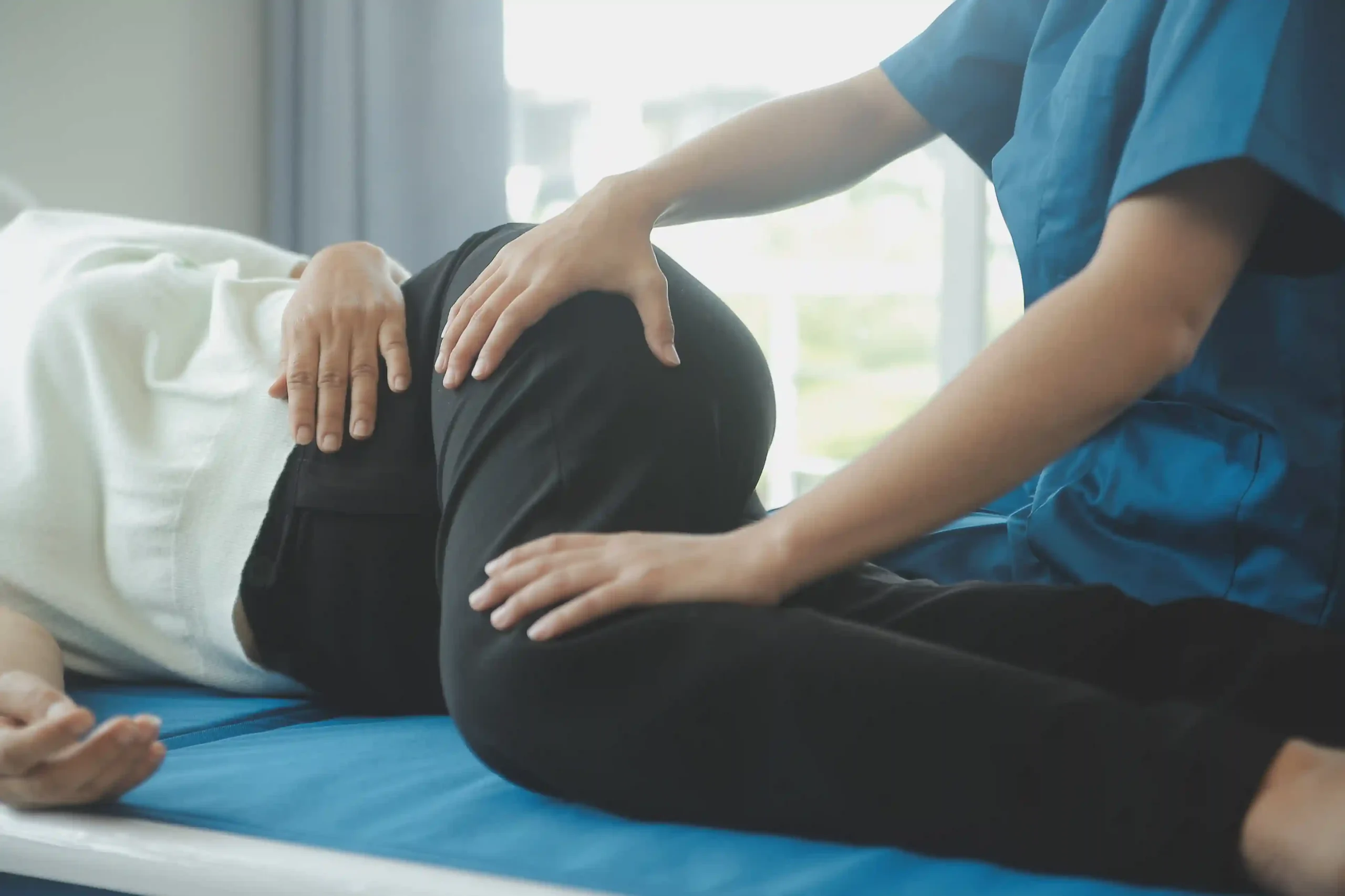
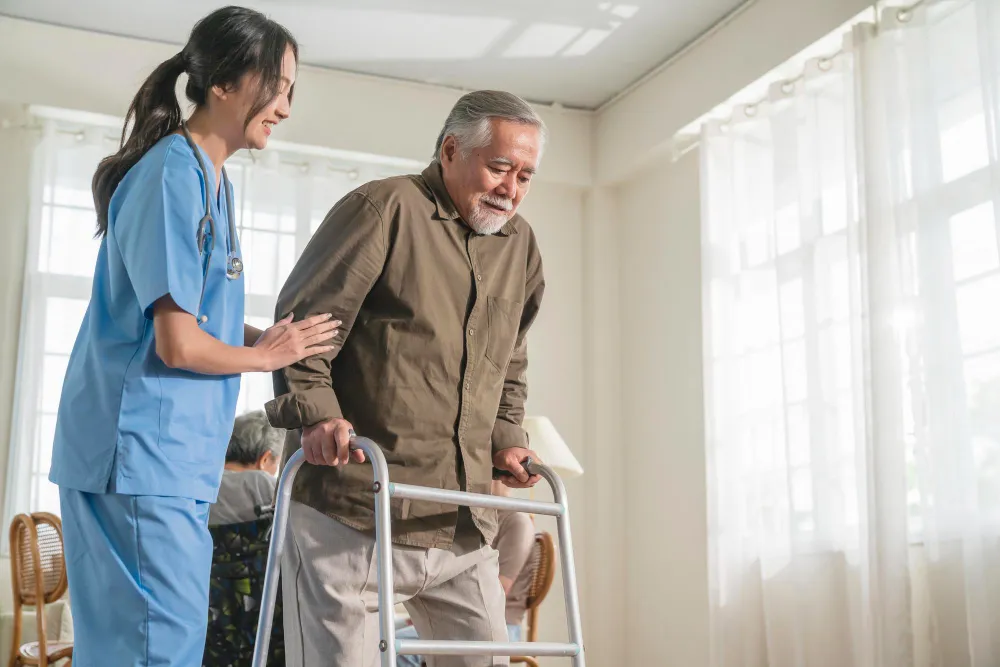
Difficulty standing, walking or moving safely around the home can affect a retiree’s independence.
Falls, near falls or unexplained bruising should be taken seriously, particularly when they occur repeatedly. A healthcare professional can assess whether medical, rehabilitation or other support may be required.
Families should also consider whether obstacles around the home are making movement more difficult.
Changes in memory, behaviour or social engagement may also indicate that a retiree needs additional support. However, these changes should not automatically be attributed to ageing or a specific condition. Persistent or concerning symptoms should be discussed with a healthcare professional so that possible causes can be assessed appropriately.
Occasionally forgetting something does not automatically mean a person requires home care. More consistent difficulties may deserve closer attention.
Examples can include repeatedly missing medication, becoming confused about familiar routines or having increasing difficulty managing everyday tasks.
If these changes are new, worsening or affecting safety, arrange an appropriate medical assessment rather than relying only on caregiving support.
Some retirees may gradually stop participating in activities, hobbies or social interactions they previously enjoyed.
There can be many reasons for this, including mobility difficulties, changes in health or emotional wellbeing. Instead of assuming the cause, talk with the person about what has changed.
Home care can provide companionship or practical assistance where appropriate, but persistent emotional or behavioural changes may also require professional assessment.
Changes in the home can sometimes reveal that a pesara is finding everyday responsibilities more difficult. Increasing clutter, expired food, missed household tasks or unsafe walkways may indicate that additional assistance should be considered. Families should approach these changes respectfully and determine what is causing the difficulty before deciding what support is appropriate.
Pay attention when normal household routines begin changing consistently.
For example, you may notice:
These changes do not necessarily mean full-time care is required. Sometimes limited assistance with particular activities may be enough.
Unopened letters, forgotten appointments or repeated difficulty managing everyday administrative tasks can indicate that additional support may be useful.
Home care providers do not necessarily manage financial matters for patients. However, regular contact with a caregiver may make it easier for families to notice when the retiree is having difficulties that need further attention.
Home care costs should be considered as part of wider retirement planning. A pesara relying on pencen income should understand which services are genuinely needed, how frequently they are required and what the provider charges. Starting with the appropriate level of support can help avoid paying for services the individual does not currently need.
Costs can vary according to the type and frequency of care required.
Before choosing a provider, ask about:
Request a clear breakdown before committing to ongoing care so these expenses can be considered alongside pencen, savings and other retirement commitments.
Yes. Some retirees may initially need only occasional support and require additional assistance later.
Care needs should therefore be reviewed when the person’s health, mobility or independence changes. Families should ask whether the provider allows the frequency or type of care to be adjusted without changing services unnecessarily.
Conversations about care should involve the retiree wherever possible. Explain the specific changes you have noticed and ask what they are finding difficult rather than immediately telling them what care they need. This can help the discussion focus on maintaining appropriate independence instead of presenting home care as taking control away.
Instead of saying, “You cannot manage on your own anymore,” explain the particular issue you have noticed.
For example, you might discuss difficulty preparing meals or moving safely around the house. This keeps the conversation focused on solving a specific problem.
Listen to what the retiree wants as well. Their preferences should be part of the decision wherever possible.
When you are unsure about the level of support required, consider discussing the situation with an appropriate healthcare professional.
An assessment can help identify whether the retiree requires nursing, rehabilitation, personal assistance or another type of support rather than automatically arranging more care than necessary.
Families can use TrueCare2U’s Get Started page to explore available home healthcare options.
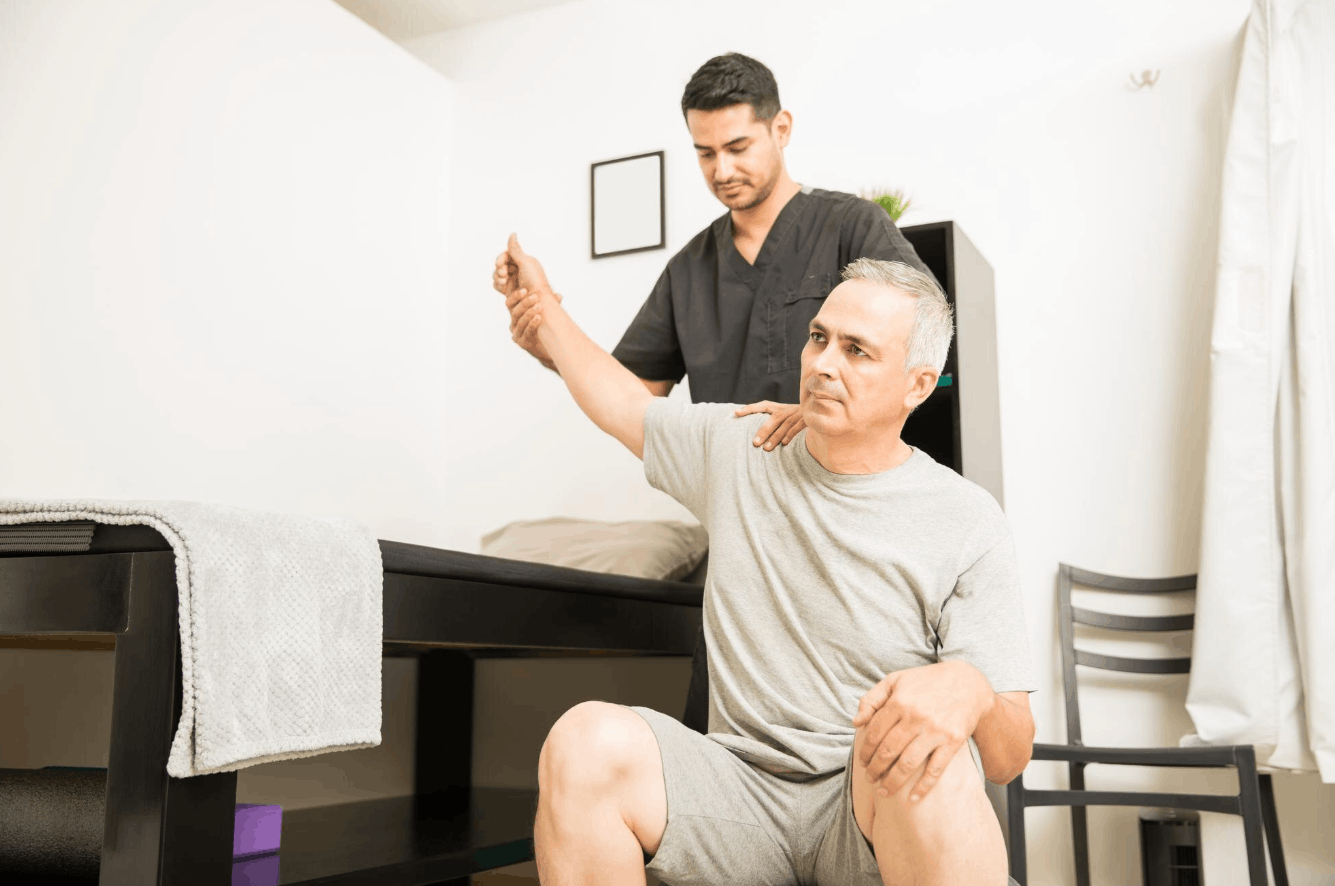
Home care services in Malaysia provide different forms of support within a person’s residence. Depending on the provider and patient’s needs, this may include nursing, rehabilitation or assistance with everyday activities. Families should check exactly what each provider offers because the term “home care” can cover different levels of professional and non-clinical support.
No. Age or retirement alone does not mean someone needs professional home care. Many retirees continue living independently. Home care may become worth considering when health, mobility or everyday activities become difficult to manage. The level of assistance should reflect the person’s actual needs rather than their age alone.
Home care expenses can be considered as part of a retiree’s wider pencen and retirement budget. Before committing, compare the services required, visit frequency and total recurring costs. It is also useful to consider whether expenses could change if the retiree requires additional support later.
There is no standard frequency that suits every retiree. Some people may need occasional assistance, while others require more regular support. Visit frequency should be based on the person’s condition and care requirements and reviewed when those needs change. Ask the provider how they determine and adjust the recommended schedule.
Start by identifying what type of support is actually required, such as nursing, rehabilitation or everyday assistance. Then compare providers based on professional qualifications, available services, coverage area, communication and fees. Ask how care needs are assessed and whether the arrangement can be adjusted as the retiree’s circumstances change.
Recognising that a retired loved one may need additional support does not automatically mean they have lost their independence. For many pesara, the right home care arrangement can simply provide assistance with the areas that have become difficult while allowing them to continue managing other parts of everyday life themselves.
Families should consider health, mobility, personal preferences and affordability when comparing home care services in Malaysia. For retirees, this also means understanding how recurring care costs fit alongside pencen and other retirement resources.
If you or a retired family member is considering support at home, contact TrueCare2U to discuss available home care services and suitable next steps.options.




































































































































 Call Us
Spread the love, follow us on our social media channels