

Follow us:



10 Situations Where Physiotherapy at Home Can Help
Travelling to a physiotherapy clinic is not always practical, particularly for patients recovering from surgery, living with mobility difficulties or managing conditions that make travelling physically demanding. In these situations, physiotherapy at home can bring rehabilitation directly to the patient’s living environment.
TrueCare2U helps Malaysian patients and families connect with healthcare professionals who provide home-based services. Home physiotherapy also gives therapists an opportunity to understand how patients move within their everyday surroundings and adapt rehabilitation activities accordingly.
Physiotherapy at home can support patients who have difficulty attending a clinic or whose rehabilitation involves everyday activities within their home. It may be considered for post-surgical recovery, neurological rehabilitation, mobility difficulties and several other situations. The appropriate treatment depends on the patient’s condition, assessment and individual rehabilitation goals.
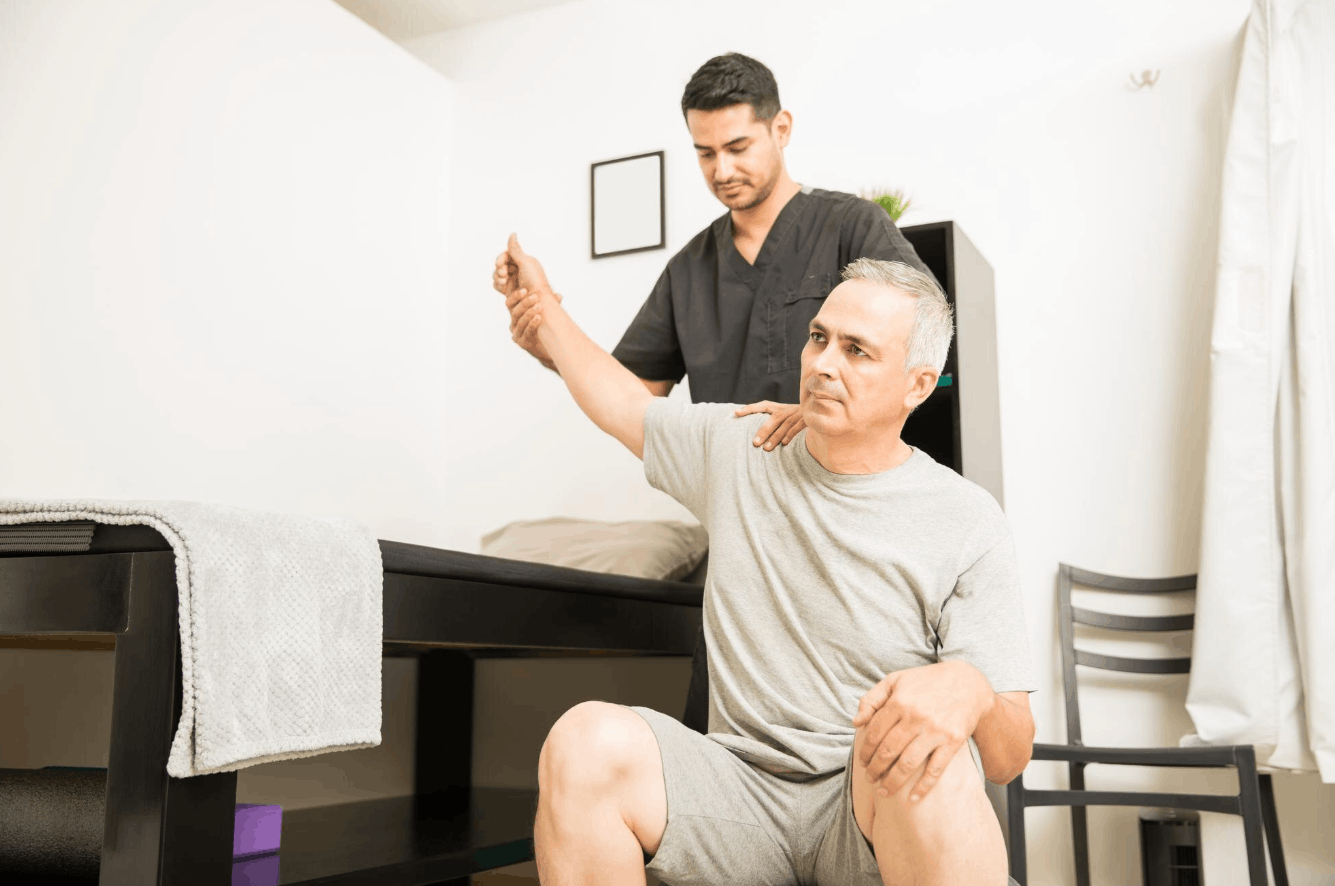
Physiotherapy at home allows rehabilitation to take place within the environment where patients perform many of their everyday activities. A physiotherapist can observe movement around the home and identify practical difficulties with tasks such as walking or transferring. Home sessions may also be useful when mobility or health makes regular clinic attendance difficult.
The home environment provides practical information that may not be as obvious during a clinic appointment. For example, a physiotherapist may observe how a patient gets out of bed, uses stairs or moves between rooms.
Where appropriate, exercises and movement strategies can then be adapted to the patient’s available space, abilities and rehabilitation goals.
A home session usually begins with an assessment or review of the patient’s progress. Treatment then depends on the condition and rehabilitation plan.
Depending on the physiotherapist’s assessment, treatment may involve:
Not every patient requires the same treatment. The physiotherapist should explain which approaches are appropriate and how they relate to the patient’s rehabilitation goals.
Physiotherapy at home may be considered in several situations where rehabilitation is required but travelling to a clinic is difficult or where practising within the patient’s own environment may be useful. The appropriate setting depends on the patient’s medical condition, mobility, rehabilitation goals and any recommendations from their wider healthcare team.
Patients recovering from joint replacement surgery commonly undergo rehabilitation to gradually restore movement, strength and everyday function.
During the early recovery period, travelling may be challenging for some patients. Home physiotherapy allows appropriate exercises and mobility activities to be practised without requiring repeated journeys to a clinic.
Stroke can affect strength, balance, coordination and movement differently for each patient. Physiotherapy may form part of a broader rehabilitation programme designed around these individual difficulties.
At home, relevant activities may include practising transfers, walking within the house or navigating specific areas that the patient uses every day. Rehabilitation should follow an appropriate assessment and any recommendations from the patient’s healthcare team.
People living with Parkinson’s disease may experience changes in movement, balance, coordination and mobility over time.
Physiotherapy may include exercises and movement strategies designed around the patient’s current abilities and goals. Receiving these sessions at home can also reduce travel requirements for patients who find clinic attendance increasingly difficult.
Older adults experiencing balance or mobility difficulties may benefit from an assessment of how they move around their home.
A physiotherapist can assess relevant physical factors such as strength, balance and walking ability. The home environment can also be considered when identifying practical difficulties that may affect safe movement during everyday activities.
After a fracture and a period of reduced movement or immobilisation, some patients may experience weakness, stiffness or difficulty returning to everyday activities.
Physiotherapy can support gradual rehabilitation according to the patient’s stage of recovery and medical instructions. Home sessions may be considered when travelling remains difficult during this period.
Patients experiencing persistent back or neck problems may receive physiotherapy as part of their management plan.
A home physiotherapist can observe how the patient sits, works, rests or performs everyday activities within their normal environment. Appropriate exercises or movement advice can then be discussed based on the assessment.
Respiratory physiotherapy may form part of the care plan for certain patients with breathing or respiratory conditions.
The techniques used depend on the patient’s diagnosis, symptoms and medical needs. Patients with significant respiratory problems should receive appropriate medical assessment to determine whether home physiotherapy is suitable and how it fits within their wider treatment plan.
Some patients recovering from cardiac procedures or conditions may take part in structured rehabilitation.
Exercise for cardiac patients should follow appropriate medical guidance and consider factors such as the patient’s condition, symptoms and treatment plan. Home-based rehabilitation may be considered where it has been assessed as suitable by the relevant healthcare professionals.
Physiotherapy may sometimes form part of palliative or supportive care when the goal is comfort and maintaining appropriate function rather than intensive rehabilitation.
Depending on the patient’s needs, this may involve positioning, gentle movement, mobility support or strategies that make everyday activities more manageable. Treatment should reflect the patient’s overall care plan and comfort.
Children with certain developmental, neurological or physical conditions may require physiotherapy as part of their ongoing care.
Home sessions allow therapists to work within the child’s everyday environment and can involve parents or caregivers in appropriate activities between appointments. Treatment should be based on the child’s individual assessment and developmental needs.
Both settings can support rehabilitation, but each offers different practical advantages. Home physiotherapy removes the need for travel and allows treatment to incorporate the patient’s living environment. Clinics may provide easier access to specialised equipment. The better option depends on the patient’s condition, mobility and rehabilitation requirements.
Here is a quick comparison between home and clinic-based physiotherapy:
| Factor | Physiotherapy at Home | Clinic Physiotherapy |
| Location | Patient’s home | Physiotherapy clinic |
| Travel | Therapist travels | Patient travels |
| Environment | Patient’s own space | Clinical setting |
| Equipment | Portable or home items | Clinic equipment |
| Suitable for | Travel difficulties | Able to attend clinic |
Arranging physiotherapy at home starts with finding an appropriately qualified professional and explaining the patient’s condition and rehabilitation needs. Ask about the physiotherapist’s experience, services and availability before booking. Relevant medical documents should also be prepared when the patient is recovering from surgery or another significant medical condition.
Check the physiotherapist’s qualifications and professional credentials. Relevant experience can also be important when the patient requires rehabilitation for a particular condition.
For example, neurological, paediatric and post-surgical rehabilitation may involve different skills and treatment considerations. Ask about relevant experience before arranging ongoing sessions.
Prepare a suitable area where the patient can move safely during the session. Remove unnecessary obstacles and have any mobility aids the patient normally uses nearby.
Keep relevant medical documents available, particularly after surgery, hospitalisation or significant injury. Patients can also make notes about symptoms or difficulties experienced between appointments.
TrueCare2U’s healthcare articles provide additional information about home-based healthcare and preparing for appointments.
The effectiveness of physiotherapy depends on factors such as the patient’s condition, treatment plan, rehabilitation goals and participation. Home and clinic settings each have practical advantages. A physiotherapist can assess the patient’s needs and recommend whether home sessions, clinic treatment or a combination of both is appropriate.
Equipment varies according to the physiotherapist and the type of rehabilitation required. Some may bring portable exercise or assessment equipment, while other sessions may use suitable items already available in the patient’s home. Ask the provider beforehand if particular equipment or treatment methods are required.
There is no single schedule that applies to every patient. Session frequency depends on the condition, stage of rehabilitation, treatment goals and response to therapy. After assessing the patient, the physiotherapist can recommend an appropriate schedule and review it as rehabilitation progresses.
Requirements can vary according to the provider and patient’s condition. Patients recovering from surgery or significant medical events should bring relevant medical information and follow instructions from their treating healthcare team. Check with the physiotherapy provider beforehand if you are unsure whether a referral or other documentation is required.
Look for a physiotherapist with recognised qualifications and relevant experience in the patient’s rehabilitation needs. Ask about home visit coverage, available services and how progress is reviewed. TrueCare2U can help patients and families explore healthcare professionals who provide home-based services, subject to availability in their area.
Physiotherapy at home can provide a practical rehabilitation option for patients who find travelling difficult or whose treatment may benefit from taking place within their everyday environment. It may be considered across different situations, from post-surgical and neurological rehabilitation to mobility support for older adults.
The right approach depends on the patient’s condition and individual goals. A physiotherapist should assess these needs and determine which treatment setting and rehabilitation plan are appropriate.
If you are considering home-based rehabilitation, contact TrueCare2U to explore available physiotherapy at home services and discuss the next steps.

































































































































 Call Us
Spread the love, follow us on our social media channels