

Follow us:



How Private Nursing Service Benefits Long-Term Home Care
Managing a long-term health condition at home can place significant demands on both patients and their families. Unlike short-term recovery, ongoing care may involve regular monitoring, medication support, wound management or other clinical needs that require appropriate professional attention.
A private nursing service can provide nursing support directly in the patient’s home according to their individual care plan. TrueCare2U helps Malaysian patients and families connect with healthcare professionals for home-based care, allowing families to arrange support according to the patient’s condition and needs.
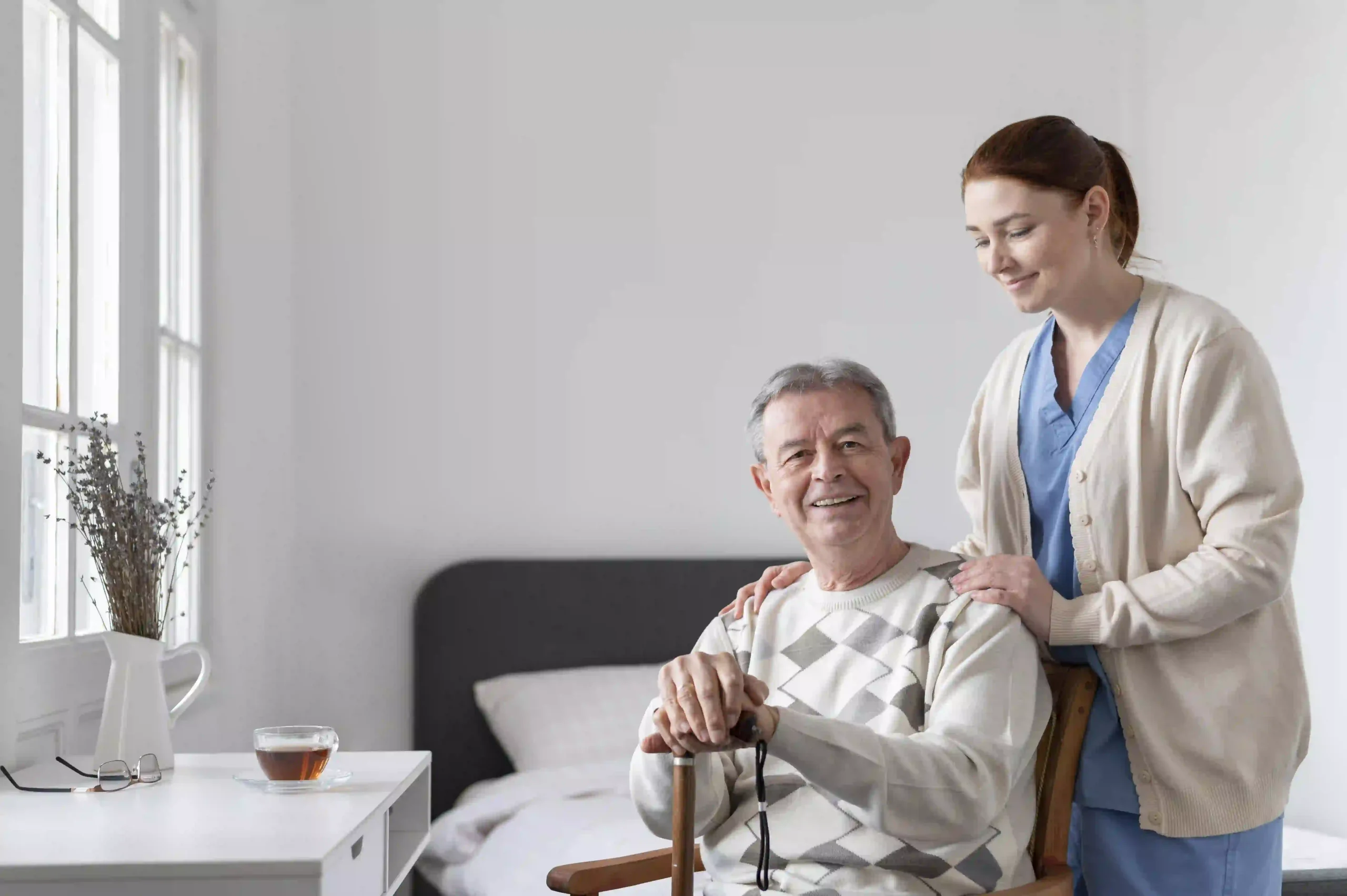
A private nursing service provides professional nursing support for patients who require ongoing clinical care at home. Depending on individual needs, this can include health monitoring, medication assistance, wound care and other nursing procedures. It can also complement family caregiving by allowing relatives to focus on non-clinical and emotional support.
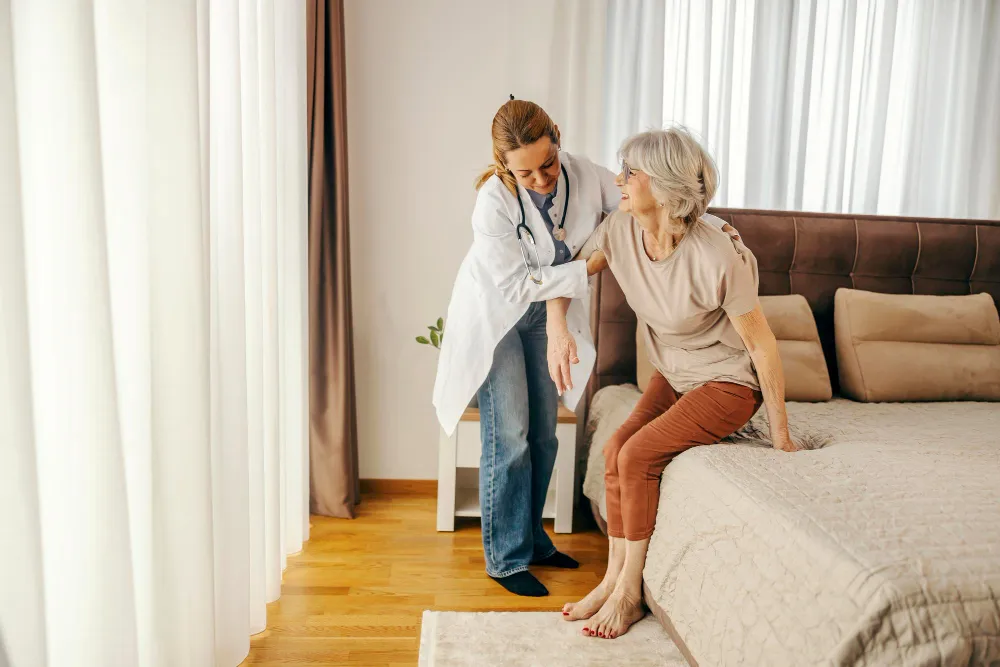
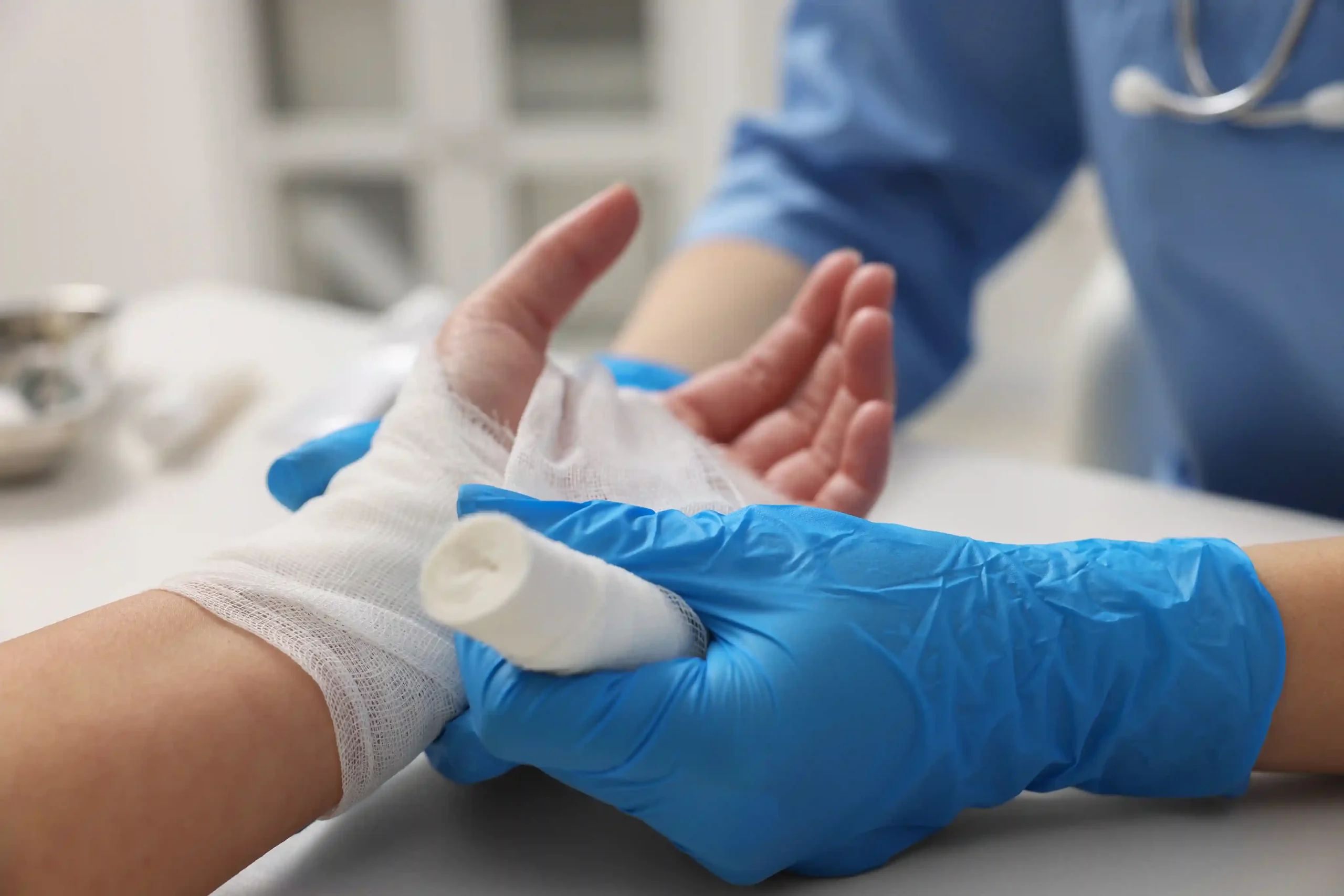
A private nursing service can provide clinical support for patients who need ongoing care at home. The exact services depend on the patient’s condition, care plan and the nurse’s professional scope. Support may include monitoring, wound care, medication assistance and other nursing procedures recommended as part of the patient’s ongoing healthcare needs.
Patients living with long-term health conditions may require regular clinical care. Depending on the patient’s individual needs and care plan, a private nurse may assist with:
The exact procedures provided should be determined by the patient’s healthcare requirements and performed within the nurse’s professional scope of practice.
Long-term care needs can change over time. A patient may require more assistance during one stage of their condition and less support during another.
Regular nursing observations can help identify changes that should be discussed with the patient’s treating healthcare team. Care arrangements can then be reviewed according to the patient’s condition, medical recommendations and level of independence.
Private nursing service can support long-term home care by providing appropriate clinical assistance and regular monitoring without requiring the patient to leave home for every aspect of their care. It can also reduce the amount of clinical responsibility placed on family members while allowing them to remain actively involved in the patient’s everyday life.
Patients with ongoing healthcare needs may experience changes that require further assessment. Regular nursing visits provide opportunities to observe relevant health indicators and identify concerns that should be communicated to a doctor or other treating healthcare professional.
Family members can also share observations between visits, helping the nurse understand changes in the patient’s normal routine or behaviour.
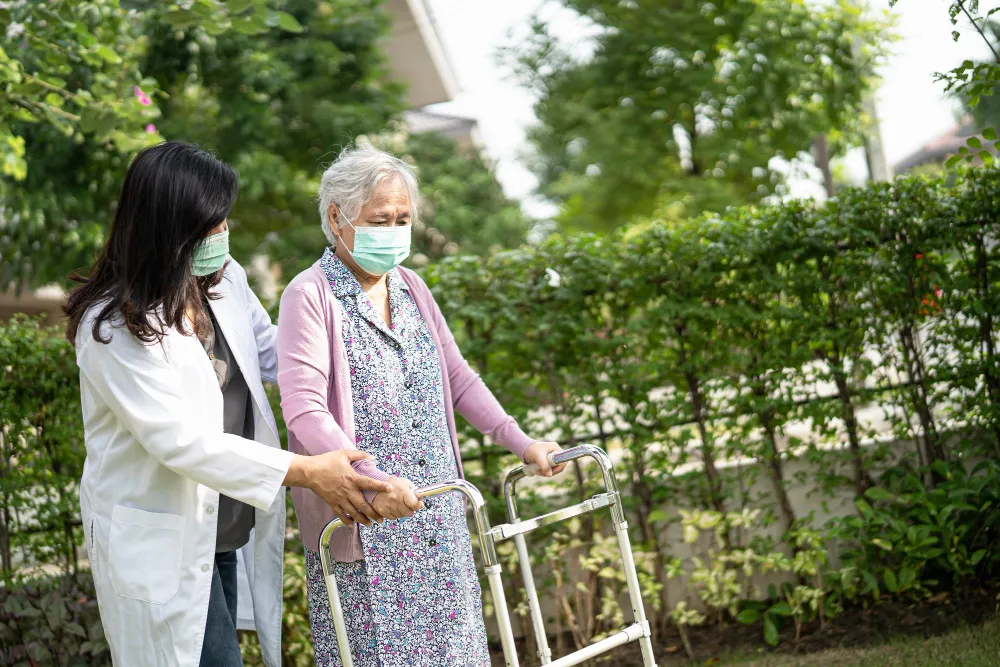
Receiving assistance does not necessarily mean that every activity should be completed for the patient. Where appropriate, patients can continue participating in everyday activities they can safely manage.
The level of support should reflect the patient’s abilities and healthcare needs. This can help them remain involved in their own daily routines while receiving assistance for tasks that require professional care.
Long-term caregiving can involve significant practical responsibilities for family members, particularly when clinical procedures are required.
A private nurse can manage appropriate nursing responsibilities while relatives continue providing companionship and other non-clinical support. Clear communication between the family and nurse helps everyone understand their respective roles.
Families looking for additional guidance can visit TrueCare2U’s Help Centre for information about its home healthcare services.
Private nursing services may be considered when a patient has ongoing clinical needs that cannot be managed through general personal assistance alone. This can include people living with complex chronic conditions, older adults requiring regular health monitoring and patients recovering from neurological conditions. Suitability should be determined according to the patient’s individual healthcare needs.
Some patients manage several conditions or medications simultaneously. Depending on their care plan, they may require assistance with medication, monitoring or other clinical procedures.
A private nurse can provide nursing support within their professional scope and communicate relevant changes to the patient’s treating healthcare team when necessary.
Some older adults gradually require additional help with health monitoring or clinical tasks while continuing to live at home.
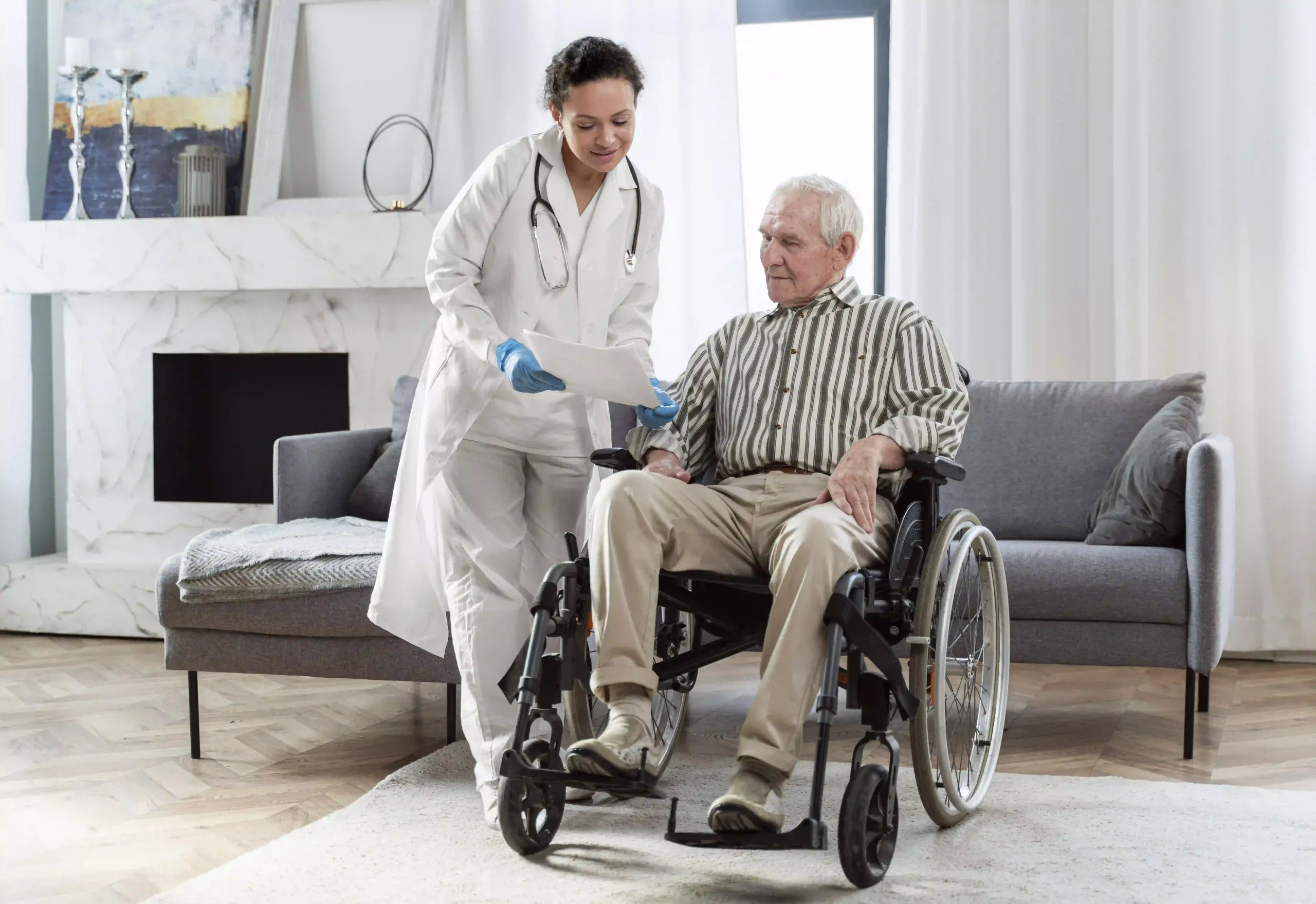
Families should consider the patient’s mobility, ability to manage medications, existing health conditions and level of independence when deciding what type of support may be appropriate.
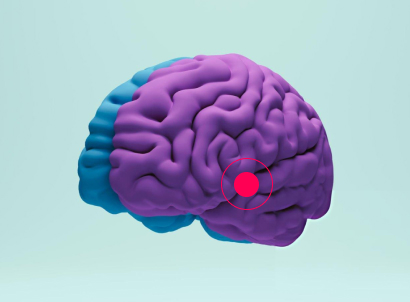
People recovering from a stroke or living with neurological conditions may have a combination of medical and functional care needs.
When choosing a private nursing service for these patients, families can ask whether the nurse has relevant experience with their particular condition. Other healthcare professionals, such as physiotherapists or occupational therapists, may also form part of the wider care plan where required.
Choosing a private nursing service in Malaysia involves checking the nurse’s professional credentials, relevant experience and ability to provide the type of care required. Families should also understand how continuity, communication and changes in the patient’s condition will be managed before committing to a long-term care arrangement.
Ask about the nurse’s professional registration and qualifications before arranging care. Relevant experience should also be considered, particularly when the patient requires specific nursing procedures or has complex healthcare needs.
For example, a patient requiring ongoing wound management may benefit from a nurse with relevant wound care experience.
For ongoing care, having consistent healthcare professionals can make it easier to maintain accurate information about the patient’s condition, preferences and care requirements.
Ask the provider whether the same nurse can attend regularly and how information will be transferred if another nurse needs to take over a scheduled visit.
Families can use TrueCare2U’s Get Started page to explore available home healthcare arrangements.
Private nursing and general home care can support different aspects of a patient’s needs. Private nursing focuses on appropriate clinical tasks performed by qualified nursing professionals, while general home care may focus more on everyday assistance and companionship. Some patients may require a combination of both depending on their condition.
Here is a quick comparison between private nursing and general home care:
| Factor | Private Nursing | General Home Care |
| Main focus | Clinical nursing care | Daily living support |
| Provider | Qualified nurse | Caregiver |
| Monitoring | Clinical observations | General wellbeing |
| Tasks | Nursing procedures | Personal assistance |
| Suitable for | Clinical care needs | Everyday support needs |
A private nursing service provides nursing care to a patient outside a hospital or healthcare facility, including within their home. The type of support depends on the patient’s needs and may include monitoring, wound care, medication assistance or other appropriate nursing procedures performed within the nurse’s professional scope.
There is no standard visit frequency that suits every patient. The appropriate schedule depends on the patient’s condition, required nursing procedures and care plan. Some people may require frequent visits, while others need occasional monitoring. The arrangement should be reviewed when the patient’s condition or care requirements change.
Yes. Professional nursing and family caregiving can complement each other. A private nurse can manage appropriate clinical responsibilities, while family members provide companionship and assistance with non-clinical activities. Both parties should understand their roles and communicate about relevant changes in the patient’s condition or everyday routine.
Availability depends on the provider, location and type of nursing support required. Coverage may differ between urban, suburban and other areas. Families should check whether an appropriate healthcare professional is available in their location before making long-term arrangements rather than assuming that every service is available nationwide.
Private nursing may be more appropriate when a patient requires clinical procedures or monitoring that should be performed by a qualified healthcare professional. General home care may suit patients who mainly require help with everyday activities or companionship. A healthcare assessment can help families determine the appropriate level of support.
A private nursing service can provide valuable support when a patient requires ongoing clinical care while living at home. The appropriate arrangement depends on the patient’s condition, care plan, level of independence and the type of nursing assistance required.
Families should check professional credentials, relevant experience and continuity arrangements before choosing a provider. The patient’s needs should also be reviewed over time rather than assuming the same level of care will always be required.
If your family is considering long-term nursing care at home, get started with TrueCare2U to explore available private nursing service options.












































































 Call Us
Spread the love, follow us on our social media channels