

Follow us:



Home Visit Doctor at Home: What Patients Should Know
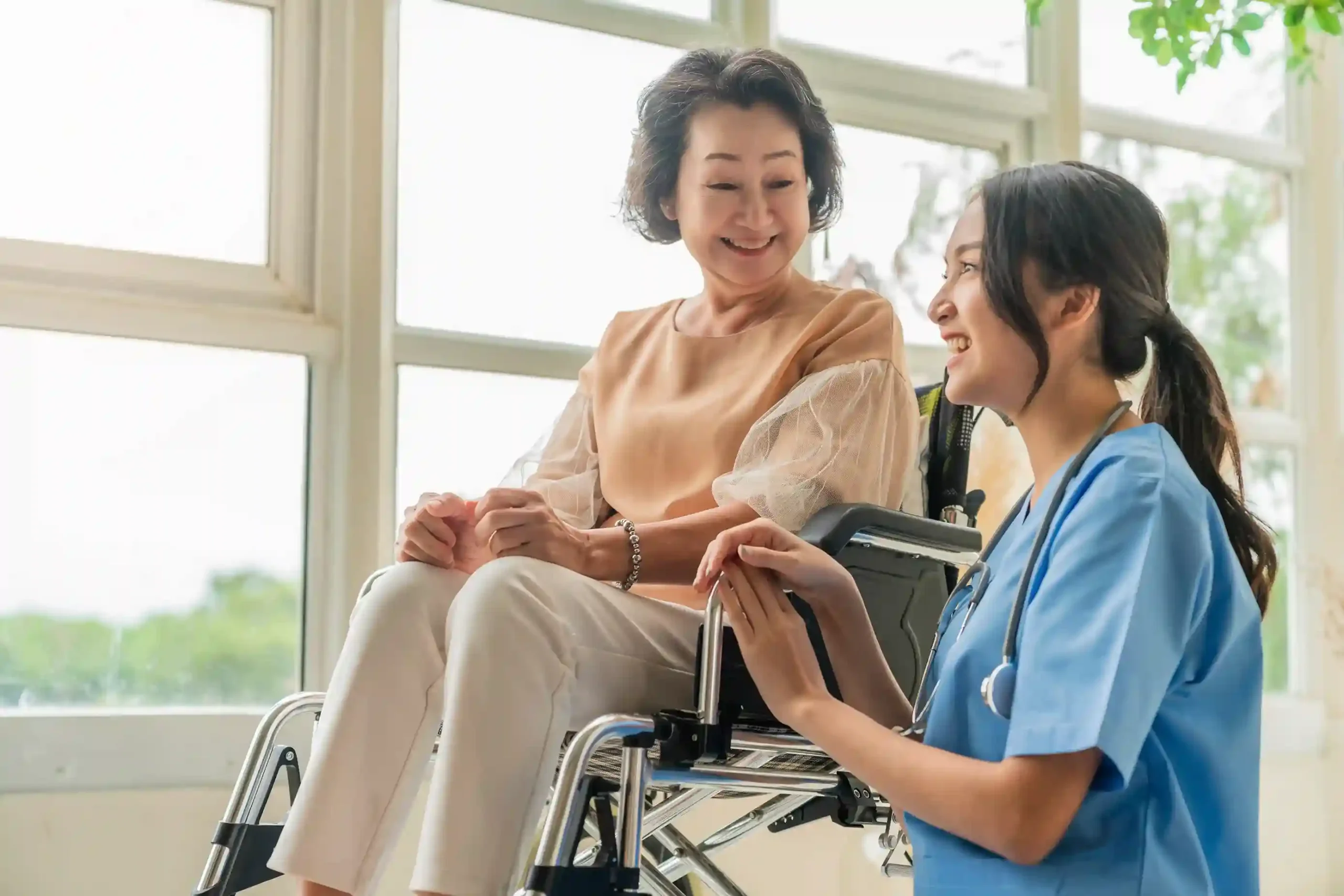
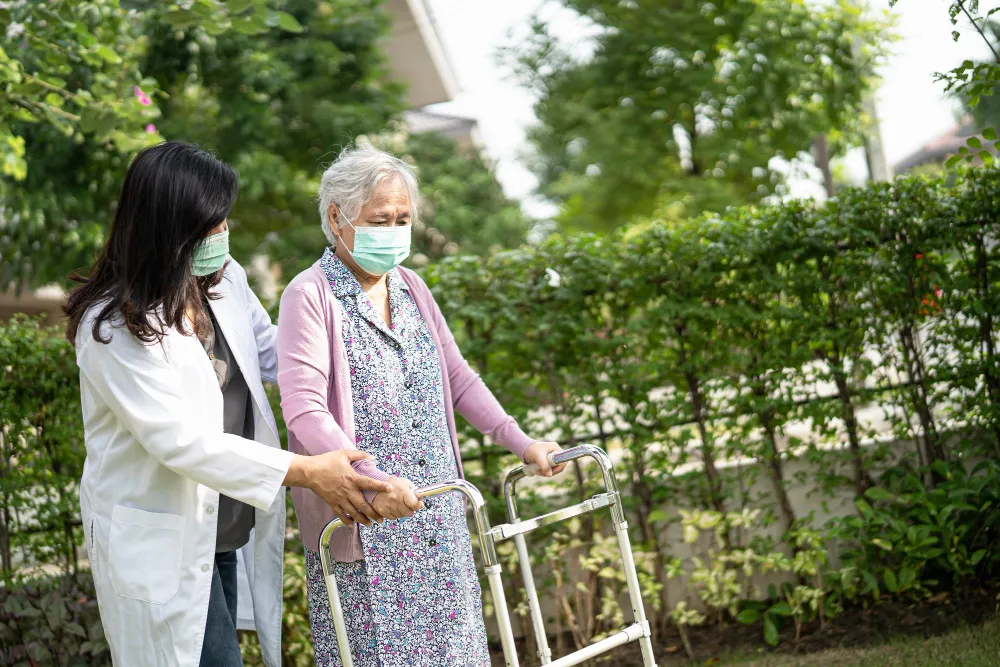
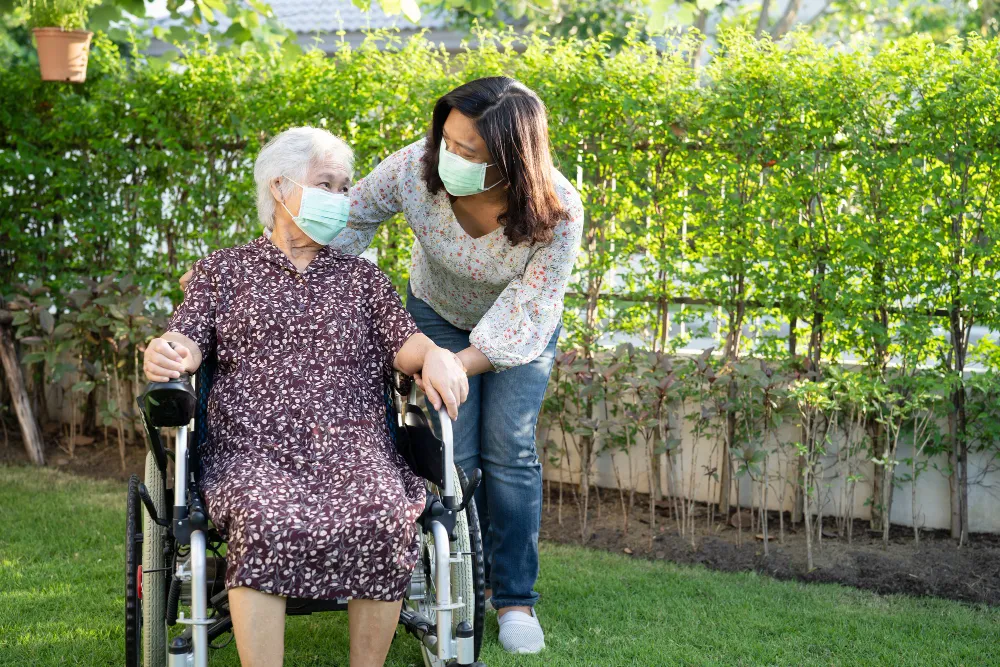
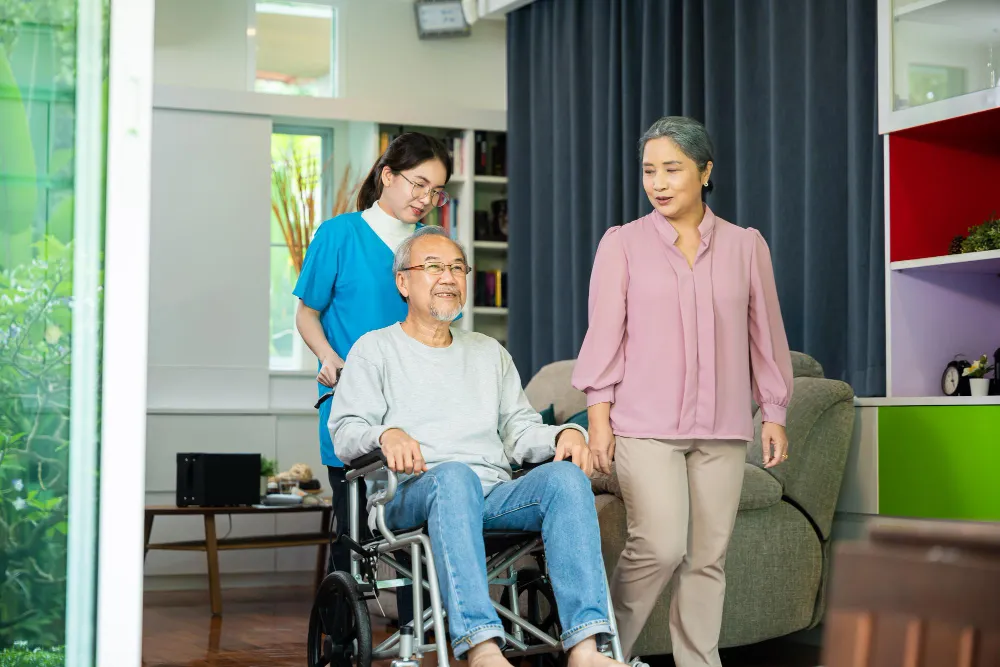
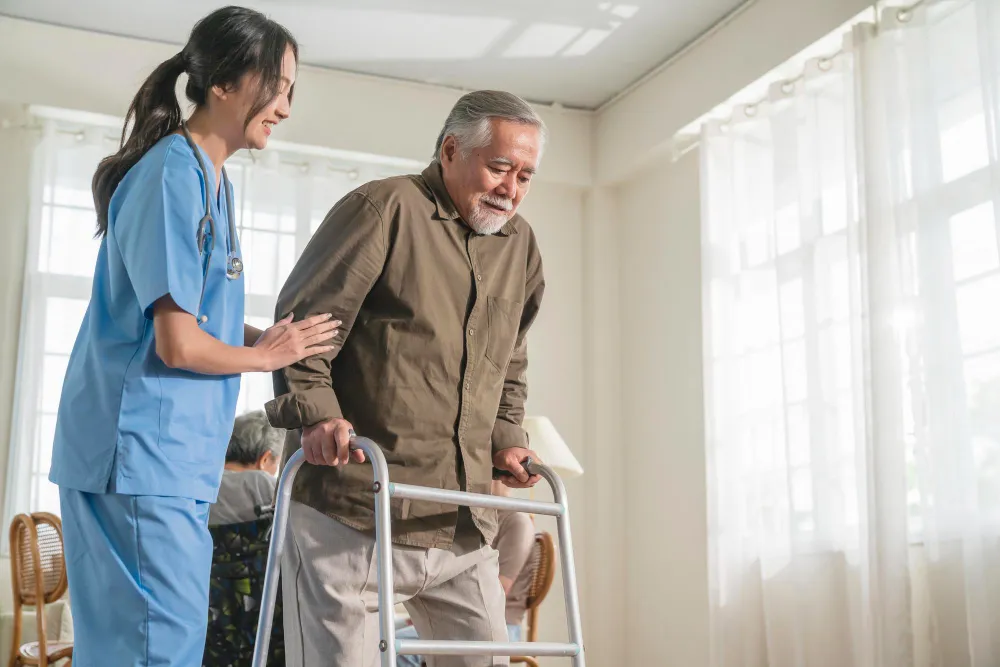
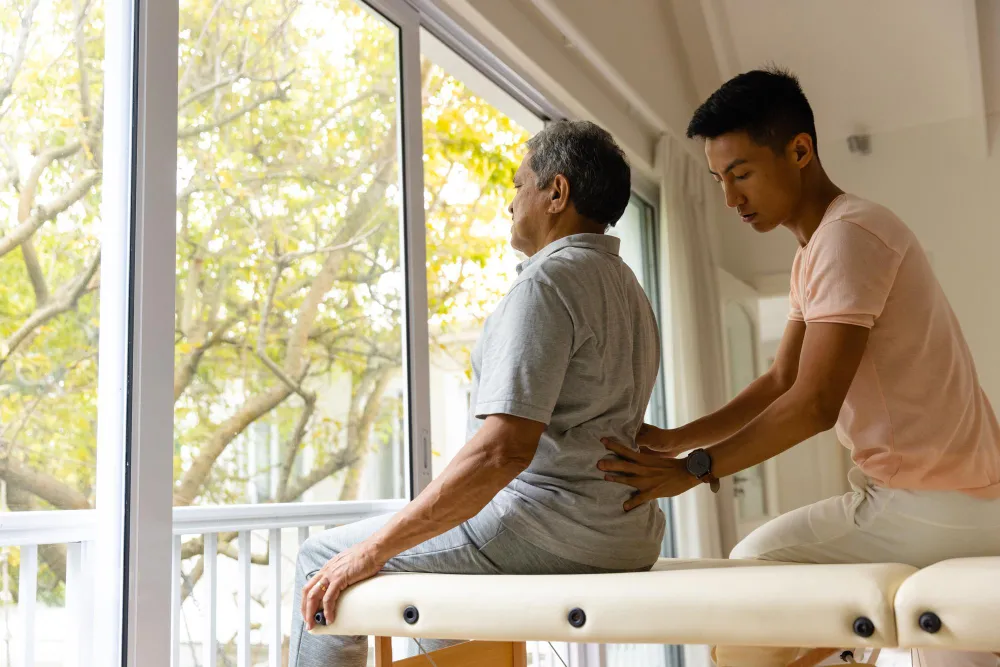
For patients who find travelling to a clinic difficult, receiving medical attention at home can be a practical alternative. A home visit doctor can assess a patient in their own environment, which may be particularly useful for older adults, people with mobility limitations or patients recovering after hospitalisation.
TrueCare2U helps Malaysian patients and families connect with healthcare professionals who provide home-based services. Before arranging a visit, it helps to understand what a doctor can assess at home, how to prepare and when a clinic or hospital may still be necessary.
A home visit doctor provides medical consultations at a patient’s residence, reducing the need to travel to a clinic. Depending on the patient’s needs and the services available, a visit may involve an examination, health monitoring or follow-up care. Patients should prepare their medical information and understand when hospital care is more appropriate.
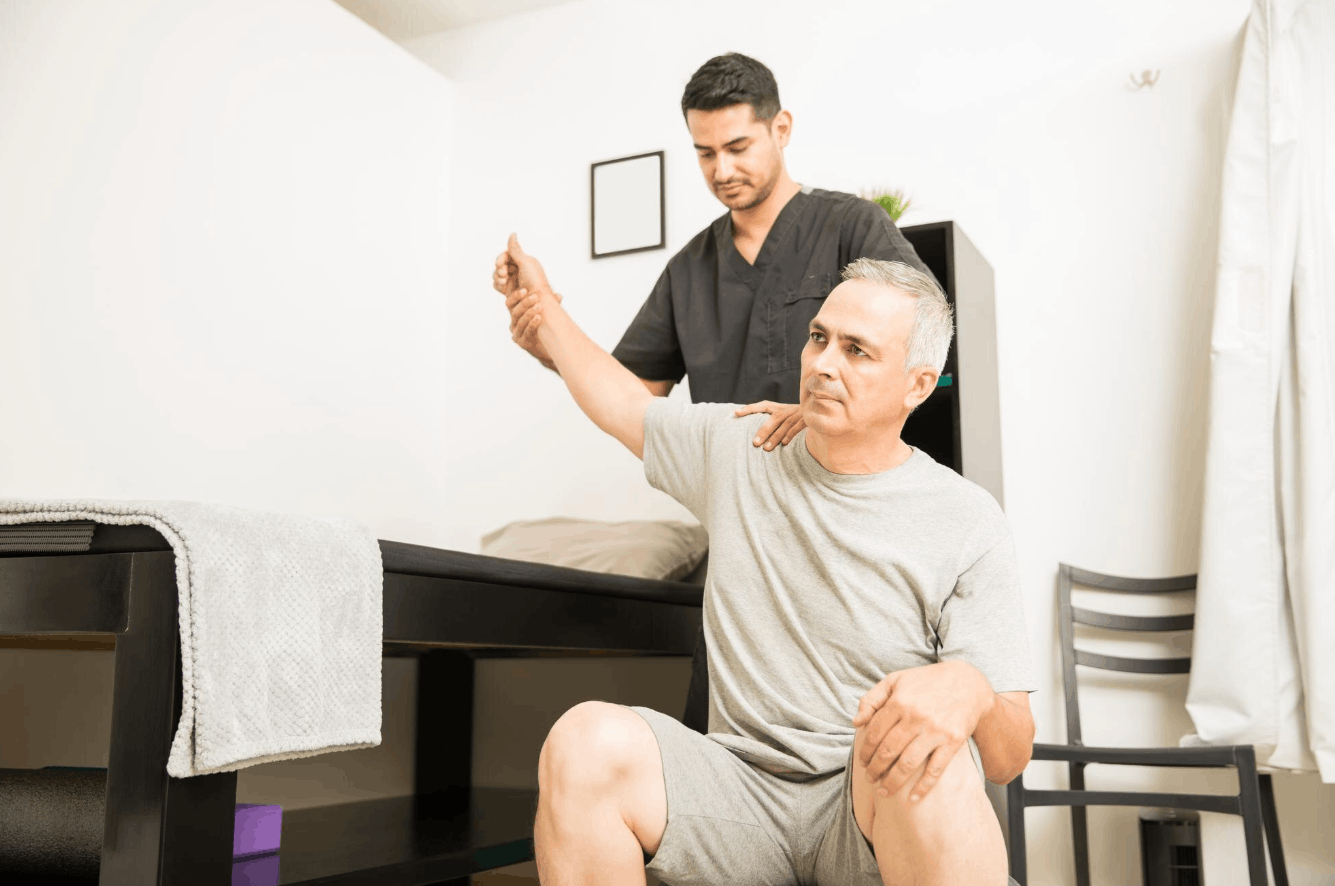
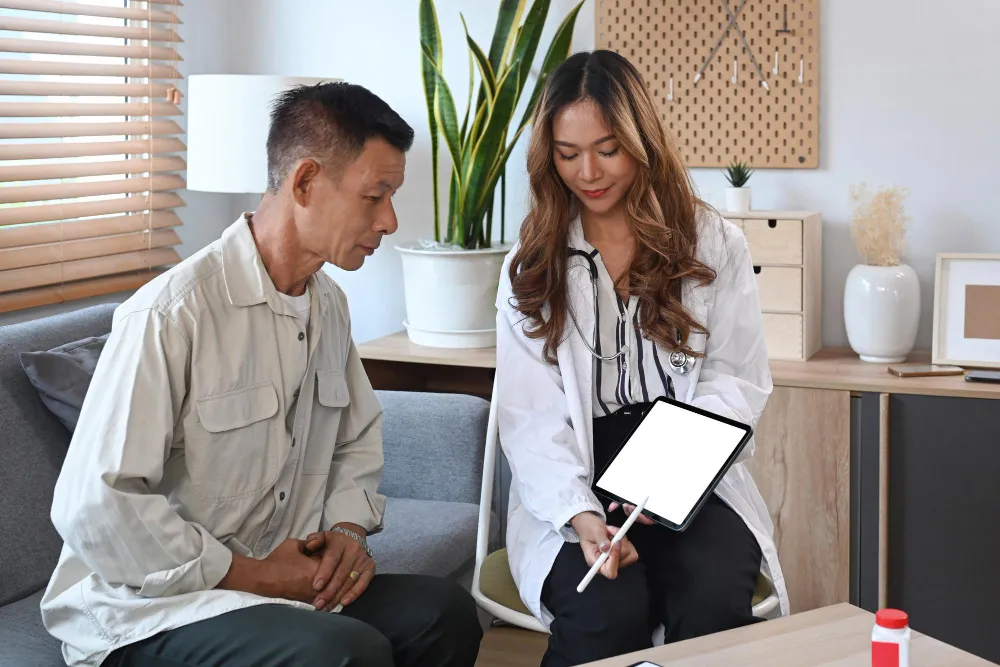
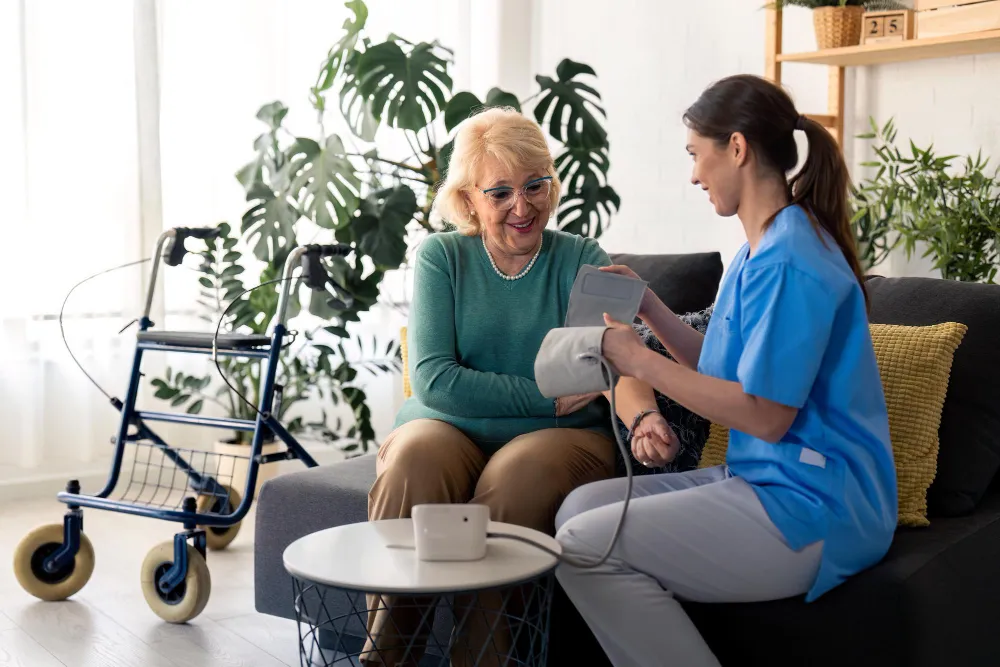
A home visit doctor provides medical assessment and care at the patient’s residence rather than at a clinic. Depending on the patient’s condition and the doctor’s available equipment, the consultation may include reviewing symptoms, conducting a physical examination, monitoring basic health indicators and recommending treatment or further medical assessment where appropriate.
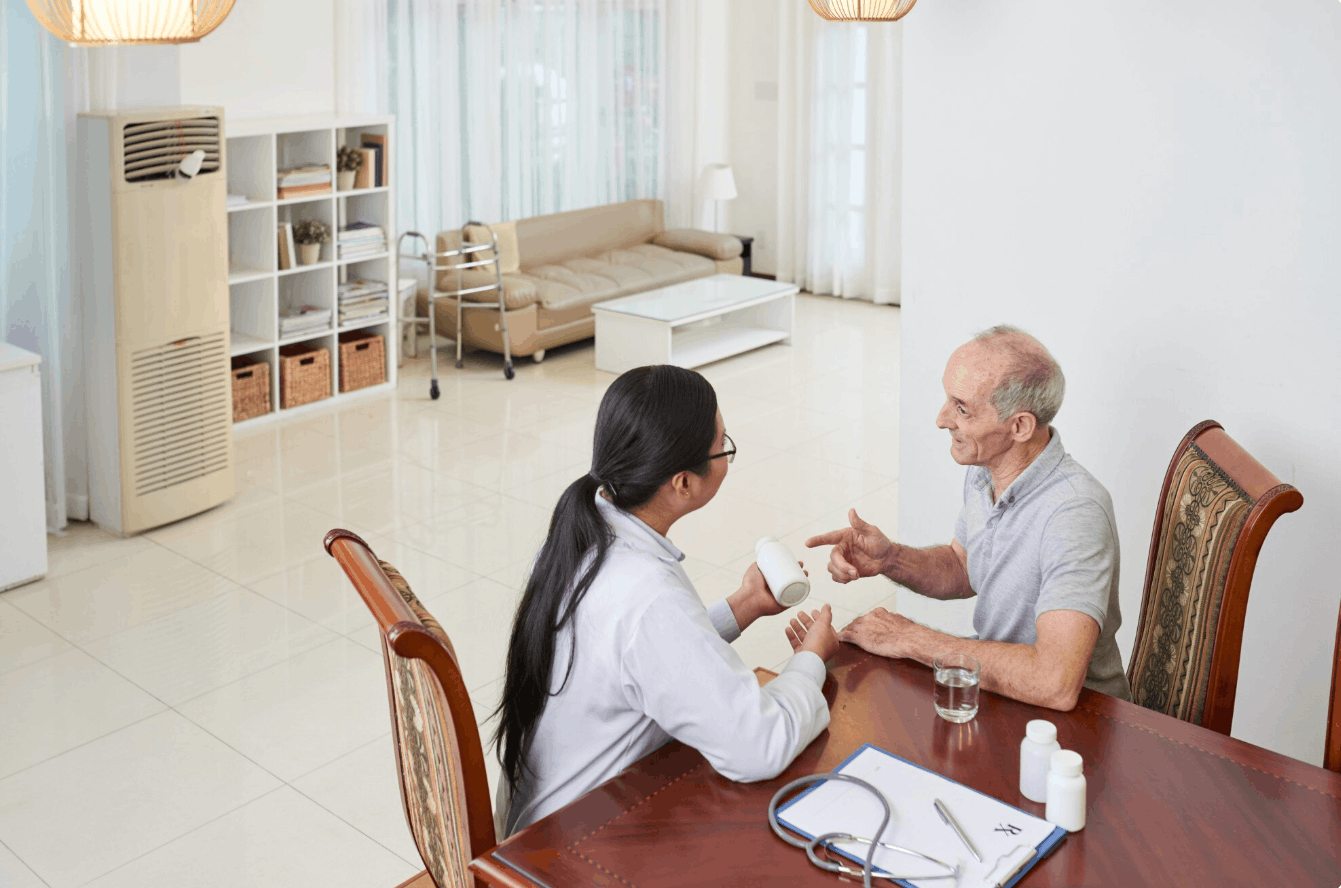
A home consultation generally begins with the doctor asking about the patient’s symptoms, medical history, medications and current concerns. An appropriate physical examination can then be performed based on the patient’s condition.
Some doctors may also carry portable equipment for basic health assessments. The equipment and procedures available vary between providers, so patients should confirm beforehand if a particular assessment is required.
Medical care that may be available during a home visit includes:
More complex investigations, procedures or emergency treatment may still require attendance at a clinic or hospital.
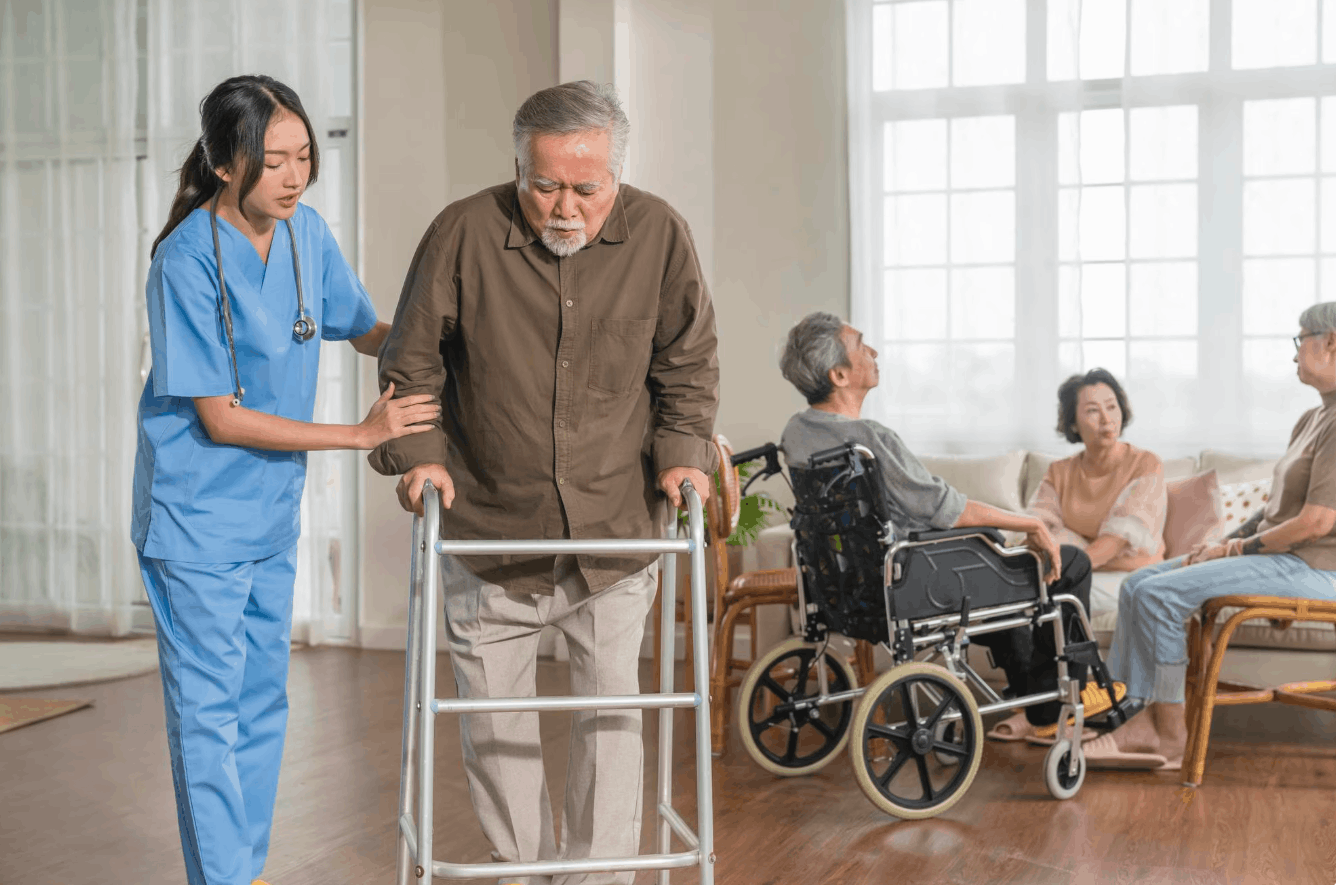
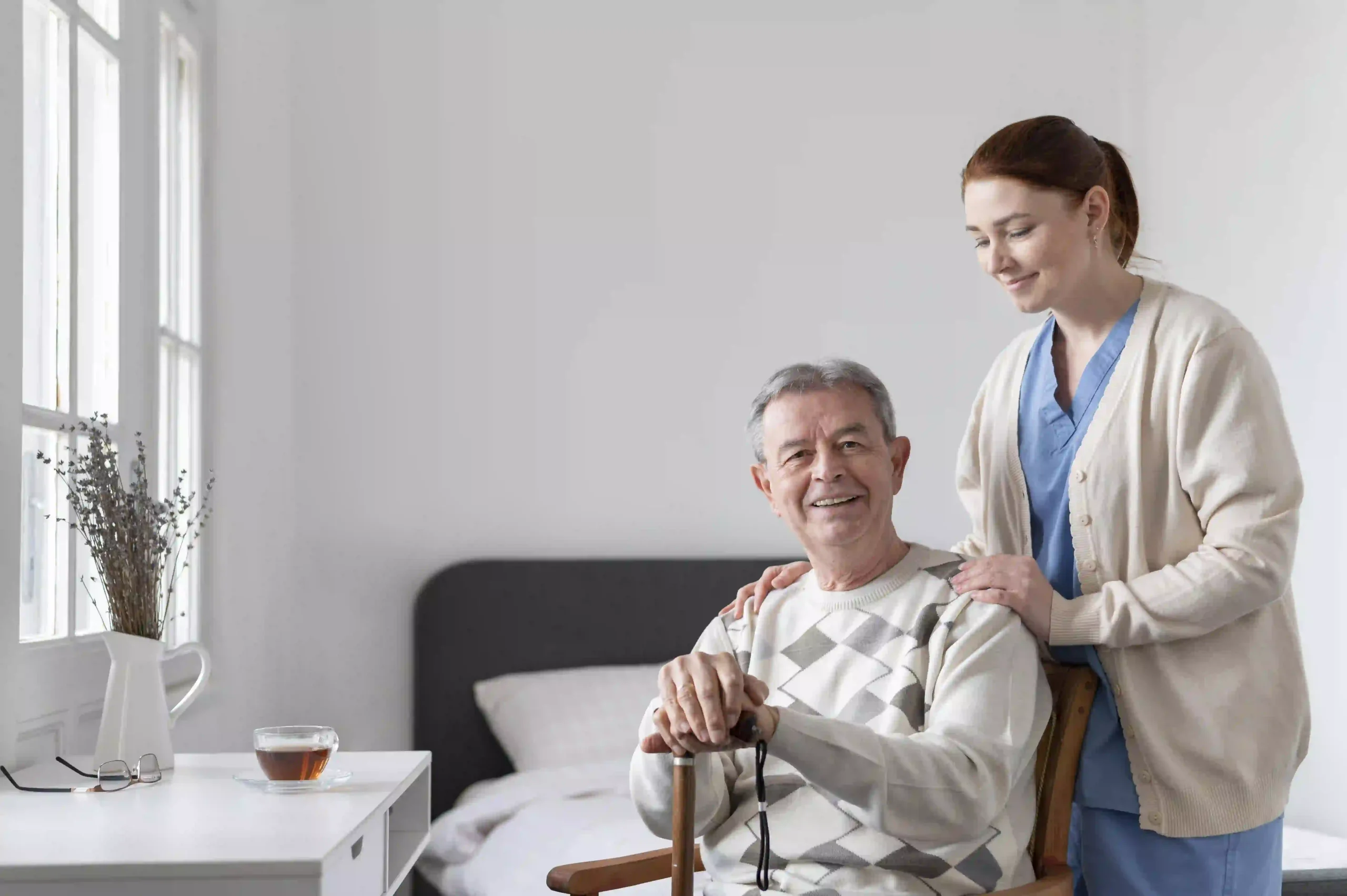
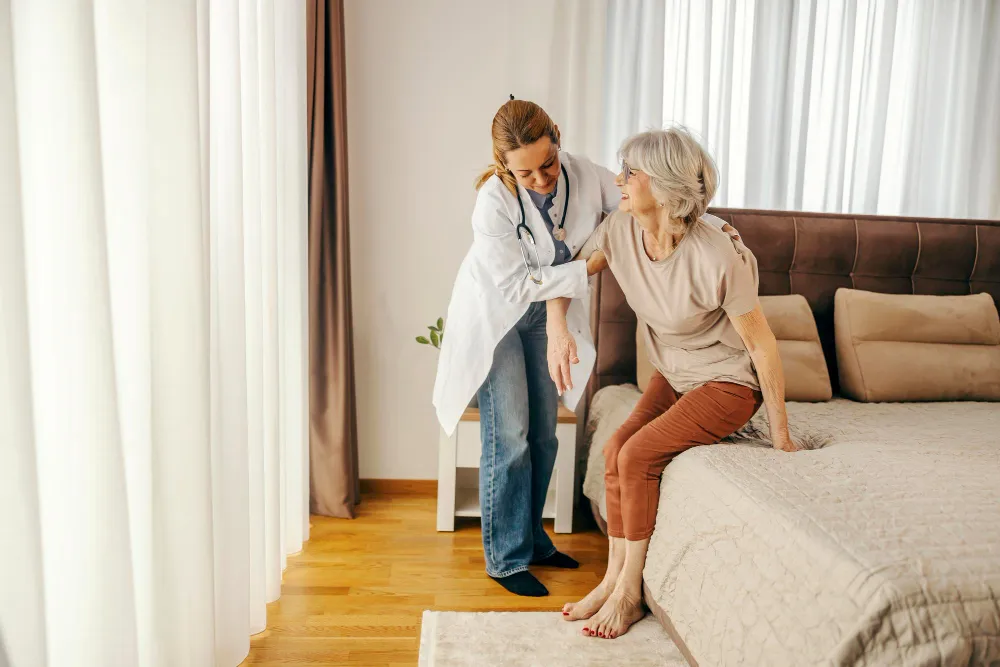
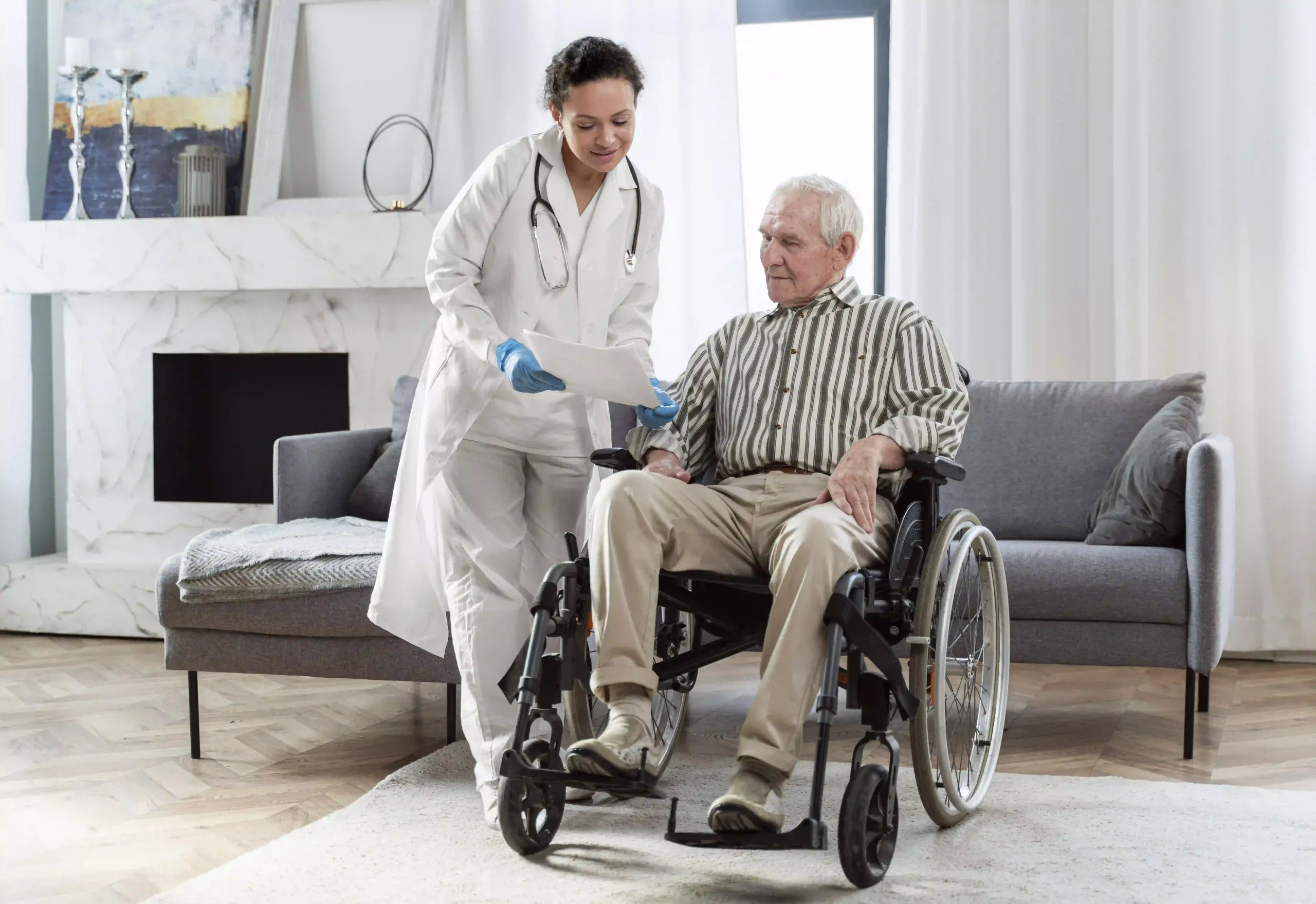
Home visits may be considered when travelling to a clinic creates unnecessary difficulty for a patient. Older adults, people with mobility limitations and patients recovering after hospitalisation may find home-based consultations more manageable.
A home visit can also allow the doctor to understand factors within the patient’s everyday environment that may be relevant to their care. However, suitability depends on the patient’s condition and the level of assessment or treatment required.
Preparing for a home visit doctor can help the consultation run more efficiently. Gather relevant medical documents, prepare a current medication list and make a note of symptoms or recent changes. You should also provide a suitable space where the doctor can examine the patient comfortably and safely.
Before the doctor arrives, gather relevant information such as:
If the patient has recently been discharged from hospital, keep their discharge instructions available. This can help the visiting doctor understand what treatment or follow-up has already been recommended.
Choose a comfortable and well-lit area where the doctor can examine the patient. Make sure there is enough room for any equipment and that the doctor can reach the patient without unnecessary obstacles.
Good lighting may be particularly helpful when examining areas such as wounds or skin. If the patient spends most of their time in bed, ensure there is sufficient access around the bed where possible.
Explain when the symptoms started, whether they have changed and what appears to make them better or worse. Mention recent medications, treatments, hospital admissions or other relevant changes.
Family members or caregivers can also provide useful information if they have noticed changes in the patient’s behaviour, appetite, mobility or general condition. TrueCare2U’s healthcare articles provide additional information for patients and caregivers preparing for home-based care.
During a home visit, the doctor will usually review the patient’s concerns, take a medical history and perform an appropriate examination. The next steps depend on the findings and may include treatment advice, medication, further investigations or referral. Patients should also understand what to monitor after the consultation and when to seek additional medical attention.
The doctor may begin by reviewing the patient’s symptoms, medical history and medications before conducting an examination relevant to the current concern.
Following the assessment, the doctor should explain their findings and recommended next steps. These may include home management instructions, medication, additional investigations, referral or follow-up care.
Ask questions if any part of the recommendation is unclear. Patients and caregivers should understand what needs to happen after the doctor leaves.
Follow the doctor’s instructions and arrange any recommended tests, referrals or follow-up appointments within the advised timeframe.
Monitor the patient’s condition after the visit. If symptoms become significantly worse or a new urgent problem develops, seek appropriate medical attention rather than waiting for the next scheduled home visit.
When choosing a home visit doctor in Malaysia, check the doctor’s registration, relevant experience, available services and follow-up arrangements. Patients should also understand the fees before confirming an appointment. Most importantly, the provider should clearly explain what can be managed at home and when further treatment at a clinic or hospital is necessary.
Doctors practising medicine in Malaysia are regulated by the Malaysian Medical Council (MMC). Patients can check whether a doctor is appropriately registered before arranging treatment.
You can also ask about the doctor’s relevant clinical experience, particularly if the patient has complex or ongoing healthcare needs.
Where possible, seeing the same doctor for follow-up visits can make it easier to review changes over time. The doctor will already be familiar with the patient’s history, previous assessment and treatment recommendations.
If different doctors may attend, ask how patient records and previous consultation information are shared between healthcare professionals.
Ask what the consultation fee covers before confirming the appointment. Additional procedures, supplies or other services may have separate charges depending on the provider.
You should also confirm which services are available during the visit and what happens if the doctor determines that further assessment is required. Families can visit TrueCare2U’s Get Started page to explore available home healthcare options.
Both home and clinic consultations can provide medical assessment, but the appropriate setting depends on the patient’s needs. Home visits reduce the need for travel and may suit people with mobility difficulties, while clinics may have easier access to equipment and facilities. Emergency or complex conditions may require hospital assessment instead.
Here is a quick comparison between a home doctor visit and a clinic appointment:
| Factor | Home Visit Doctor | Clinic Visit |
| Location | Patient’s home | Medical clinic |
| Travel | Doctor travels to patient | Patient travels to clinic |
| Equipment | Depends on doctor | Clinic facilities available |
| Suitable for | Mobility or travel difficulties | Patients able to attend |
| Emergency care | Limited | Hospital may be required |
A home visit doctor is a registered medical practitioner who provides consultations at a patient’s residence. Depending on the patient’s condition, the doctor may take a medical history, perform an examination and recommend appropriate treatment or further investigation. The main difference from a standard consultation is the location where the assessment takes place.
The conditions that can be assessed depend on the doctor’s services, available equipment and the patient’s individual situation. Home visits may be used for general consultations, chronic condition reviews or follow-up care. Conditions requiring emergency treatment, complex investigations or specialist equipment may need assessment at a clinic or hospital instead.
Patients can arrange home doctor services through healthcare providers that offer home visits. Before booking, provide information about the patient’s condition so the provider can determine whether a home consultation may be appropriate. Confirm the appointment time, location, fees and any medical documents that should be prepared beforehand.
Fees vary between providers and may depend on factors such as location, consultation requirements and additional services. Home visits may include costs associated with travelling to the patient’s residence. Ask for the applicable charges and what is included before booking rather than assuming that home and clinic consultation fees will be the same.
A registered doctor can prescribe medication when clinically appropriate following an assessment. Whether medication is supplied during the home visit depends on the provider and the medicine required. The doctor may instead provide a prescription or recommend that the patient obtain the medication through an appropriate pharmacy or healthcare facility.
A home visit doctor can be a practical healthcare option for patients who have difficulty attending a clinic because of mobility, recovery or other circumstances. Preparing medical records, explaining symptoms clearly and choosing an appropriately registered doctor can help patients make better use of the consultation.
Home medical care also has limits. Patients and caregivers should follow the doctor’s recommendations and seek clinic or hospital treatment when further investigation or urgent care is required.
If you are considering medical care at home, get started with TrueCare2U to explore available home visit doctor services and the next steps for arranging an appointment.

















































































































 Call Us
Spread the love, follow us on our social media channels