

Follow us:



How Home Care Services Provide Daily Assistance to Patients
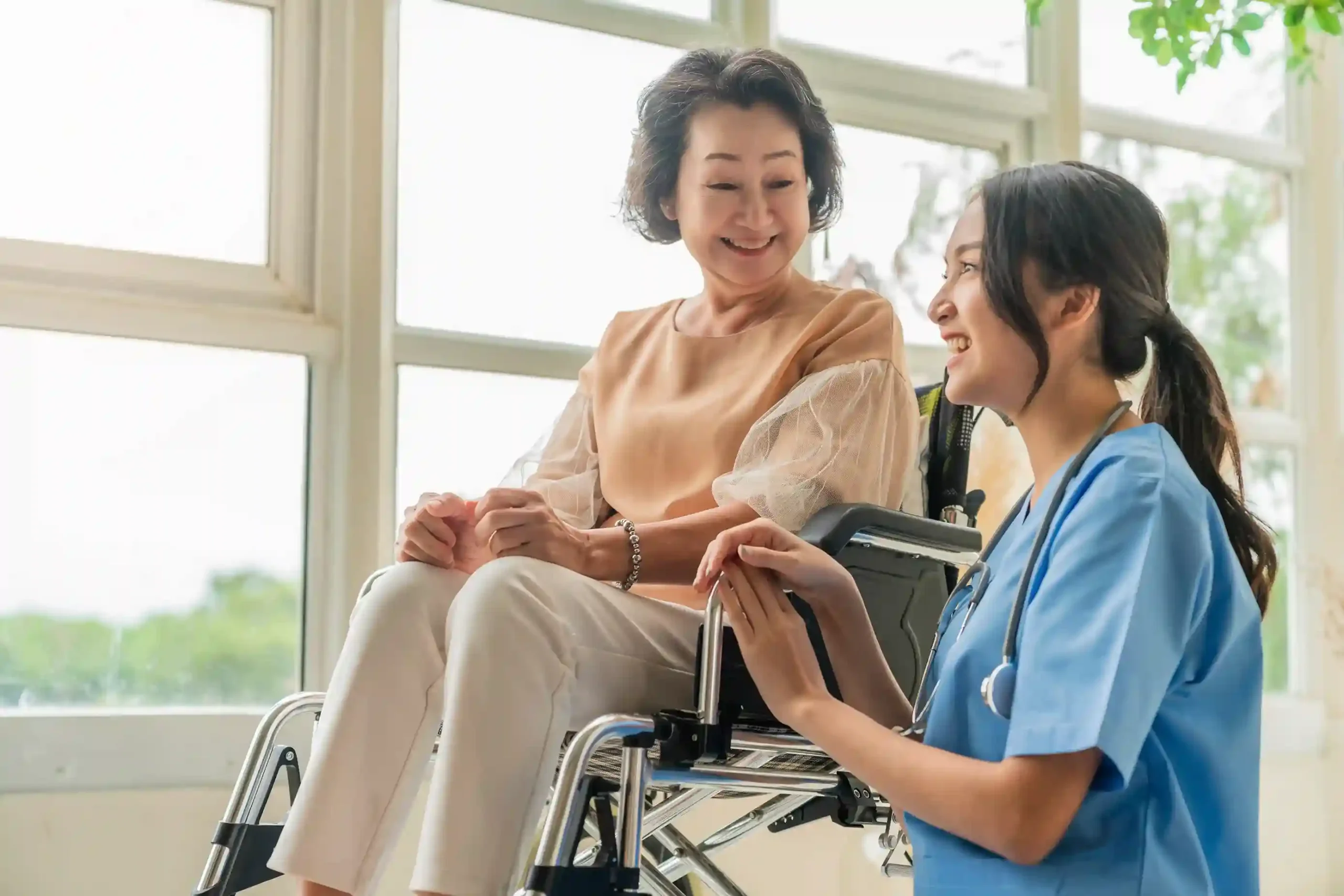
When illness, injury, reduced mobility or age makes everyday activities more difficult, patients may need additional support to continue living at home. The amount of assistance required can range from occasional help with daily routines to professional nursing or rehabilitation.
For families searching for home care near me, understanding the different types of assistance available can make it easier to identify suitable support. TrueCare2U helps Malaysian patients and families connect with healthcare professionals who provide home-based services according to individual care needs.
Home care near me services can support patients with everyday activities such as personal care, meals and mobility, while qualified healthcare professionals may provide clinical services when required. The appropriate arrangement depends on the patient’s health, independence and care needs rather than using the same package for every person.
Home care near me can provide different forms of daily assistance depending on the patient’s needs and the provider’s services. Support may include personal care, meal preparation, mobility assistance and companionship. Clinical tasks such as wound care or certain medication-related procedures should be handled by appropriately qualified healthcare professionals.
Activities such as bathing, dressing and grooming can become more difficult when a patient experiences reduced mobility, weakness or other physical limitations.
Depending on the person’s needs, a caregiver may provide assistance with:
The amount of assistance should reflect what the patient can safely manage. Where possible, patients can continue participating in activities they are able to perform independently.
Preparing meals can become difficult for patients with limited mobility or reduced ability to manage household tasks.
Depending on the service arrangement, a caregiver may assist with meal preparation and everyday eating routines. Any medically prescribed dietary requirements should follow advice from the patient’s relevant healthcare professional.
Significant changes such as persistent poor appetite, unexplained weight loss or difficulty swallowing should be discussed with an appropriate healthcare professional rather than managed solely through general caregiving.
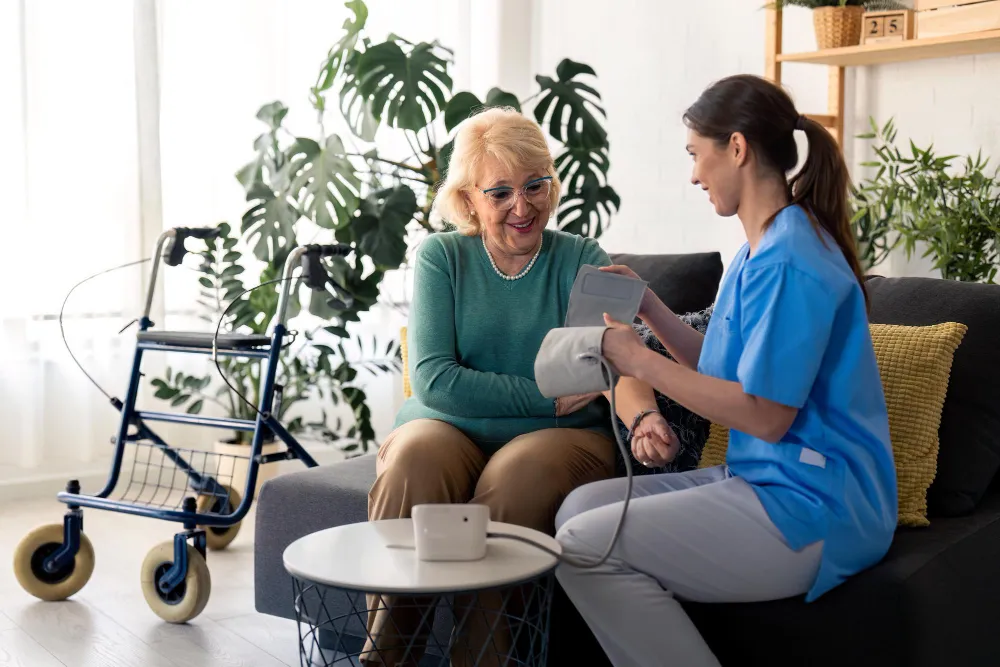
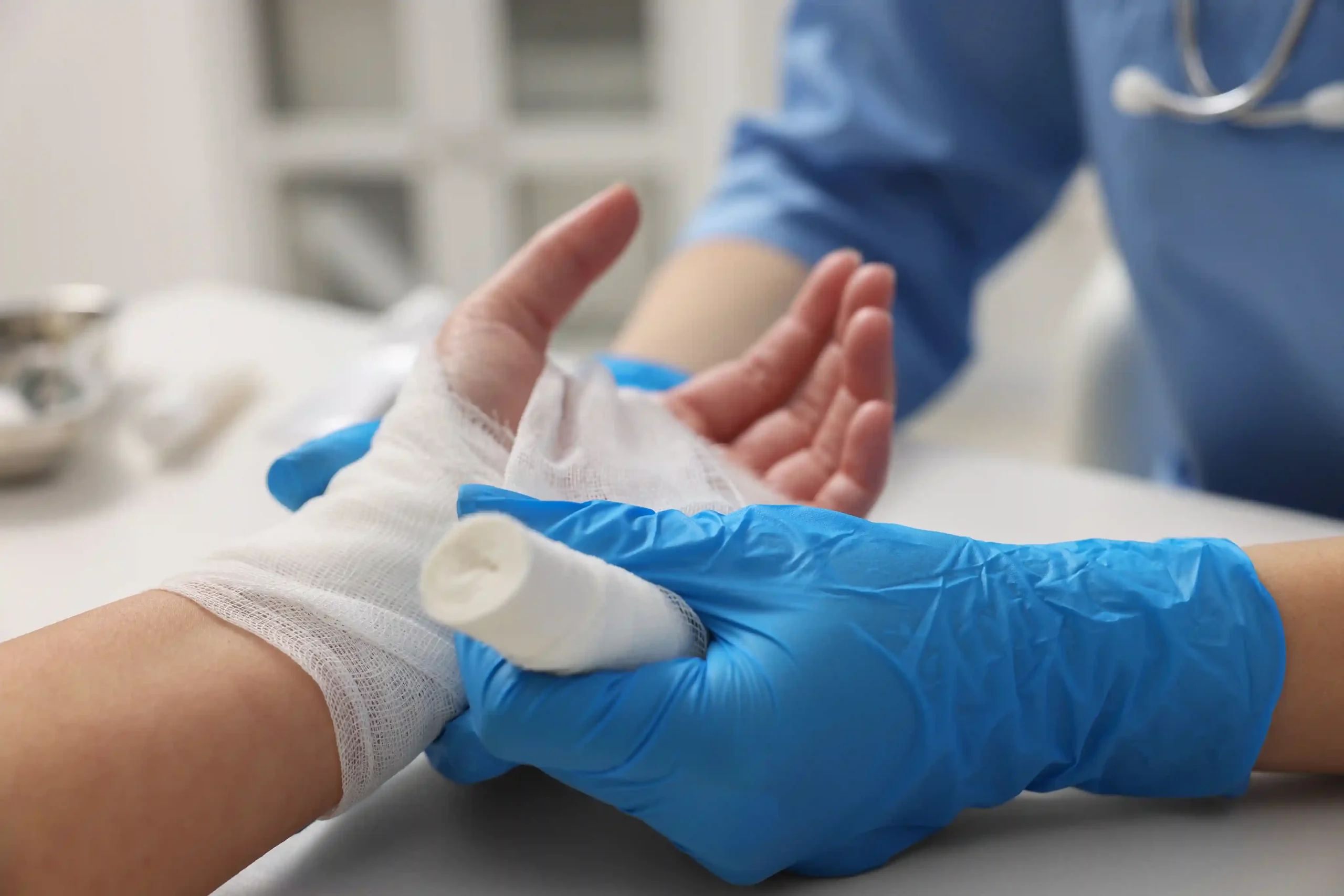
Some patients require health-related support alongside everyday assistance. Depending on the patient’s care plan, this may include medication support, wound care or basic health monitoring. These responsibilities should be matched to the provider’s qualifications, as clinical procedures require appropriately trained healthcare professionals rather than general caregiving alone.
Medication needs vary considerably between patients.
A caregiver may provide appropriate reminders or assistance according to the agreed care arrangement, while medication administration and clinical decisions should remain within the responsibilities of suitably qualified professionals.
Families should keep an up-to-date medication list and follow instructions provided by the patient’s doctor, pharmacist or other treating healthcare professional.
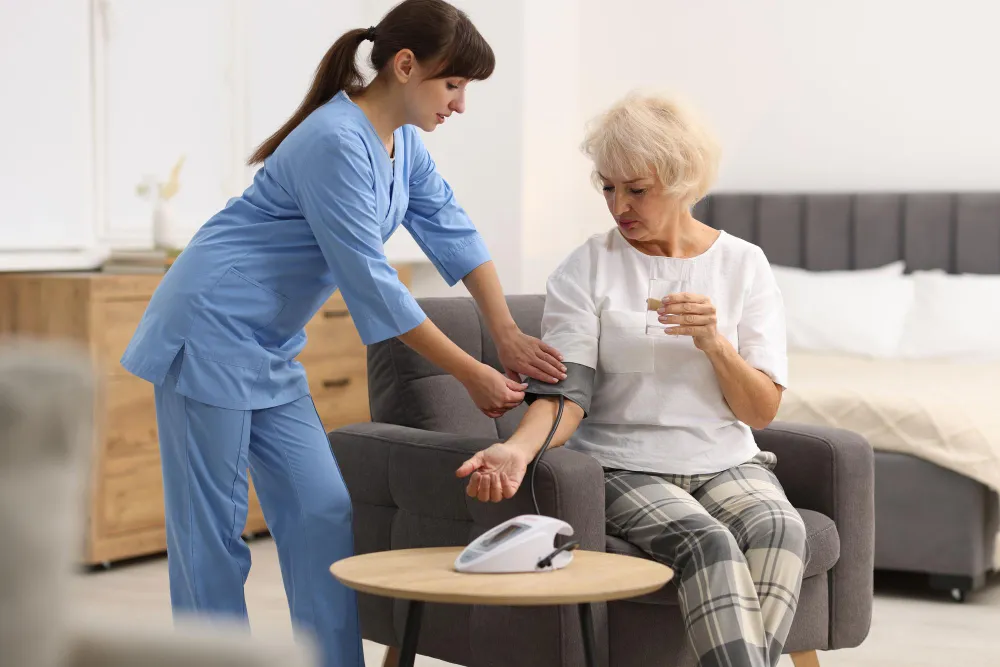
Qualified healthcare professionals may provide wound care or appropriate health monitoring at home when these services form part of the patient’s care plan.
This may involve:
The exact service depends on the patient’s needs and the professional scope of the person providing care.
Families can explore TrueCare2U’s healthcare providers for information about available home healthcare professionals.
Home care near me may support patients who have difficulty standing, walking or moving between different areas of the home. Assistance can be provided with selected everyday movements where appropriate. Families should also consider whether obstacles within the home are making mobility unnecessarily difficult or increasing potential safety concerns.
Some patients require assistance when getting out of bed, standing from a chair or moving around the home.
The appropriate level of support depends on the patient’s abilities. Caregivers should use techniques suitable for their training and the patient’s care requirements.
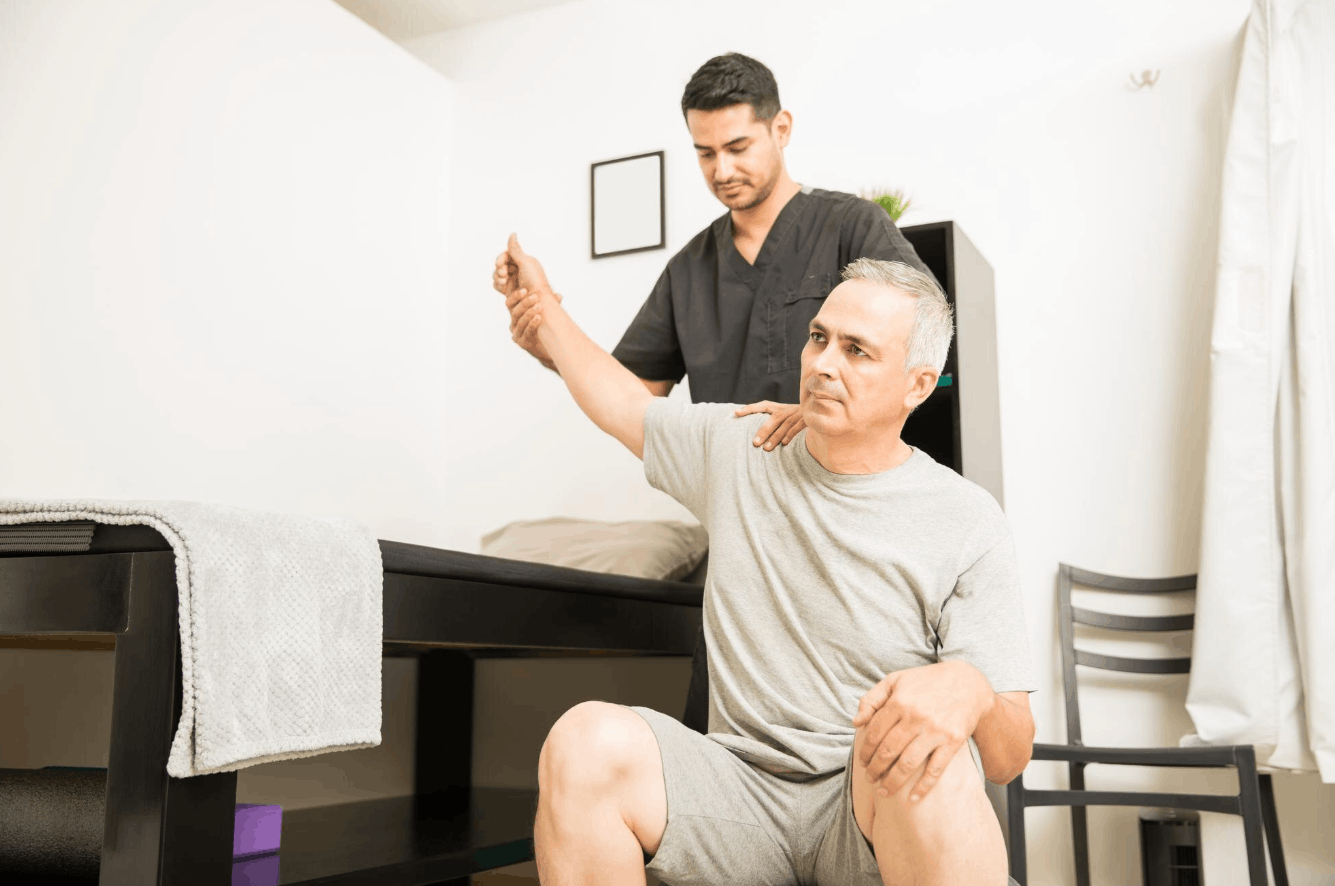
When significant mobility difficulties are present, assessment by a physiotherapist or another appropriate healthcare professional may help determine whether rehabilitation or mobility equipment should be considered.
Families can review frequently used areas to identify obstacles that may make movement more difficult.
Potential issues include:
Any equipment or larger home modifications should be selected according to the patient’s individual needs rather than assuming the same solution works for everyone.
Daily home care is not limited to physical tasks. Depending on the service, caregivers may also provide companionship and social interaction during visits. This can be particularly relevant for patients who spend significant amounts of time at home. However, companionship should complement rather than replace appropriate professional assessment when emotional or behavioural concerns arise.
Companionship can involve simple everyday interactions such as conversation, shared activities or accompanying the patient during suitable routines.
The type of interaction should reflect the patient’s interests, preferences and abilities rather than following a fixed programme.
If family members notice persistent changes in mood, behaviour or social engagement, these concerns should be discussed with an appropriate healthcare professional.
TrueCare2U’s articles provide further information for families managing healthcare and support at home.
Finding suitable home care near me begins with understanding which parts of the patient’s day have become difficult to manage. Families can then compare providers according to the type of assistance required, professional qualifications, availability and fees. The care arrangement should also be flexible enough to change if the patient’s needs develop over time.
Consider the patient’s normal routine and identify where assistance may be useful.
Ask questions such as:
This creates a clearer picture of the type and frequency of support that may be appropriate.
Before confirming care, ask the provider about:
Families can use TrueCare2U’s Get Started page to explore available home care options.
Home care near me can include personal care, meal assistance, mobility support, companionship and other everyday activities depending on the provider. Qualified healthcare professionals may also provide nursing or rehabilitation services when required. Always confirm what is included because different providers may use the term “home care” for different levels of support.
There is no standard visit frequency for every patient. Some people may need occasional assistance, while others require more regular support. The appropriate schedule depends on the patient’s health, independence, existing family support and the tasks that need to be completed. Care frequency should be reviewed when these needs change.
Home care and hospital care serve different purposes. Some patients can receive suitable ongoing support at home after they are medically ready to leave hospital. However, emergencies, serious deterioration or conditions requiring hospital facilities still need appropriate medical care. Follow the patient’s discharge instructions and healthcare team’s recommendations.
Look for consistent difficulty managing activities such as bathing, dressing, preparing meals, medication routines or moving safely around the home. One isolated problem does not necessarily mean daily professional care is required. Discuss significant health or functional changes with an appropriate healthcare professional to determine what support may be suitable.
Availability depends on the provider, location, type of care required and availability of suitable professionals. Planned arrangements can be discussed in advance where possible, particularly before hospital discharge or scheduled procedures. For more immediate needs, contact the provider directly to confirm what services and professionals are currently available.
Home care near me can provide practical support when everyday activities become difficult to manage independently. Depending on the patient’s needs, this may include personal care, meals, mobility assistance, companionship or appropriate healthcare services delivered by qualified professionals.
The right arrangement should be based on the patient’s actual needs rather than selecting a generic care package. Families should also review the level of support when the patient’s condition or independence changes.
If your family is considering additional support at home, contact TrueCare2U to discuss available home care near me services and suitable next steps..




































































































































 Call Us
Spread the love, follow us on our social media channels