

Follow us:



How Home Care Supports Elderly Parents Who Need Daily Help
As parents get older, everyday activities such as bathing, getting dressed, preparing meals or moving around the home may gradually become more difficult. Families may then need to consider how much assistance their parent requires and what type of support is appropriate.
Home care allows elderly parents to receive assistance within their own residence while continuing to participate in everyday activities they can manage independently. TrueCare2U helps Malaysian families connect with caregivers and healthcare professionals who provide home-based support according to individual care needs.
Home care can support elderly parents who need assistance with everyday activities while allowing them to remain in familiar surroundings. Depending on their needs, support may include personal care, meals, mobility, companionship and appropriate healthcare services. The level of care should reflect the parent’s abilities, health and personal preferences.
Home care provides support to an elderly person within their own residence rather than requiring them to move into a residential care facility. The exact services depend on individual needs and may range from assistance with everyday activities to nursing or rehabilitation provided by appropriately qualified healthcare professionals.
Personal care can become more challenging when an elderly parent experiences reduced mobility, weakness or difficulty completing certain activities independently.
Depending on their needs, a caregiver may assist with:
Care should respect the person’s privacy and preferences. Where possible, elderly parents can continue completing the parts of their routine they are able to manage safely rather than having every activity done for them.
Shopping for groceries and preparing meals may become difficult for some older adults, particularly when mobility or other health issues affect their everyday routine.
Depending on the service arrangement, a caregiver may help with meal preparation and eating routines. Dietary requirements prescribed for conditions such as diabetes or kidney disease should follow advice from an appropriate healthcare professional.
Persistent appetite changes, unexplained weight loss or difficulty swallowing should be discussed with a healthcare professional rather than managed through general caregiving alone.
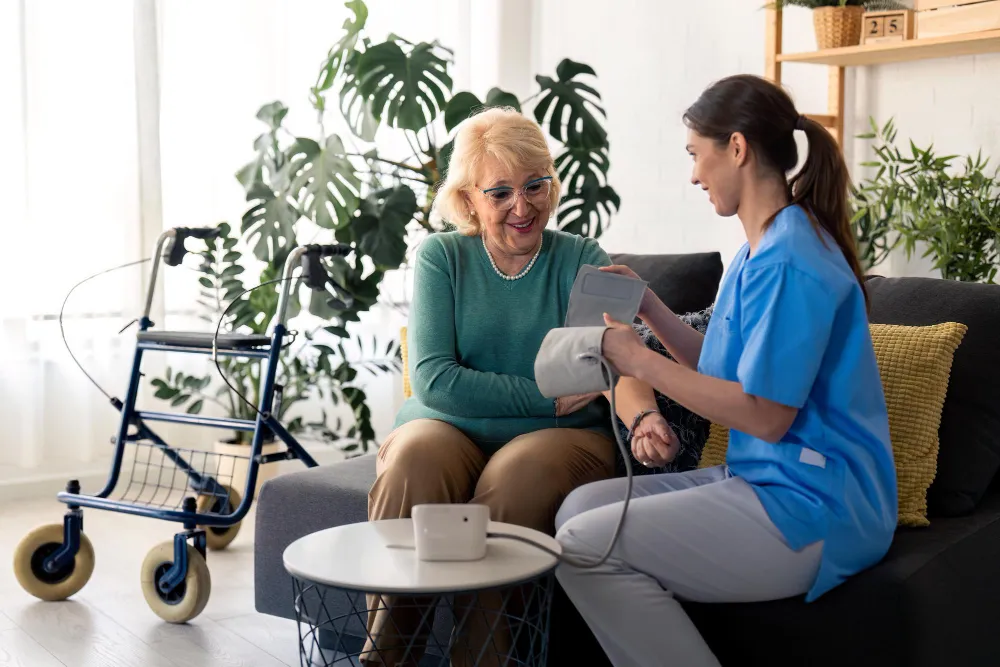
Home care can include certain health-related services when they are provided by appropriately qualified professionals. Depending on the elderly parent’s condition and care plan, this may involve medication support, basic health monitoring, wound care or rehabilitation. Families should distinguish between general caregiving and clinical tasks that require professional healthcare qualifications.
Older adults living with chronic conditions such as diabetes, hypertension or heart disease may require ongoing medical follow-up alongside everyday assistance.
Depending on the care plan and professional involved, home-based support may include:
Clinical decisions and procedures should remain within the scope of appropriately qualified healthcare professionals.
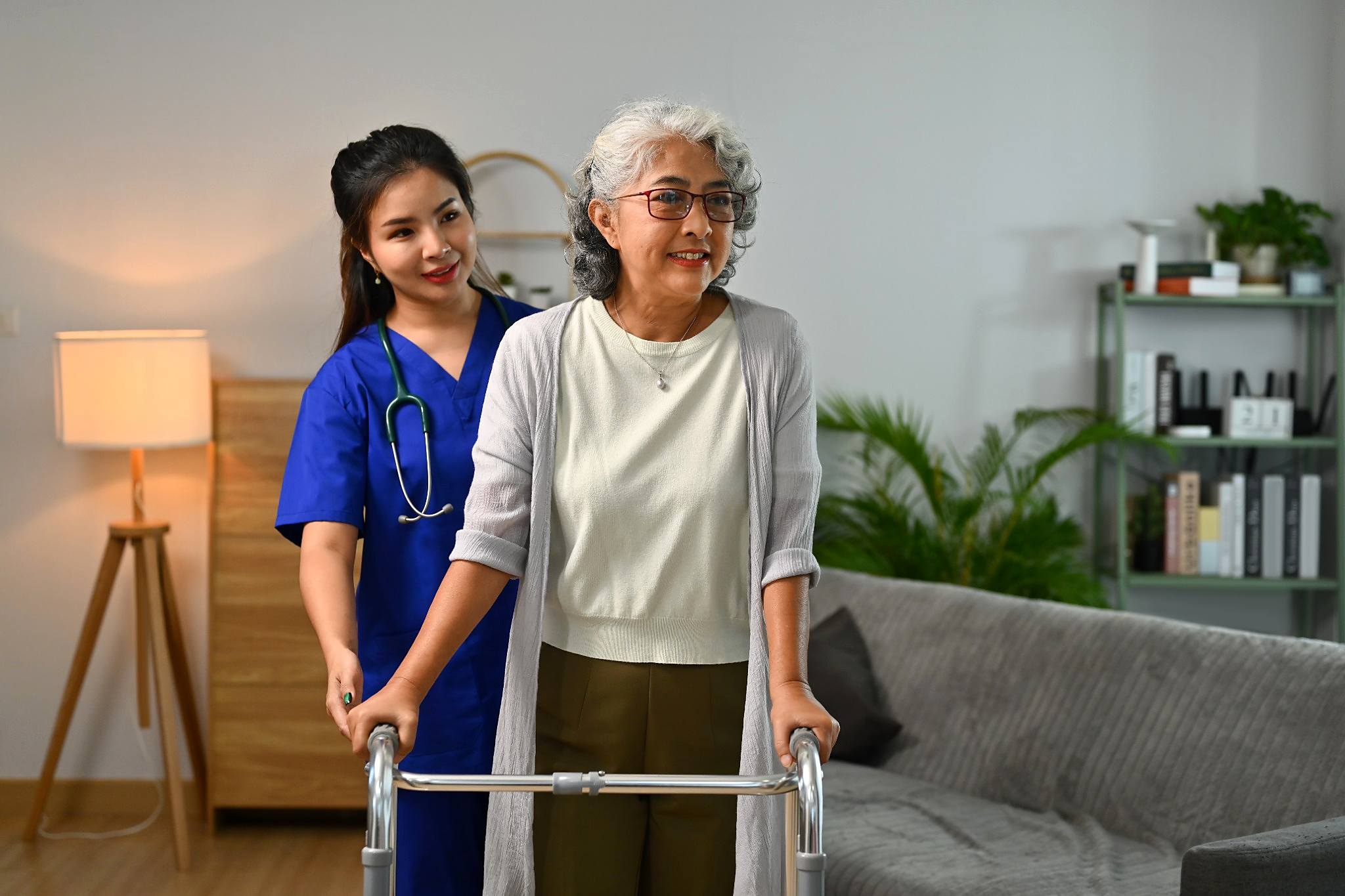
Some elderly parents may need assistance getting out of bed, standing from a chair or moving between rooms.
The appropriate level of support depends on the person’s mobility and abilities. Families should avoid attempting unfamiliar lifting or transfer techniques without appropriate guidance.
When mobility changes significantly, a physiotherapist or other relevant healthcare professional may assess whether rehabilitation, exercises or mobility equipment should be considered.
TrueCare2U’s healthcare providers include professionals who provide different forms of elderly care and home-based healthcare.
A home that previously worked well may become more difficult to navigate when an elderly parent’s mobility, balance or vision changes. Families can review frequently used areas for obstacles and consider appropriate adjustments. Larger modifications or mobility equipment should be based on the individual’s needs rather than assuming every older adult requires the same changes.
Start with areas the parent uses most often, such as the bedroom, bathroom, kitchen and living room.
Potential issues may include:
Simple changes may make everyday movement easier, while more significant mobility difficulties may require professional assessment.
No. Mobility equipment should be selected according to the individual’s abilities and needs.
Walking aids, grab rails or other equipment may be useful for some people, but inappropriate equipment or incorrect use can create additional difficulties. Seek professional guidance when you are unsure what is suitable.
Families can browse TrueCare2U’s care services for available home healthcare products and support options.
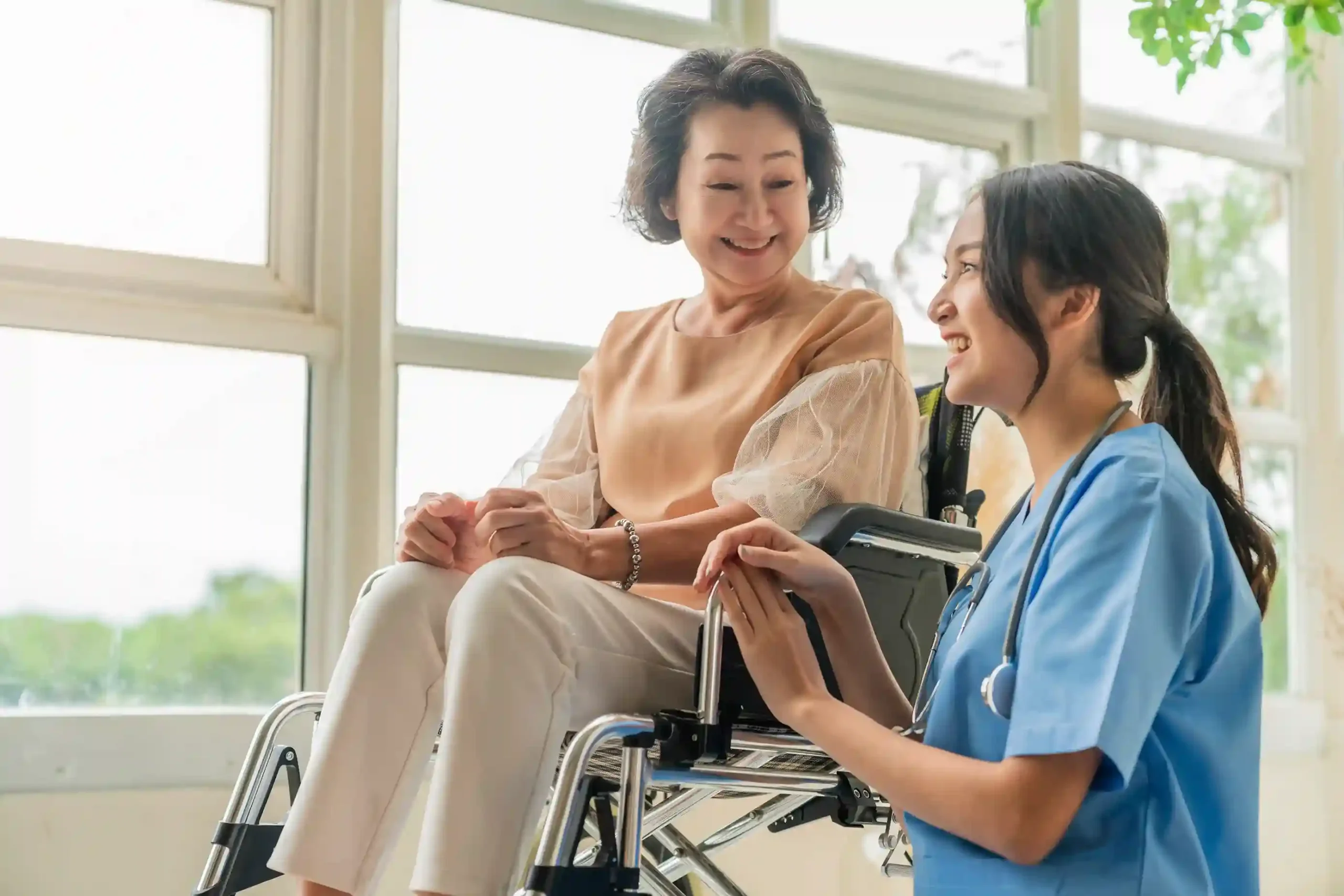
Home care may also provide companionship for elderly parents who spend significant amounts of time at home. Depending on the care arrangement, caregivers can provide conversation, shared activities and social interaction alongside practical assistance. Persistent changes in mood, behaviour or social engagement should still be discussed with an appropriate healthcare professional.
Companionship does not need to involve complicated activities.
Depending on the parent’s preferences and abilities, it may include:
The caregiver should adapt activities to the person’s interests rather than assuming every older adult enjoys the same routine.
Family members often remain involved even after professional home care is arranged.
A caregiver can take responsibility for agreed tasks during scheduled visits, allowing family members to manage work, household responsibilities and other commitments.
Families should clearly understand which responsibilities belong to the professional caregiver and which remain with relatives so that important care needs are not overlooked.
Choosing the right level of home care begins with identifying which everyday activities an elderly parent can manage independently and where assistance is required. Their health conditions, mobility, living arrangements and existing family support should also be considered. Care needs should be reviewed over time rather than assuming the initial arrangement will always remain suitable.
Consider factors such as:
The aim is to match the level of assistance to the parent’s actual needs rather than automatically choosing the most intensive care arrangement.
Some elderly parents may have concerns about receiving professional help at home, particularly if they feel it could reduce their independence.
Explain the specific areas where additional assistance may be useful and involve them in decisions wherever possible. Discuss their preferences regarding routines, caregivers and the type of support they feel comfortable receiving.
Framing home care around assistance with particular difficulties can make the conversation more constructive than presenting it as taking control of their everyday life.
Families can get started with TrueCare2U to explore available home care arrangements.
Home care provides support within an individual’s residence, while a nursing home provides accommodation and care within a residential facility. Home care may suit elderly parents whose needs can be appropriately managed at home, while some people may require the level of supervision or support available in a residential setting.
It depends on the provider and professionals involved. General caregivers can assist with appropriate everyday activities, while nursing procedures and other clinical services should be provided by suitably qualified healthcare professionals. Families should confirm exactly what the provider offers and who will be responsible for each part of the care plan.
There is no standard number of hours that suits every elderly person. Some parents may require assistance only with selected activities, while others need more regular support. The appropriate schedule depends on health, mobility, independence, family availability and the tasks that need to be completed.
Home care costs vary according to the provider, type of assistance, visit frequency, duration and whether professional nursing or other healthcare services are required. Ask providers for a clear breakdown of regular fees and potential additional charges so you can compare services based on the actual care required.
Check the provider’s service terms, caregiver screening process, qualifications where relevant, pricing and communication procedures. For clinical care, confirm the professional credentials of the healthcare provider involved. Families should also understand how concerns are handled and what happens when the usual caregiver is unavailable.
Home care can provide elderly parents with practical assistance while allowing them to continue living within familiar surroundings. Depending on individual needs, this may include personal care, meal assistance, mobility support, companionship and appropriate healthcare services.
The right arrangement should support the areas where help is genuinely needed while allowing the parent to remain involved in activities they can manage independently. Care should also be reviewed as health, mobility or everyday needs change.
If your family is considering home care for an elderly parent, contact TrueCare2U to discuss available support and suitable next steps.









































































































































 Call Us
Spread the love, follow us on our social media channels