

Follow us:



How to Choose Reliable Postnatal Care Services in Malaysia
The weeks after giving birth involve significant changes for both mother and baby. While caring for a newborn becomes an immediate priority, mothers are also recovering physically and adjusting to new routines at home.
Choosing suitable postnatal care Malaysia services can provide additional support during this period. However, the type of care available can vary considerably between providers. Some focus on everyday confinement support, while qualified healthcare professionals may provide clinical services when required.
TrueCare2U helps Malaysian families connect with healthcare professionals who provide home-based care. Understanding what to check before choosing a provider can help families find support that matches the mother’s recovery needs, newborn care requirements and personal preferences.
Choosing postnatal care Malaysia services should involve more than checking availability. Families should understand the provider’s qualifications, services, experience and approach to mother and newborn care. Cultural preferences, pricing and the scope of care should also be discussed clearly before the service begins.
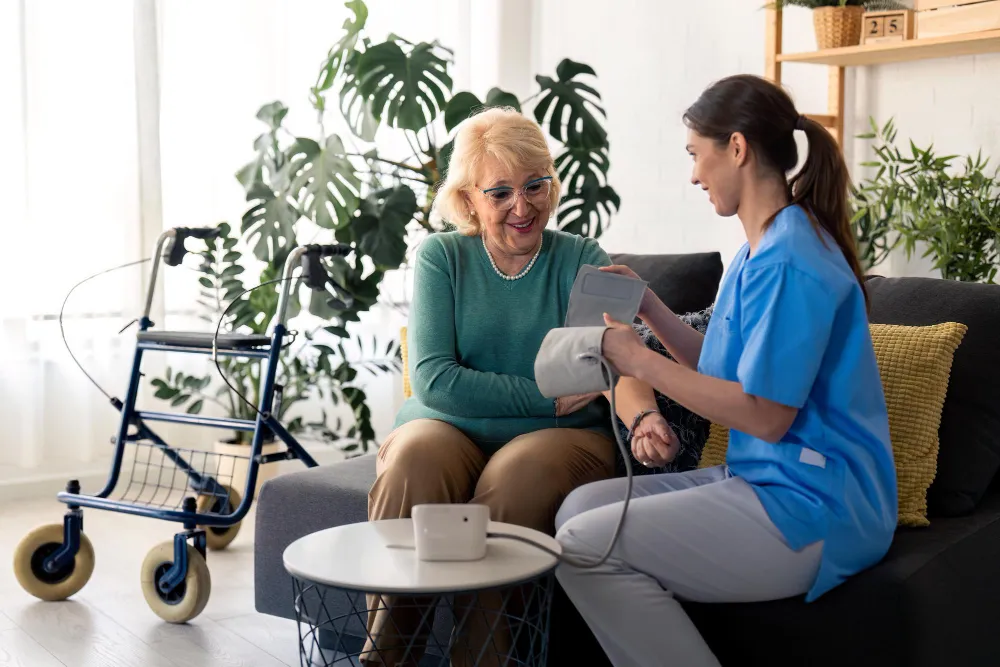
Postnatal care Malaysia can involve different forms of support for a mother and newborn after delivery. Depending on the provider, this may include assistance with everyday routines, breastfeeding support, newborn care or appropriate clinical monitoring. Families should check the provider’s qualifications because not every postnatal caregiver is trained to perform healthcare procedures.
A mother’s needs after delivery depend on factors such as the type of birth, her health and how recovery progresses.
Depending on the provider’s qualifications and scope of service, support may involve:
Clinical procedures should be provided by appropriately qualified healthcare professionals.
Newborn support can include assistance with feeding routines, bathing, changing and other everyday care.
The provider may also help parents understand changes that should be discussed with the baby’s healthcare professional. However, newborn illness or concerning symptoms require appropriate medical assessment rather than relying solely on a postnatal caregiver.
Malaysia’s Ministry of Health provides maternal and child health information that families can refer to alongside advice from their healthcare professionals.
The qualifications required depend on the type of support the mother and baby need. General confinement assistance and clinical postnatal nursing are not the same service. Families should understand who will provide the care, what training they have and whether their qualifications are appropriate for the responsibilities they will perform.
Before confirming a provider, ask directly about their qualifications and relevant experience.
Useful questions include:
Do not rely solely on the number of years someone has worked as evidence that they are qualified to perform clinical procedures.
Some mothers may require clinical care after delivery, particularly when there are specific medical or recovery needs.
For example, a mother who requires wound management after a caesarean delivery should receive appropriate guidance from her healthcare team and have clinical procedures performed by suitably qualified professionals.
Ask the provider which services are delivered by nurses or other healthcare professionals and which are provided by non-clinical caregivers.
Cultural preferences can be an important part of postnatal care Malaysia, particularly during confinement. Families may have preferences regarding meals, routines and traditional practices. A suitable provider should be willing to discuss these preferences respectfully while recognising that practices affecting the health of the mother or baby should be considered alongside appropriate medical guidance.
Do not assume that every provider follows the same confinement practices.
Before confirming the arrangement, discuss:
This gives both sides an opportunity to identify disagreements before the service starts.
Traditional practices and professional healthcare do not necessarily need to conflict, but health and safety should remain important considerations.
If a traditional practice affects medication, wound care, breastfeeding, nutrition or the baby’s health, discuss it with an appropriate healthcare professional rather than making assumptions about whether it is suitable.
Potential warning signs include unclear qualifications, vague descriptions of services, unexplained fees and reluctance to discuss how health concerns will be handled. Families should understand exactly who will provide the care and what responsibilities they will have before allowing a postnatal provider into the home.
Be cautious if a provider cannot clearly explain their training or refuses reasonable questions about their experience.
For clinical services, ask whether the relevant professional credentials can be verified. Families should also understand whether the person they initially speak with will actually be the person providing the care.
A written service agreement can help both the family and provider understand the arrangement.
It should clarify matters such as:
Review the agreement before making payment or confirming a long-term arrangement.
A provider should be willing to discuss the mother’s recovery, newborn care needs and household preferences before beginning the service.
Be cautious when someone promises that the same routine is appropriate for every family or dismisses reasonable questions about how care will be adapted.
Families can explore TrueCare2U’s healthcare providers to learn more about available home-based healthcare options.
Comparing postnatal care Malaysia providers is easier when you use the same criteria for each option. Look beyond availability and consider qualifications, scope of care, communication, cultural preferences and pricing. This helps families distinguish between general confinement assistance and services that include professional healthcare support.
| Factor | What to Check | Why It Matters |
| Qualifications | Training and credentials | Matches care needs |
| Services | What’s included | Avoids assumptions |
| Experience | Relevant care history | Shows suitability |
| Communication | Clear responses | Sets expectations |
| Fees | Full cost breakdown | Helps with budgeting |
Families can begin researching postnatal care Malaysia during pregnancy so there is enough time to compare providers and discuss expectations. There is no single stage of pregnancy that guarantees better availability, so planning ahead is generally more useful than relying on a specific deadline or assuming a preferred provider will remain available.
Where possible, compare several suitable providers before deciding.
Ask similar questions about qualifications, experience, services, availability and fees. This makes differences easier to identify and reduces the likelihood of choosing solely because one provider was contacted first.
Once you have chosen a provider, discuss how the arrangement will work before care begins.
Cover matters such as daily routines, feeding preferences, cultural practices, responsibilities and how concerns involving the mother or baby should be communicated.
TrueCare2U’s highlights provide additional information about available healthcare and home-based support.
Postnatal care Malaysia refers to support provided to mothers and newborns following childbirth. The exact services vary between providers and may range from everyday confinement assistance to professional nursing support. Families should check the provider’s qualifications and scope of care rather than assuming all postnatal services include clinical healthcare.
There is no single duration that is appropriate for every mother. The amount of support required depends on recovery, newborn care needs, family assistance and personal preferences. Families following a traditional confinement period may also have cultural preferences regarding duration. Clinical follow-up should continue according to advice from the mother’s healthcare team.
The main difference is professional scope. A confinement caregiver generally provides non-clinical assistance based on their services and experience. A qualified nurse can provide appropriate nursing care within their professional scope. Families should choose according to the mother’s and baby’s actual needs rather than assuming the two roles are interchangeable.
Costs vary according to the provider, duration, location and type of support required. Clinical nursing and general confinement assistance may also be priced differently. Ask for a complete breakdown of fees, including potential additional charges, before booking so that different providers can be compared accurately.
Availability depends on the provider and location. Short-notice arrangements may be possible, but families should not assume that a particular caregiver or healthcare professional will be available. Researching providers during pregnancy gives families more time to compare suitable options and prepare an alternative plan if their preferred choice is unavailable.
Choosing suitable postnatal care Malaysia services begins with understanding what kind of support the mother and baby actually require. Qualifications, relevant experience, cultural preferences, communication and clear service terms should all be considered before making a decision.
Families should also distinguish between general confinement assistance and clinical postnatal care. When healthcare procedures or medical monitoring are required, appropriately qualified professionals should provide that support.
If you are exploring postnatal support for your family, contact TrueCare2U to discuss available postnatal care Malaysia services and the type of assistance that may suit your needs.




































































































































 Call Us
Spread the love, follow us on our social media channels