

Follow us:



3 Ways Home Care Malaysia Can Offer Mobility Support
Mobility difficulties can make everyday activities such as getting out of bed, walking to the bathroom or moving between rooms more challenging. For older adults, patients recovering from surgery and people living with conditions that affect movement, appropriate assistance at home can make daily routines easier to manage.
Home care Malaysia services may provide different forms of mobility support depending on the patient’s individual needs. TrueCare2U helps Malaysian families connect with healthcare professionals who can provide home-based assistance, including rehabilitation where appropriate.
Home care Malaysia can support mobility in three main ways: assistance with everyday movement, identifying potential hazards within the home and providing access to home-based physiotherapy where appropriate. The type of support required should be based on the patient’s condition, mobility level and professional assessment rather than using the same approach for everyone.
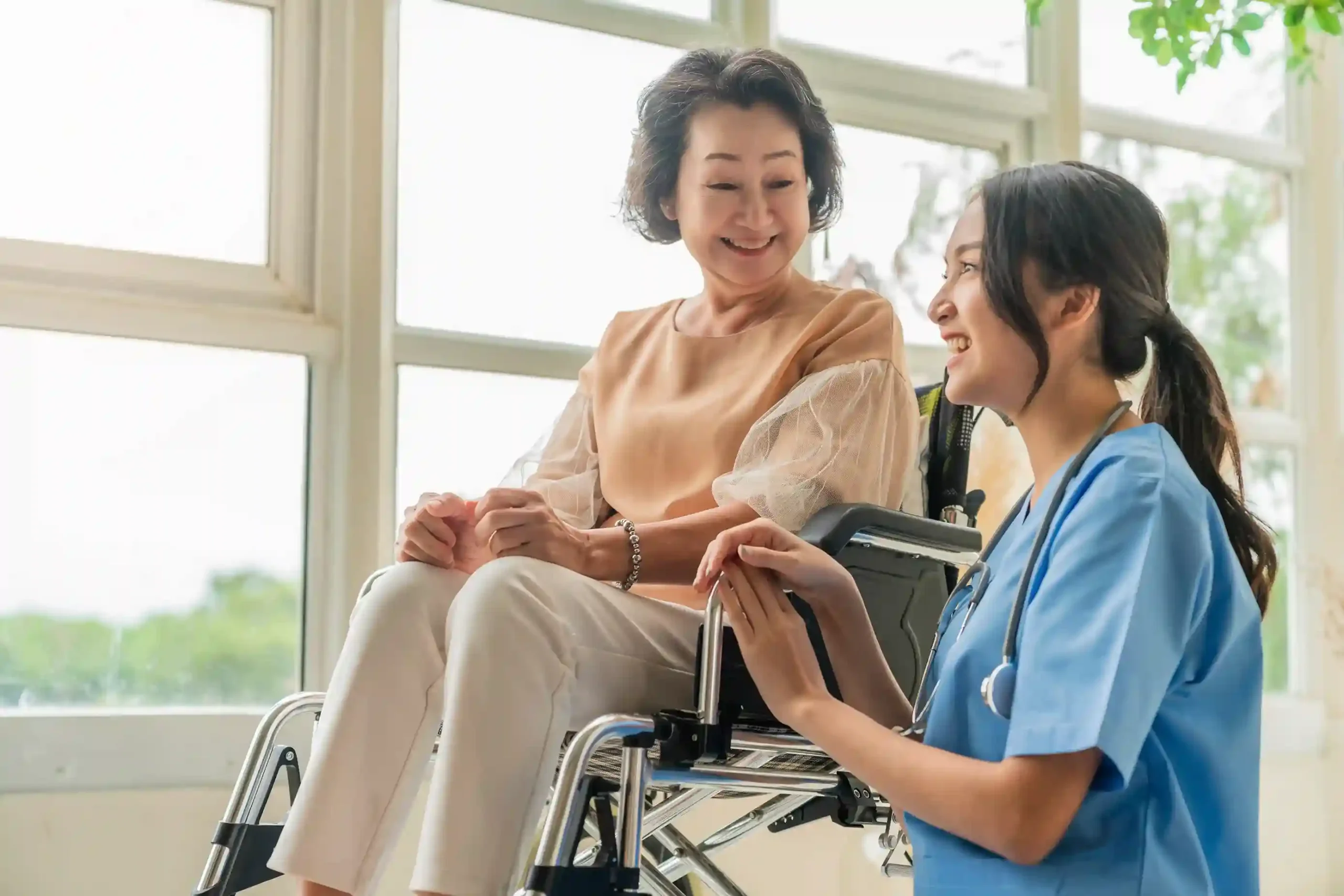
Mobility affects many everyday activities, from getting out of bed to bathing, dressing and moving around the home. When a person’s mobility changes, they may require additional assistance or rehabilitation. Home care Malaysia can provide support within the patient’s everyday environment while helping families understand which activities require professional assistance.
Mobility difficulties can arise for many reasons, including:
The appropriate type of assistance depends on the underlying condition and the patient’s individual abilities.
Families should pay attention to meaningful changes in the way a person moves around the home.
Repeated falls or near falls, difficulty standing from a chair, increasing reliance on furniture for support or problems reaching the bathroom safely may indicate that further assessment is appropriate.
A healthcare professional can help determine whether the person needs rehabilitation, mobility assistance, environmental changes or another form of support.
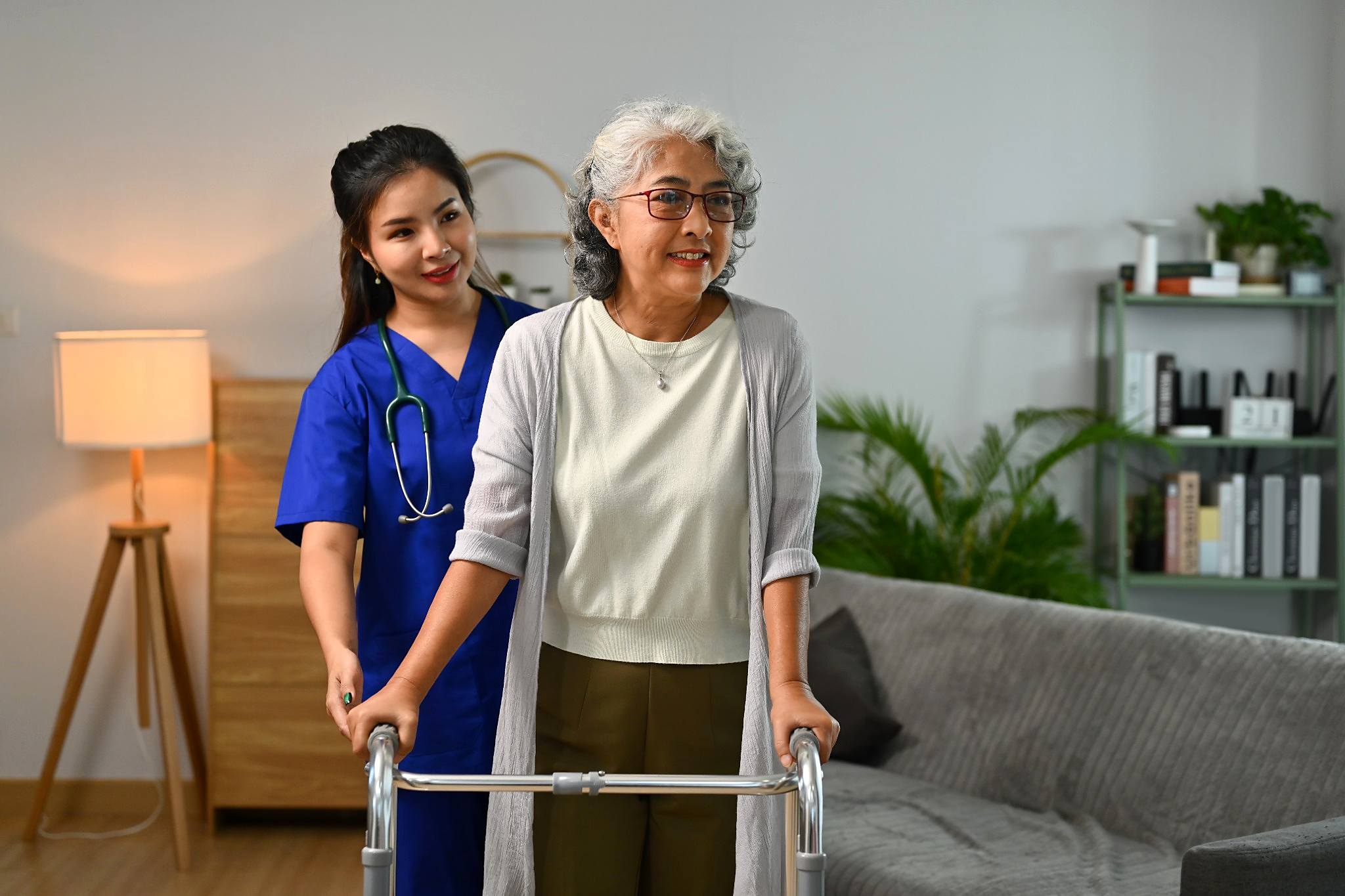
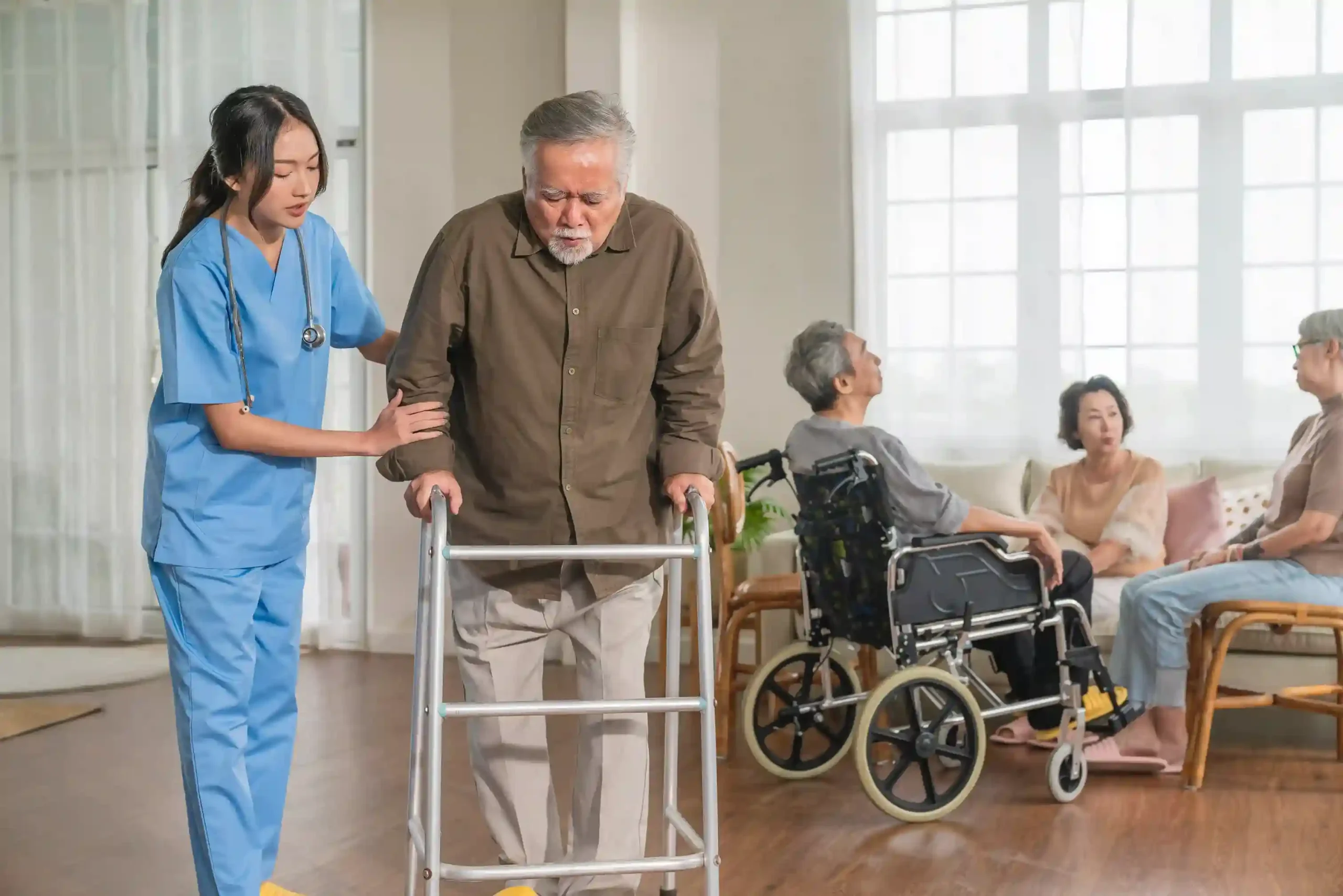
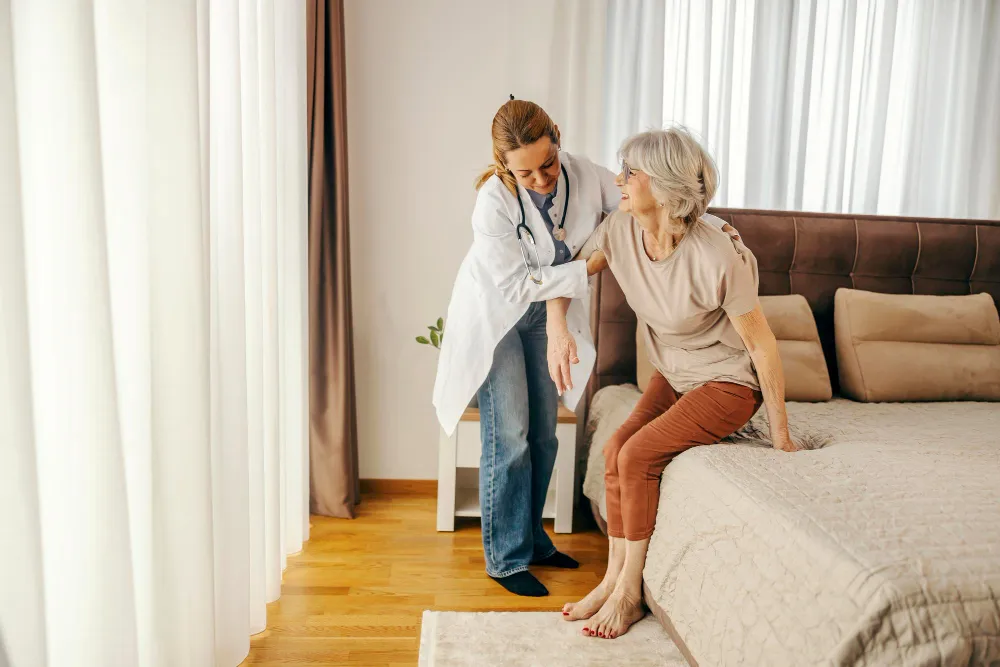
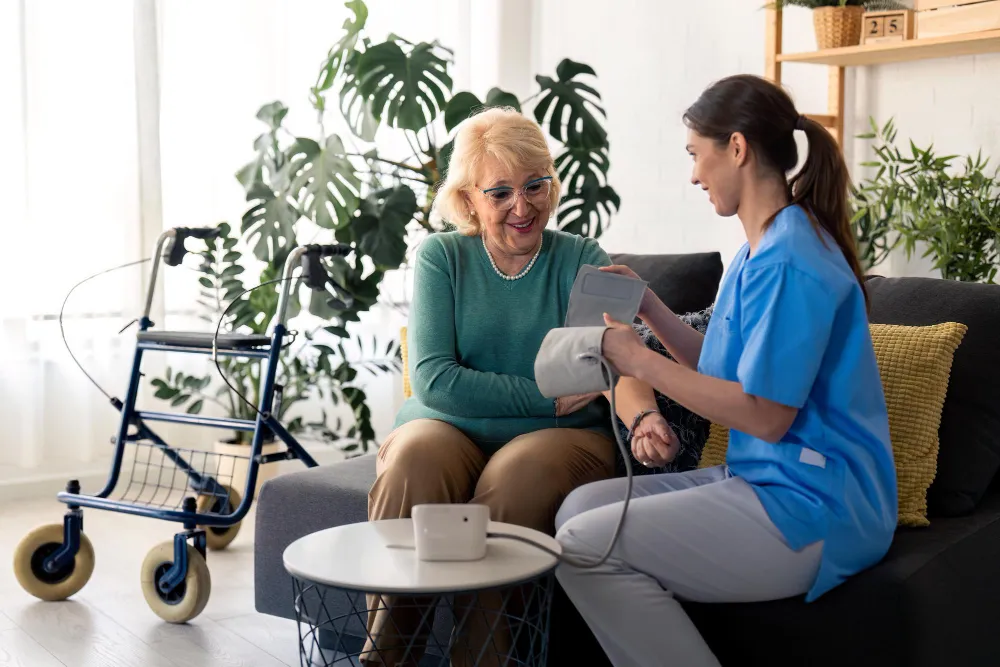
The first way home care Malaysia can support mobility is through appropriate assistance with everyday movements. Depending on the patient’s needs, this may include getting in and out of bed, moving between sitting and standing or walking within the home. Assistance should support safe movement without unnecessarily taking over activities the patient can manage.
Transfers include movements such as getting out of bed, standing from a chair or moving between different surfaces.
The level of assistance required varies between patients. Some may need verbal guidance or light support, while others may require specific equipment or assistance from appropriately trained professionals.
Families should avoid attempting transfer techniques they have not been shown how to perform, particularly when the patient has significant mobility limitations.
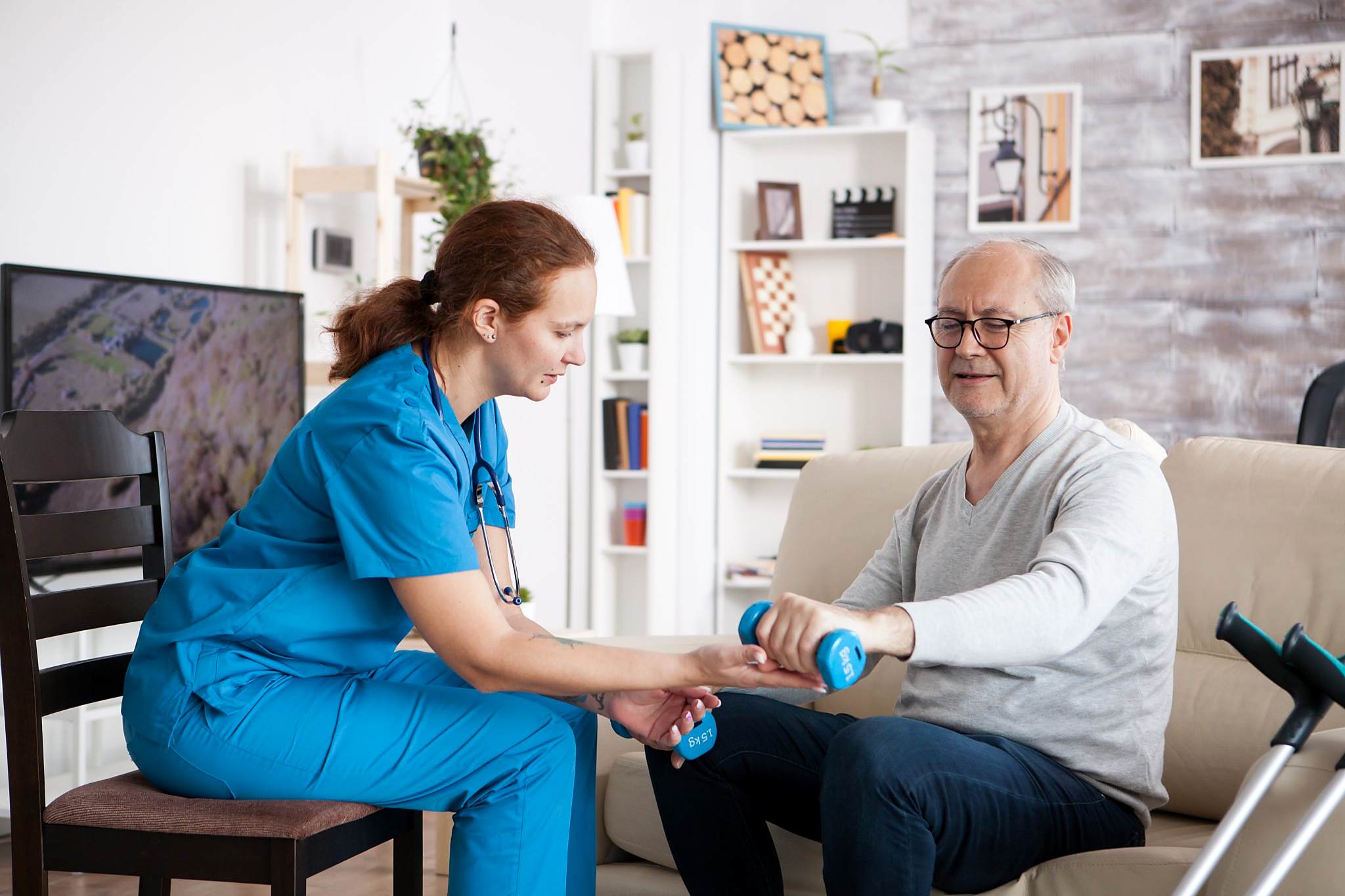
Where appropriate, patients may be encouraged to remain involved in everyday movement rather than having every activity completed for them.
The type and amount of activity should reflect the patient’s abilities and any instructions from their healthcare or rehabilitation team. Patients should not begin unfamiliar exercises solely because they appear suitable for someone with similar mobility difficulties.
The second way home care Malaysia can support mobility is by identifying practical difficulties within the patient’s everyday environment. Furniture, poor lighting, cluttered pathways and unsuitable bathroom arrangements can make movement more challenging. Reviewing these areas can help families decide whether simple changes or appropriate mobility equipment should be considered.
Look at the routes the patient uses most frequently, particularly between the bedroom, bathroom and living areas.
Potential issues may include:
Not every home requires extensive modifications. The aim is to identify obstacles that are relevant to the person’s actual mobility difficulties.
Some patients may benefit from mobility or safety equipment, depending on their needs.
This could include grab rails, appropriate walking aids or other equipment recommended following an assessment. Equipment should be suitable for the individual and used correctly.
Families can explore available healthcare equipment through TrueCare2U, but professional advice should be sought when you are unsure which option is appropriate.
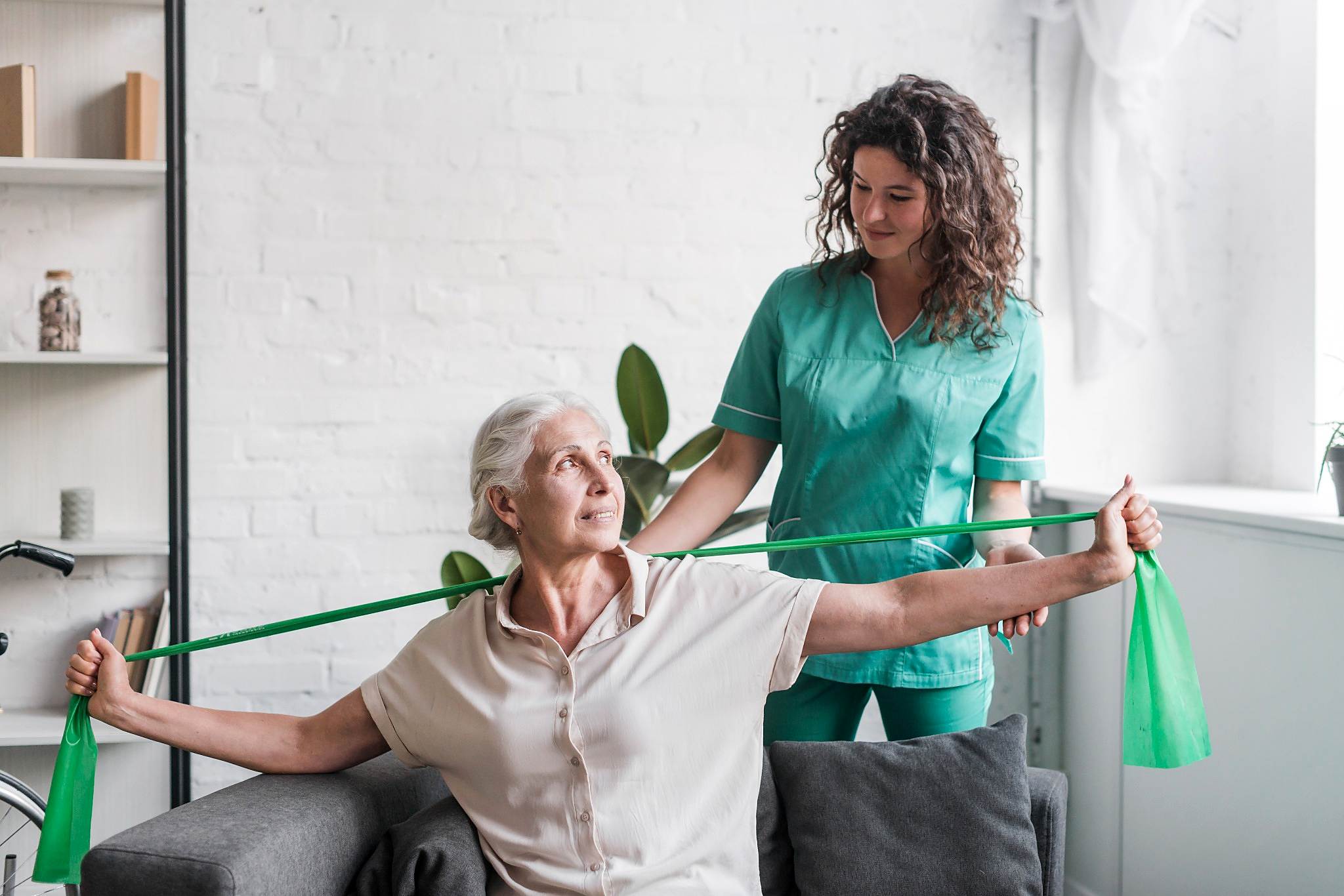
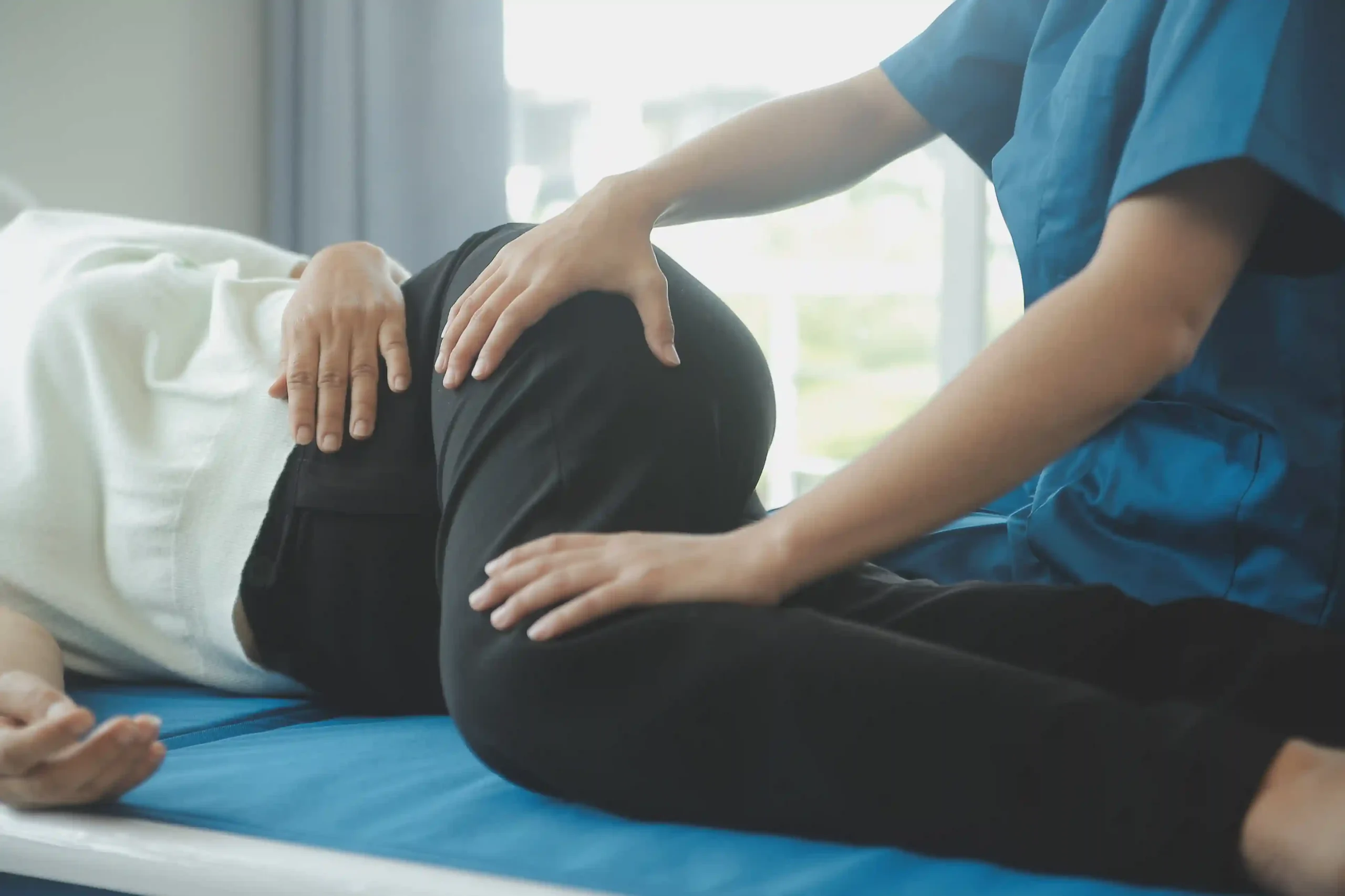
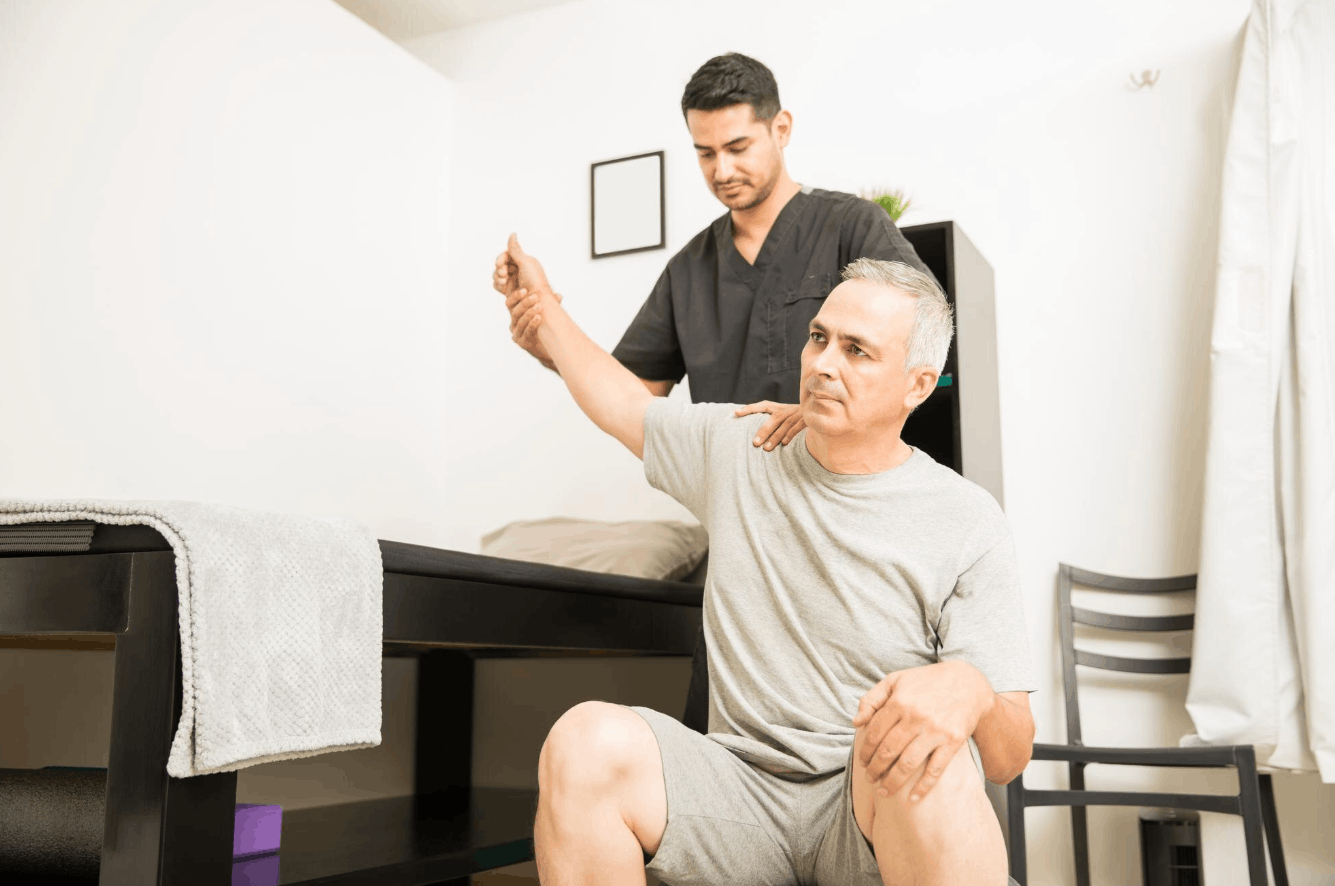
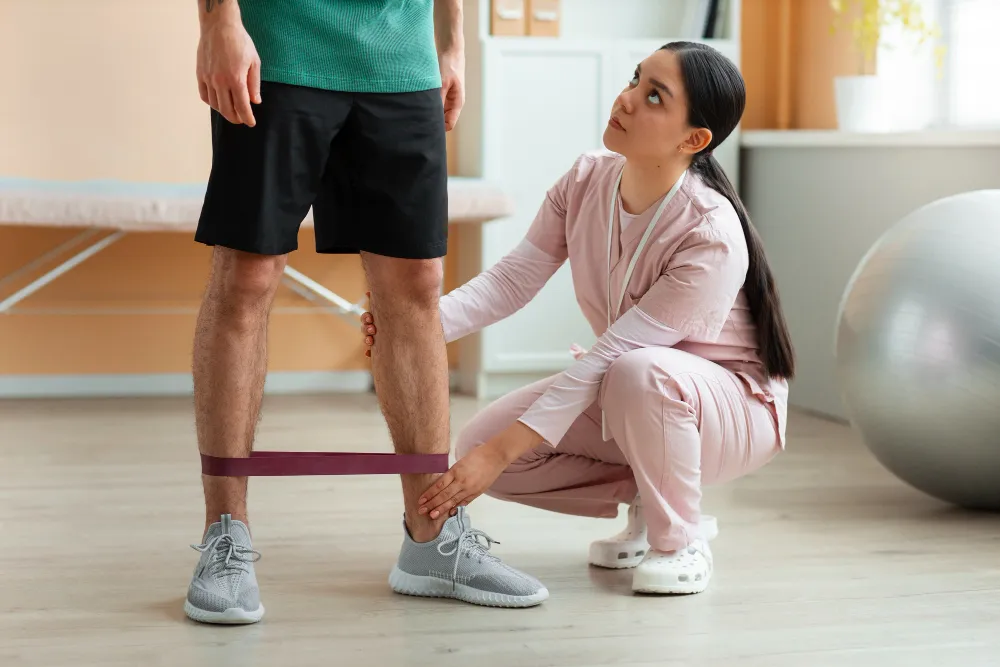
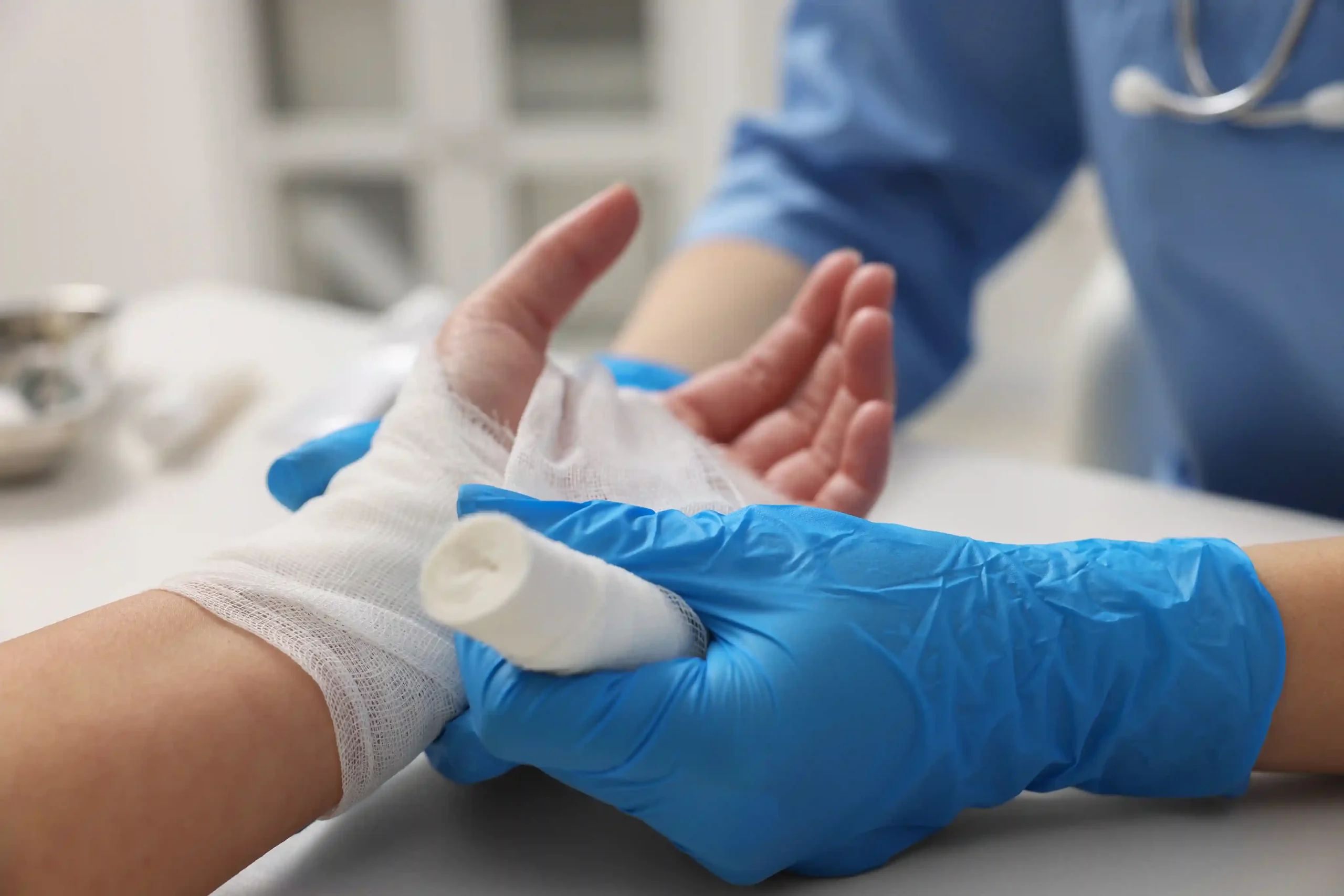
The third way home care Malaysia can support mobility is through physiotherapy when rehabilitation is appropriate. A physiotherapist can assess strength, balance, movement and functional difficulties before recommending a treatment programme. Home sessions also allow rehabilitation to incorporate relevant everyday movements within the patient’s own living environment.
A physiotherapist may assess how the patient performs movements that are relevant to their everyday routine.
Depending on the patient’s condition and goals, treatment may involve:
The treatment programme should be based on an individual assessment and reviewed according to progress.
Physiotherapists can review changes in areas such as movement, strength, balance and everyday function during follow-up sessions.
The programme may then be adjusted according to the patient’s response and rehabilitation goals. If the patient’s condition changes unexpectedly, the physiotherapist may recommend further assessment by another healthcare professional where appropriate.
TrueCare2U’s healthcare articles provide further information about physiotherapy and other forms of home-based care.
Mobility-focused home care Malaysia may be considered for older adults, people recovering from surgery or hospitalisation and patients living with conditions that affect movement. However, needing some mobility assistance does not automatically mean a person requires full-time home care. The appropriate level of support depends on their abilities, safety and healthcare needs.
Examples may include people who:
A professional assessment can help determine what type of support is appropriate.
Home care Malaysia refers to different forms of professional support provided within a patient’s residence. For mobility needs, this may include assistance with everyday movement, home-based rehabilitation or other appropriate support. The exact service depends on the provider and should be matched to the patient’s condition, abilities and care requirements.
Mobility support may be considered for older adults, people recovering from surgery or injury and patients living with conditions that affect movement. The level of assistance varies considerably. Some people need support with selected activities, while others may require rehabilitation or more regular professional care.
Yes. Home care takes place within the patient’s residence, while rehabilitation centres provide treatment within dedicated facilities. Home-based rehabilitation can incorporate the patient’s everyday environment, while centres may provide access to specialised facilities or equipment. The appropriate setting depends on the patient’s rehabilitation and healthcare requirements.
Home care cannot guarantee that falls will be prevented. However, appropriate mobility assistance, professional assessment and addressing relevant hazards within the home may form part of a wider approach to managing fall risk. Patients experiencing repeated falls or sudden changes in mobility should also receive appropriate medical assessment.
Start by identifying the activities the patient finds difficult and whether there have been recent changes in mobility. You can then discuss these needs with an appropriate healthcare or home care provider. The assessment can help determine whether the patient requires caregiving assistance, physiotherapy or another form of support.
Home care Malaysia can support mobility through everyday assistance, attention to the home environment and appropriate rehabilitation. The right approach depends on why the patient’s mobility has changed, what activities they find difficult and how much assistance they require.
Mobility needs can also change during recovery or as a person’s condition develops. Regularly reviewing the care arrangement can help ensure the level of support remains appropriate.
If your loved one is experiencing mobility difficulties, contact TrueCare2U to explore available home care Malaysia services and discuss suitable next steps.












































































































 Call Us
Spread the love, follow us on our social media channels