

Follow us:



Is Home Physiotherapy as Effective as Clinic Sessions?
When considering physiotherapy, one common question is whether treatment at home can provide the same level of rehabilitation as attending a clinic. For patients searching for home physiotherapy near me, the answer depends on their condition, treatment goals, mobility and whether specialised equipment is required.
TrueCare2U helps Malaysian patients and families connect with healthcare professionals who provide home-based services. Understanding the differences between home and clinic physiotherapy can help you discuss the most suitable setting with your physiotherapist.
Home and clinic physiotherapy can both support rehabilitation, but neither setting is automatically better for every patient. Home sessions can reduce travel and allow therapists to assess everyday movement within the patient’s environment. Clinics may provide easier access to specialised equipment. The appropriate option depends on individual rehabilitation needs.
Effective physiotherapy depends on several factors beyond whether treatment takes place at home or in a clinic. An appropriate assessment, individual treatment plan, relevant professional experience and patient participation all influence rehabilitation. The setting should support these needs rather than being considered the main measure of treatment quality.
A physiotherapist first needs to understand the patient’s condition, physical abilities, symptoms and rehabilitation goals. Treatment can then be planned according to those findings.
Depending on the patient’s needs, a programme may include:
The exact approach varies between patients and should be reviewed as rehabilitation progresses.
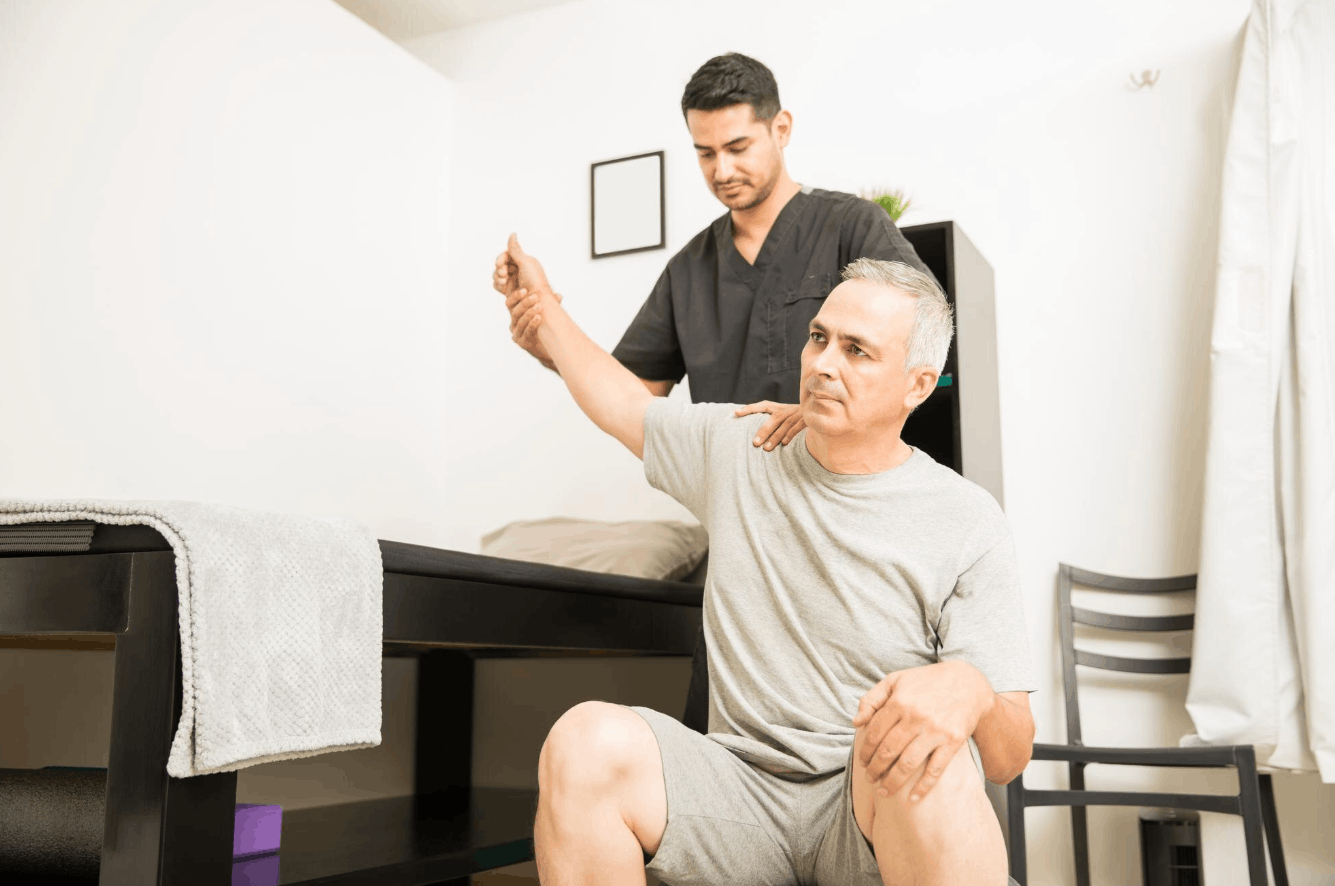
A home visit allows the physiotherapist to observe how the patient performs everyday movements within their actual surroundings.
For example, the therapist may assess how a patient gets out of bed, rises from a particular chair, uses stairs or moves through frequently used areas. Rehabilitation activities can then incorporate relevant tasks where appropriate.
Home physiotherapy may be particularly practical for patients who have difficulty travelling or whose rehabilitation involves everyday activities within their home. Older adults, patients recovering after surgery and people undergoing neurological rehabilitation may benefit from this approach. However, suitability should still be determined through an individual assessment rather than the patient’s diagnosis alone.
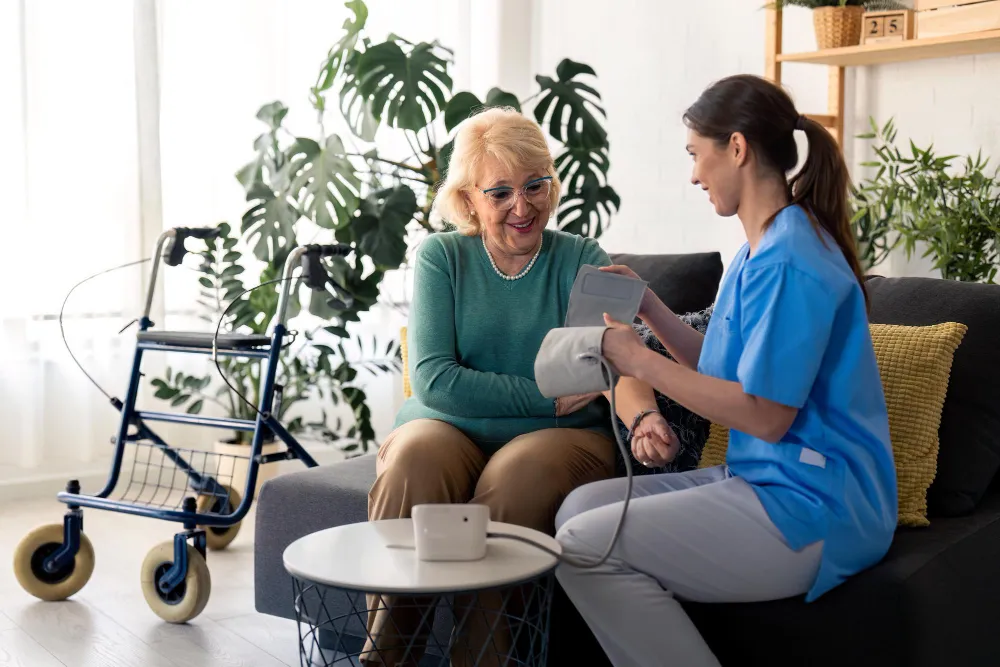
For older adults experiencing balance or mobility difficulties, assessing movement at home can provide useful information about everyday challenges.
A physiotherapist can assess strength, balance and walking ability while also observing how the patient moves through areas they use regularly. Appropriate exercises and movement strategies can then be discussed.
Stroke and other neurological conditions can affect strength, balance, coordination and functional movement.
Home sessions allow relevant everyday activities to be incorporated into rehabilitation where appropriate. This may include practising transfers, walking between rooms or navigating specific areas of the patient’s home according to their abilities and treatment goals.
Some patients find travelling difficult during the early stages of recovery after surgery. Where home physiotherapy is considered appropriate by the patient’s healthcare team, it can allow rehabilitation to continue without repeated journeys to a clinic.
Post-surgical rehabilitation should follow the patient’s medical instructions and consider any movement restrictions, precautions or recovery milestones.
Clinic-based physiotherapy may be more appropriate when treatment requires equipment, facilities or multidisciplinary support that cannot easily be provided at home. Some patients may also prefer the structured environment of a clinic. The physiotherapist can recommend whether clinic treatment, home sessions or a combination of both better matches the rehabilitation plan.
Physiotherapy clinics may have equipment that is difficult or impractical to transport to a patient’s home.
If a patient’s treatment plan requires particular equipment or facilities, clinic attendance may be recommended for those parts of rehabilitation. Other exercises or activities may still be suitable for home practice.
Some patients require input from several healthcare professionals during rehabilitation. Depending on the condition and services available, receiving care within a clinic or hospital can sometimes make multidisciplinary coordination easier.
Home-based care may still form part of the wider plan when appropriate. The patient’s healthcare team can determine how different services should work together.
The main differences between home and clinic physiotherapy involve location, travel, environment and access to equipment. Home treatment allows rehabilitation to take place within the patient’s living environment, while clinics may provide more specialised facilities. Treatment decisions should be based on clinical and practical needs rather than convenience alone.
Here is a quick comparison between home and clinic physiotherapy:
| Factor | Home Physiotherapy | Clinic Sessions |
| Location | Patient’s home | Physiotherapy clinic |
| Travel | Therapist travels | Patient travels |
| Environment | Everyday surroundings | Clinical setting |
| Equipment | Portable equipment | Clinic equipment |
| Suitable for | Travel difficulties | Equipment-based needs |
Getting more from home physiotherapy involves preparing an appropriate space, following the treatment plan and communicating clearly with your physiotherapist. Patients should also keep relevant medical information available and report difficulties with prescribed activities. This allows the programme to be reviewed according to progress rather than continuing exercises that are unsuitable.
Clear enough space for the therapist to assess movement and perform any appropriate exercises. Remove unnecessary obstacles and ensure there is adequate lighting.
Have mobility aids or other equipment that you regularly use nearby. Relevant medical documents, medication information and post-surgical instructions should also be available where applicable.
Your physiotherapist may recommend exercises or activities to complete between supervised appointments. Follow the prescribed technique, frequency and intensity rather than changing the programme independently.
If an exercise causes unexpected symptoms, becomes too difficult or is unclear, tell your physiotherapist. They can reassess the activity and make adjustments where appropriate.
Make a note of significant changes in symptoms, movement or activities that become easier or more difficult between sessions.
This information can help your physiotherapist understand how you are responding to the programme. TrueCare2U’s healthcare articles provide additional information for patients and families managing healthcare at home.
Effectiveness depends on the patient’s condition, rehabilitation goals, treatment plan and participation rather than location alone. Home physiotherapy may be suitable when treatment can be delivered safely without specialised clinic equipment. A physiotherapist can assess whether home, clinic or combined sessions are appropriate for your individual rehabilitation needs.
Home physiotherapy may be considered for patients undergoing post-surgical, neurological, mobility or musculoskeletal rehabilitation, among other needs. Suitability depends on the individual rather than diagnosis alone. Patients with complex medical requirements or treatment requiring specialised facilities may need clinic or hospital-based care for some parts of rehabilitation.
Check the physiotherapist’s recognised qualifications, professional credentials and relevant experience before arranging treatment. Ask whether they have experience with your particular rehabilitation needs and whether they regularly provide home-based sessions. You should also confirm their coverage area, appointment availability and how progress will be reviewed.
Wear comfortable clothing that allows you to move and gives the physiotherapist appropriate access to the area being assessed where necessary. Keep relevant medical documents and mobility aids available. Your physiotherapist may provide more specific preparation instructions depending on your condition and the type of assessment planned.
Session duration varies according to the provider, whether it is an initial assessment or follow-up, and the patient’s treatment requirements. Instead of assuming every appointment lasts a fixed amount of time, ask the provider about the expected duration when booking and whether the initial assessment requires additional time.
Home physiotherapy can provide a practical alternative to clinic-based treatment for patients whose rehabilitation needs can be appropriately managed at home. Its main advantages include reducing travel and allowing therapists to observe how patients perform everyday movements within their normal surroundings.
Clinic-based treatment remains useful when specialised facilities, equipment or other healthcare services are required. For some patients, the most appropriate approach may involve a combination of both settings.
If you are searching for home physiotherapy near me, get started with TrueCare2U to explore available home-based physiotherapy options and discuss the next steps.


































































































































 Call Us
Spread the love, follow us on our social media channels