

Follow us:



Top 5 Home Nursing Care Tips for Patient Comfort
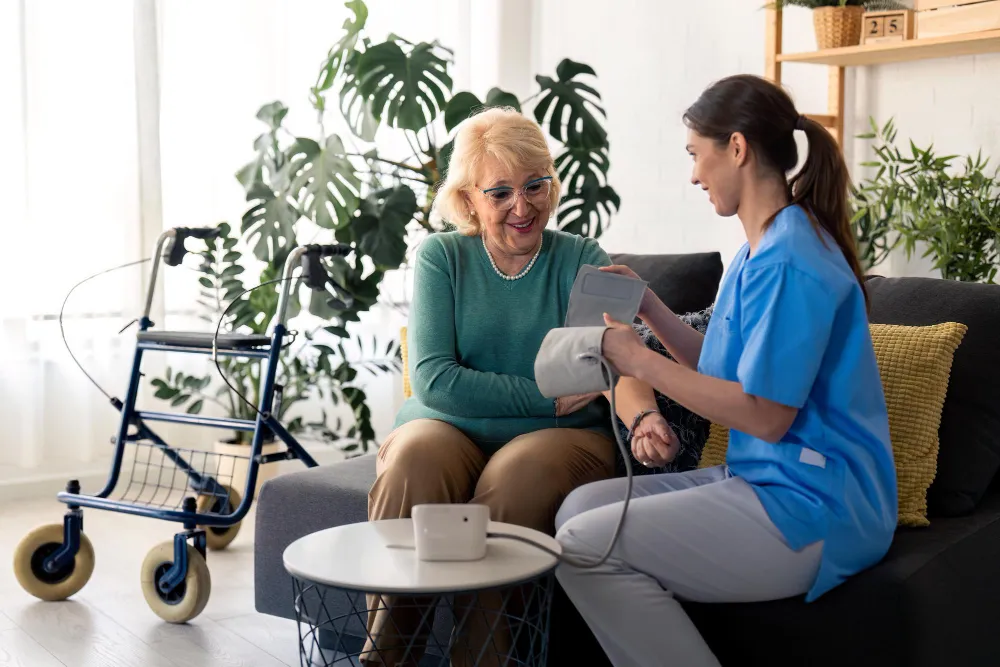
Receiving nursing care at home can feel very different from staying in a hospital or healthcare facility. Familiar surroundings and the presence of family may make the experience more comfortable, but creating a suitable care environment still requires planning, communication and attention to the patient’s individual needs.
Professional home nursing care can provide clinical support while allowing patients to remain in their own homes. TrueCare2U helps Malaysian families connect with healthcare professionals who provide home-based services according to individual care requirements.
Patient comfort during home nursing care involves more than physical comfort alone. A safe environment, predictable routine, respectful personal care, emotional support and clear communication can all contribute to a better care experience. The patient’s individual preferences and clinical needs should guide how these practices are incorporated into their daily routine.
Comfort is an important part of home nursing care because patients may spend significant amounts of time receiving assistance within their everyday living environment. Physical discomfort, disrupted routines or poor communication can make care more difficult. Considering the patient’s preferences alongside their clinical needs can help create a more supportive experience at home.
Comfort can include several areas, such as:
The appropriate approach will depend on the patient’s condition, mobility, preferences and care plan.
A suitable home environment can make everyday care more manageable for both the patient and caregiver. Consider how the patient moves between frequently used areas, whether pathways are clear and whether important items are accessible. Any changes to the home should reflect the patient’s mobility and individual safety needs.
Look around areas the patient uses regularly and identify potential obstacles. Loose rugs, trailing cables, cluttered pathways or unsuitable furniture placement may make movement more difficult, particularly for patients with mobility or balance problems.
Keep pathways between the bedroom, bathroom and common areas clear. If the patient uses a walking aid or wheelchair, make sure there is enough space for it to be used safely.
Frequently used items such as water, glasses, tissues or a call device should be kept within comfortable reach where appropriate.
Lighting is another consideration, particularly when the patient moves around at night. The bed and surrounding furniture should also be positioned according to the patient’s mobility and care requirements.
A predictable routine can help patients understand what to expect throughout the day. Meals, medication, personal care, rest and other activities can be organised around clinical requirements and the patient’s usual preferences where possible. However, routines should remain flexible enough to accommodate changes in health, appointments and individual needs.
Where clinical requirements allow, consider the patient’s existing habits when planning everyday care.
Someone who prefers waking early, for example, may be more comfortable completing certain activities in the morning. Another patient may feel more energetic later in the day. Discuss these preferences with the nursing team when developing the routine.
Rest is an important part of daily care. Try to maintain a comfortable sleeping environment by reducing unnecessary noise and light during rest periods.
If pain, medication or another health issue is repeatedly disrupting sleep, discuss the problem with the appropriate healthcare professional rather than changing medication schedules independently.
TrueCare2U’s Help Centre provides further information for families using its home healthcare services.
Personal care activities such as bathing, dressing and toileting require particular attention to privacy and dignity. Explain what will happen before beginning, involve the patient in decisions wherever possible and provide appropriate privacy. These practices can help patients retain a sense of control while receiving the assistance they need.
Before assisting with personal care, explain what you are going to do and ask the patient about their preferences where appropriate.
Simple choices can help the patient remain involved. This might include choosing clothing, adjusting water temperature or deciding when they would prefer to complete a particular activity, provided it does not interfere with their clinical needs.
Close doors or curtains when providing intimate personal care and use appropriate coverings where needed.
Only people who need to assist with the task should normally be present. The patient’s privacy should continue to be respected regardless of how long family members or caregivers have been providing care.
Emotional wellbeing can influence how patients experience long-term or intensive care at home. Changes in independence, mobility or everyday routines can be difficult to adjust to. Caregivers can help by listening to concerns, maintaining appropriate social interaction and involving patients in everyday decisions wherever their condition allows.
Pay attention to meaningful changes in the patient’s mood or behaviour. These may include becoming unusually withdrawn, losing interest in normal activities or appearing persistently distressed.
Avoid making assumptions about the cause. If emotional or behavioural changes are persistent or concerning, discuss them with an appropriate healthcare professional.
Home-based care should not automatically mean isolation. Where the patient’s condition allows, maintain appropriate contact with family and friends through visits, phone calls or video calls.
Include the patient in household conversations and activities when they want to participate. TrueCare2U’s articles also provide information for patients and families managing healthcare at home.
Clear communication helps patients, families and healthcare professionals understand what is happening between visits. Keeping relevant information organised can make it easier to discuss symptoms, medication schedules and changes in the patient’s condition. Families should also know who to contact when they notice something that requires professional attention.
A simple notebook or shared document can help organise relevant care information. Depending on the patient’s care plan, this might include:
Follow the healthcare team’s instructions about what information needs to be monitored rather than recording unnecessary details.
If you notice a significant change in the patient’s condition, communicate it clearly to the appropriate healthcare professional.
Families should understand who to contact between scheduled visits and what circumstances require more urgent medical attention. Do not wait for the next routine visit if the patient’s condition appears to require immediate assessment.
Each aspect of home nursing care contributes differently to the patient’s overall experience. Families do not need to make major changes all at once. Focusing on the patient’s immediate environment, daily routine, dignity, emotional needs and communication can provide a practical starting point for reviewing comfort at home.
Here is a quick summary of the five home nursing care tips:
| Area | What to Focus On | Simple Action |
| Environment | Safety and access | Clear pathways |
| Routine | Predictability | Plan daily activities |
| Personal care | Dignity | Maintain privacy |
| Wellbeing | Emotional support | Stay connected |
| Communication | Care coordination | Keep a care log |
Home nursing care involves nursing services provided to a patient within their home. Depending on the patient’s needs and care plan, this may include clinical monitoring, wound care, medication-related support or other appropriate nursing procedures. It differs from general caregiving, which may focus primarily on personal assistance and everyday activities.
Start by asking the patient what makes them comfortable and considering their individual care needs. Practical measures can include keeping their environment accessible, maintaining privacy, establishing a suitable daily routine and ensuring they can communicate concerns. Comfort arrangements should also be adjusted as the patient’s condition or preferences change.
Ask the patient about the specific aspects of care that are making them uncomfortable. Where appropriate, discuss those concerns with the nursing provider and determine whether reasonable adjustments can be made. If concerns relate to safety, inappropriate treatment or clinical care, they should be raised promptly through the provider’s appropriate escalation process.
Changes in the patient’s health, mobility or clinical needs may indicate that their existing care arrangement should be reviewed. Families should not determine increased nursing requirements based on a single sign alone. Discuss relevant changes with the nursing team or treating healthcare professional so the patient’s needs can be reassessed appropriately.
Home nursing may form part of a patient’s post-discharge care depending on their condition and healthcare needs. Where possible, discuss home care requirements with the hospital team before discharge. Families can then contact an appropriate provider to check availability and determine whether the required nursing services can be arranged.
Patient comfort is an important part of home nursing care and involves physical, emotional and practical considerations. A safe environment, appropriate routine, respectful personal care and good communication can help make everyday care more manageable for both patients and their families.
The patient’s preferences should be considered alongside their clinical needs, and care arrangements should be reviewed when those needs change.
If your family is considering professional nursing support at home, get started with TrueCare2U to explore available home nursing care services.



































































































































 Call Us
Spread the love, follow us on our social media channels