

Follow us:



How Home Care Services Support Safe Post-Hospital Recovery
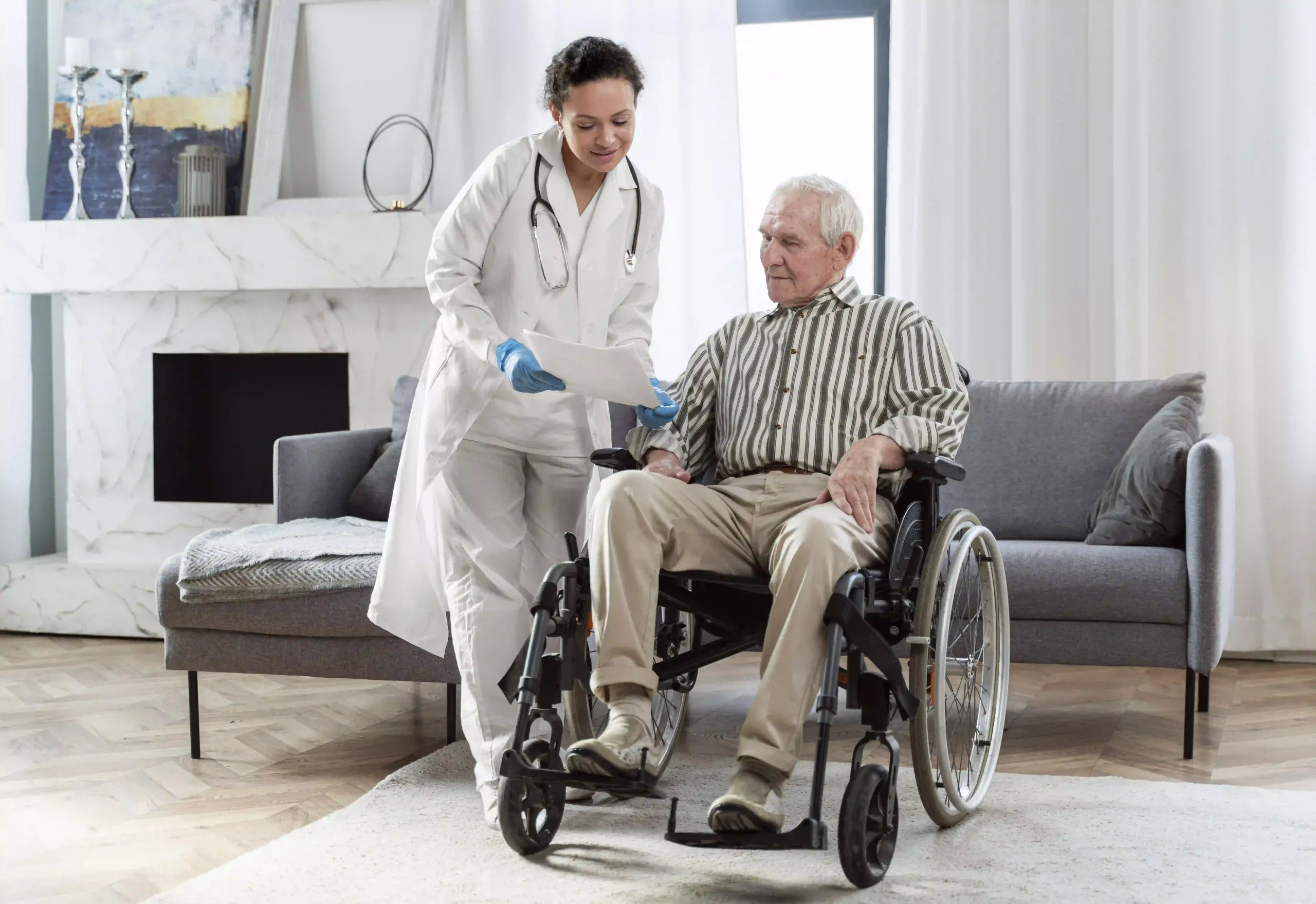
Leaving hospital after a serious procedure or illness is an important milestone, but recovery often continues long after discharge. At home, patients no longer have the constant monitoring and support available on a hospital ward, leaving families responsible for managing the next stage of recovery.
Professional home care services can help bridge this transition by providing appropriate support in a familiar environment. TrueCare2U connects Malaysian families with healthcare professionals who can support patients at home according to their individual care and recovery needs.
Home care services can support patients after hospital discharge through nursing care, rehabilitation and assistance with everyday activities. The appropriate level of care depends on the patient’s condition, mobility and discharge plan. Arranging support before leaving hospital can also help families prepare for the practical demands of recovery at home.
Hospital discharge means a patient is considered ready to continue recovery outside the hospital, but it does not necessarily mean recovery is complete. Patients may still require wound care, medication management, rehabilitation or help with daily activities. Families also need to understand what support is required and which changes should be reported to healthcare professionals.
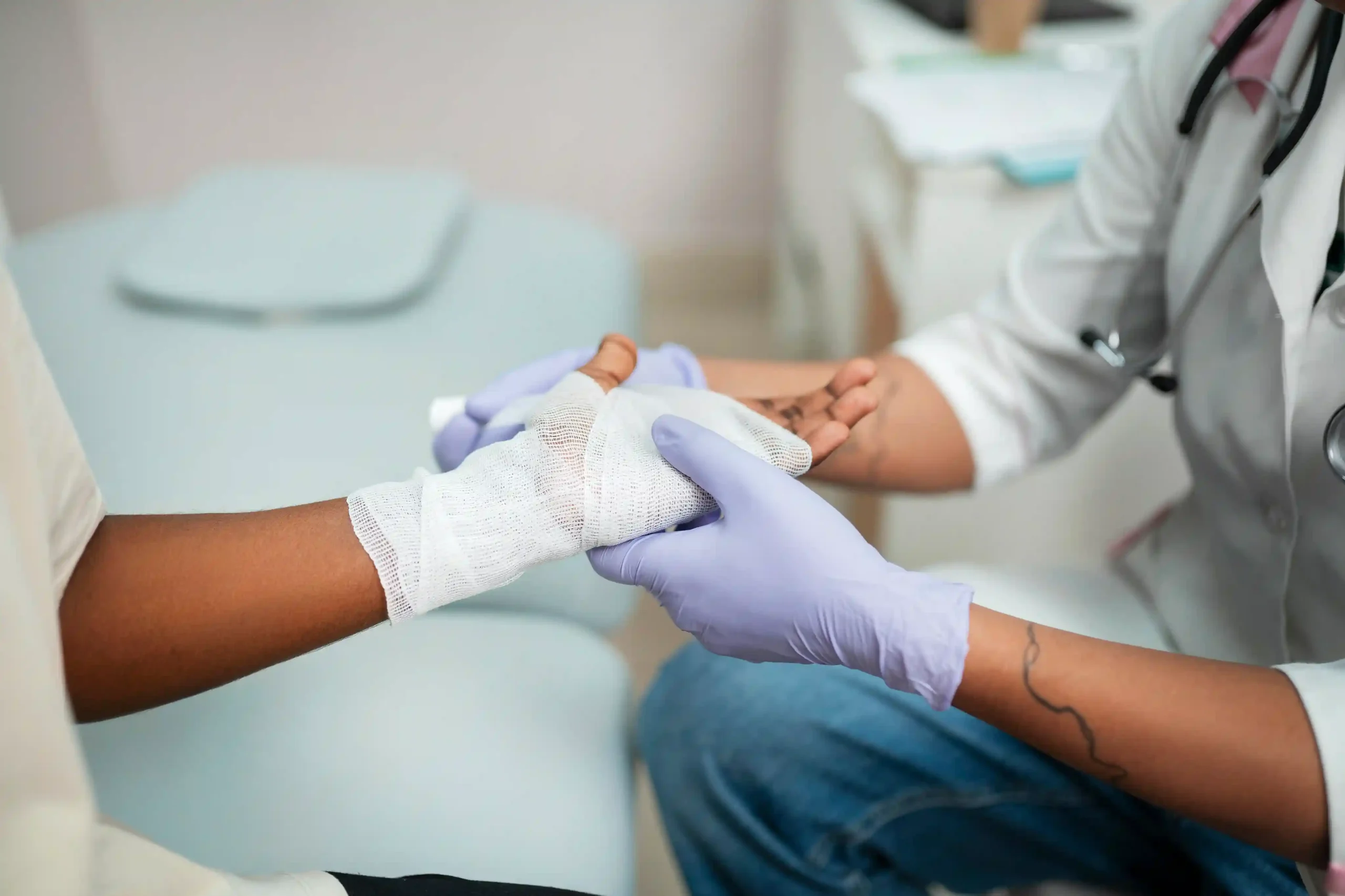
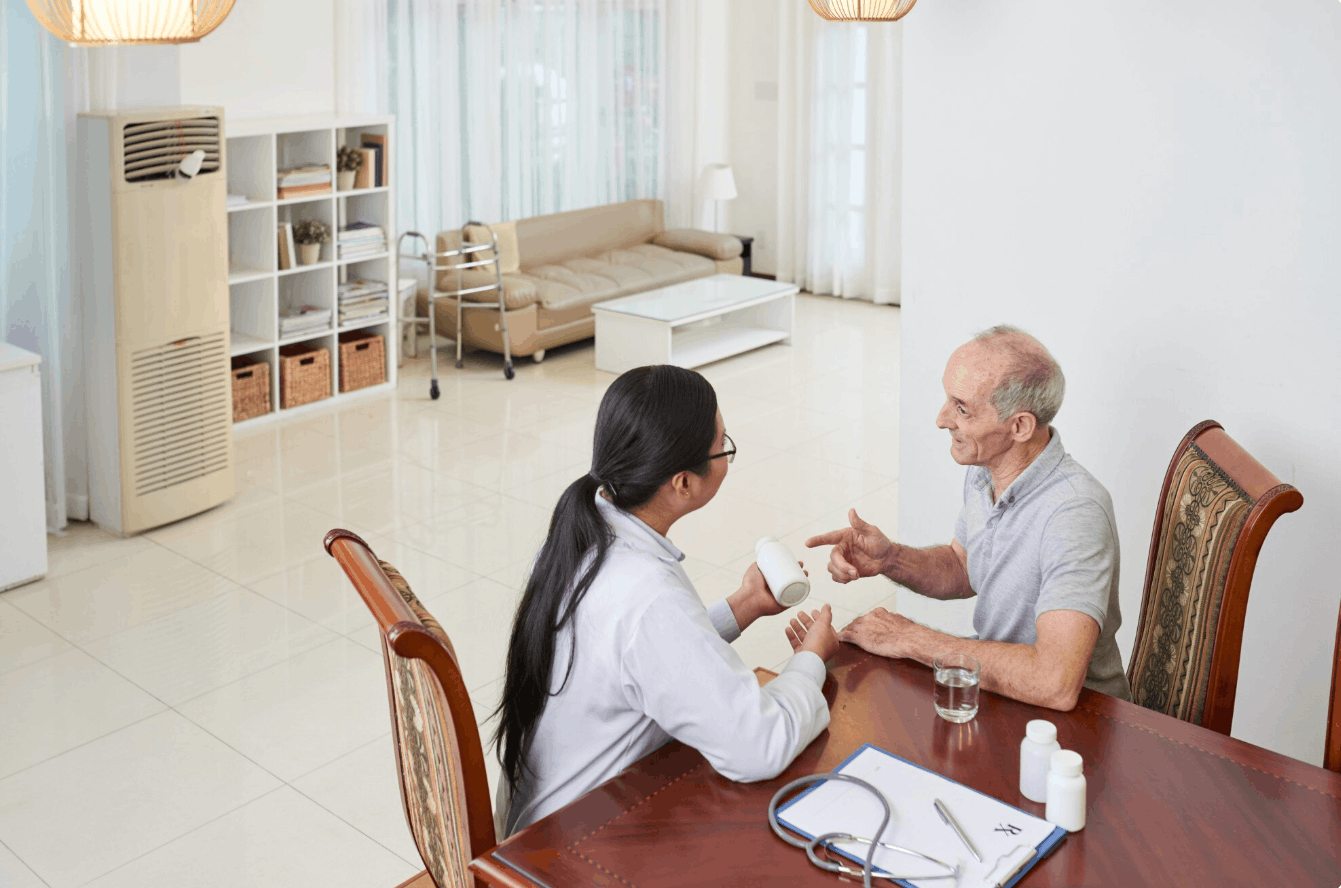
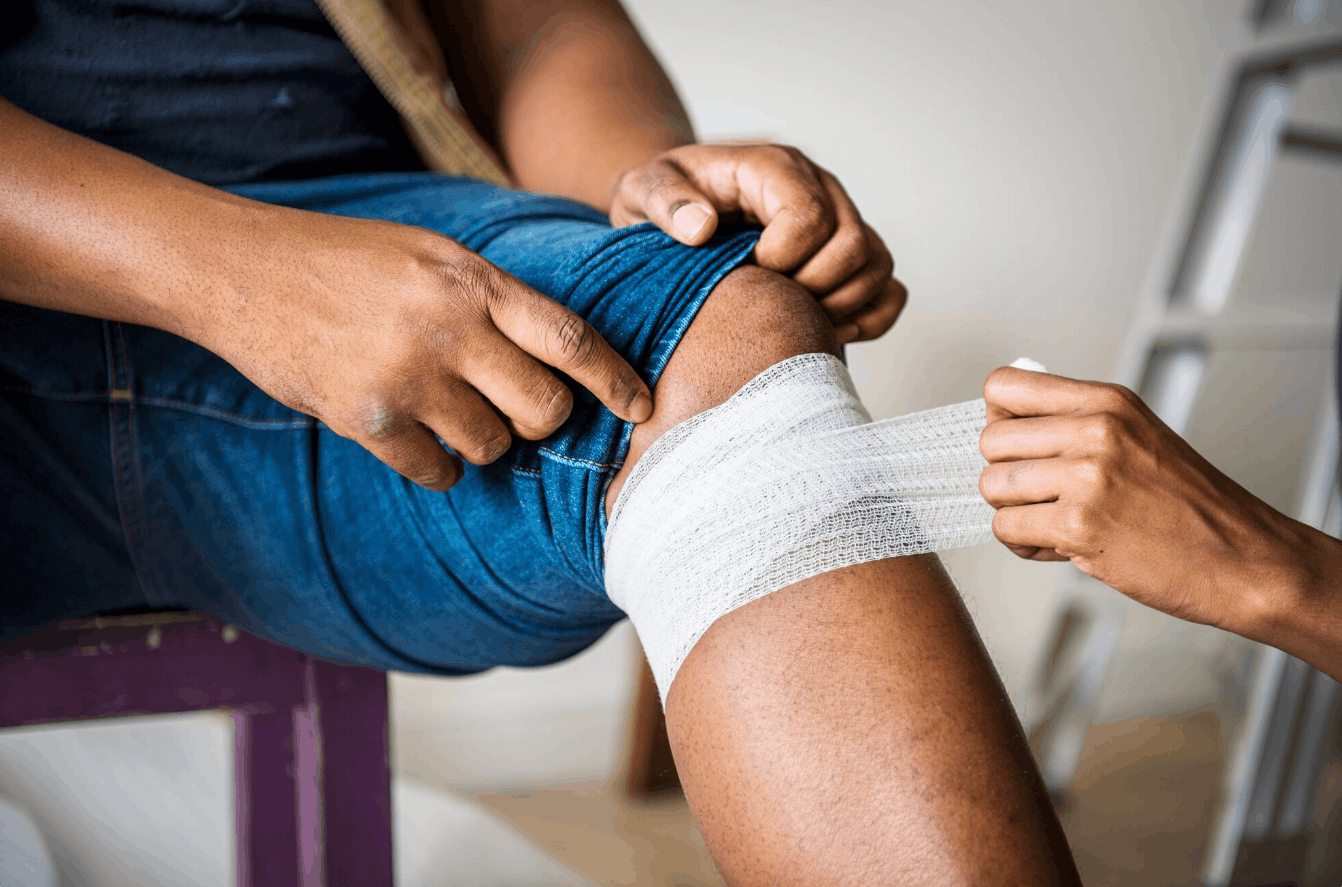
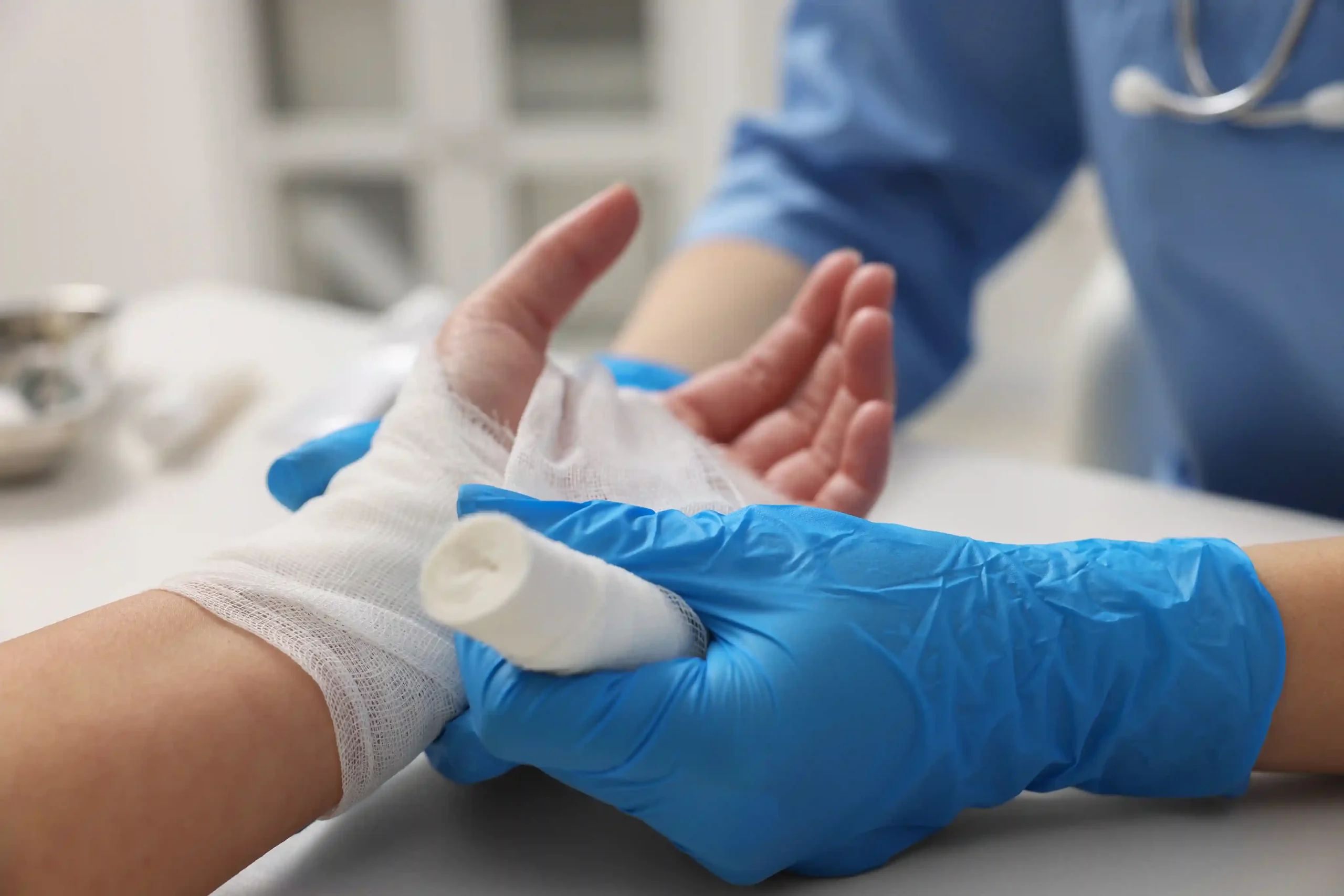
Different patients face different challenges after discharge. Surgical wounds may require dressing changes and monitoring according to the instructions provided by the treating healthcare team. Medication schedules can also become difficult to manage when several medicines are prescribed.
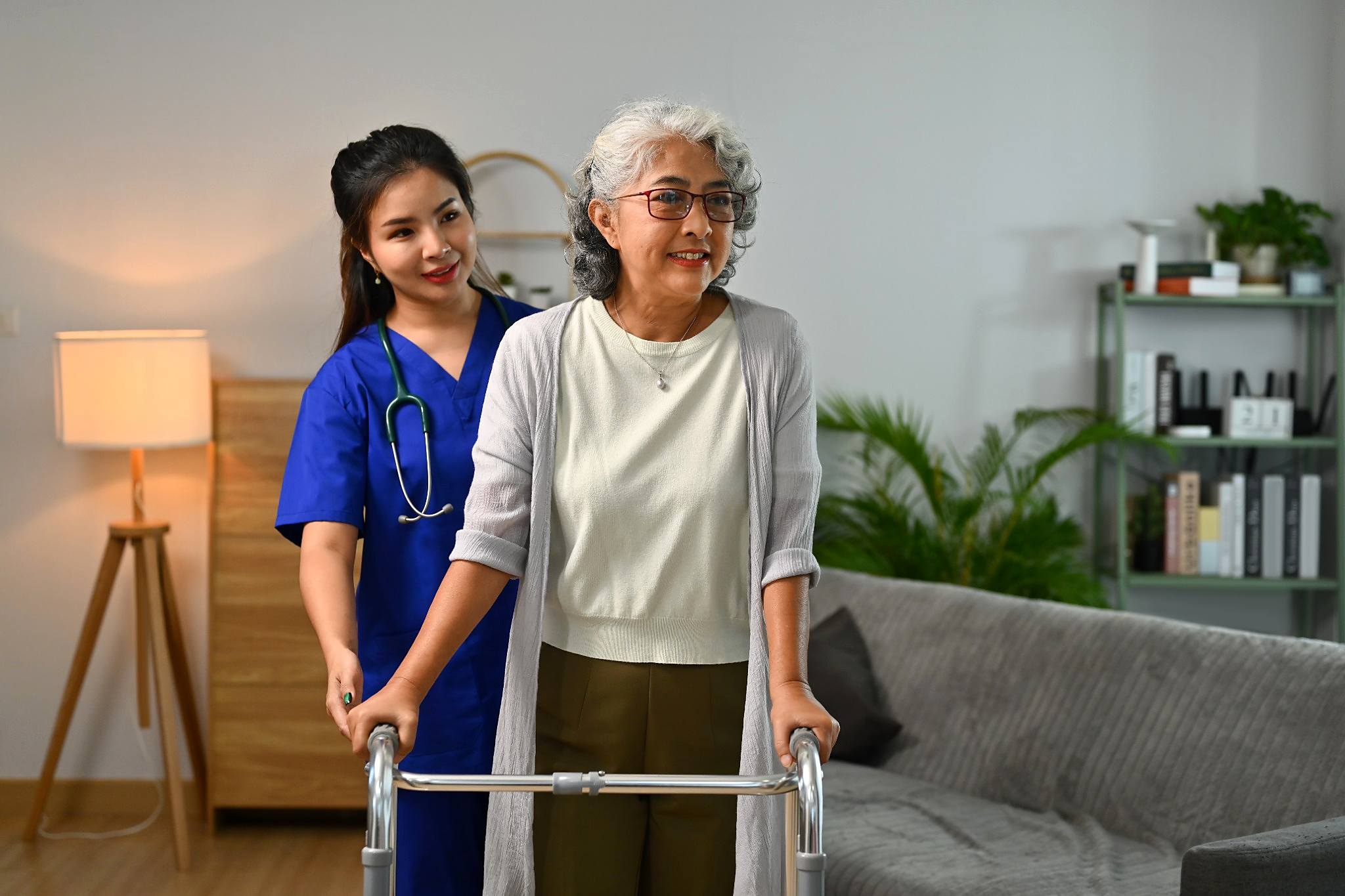
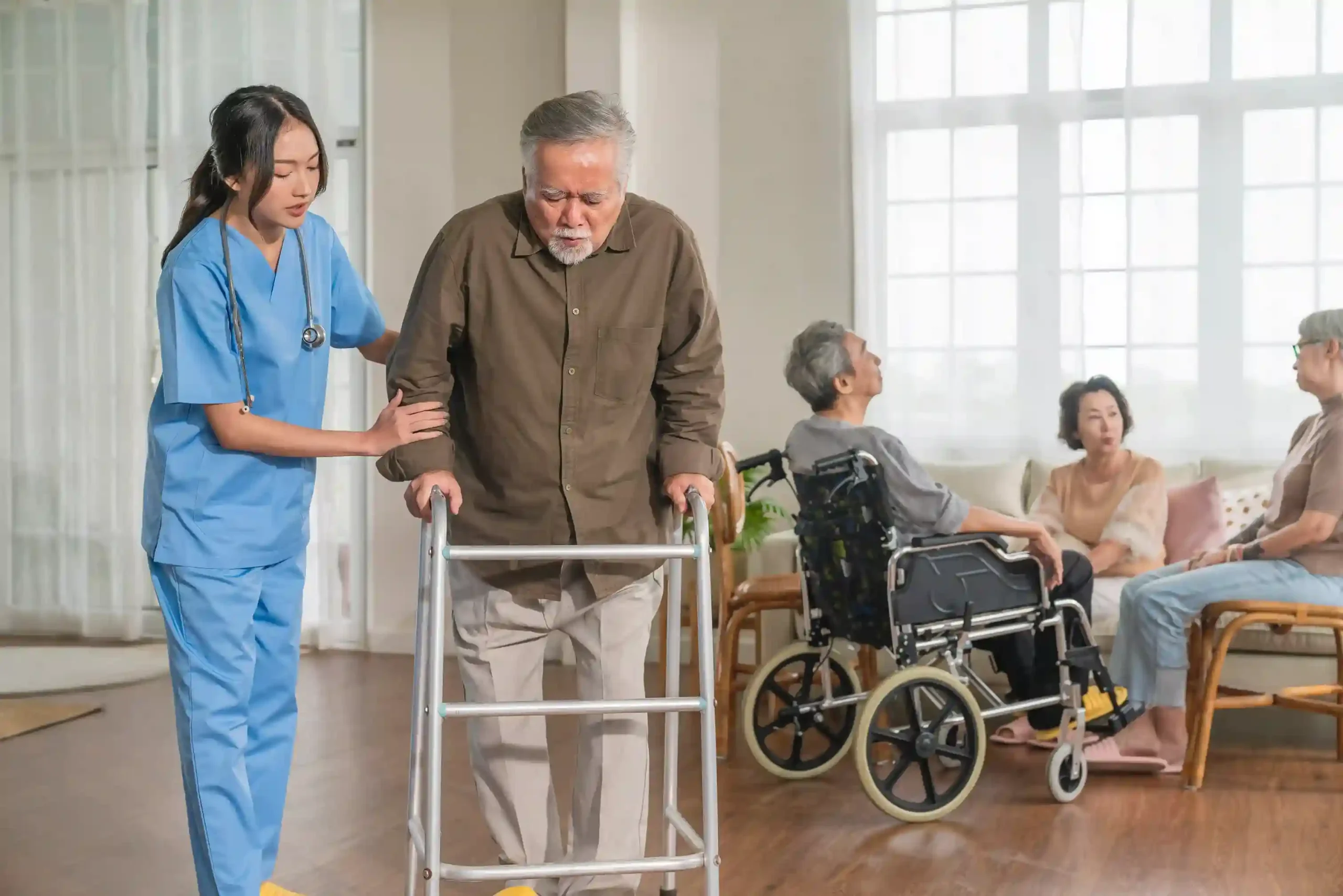
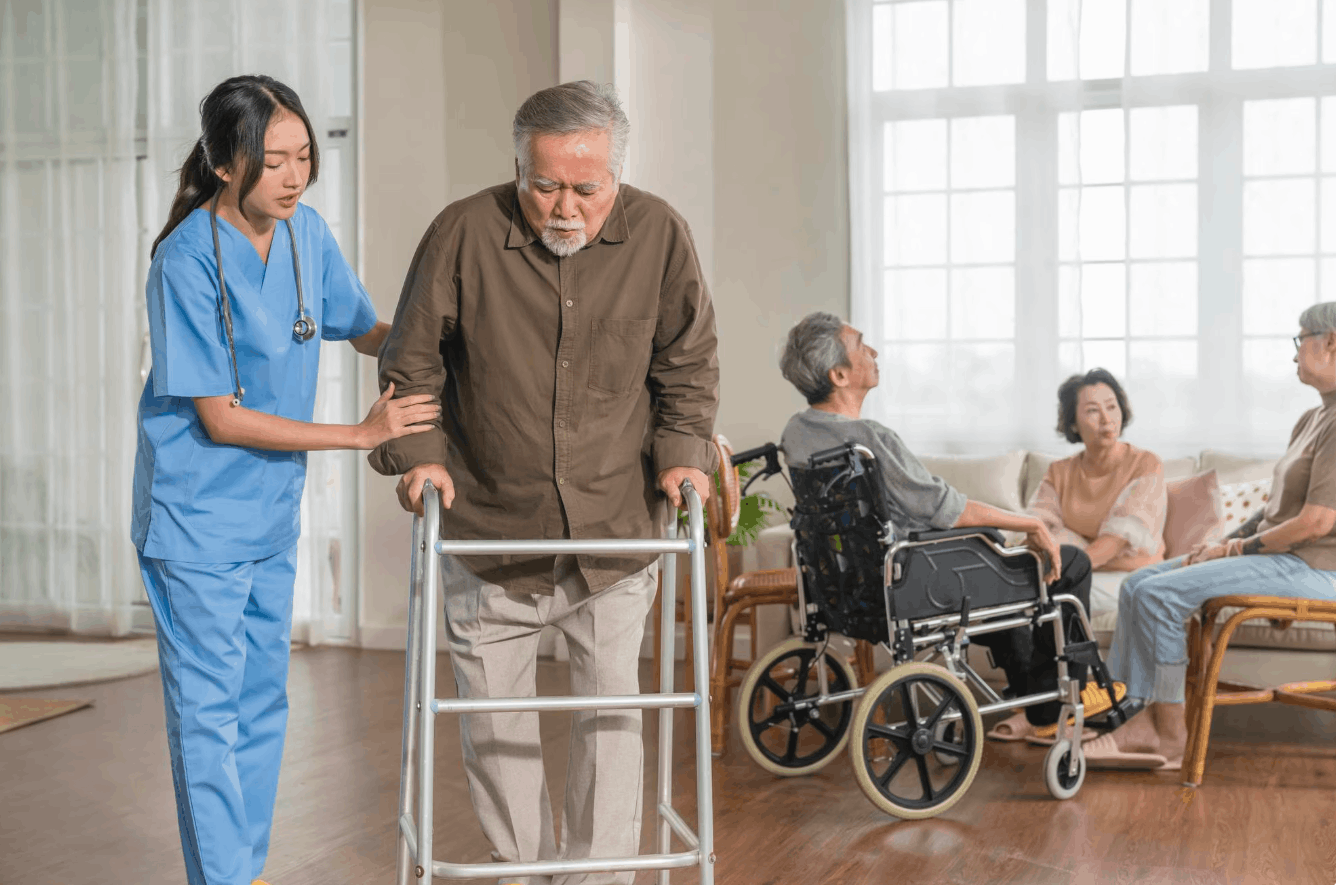
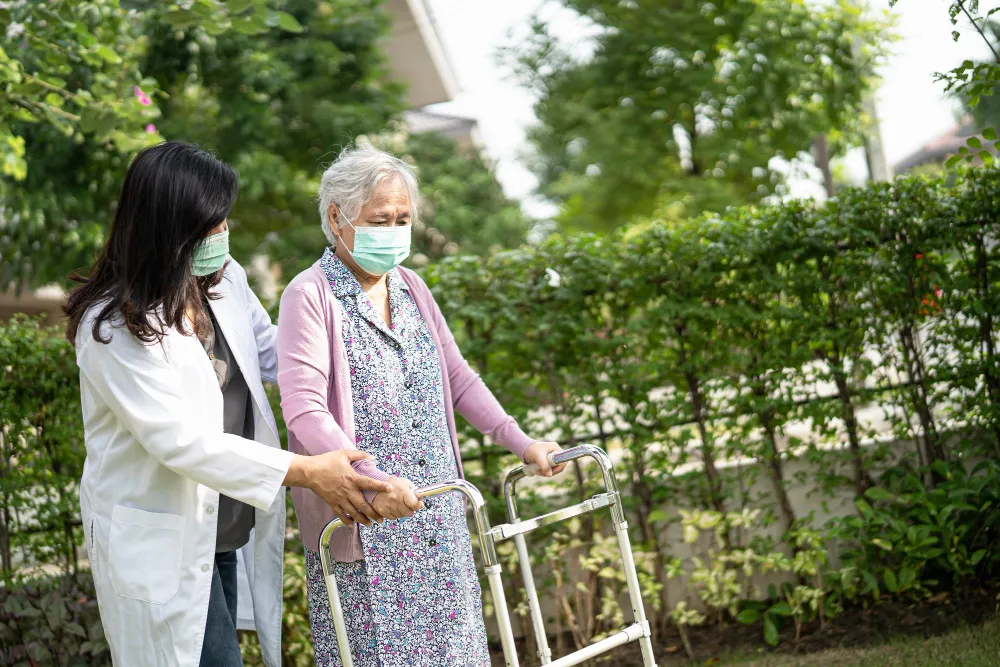
Mobility may be another concern. Bathrooms, stairs, uneven surfaces and other areas around the home can become difficult to manage when a patient’s strength, coordination or balance has been affected.
Patients who may require additional support after discharge can include:
The exact level of support should be based on the patient’s medical needs and discharge instructions rather than their diagnosis alone.
Returning home can also require an emotional adjustment. Patients who have become accustomed to having healthcare professionals nearby may feel less confident about managing their recovery independently.
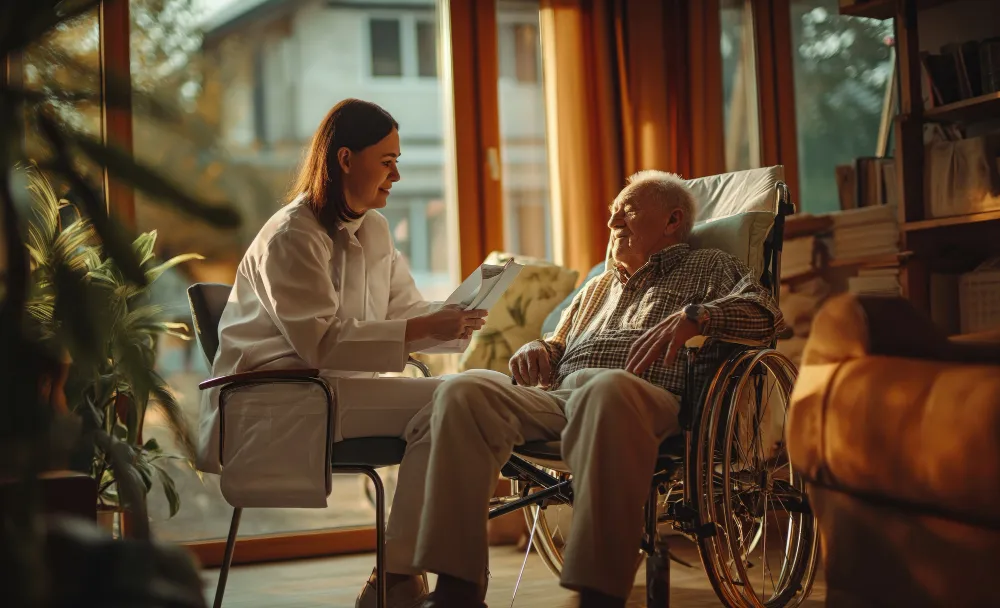
Family members may experience similar uncertainty when they suddenly become responsible for helping with mobility, personal care or other daily needs. Professional support can provide families with additional guidance while allowing relatives to remain involved in the patient’s recovery.
Home care services can provide different forms of support according to a patient’s condition and discharge plan. This may include nursing care, rehabilitation and assistance with activities of daily living. Rather than replacing hospital treatment, appropriate home care helps patients follow their recovery plan while remaining in their own home.
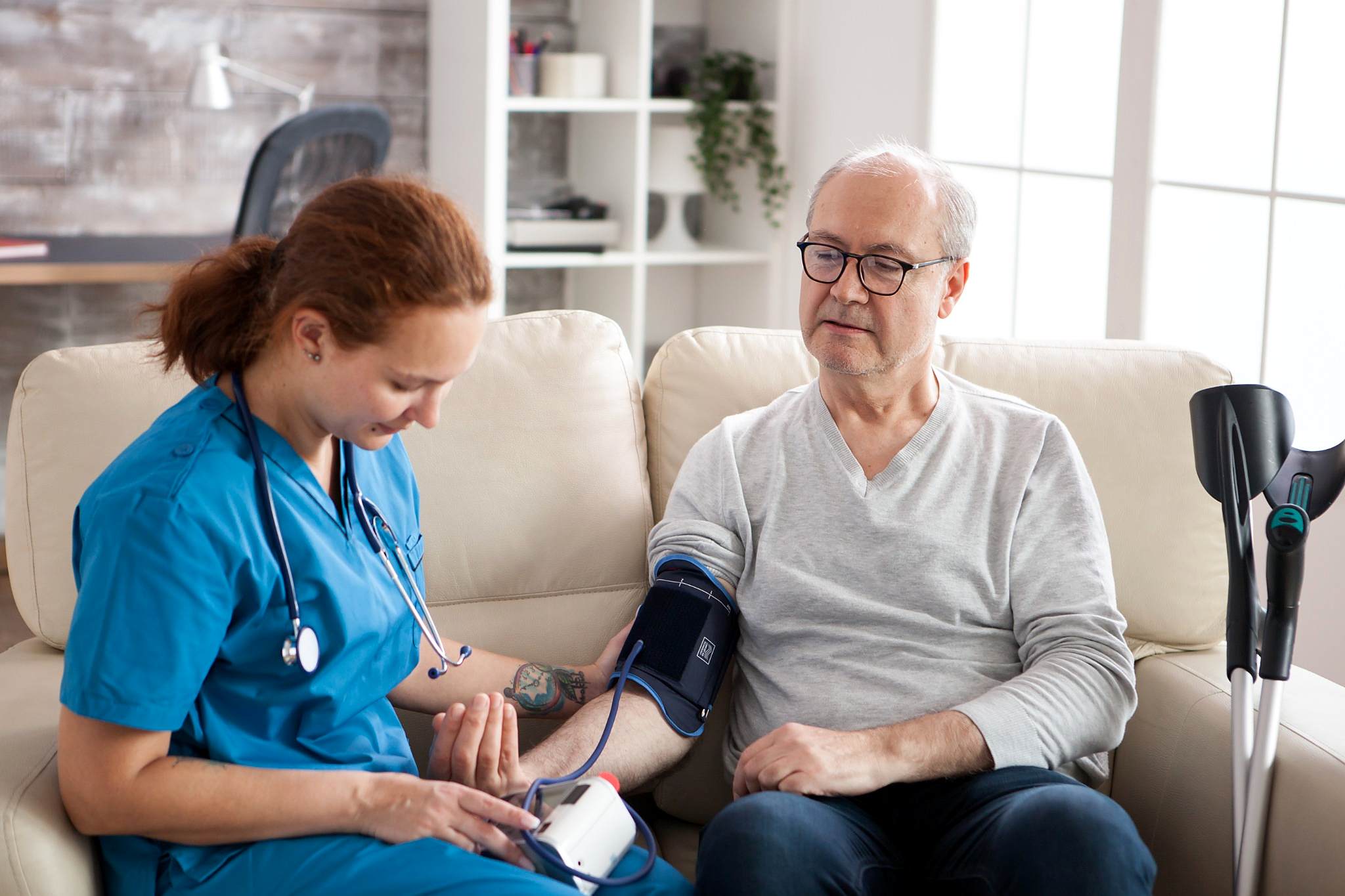
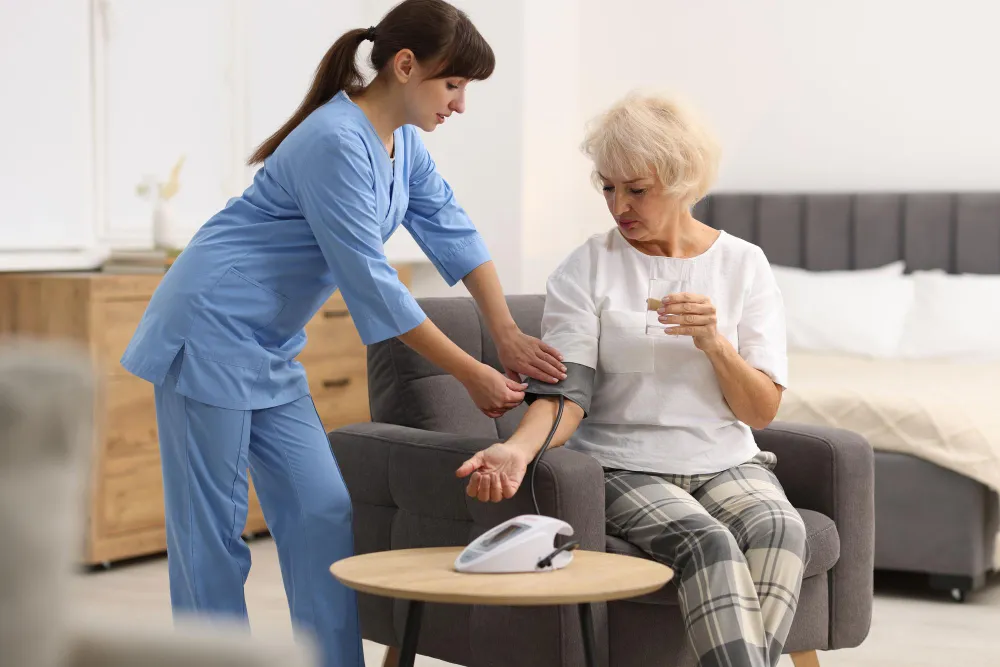
Patients may require nursing support for wound care, prescribed medical procedures or monitoring after discharge. The exact responsibilities of the visiting healthcare professional depend on the patient’s care plan and clinical needs.
If changes or concerns arise, the appropriate healthcare professional should determine whether further medical assessment is necessary.
Malaysia’s official government health information also recognises home-based healthcare as part of support available to eligible older people, including services delivered through Ministry of Health facilities.
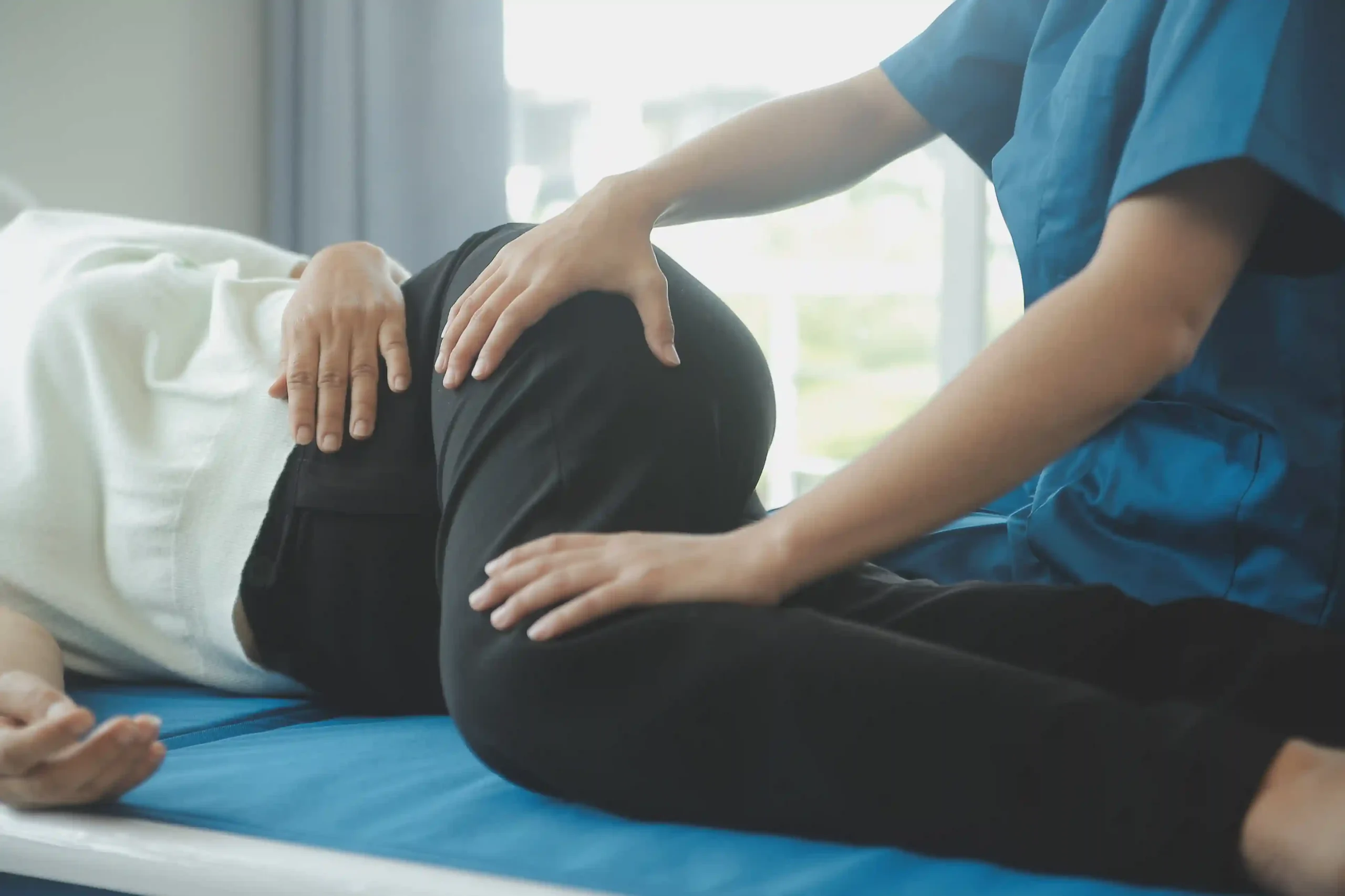
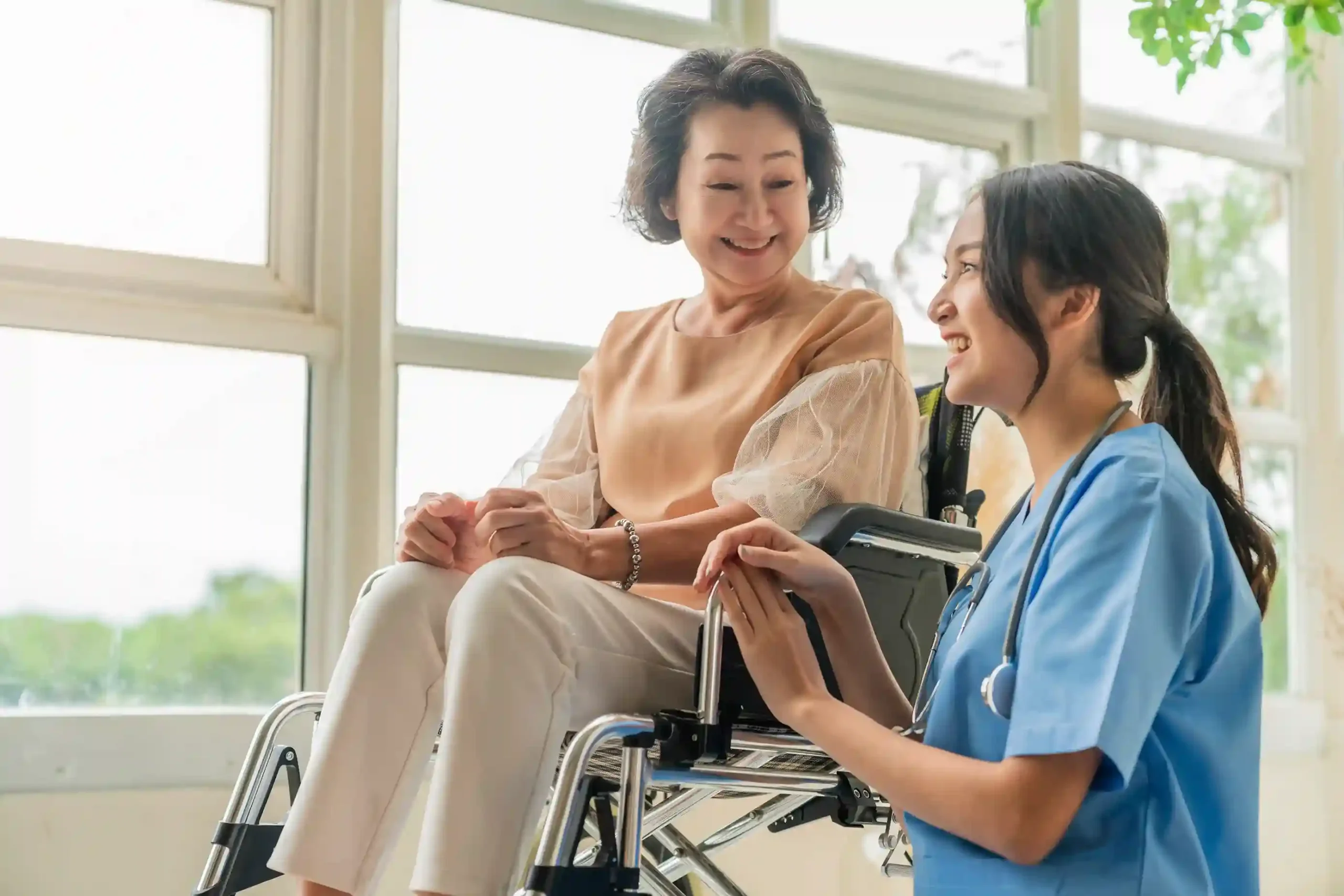
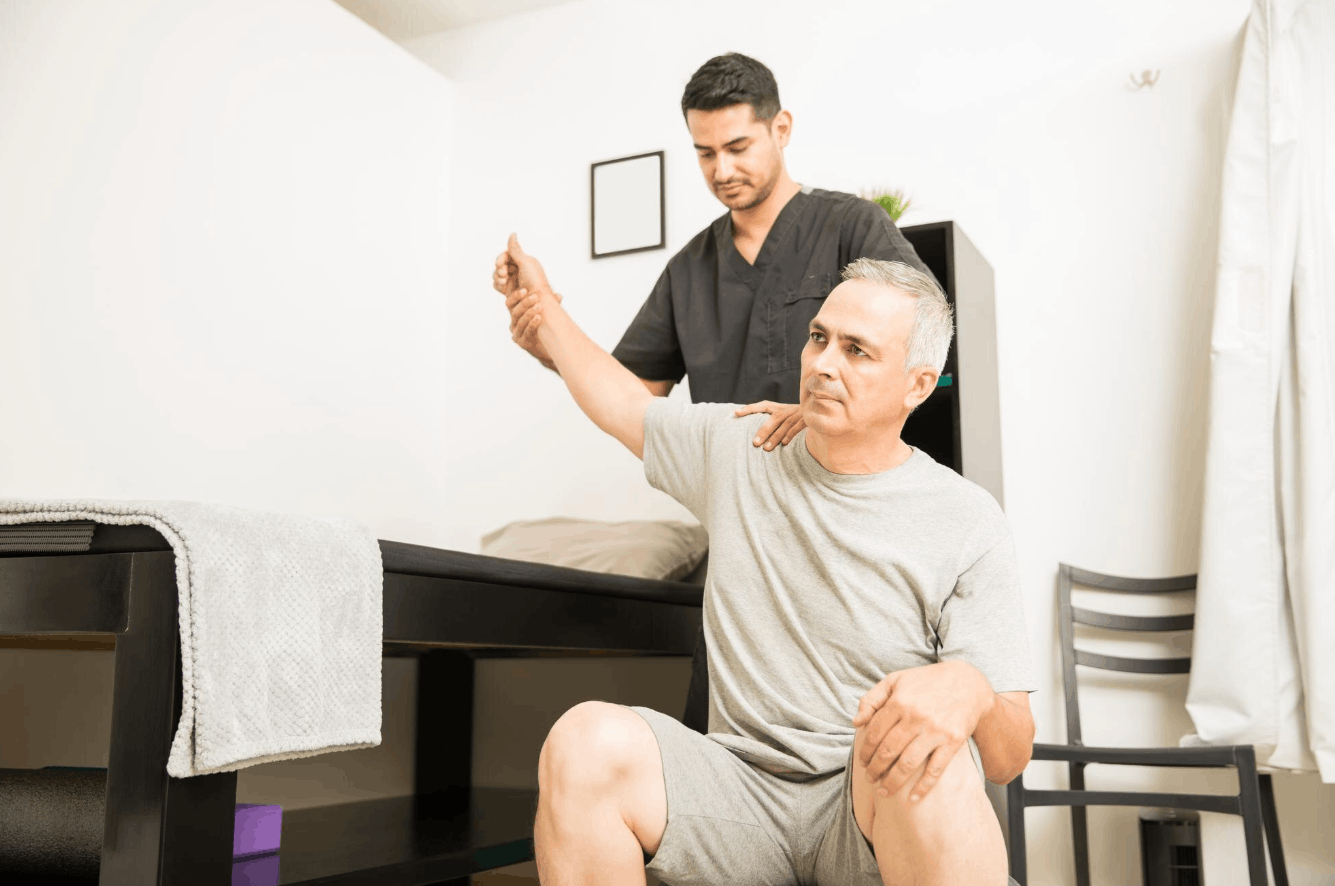
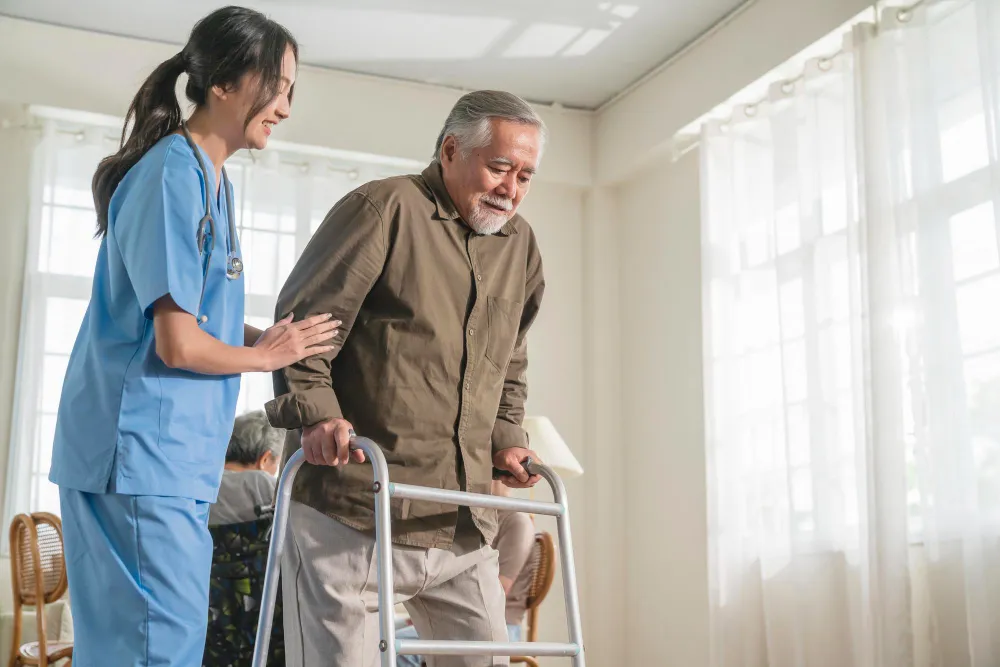
Some patients require rehabilitation after leaving hospital. This can include people recovering from joint procedures, injuries, strokes or periods of reduced mobility.
Physiotherapy may focus on areas such as movement, strength, balance and functional activities according to the patient’s rehabilitation plan. Receiving rehabilitation at home can also be practical for patients who have difficulty travelling during the early stages of recovery.
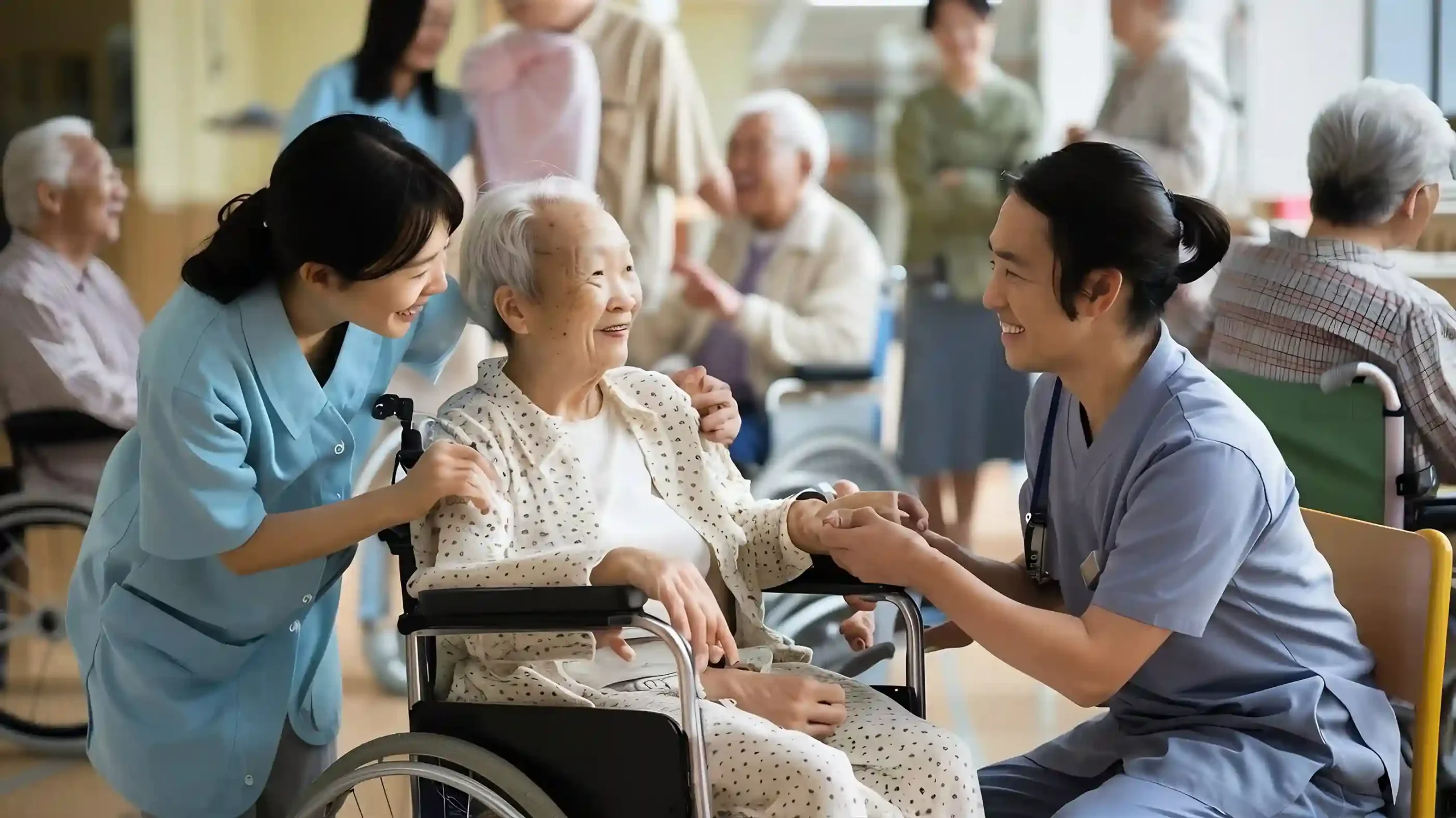
Everyday activities can become challenging during recovery. Depending on the patient’s needs, assistance may be required with tasks such as:
The aim should be to provide the level of assistance the patient needs while supporting safe independence where appropriate.
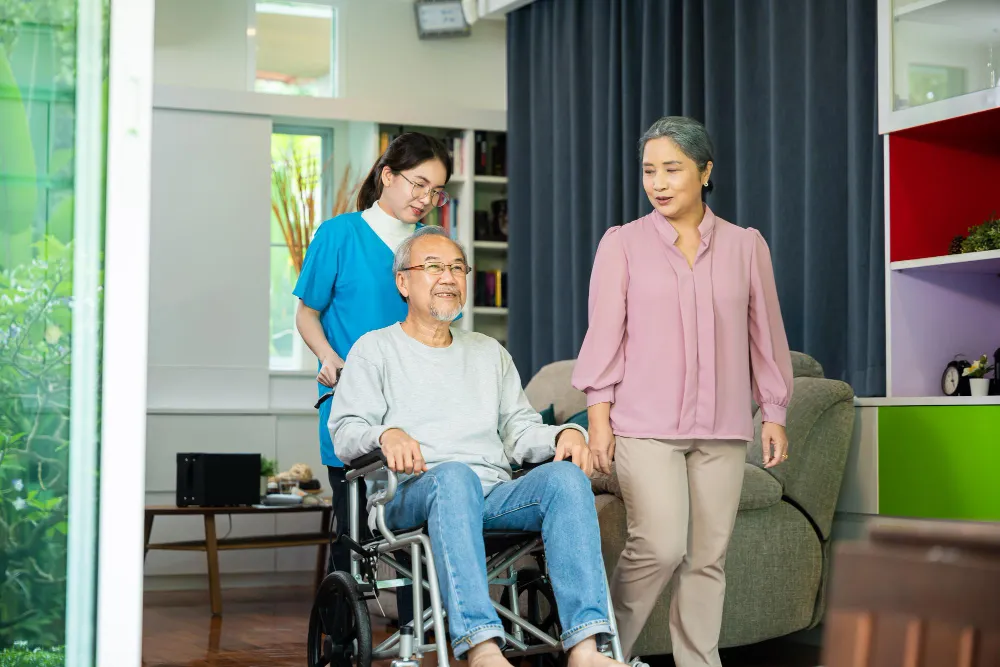
Families remain an important part of recovery even when professional home care services are involved. Relatives can provide emotional support, observe changes between professional visits and help patients follow their care plans. Clear communication between the patient, family and healthcare professionals can make responsibilities easier to understand throughout the recovery period.
Family members often know the patient’s normal behaviour, appetite and daily routine better than a visiting professional. This can help them recognise changes that may need to be discussed with the patient’s healthcare provider.
Relatives also provide something professional care cannot replace: familiar social and emotional support. Professional assistance can handle appropriate clinical or practical responsibilities while family members continue to provide companionship and encouragement.
Families naturally want to help, but too much assistance may sometimes conflict with a rehabilitation plan. For example, completing every activity for a patient may reduce opportunities to practise tasks they have been advised to perform independently.
Follow the instructions provided by the patient’s healthcare team and ask when you are unsure about an activity, exercise or symptom. TrueCare2U’s Help Centre provides additional information for families using its healthcare services.
Choosing home care services should begin with the patient’s actual needs after discharge. Families should consider the type of support required, the qualifications of the healthcare professionals involved, visit frequency and how concerns are escalated. Planning these arrangements before discharge can make the transition from hospital to home easier to manage.
Where possible, begin discussing post-discharge arrangements while the patient is still in hospital. Ask the treating healthcare team what support may be required once the patient returns home.
This gives the family time to prepare the home, understand the care plan and research suitable providers instead of arranging everything after discharge.
Before arranging care, clarify what services the provider can offer and whether they match the patient’s discharge plan.
Useful questions include:
Families interested in arranging support can use TrueCare2U’s Get Started page to explore available options.
Professional home care and family support serve different but complementary roles during recovery.
| Area | Professional Home Care | Family Support |
| Clinical tasks | Provided by appropriately qualified professionals where required | Follows instructions from the healthcare team |
| Daily assistance | Can provide scheduled practical support | Often helps between professional visits |
| Monitoring | Observes relevant changes during visits | Can notice changes in everyday behaviour |
| Emotional support | Provides reassurance and professional guidance | Offers familiar companionship and encouragement |
| Availability | Based on the agreed care schedule | Depends on the family’s circumstances |
For many patients, recovery involves a combination of professional care and appropriate family involvement rather than relying entirely on one or the other.
Home care services provide healthcare or practical assistance in a patient’s home based on their individual needs. Depending on the care plan, this may include nursing, rehabilitation or help with daily activities. The purpose is to support the patient’s continued recovery after discharge while allowing them to remain in a familiar home environment.
The appropriate starting time depends on the patient’s condition and discharge plan. Some patients may require support immediately after returning home, while others may need scheduled follow-up later. Before discharge, ask the treating healthcare team when home-based support should begin and what type of care is recommended.
There is no standard duration for post-hospital home care. Some patients regain independence relatively quickly, while others require longer-term assistance because of their condition, mobility or rehabilitation needs. The care plan should be reviewed as recovery progresses so that the level of support can be adjusted when appropriate.
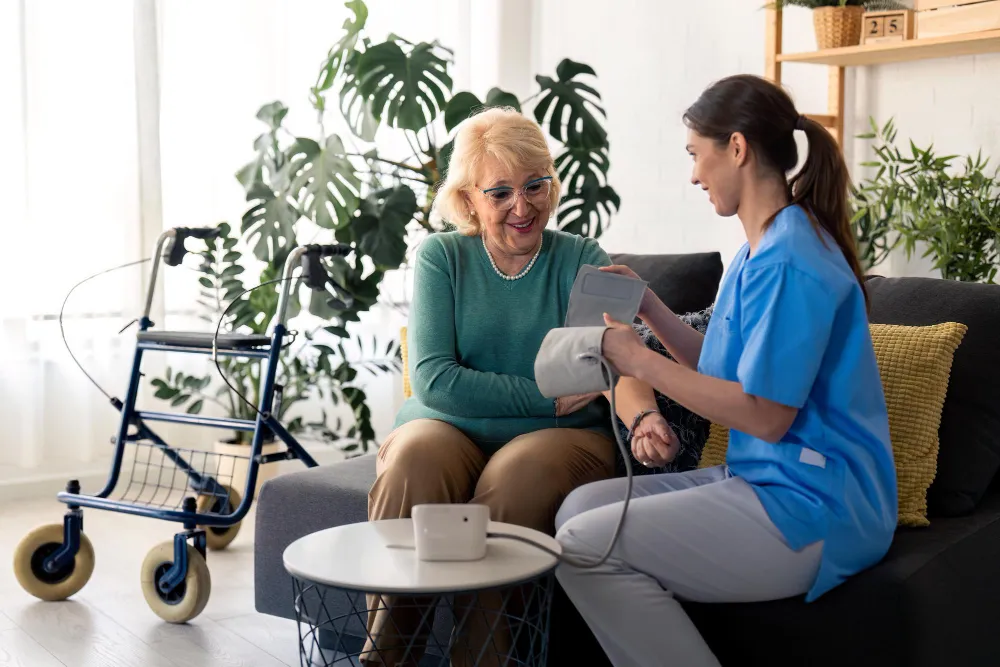
Home care may be an option for older adults who need additional assistance after hospital discharge, including those living alone. The appropriate arrangement depends on their health, mobility, ability to manage daily activities and available family support. A healthcare professional can help determine what level and frequency of assistance may be suitable.
Home care does not replace emergency or hospital treatment when urgent medical attention is required. Families should follow the warning signs and escalation instructions provided at discharge. If a patient develops severe or rapidly worsening symptoms, contact the appropriate healthcare service promptly rather than waiting for the next scheduled home care visit.
Post-hospital recovery does not end when a patient leaves the ward. Depending on their condition, they may still need nursing care, rehabilitation or practical assistance while gradually returning to their normal activities.
Planning appropriate support before discharge can make the transition home easier for both patients and families. TrueCare2U helps Malaysian families explore healthcare services that can be delivered at home according to individual care needs and provider availability.
If your family is preparing for a loved one’s hospital discharge, get started with TrueCare2U to explore suitable home care services.















































































































 Call Us
Spread the love, follow us on our social media channels