

Follow us:



Importance Of Confinement Care for Safe Postnatal Care
Giving birth is one of the most physically and emotionally demanding experiences a woman can go through. What comes after, weeks of recovery, hormonal shifts and the demands of a newborn, is equally challenging. In Malaysia, confinement care has long been a cornerstone of postnatal recovery, and for very good reason. TrueCare2U supports new mothers and their families in finding the right postnatal care that makes this critical period safer, healthier and more manageable.
Confinement care in Malaysia traditionally refers to a period of rest and specialised care lasting between 30 to 44 days after childbirth. During this time, a new mother is supported with nutrition, physical recovery, infant care guidance and emotional support. Whether delivered by a confinement lady, a professional nurse or a structured home care service, the goal is always the same: to help the mother recover fully before resuming normal life.
Many new mothers feel pressure to bounce back after childbirth. Social expectations, financial considerations and a lack of support can all cause women to skip or shorten their confinement period. This is a mistake that often carries consequences after the postnatal window has closed.
Childbirth, whether natural or via caesarean section, places enormous strain on the body. The uterus needs time to contract back to its normal size. Hormonal levels shift dramatically in the days and weeks following delivery. Blood loss, surgical wounds, perineal tears and breastfeeding demands all require the body to work hard while simultaneously managing the care of a newborn.
Without adequate rest and nutrition during this period, new mothers are at higher risk of prolonged fatigue, postpartum anaemia, poor wound healing and a weakened immune system. These are among the conditions that could have been avoided with proper confinement care.
Physical recovery is only one dimension of what a new mother faces. The hormonal changes following birth create a period of significant emotional vulnerability. Baby blues affect the majority of new mothers in the first week. For some, these feelings develop into postpartum depression, a serious condition that requires proper recognition and support.
Confinement care addresses this emotional dimension by ensuring the mother is not left to manage everything alone. Having consistent support around her, someone to help with the baby, to prepare nourishing meals and to provide reassurance, significantly reduces the emotional burden of early motherhood.
According to the World Health Organization, community-based and home care support systems are increasingly recognised as essential pillars of wellbeing for mothers and newborns in Malaysia, with accessible postnatal home visits helping the country achieve its Sustainable Development Goals on maternal and child health.
Confinement care in Malaysia draws from a rich blend of traditional practices and modern medical understanding. The specific practices vary across Malay, Chinese and Indian communities, but the underlying principles of rest, warmth, nutrition and recovery are shared across all of them.
One of the most important aspects of confinement care is nutrition. Postnatal confinement meals are carefully designed to replenish nutrients lost during childbirth, support breastmilk production and promote internal healing. Common ingredients include ginger, sesame oil, red dates, black pepper and herbal tonics, each chosen for specific recovery benefits.
A confinement carer or cook prepares these meals consistently throughout the confinement period. This ensures the mother is not relying on convenience food or skipping meals due to exhaustion, both of which are common when adequate support is not in place.
Key nutritional priorities during confinement include:
Beyond nutrition, confinement care involves a range of physical support practices. Traditional Malay confinement often includes herbal baths, abdominal binding and massage to support uterine contraction and posture recovery. Chinese confinement practices similarly incorporate specific herbal soups, body warming and strict rest protocols.
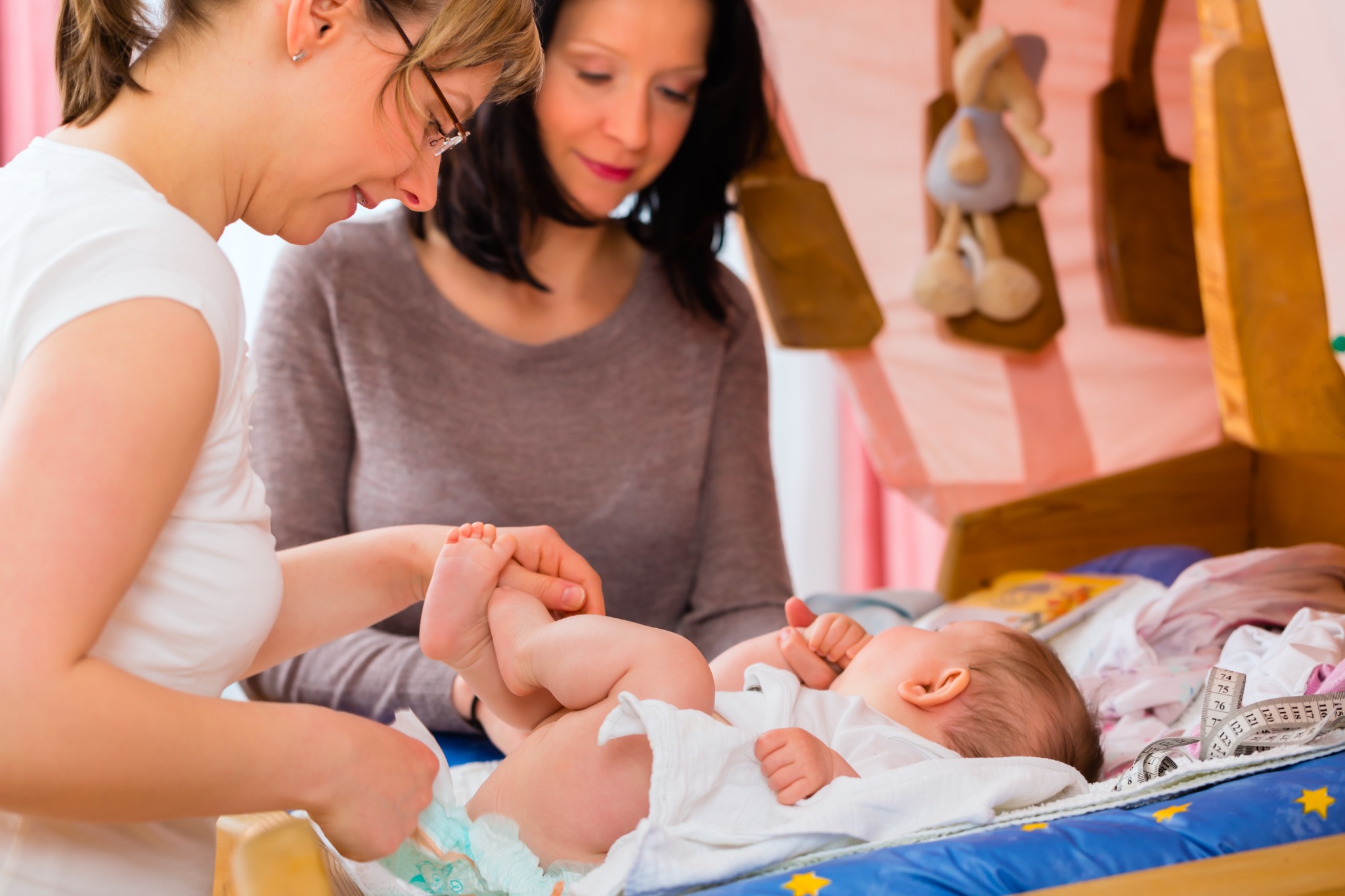
Modern care integrates these traditional practices with evidence-based postnatal recovery guidance. Professional confinement nurses are trained to monitor wound healing for caesarean mothers, assist with breastfeeding positioning, manage newborn care and identify early warning signs of postnatal complications that require medical attention.
The quality of confinement care in Malaysia varies significantly depending on the type of provider and the level of service offered. Making the right choice requires understanding what is available and what your specific situation actually needs.
Families in Malaysia can choose from several models of confinement care depending on their budget, preferences and medical needs.
A live-in confinement lady is the most traditional arrangement. She moves into the home for the duration of the confinement period and manages meals, newborn care and light household tasks around the mother. This provides the highest level of daily support but requires careful selection to ensure the right fit.
Professional confinement nurses offer a more medically oriented service. They are trained to handle postnatal wound care, monitor for complications, support breastfeeding and provide structured newborn care guidance. This option is particularly important for mothers recovering from caesarean sections or those who experienced complications during delivery.
At TrueCare2U we connect new mothers and their families with qualified confinement care professionals, ensuring that families can easily access professional assistance that aligns with their unique postnatal requirements.
Not every confinement carer offers the same level of skill or professionalism. Choosing carefully is essential, as this person will be in your home during a period of significant vulnerability.
Look for these qualities when selecting a confinement care provider:
Compatibility matters just as much as qualifications. The confinement period is intimate and demanding. Having someone in your home who communicates well and earns your trust makes the entire experience considerably smoother.
Even families who understand the importance of confinement care sometimes make decisions that reduce its effectiveness. Being aware of these pitfalls helps you avoid them.
One of the most common mistakes is leaving the search for confinement care until the final weeks of pregnancy or even after the birth. Good confinement carers, particularly experienced ones, are booked well in advance. Starting your search in the second trimester gives you far more choices and time to assess options properly.
Confinement care is not an area where cutting costs aggressively makes sense. A carer who charges significantly less than the market rate may lack experience, training or the ability to recognise postnatal complications that require medical attention. Investing appropriately in this period protects both the mother’s and baby’s health.
Confinement care in Malaysia is incomplete if it focuses entirely on physical recovery while neglecting emotional wellbeing. New mothers need to feel heard, supported and reassured, not just fed and rested. If signs of postpartum depression appear, these must be taken seriously and professional help sought promptly.
Here are common questions families ask about confinement care Malaysia:
Confinement care refers to a structured period of rest and specialised support following childbirth, typically lasting 30 to 44 days. It is practised across Malay, Chinese and Indian communities in Malaysia, each with their own traditions. The purpose is to allow the mother’s body to recover fully while ensuring the newborn receives attentive care.
This depends on your health status and delivery type. A confinement lady is suited to mothers with straightforward deliveries who need general support, meals and newborn assistance. A professional confinement nurse is more appropriate for caesarean mothers, those with postnatal complications or those who require clinical wound care and medical monitoring.
Ideally, begin your search during the second trimester, around weeks 20 to 28 of pregnancy. This gives you enough time to research providers, conduct interviews and confirm arrangements before your due date. Waiting until the third trimester significantly narrows your options.
Yes. Home-based confinement care is the most common arrangement in Malaysia and is generally preferred by new mothers who want to recover in familiar surroundings. A live-in carer or visiting professional provides support within your own home throughout the confinement period.
Confinement meals should prioritise iron-rich foods to address blood loss, protein for tissue repair, calcium for breastfeeding support and warming ingredients such as ginger and sesame oil. Meals should be freshly prepared, easy to digest and consistent throughout the confinement period. A trained confinement cook or carer will typically manage this as part of their service.
Confinement care in Malaysia is not a cultural relic or an optional luxury. It is a medically and emotionally sound practice that gives new mothers the recovery time and support they genuinely need. The weeks following childbirth set the foundation for a mother’s long-term health, her breastfeeding journey and her transition into parenthood. Investing in proper confinement care during this period is one of the most important decisions a family can make.
The right support looks different for every family. What matters is that it is planned early, chosen carefully and delivered by someone with the experience and sensitivity the postnatal period demands.
When you are ready to arrange confinement care for your family, explore the trusted professionals available through TrueCare2U’s healthcare network and give your loved one the postnatal recovery they truly deserve.




























































































































 Call Us
Spread the love, follow us on our social media channels