

Follow us:


When a loved one needs medical assistance or daily support at home, families often face confusion between home care and home nursing services. Understanding these distinctions is crucial for making informed decisions about your family’s healthcare needs. Both services aim to enhance quality of life and provide comfort in familiar surroundings, yet they serve different purposes and offer varying levels of medical expertise.
Home nursing services focus primarily on medical care delivered by qualified healthcare professionals, while home care typically addresses non-medical daily living activities. Choosing between these options depends on your loved one’s specific health conditions, required level of care, and overall wellbeing goals. In Malaysia, the Ministry of Health (MOH) provides comprehensive guidelines on healthcare services to ensure families receive appropriate support at home.
If you need professional guidance on selecting the right care option for your family, visit our homepage to explore our range of personalised healthcare solutions tailored for the Malaysian community.
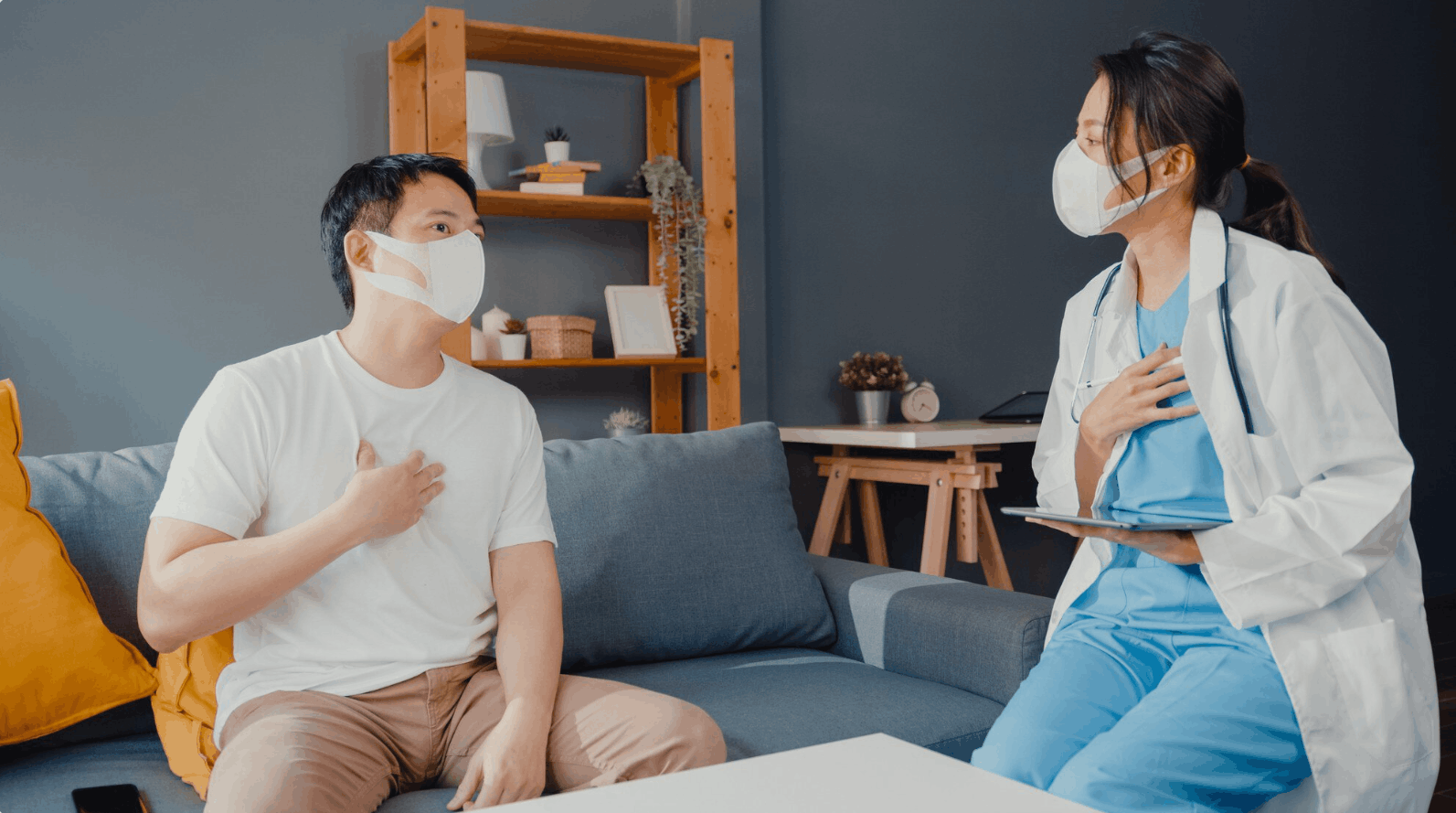
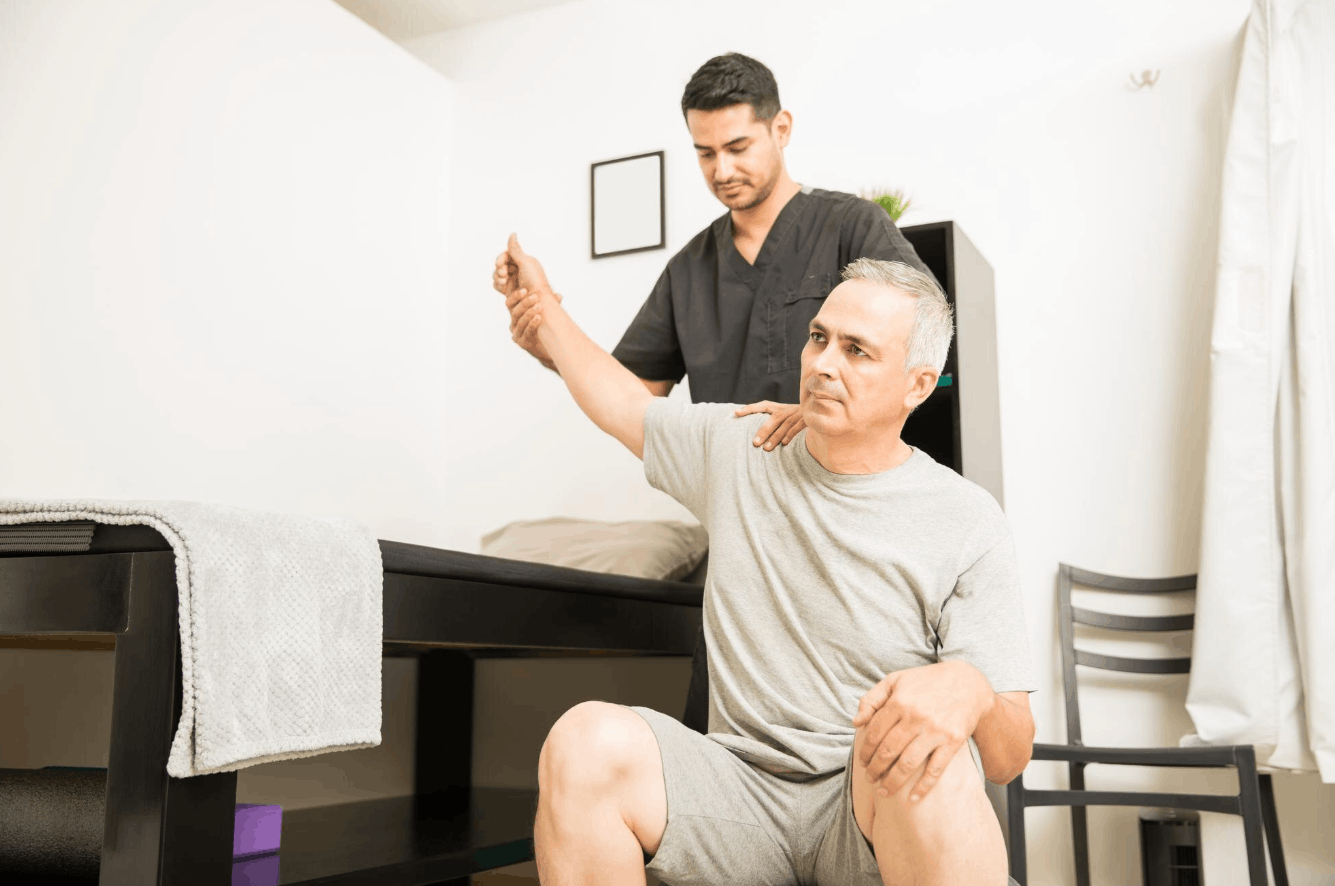
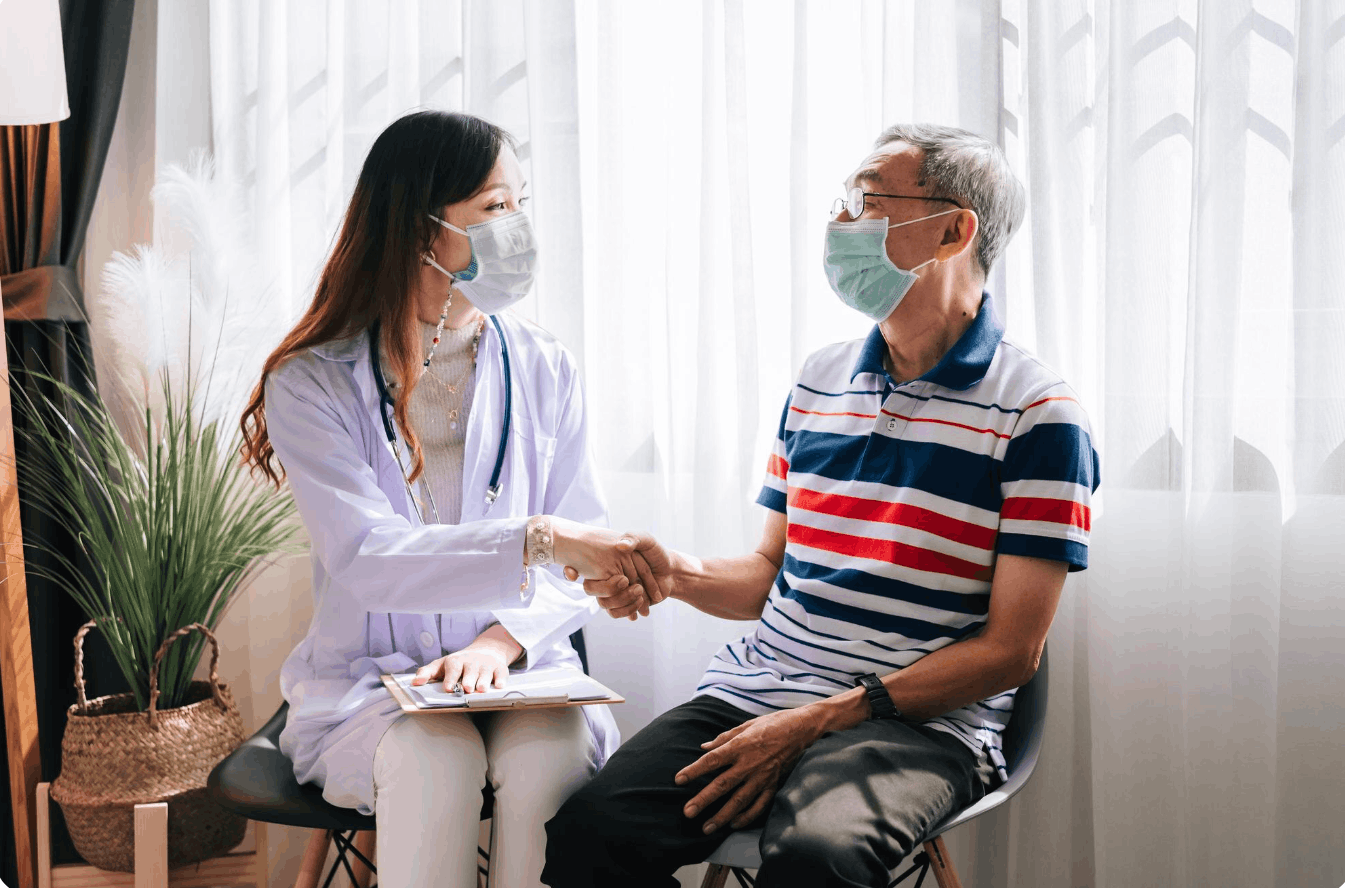
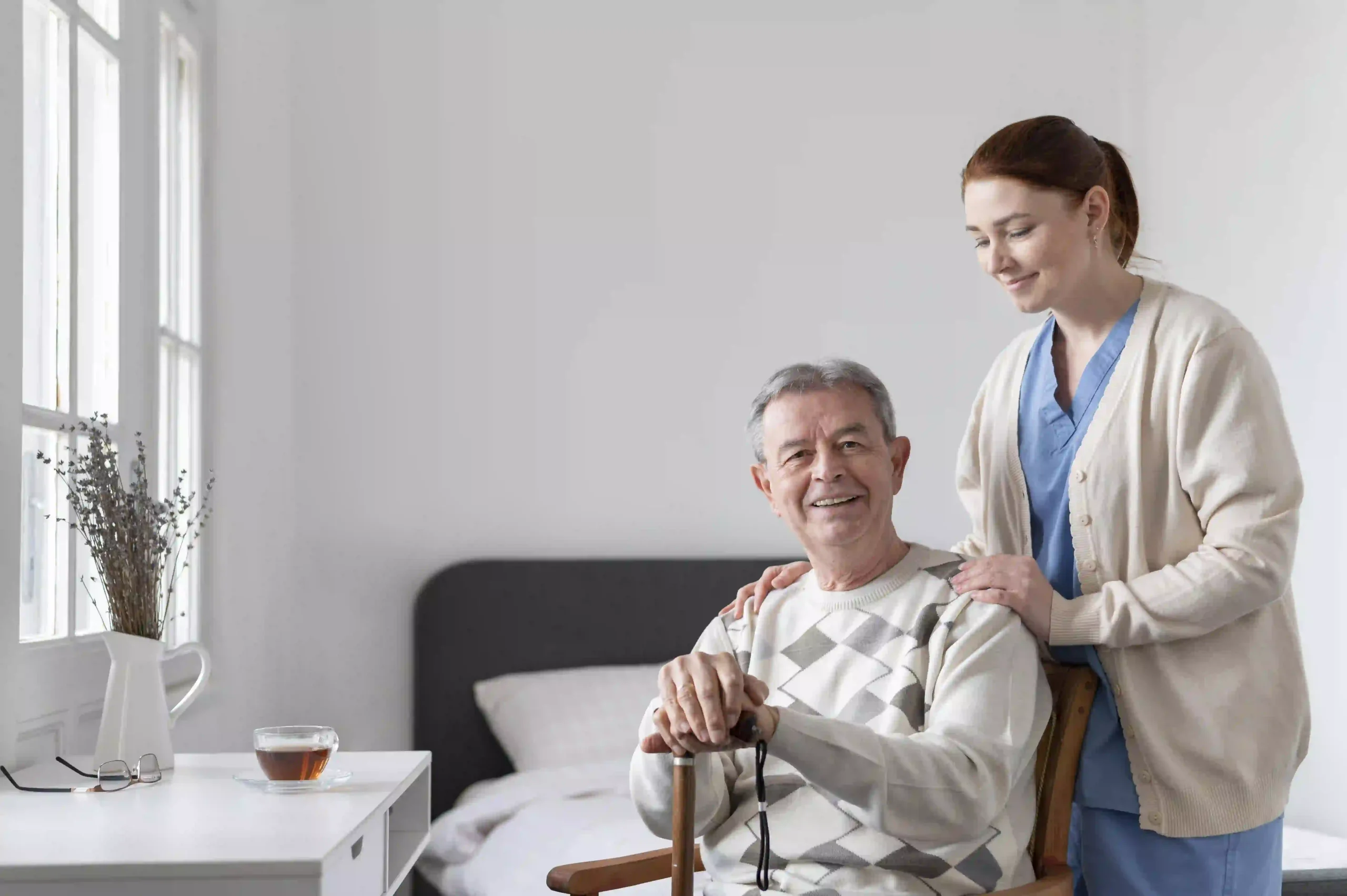
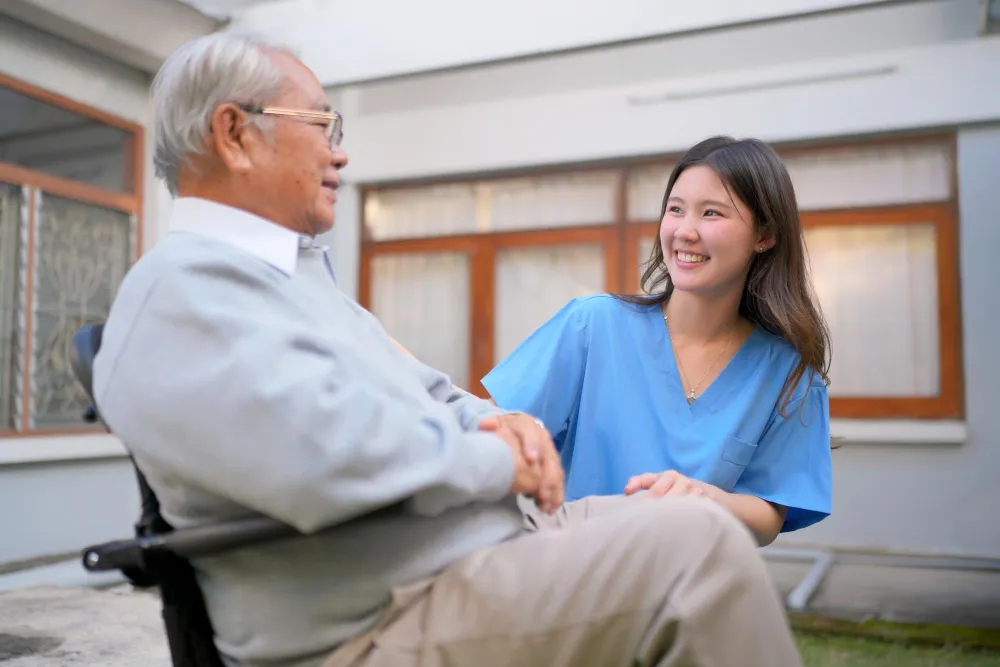
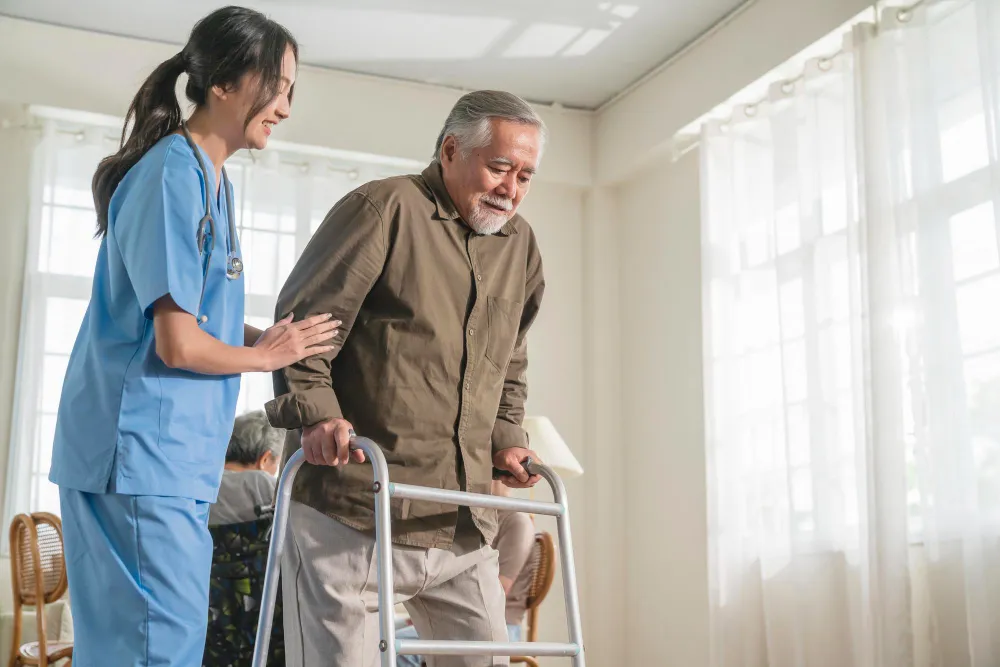
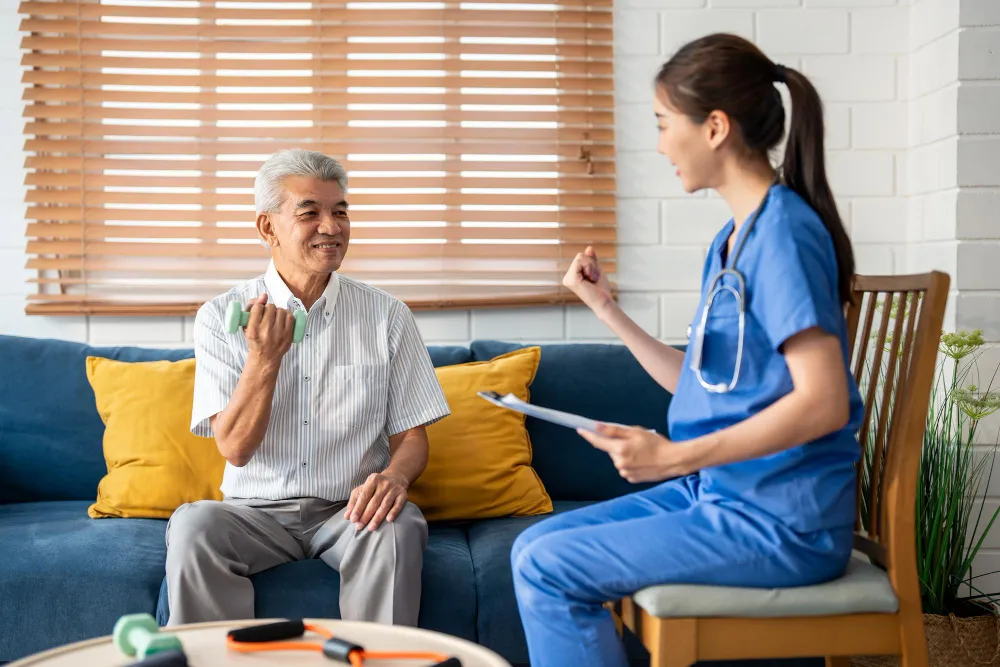
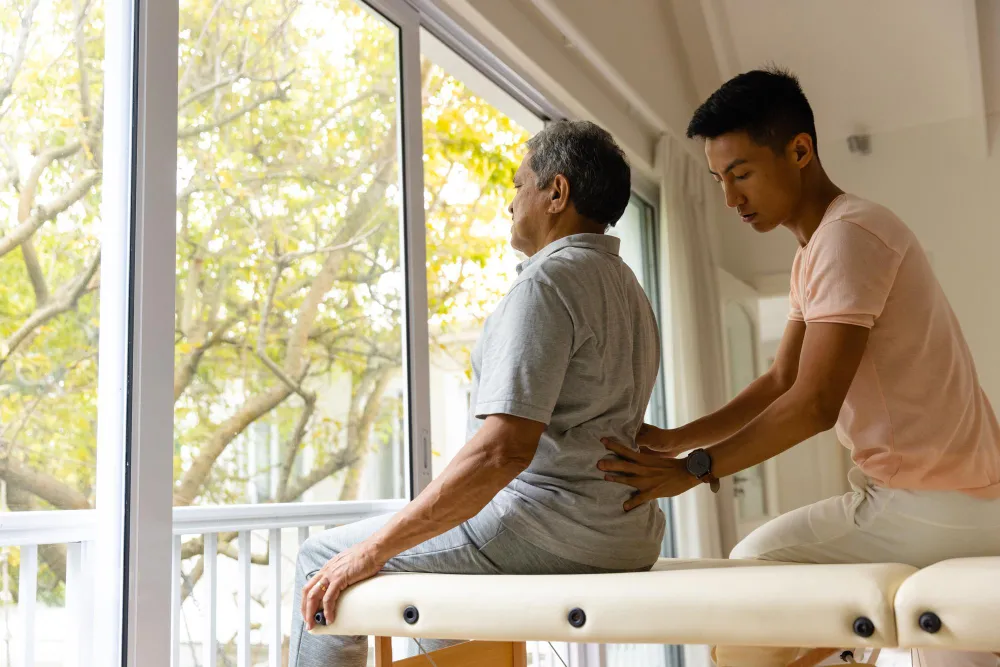
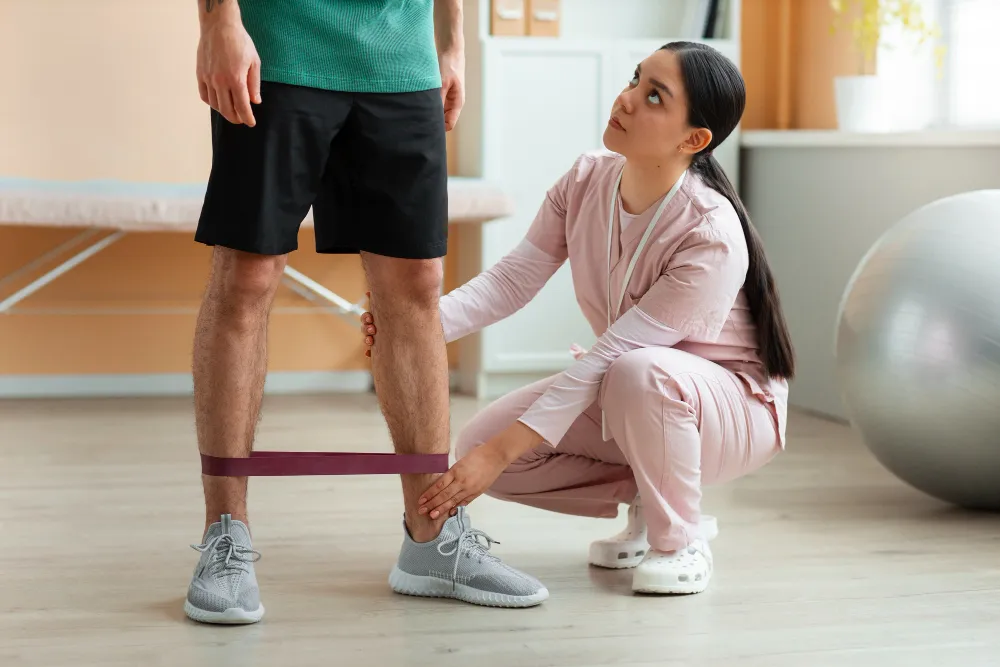
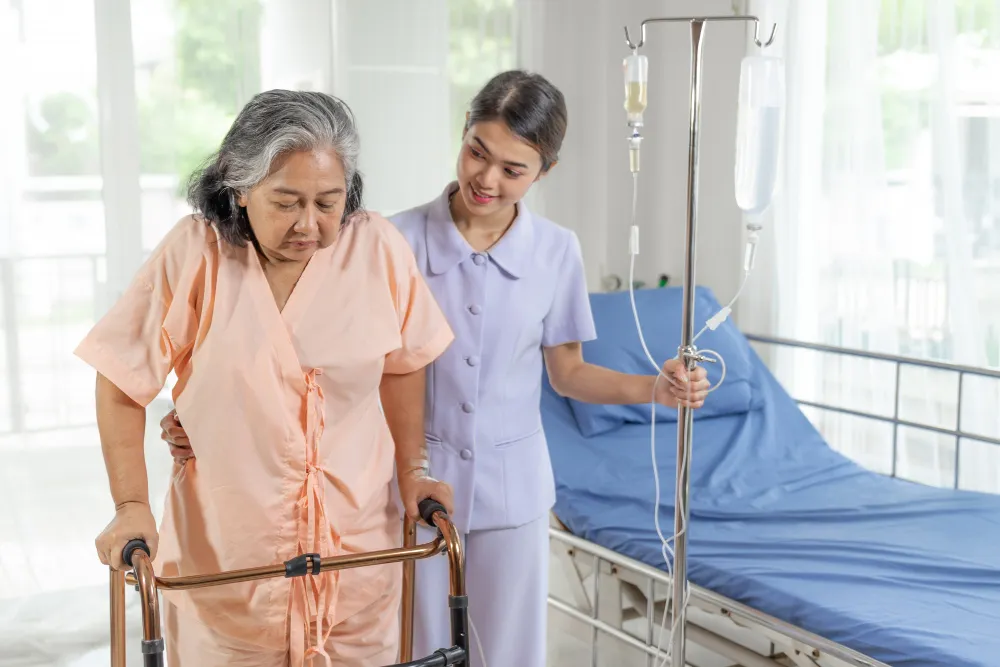
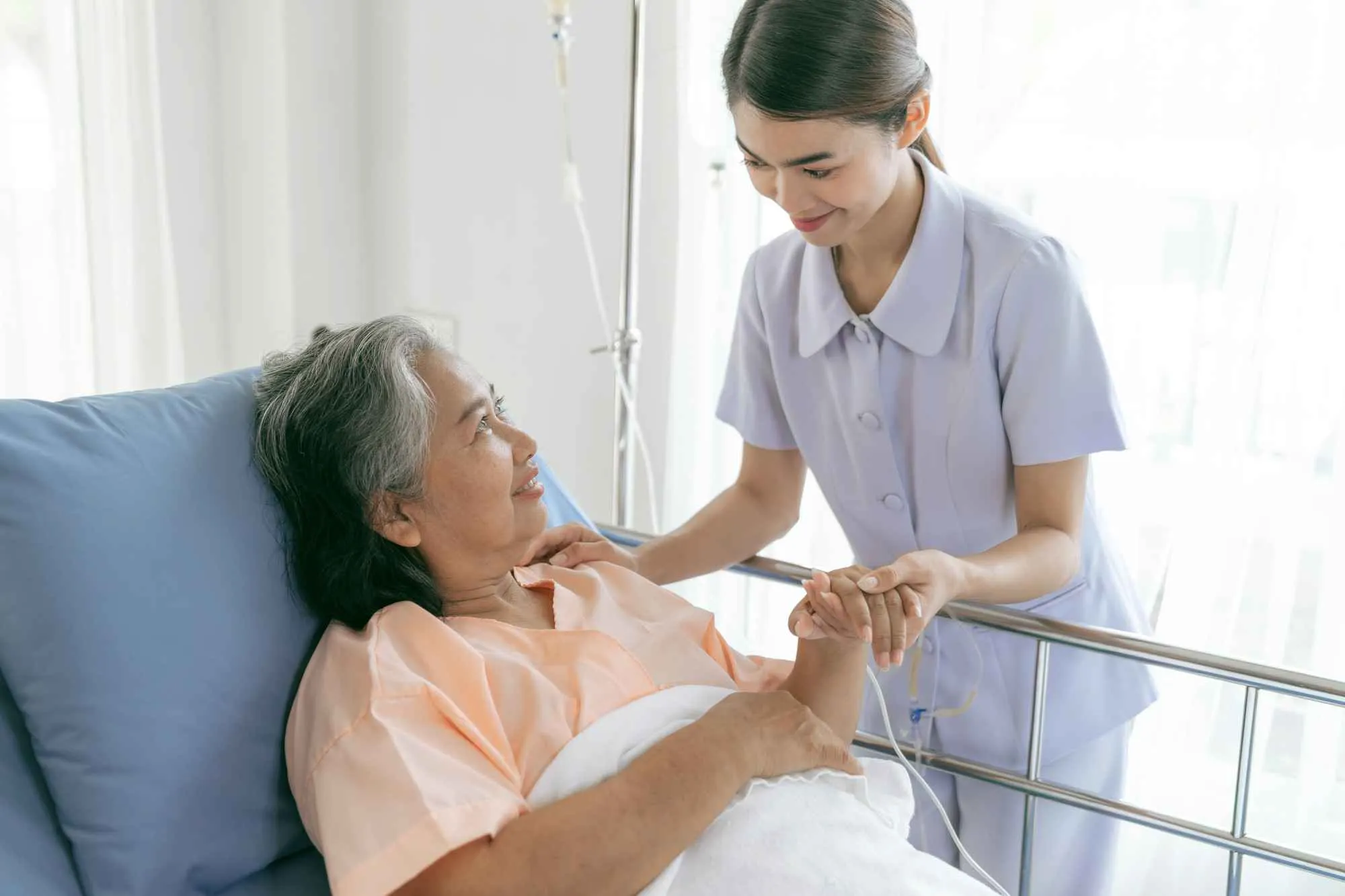
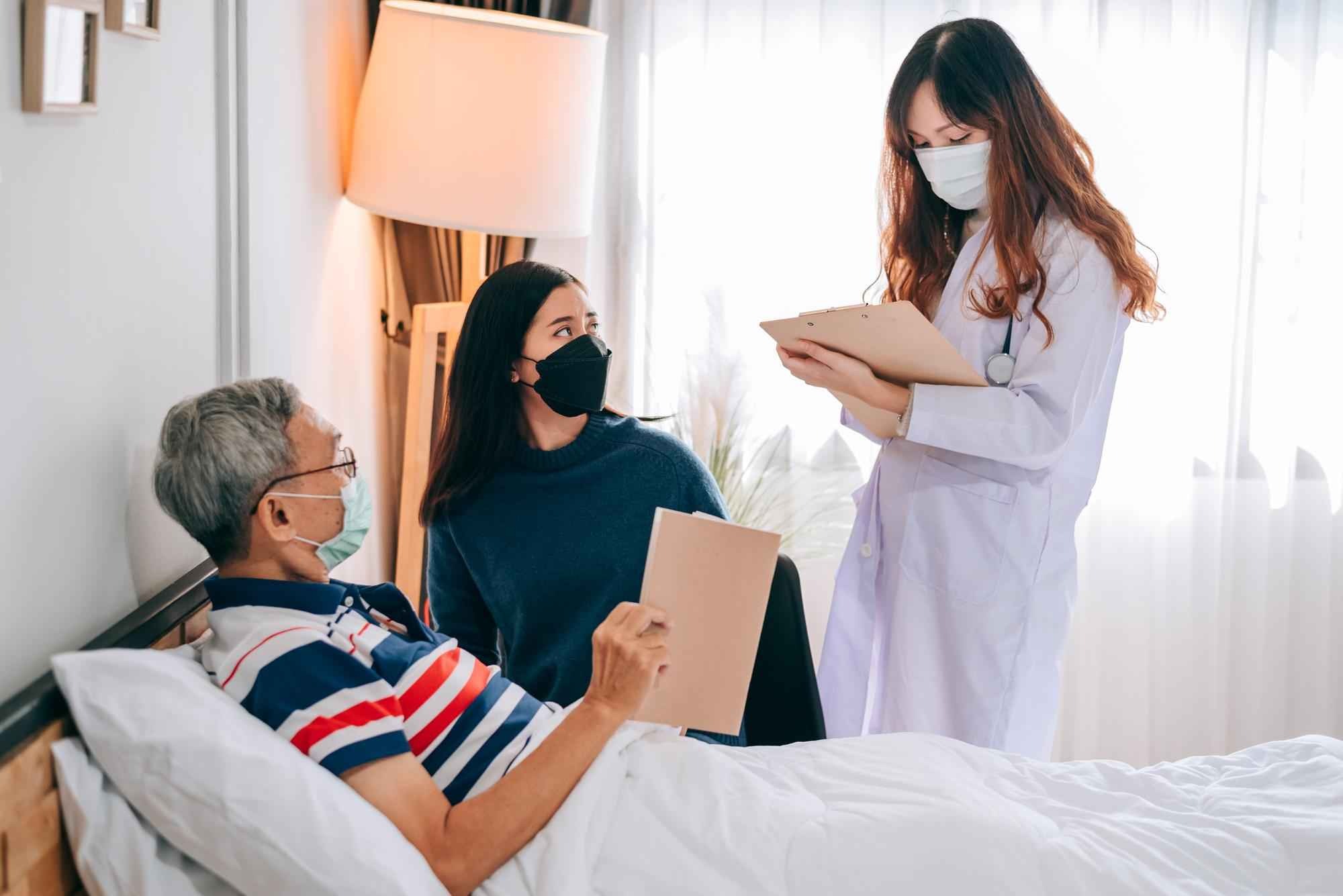
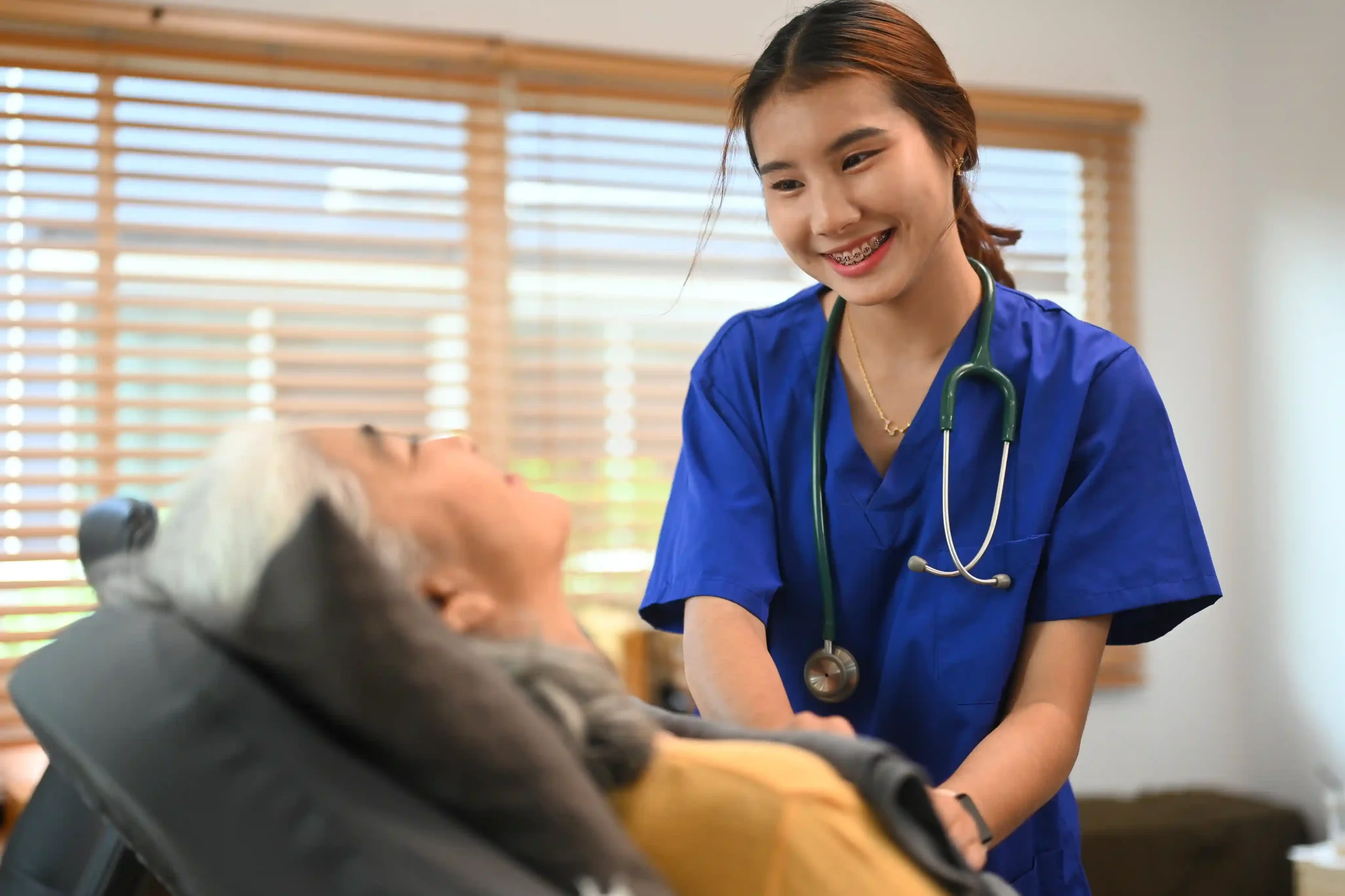
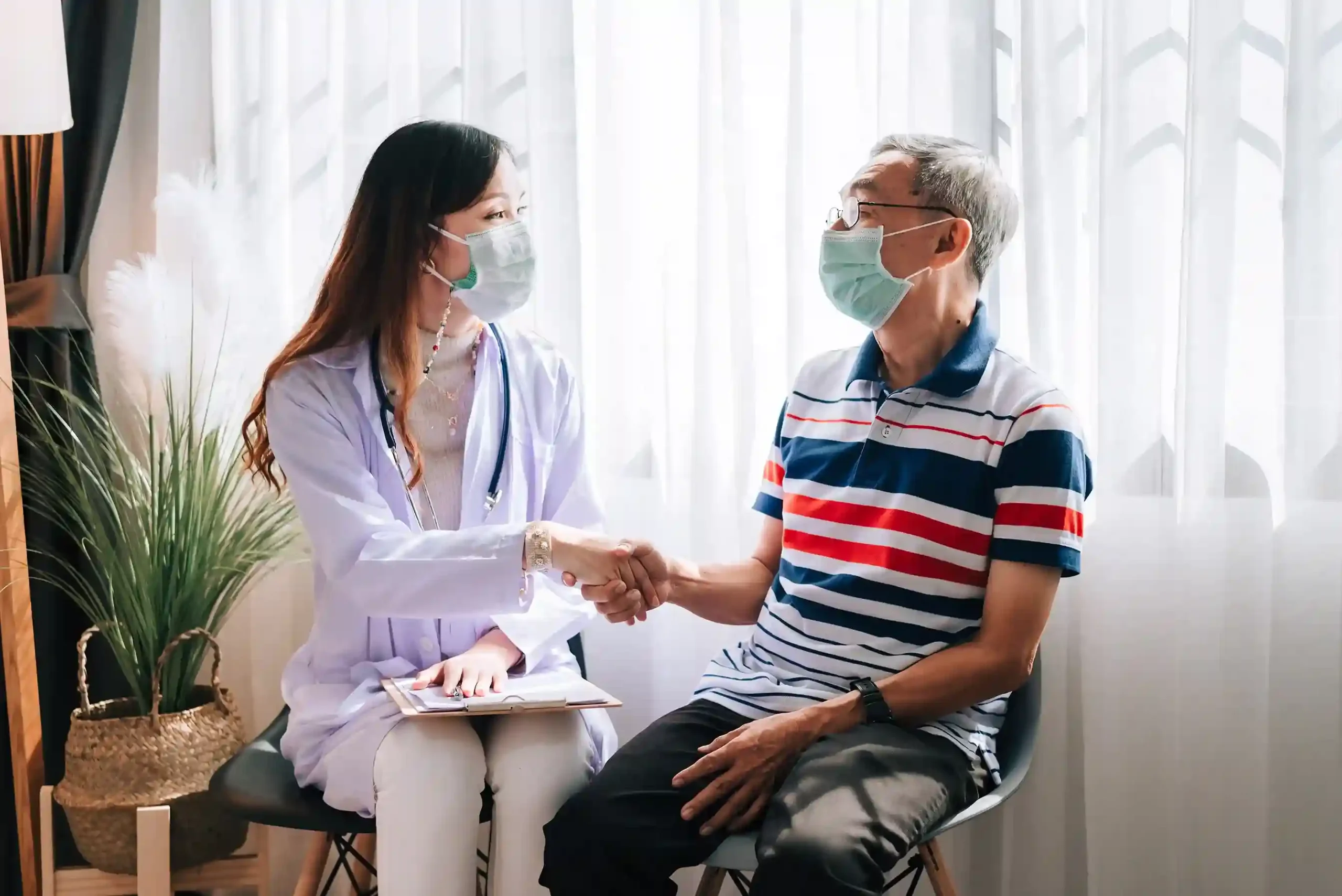
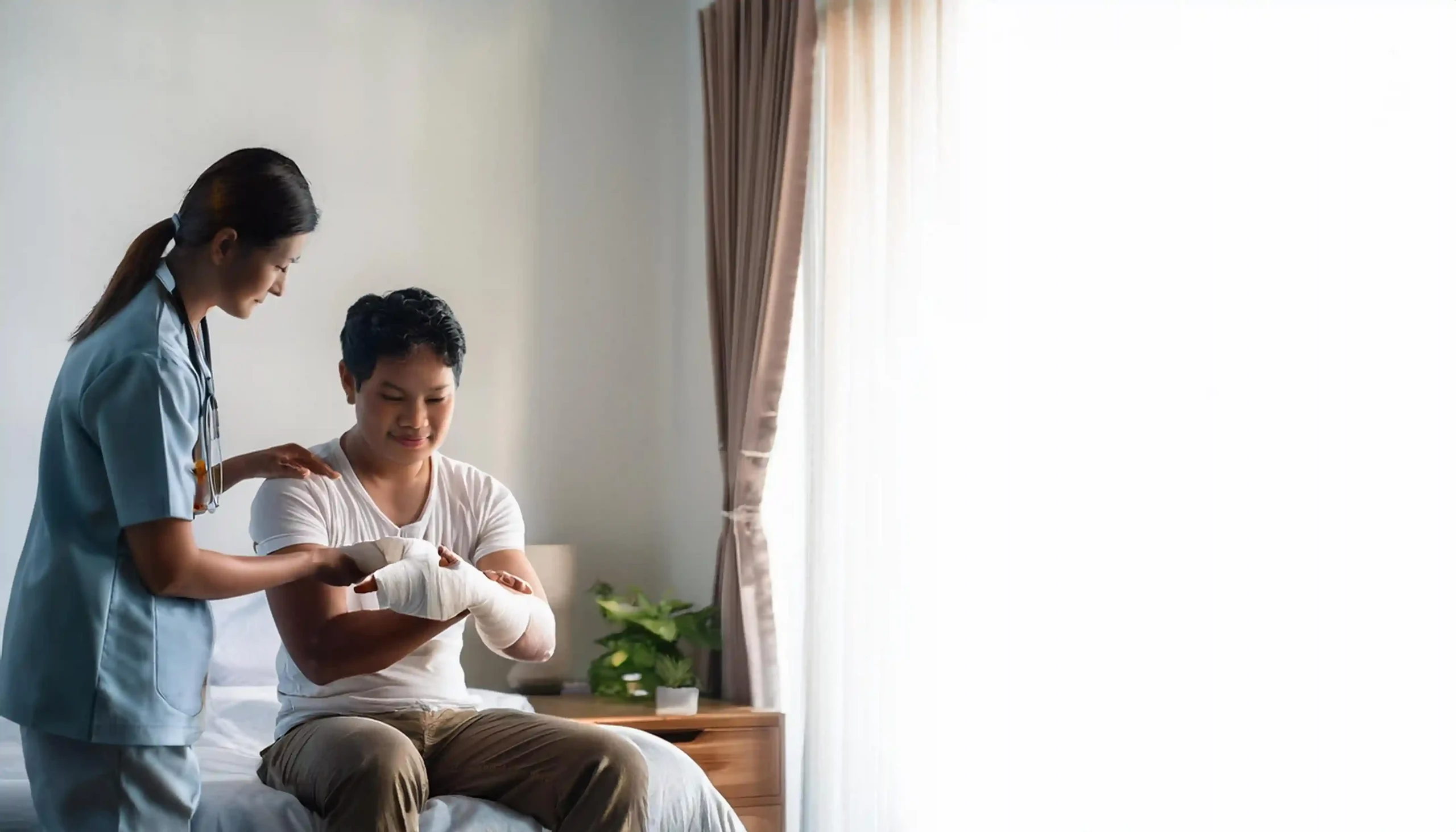
Home nursing services involve skilled medical care provided by registered nurses (RN), physiotherapists, or other licensed healthcare professionals. These services are designed for individuals recovering from surgery, managing chronic illnesses, or requiring ongoing medical monitoring that does not necessitate hospitalisation.
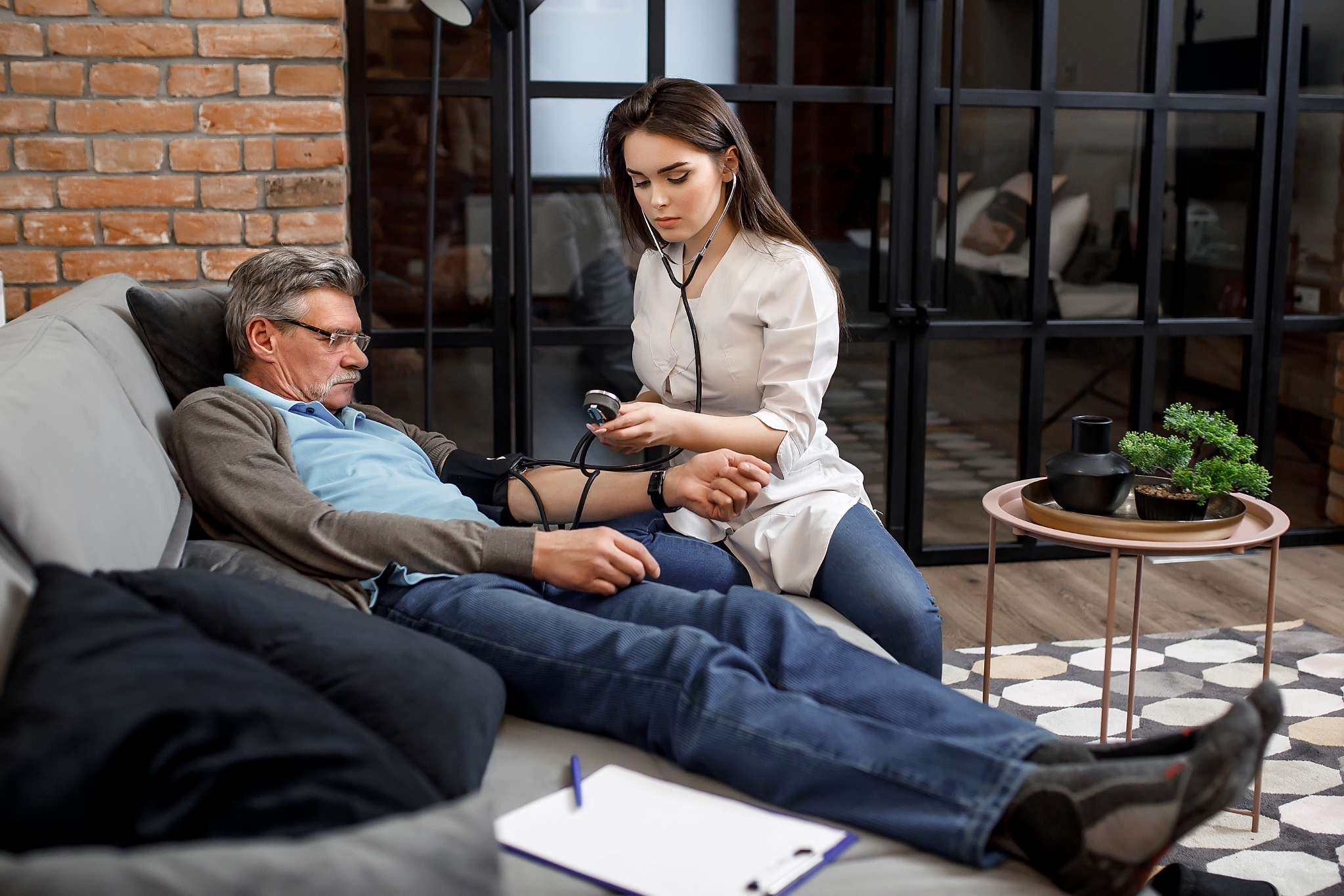
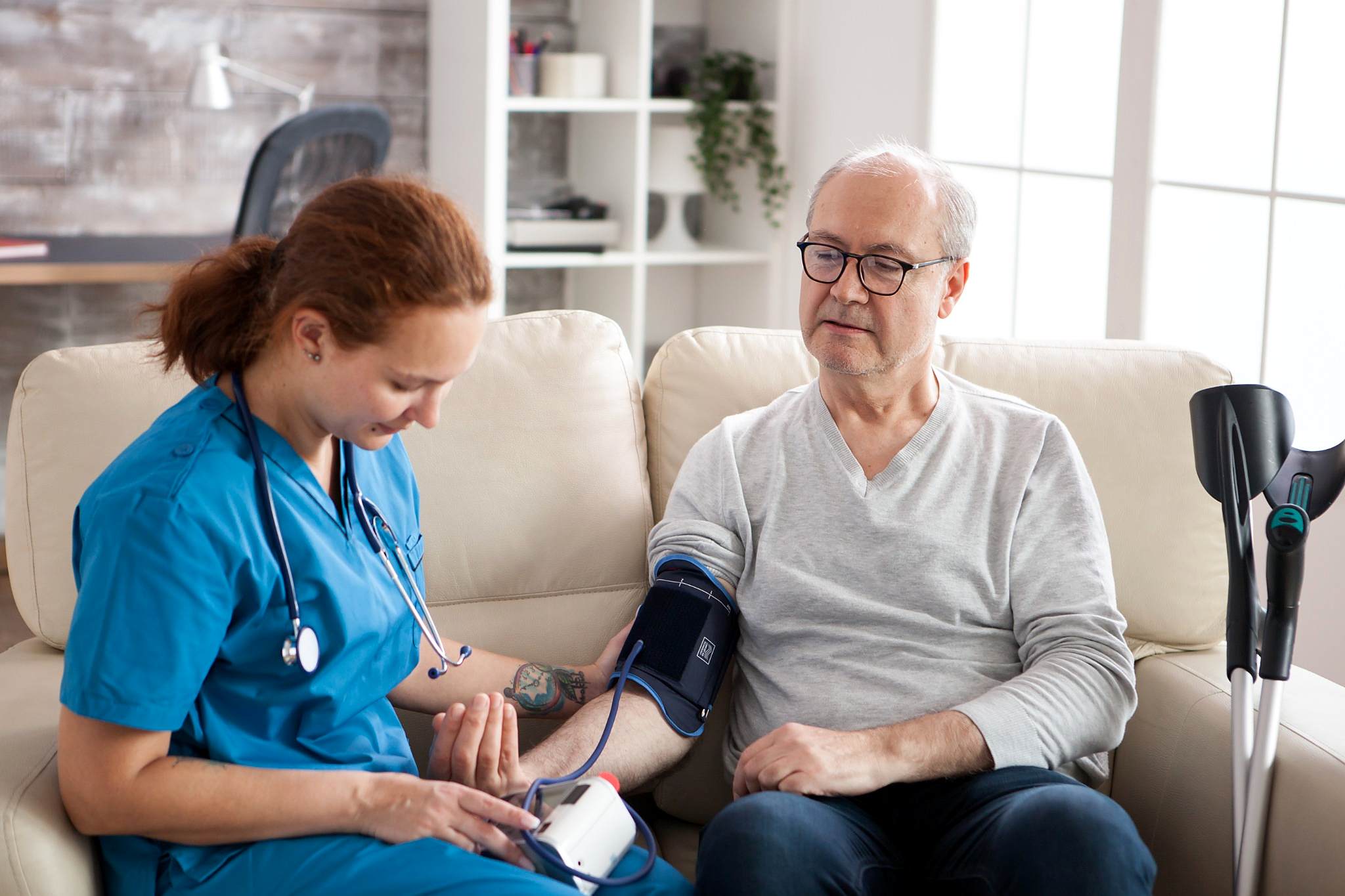
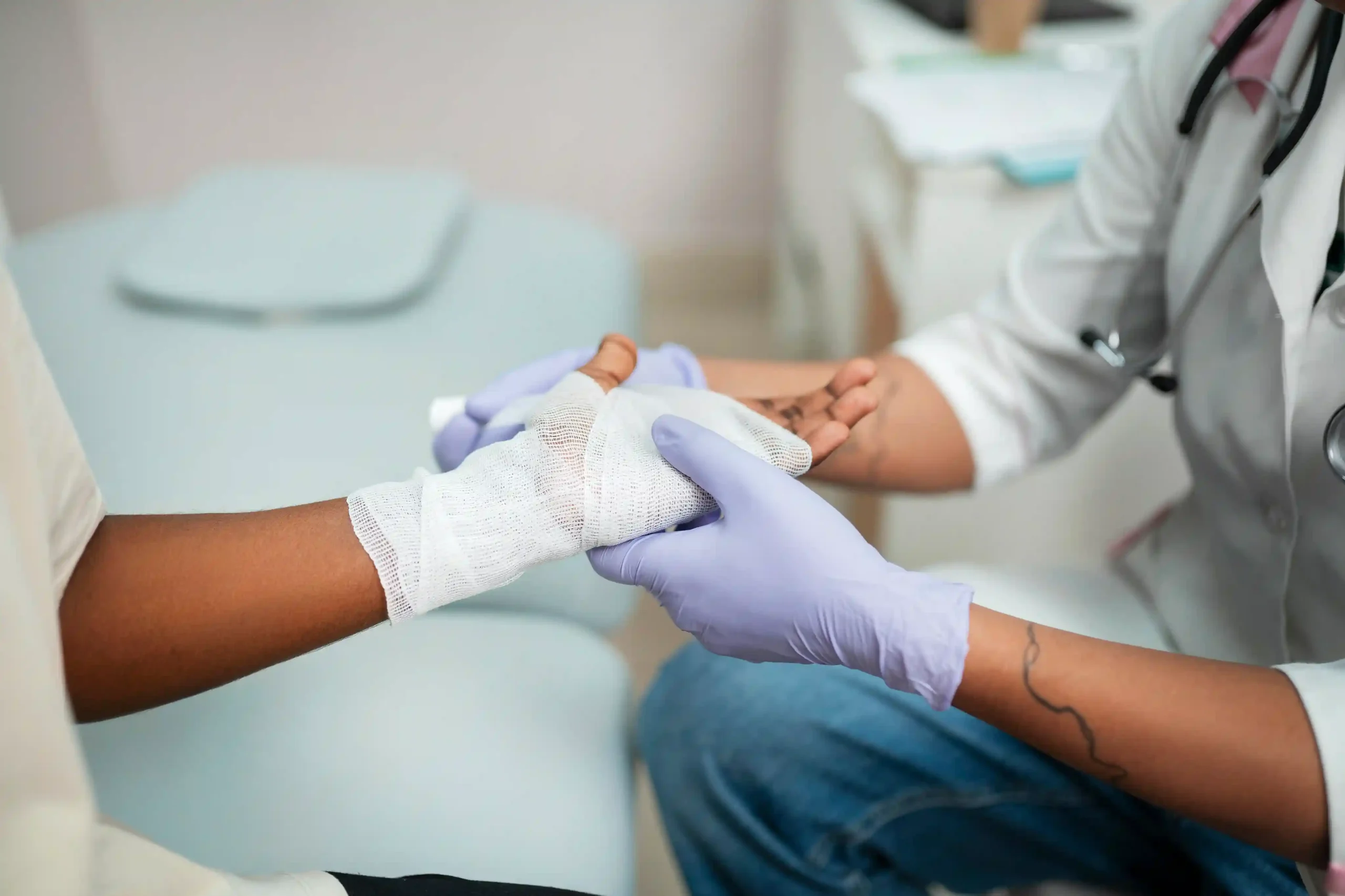
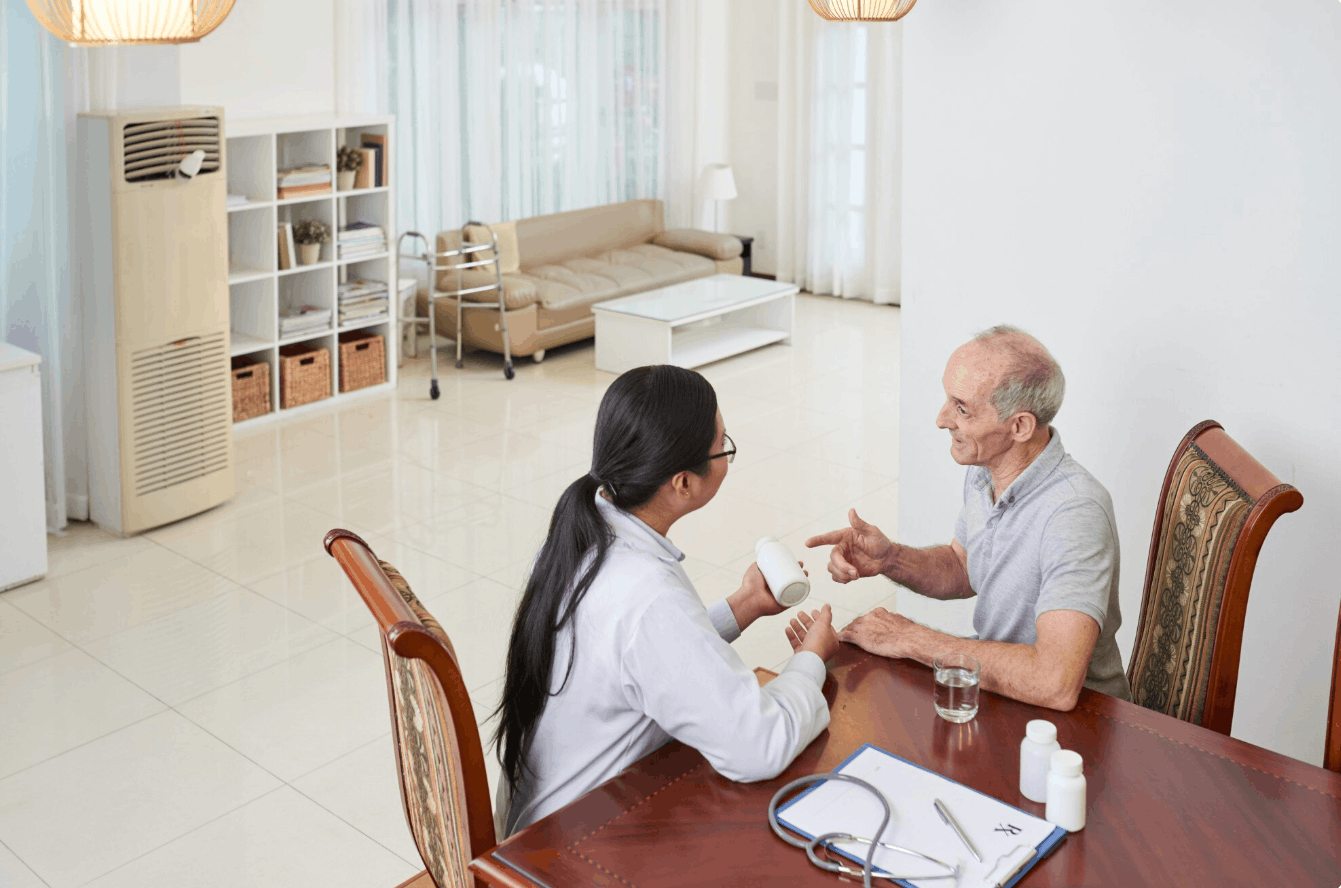
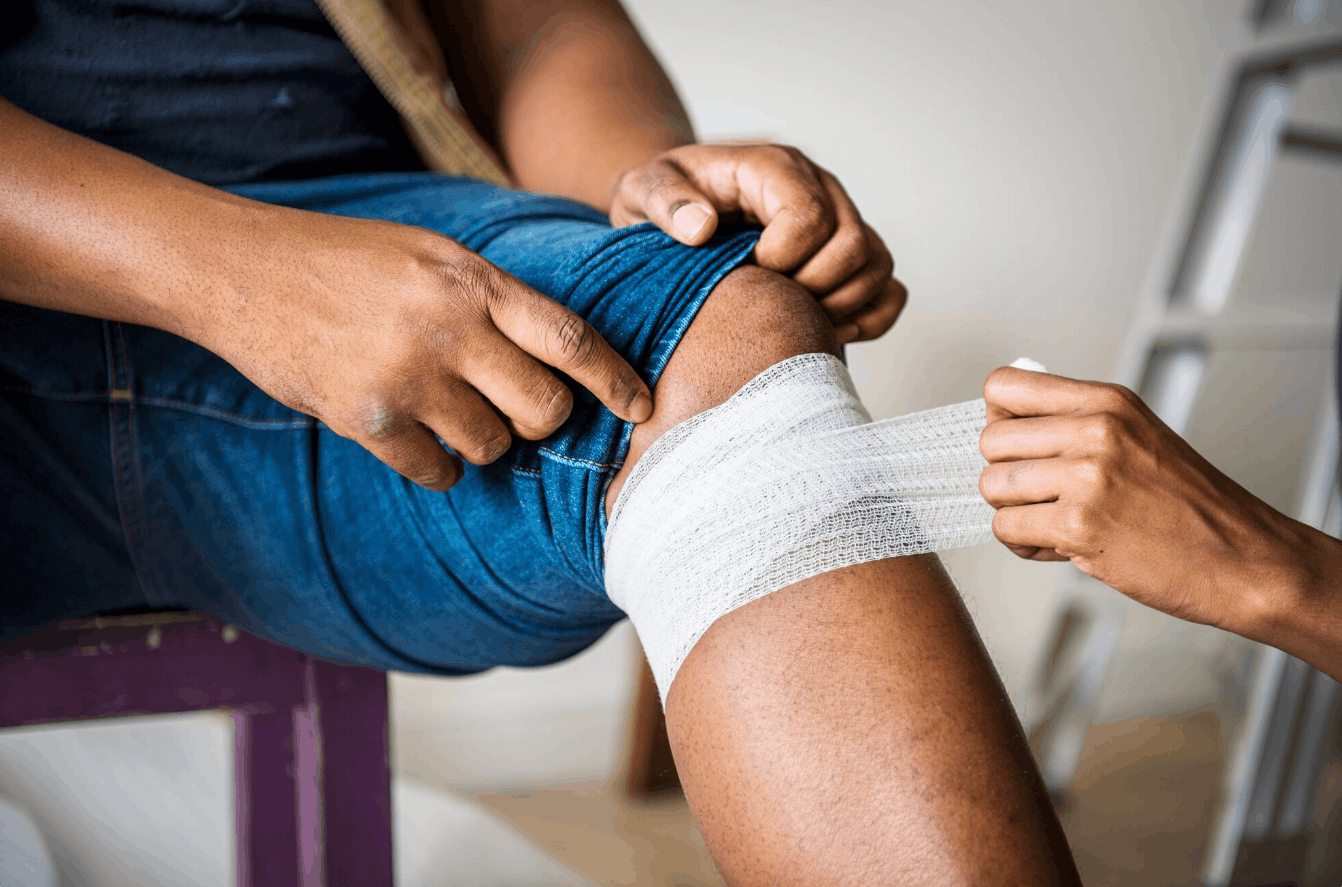
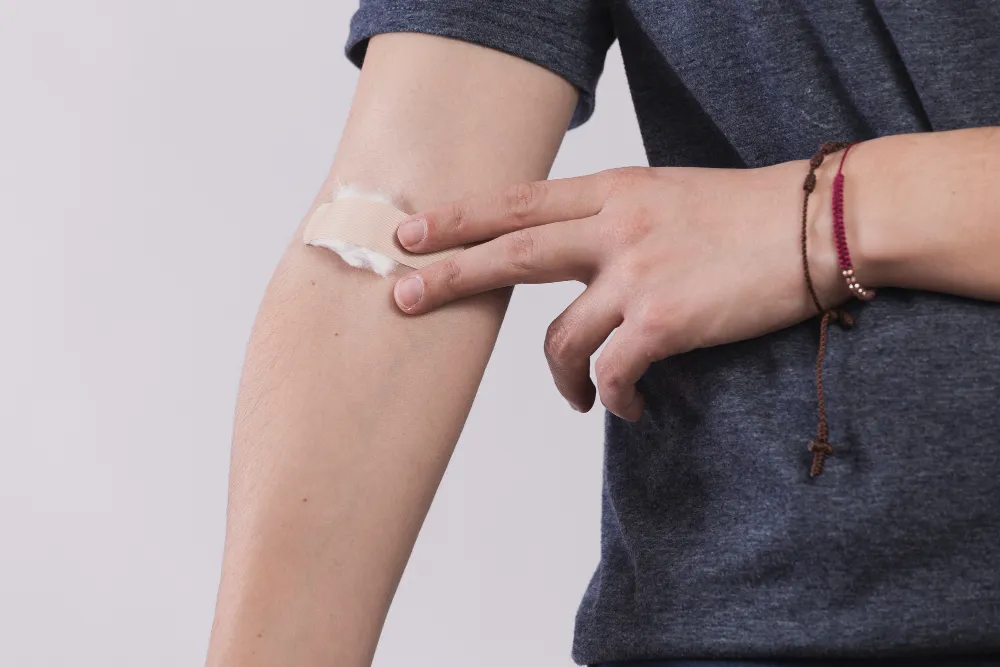
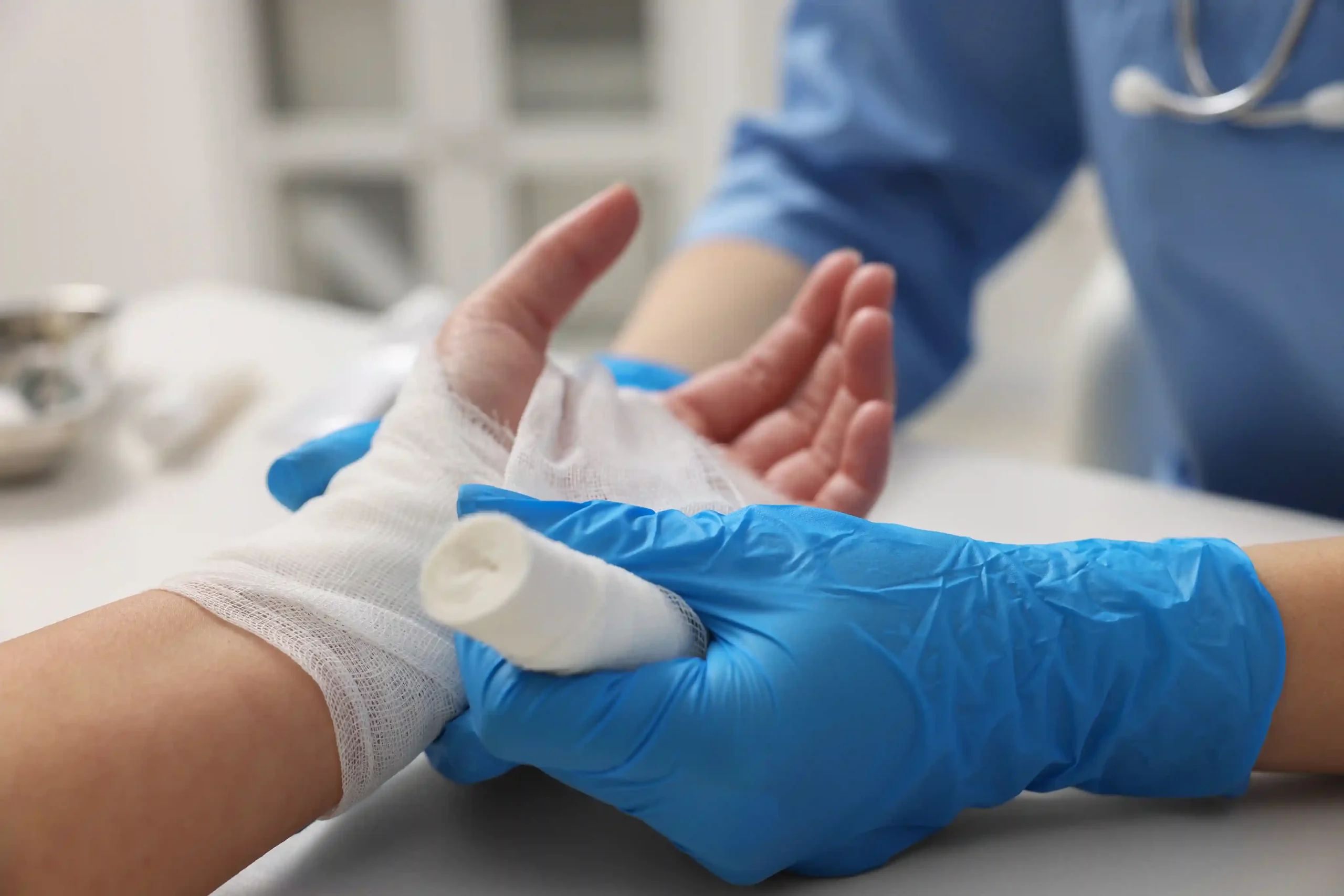
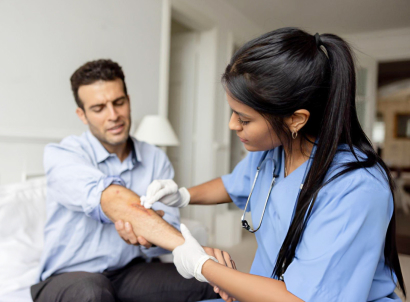
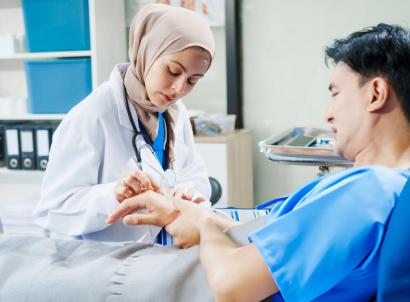
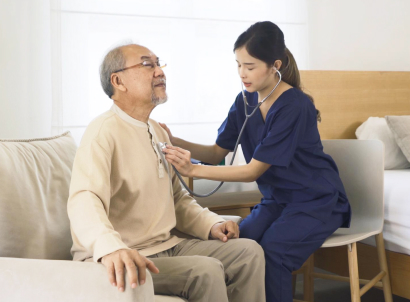
The primary advantage of home nursing services lies in the clinical expertise brought directly to your doorstep. Unlike general caregiving, qualified nurses in Malaysia must be registered with the Malaysian Nursing Board to perform clinical tasks. They can administer injections, change complex wound dressings, monitor vital signs, and manage medication schedules. This level of professional healthcare ensures that patients receive hospital-quality treatment while remaining in a familiar and comfortable environment.
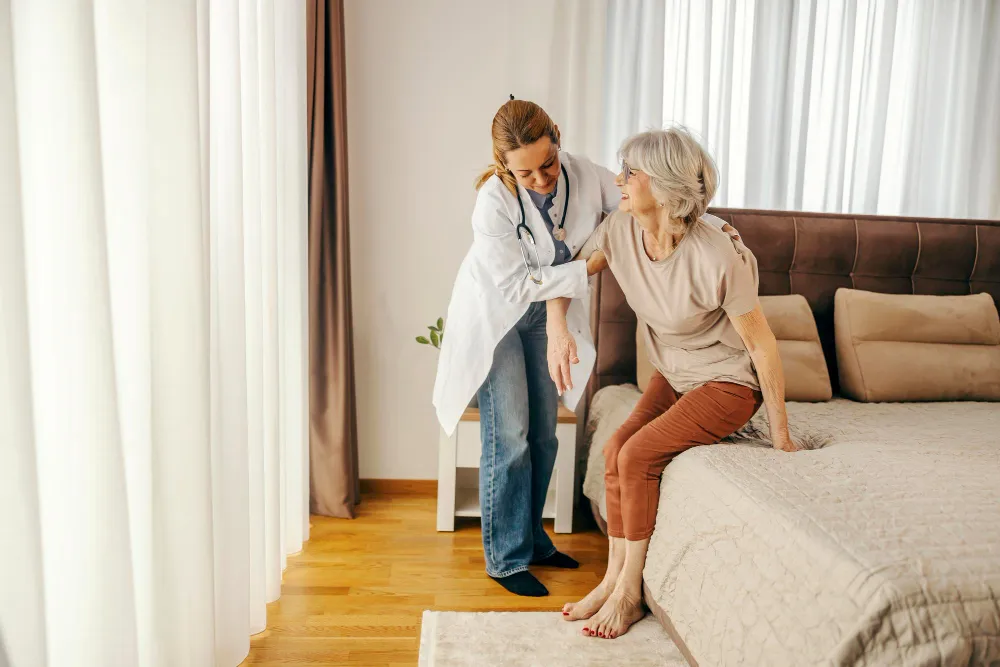
Home nurses are trained to handle complex medical tasks that require professional certification and clinical knowledge. They perform procedures such as:
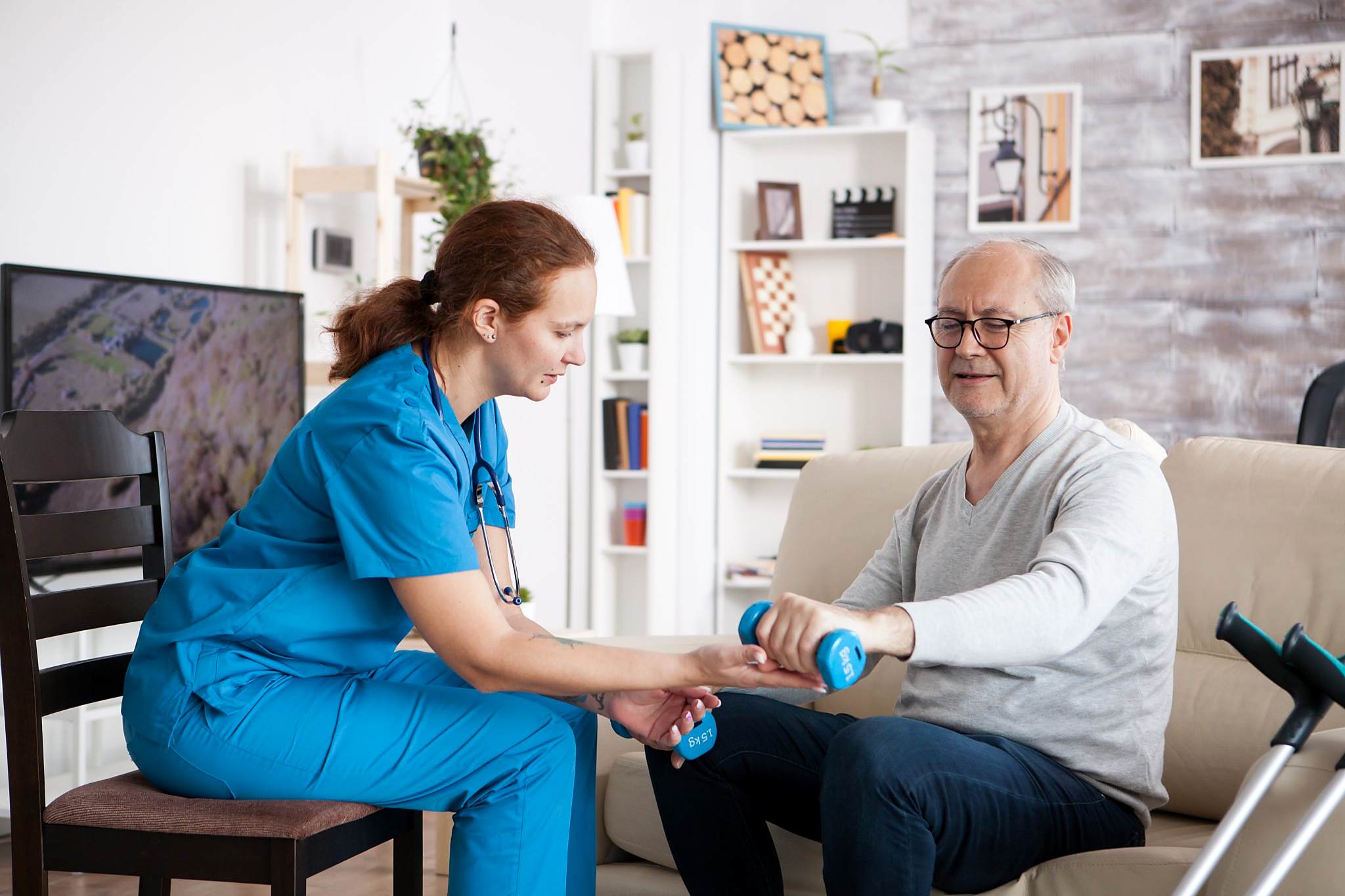
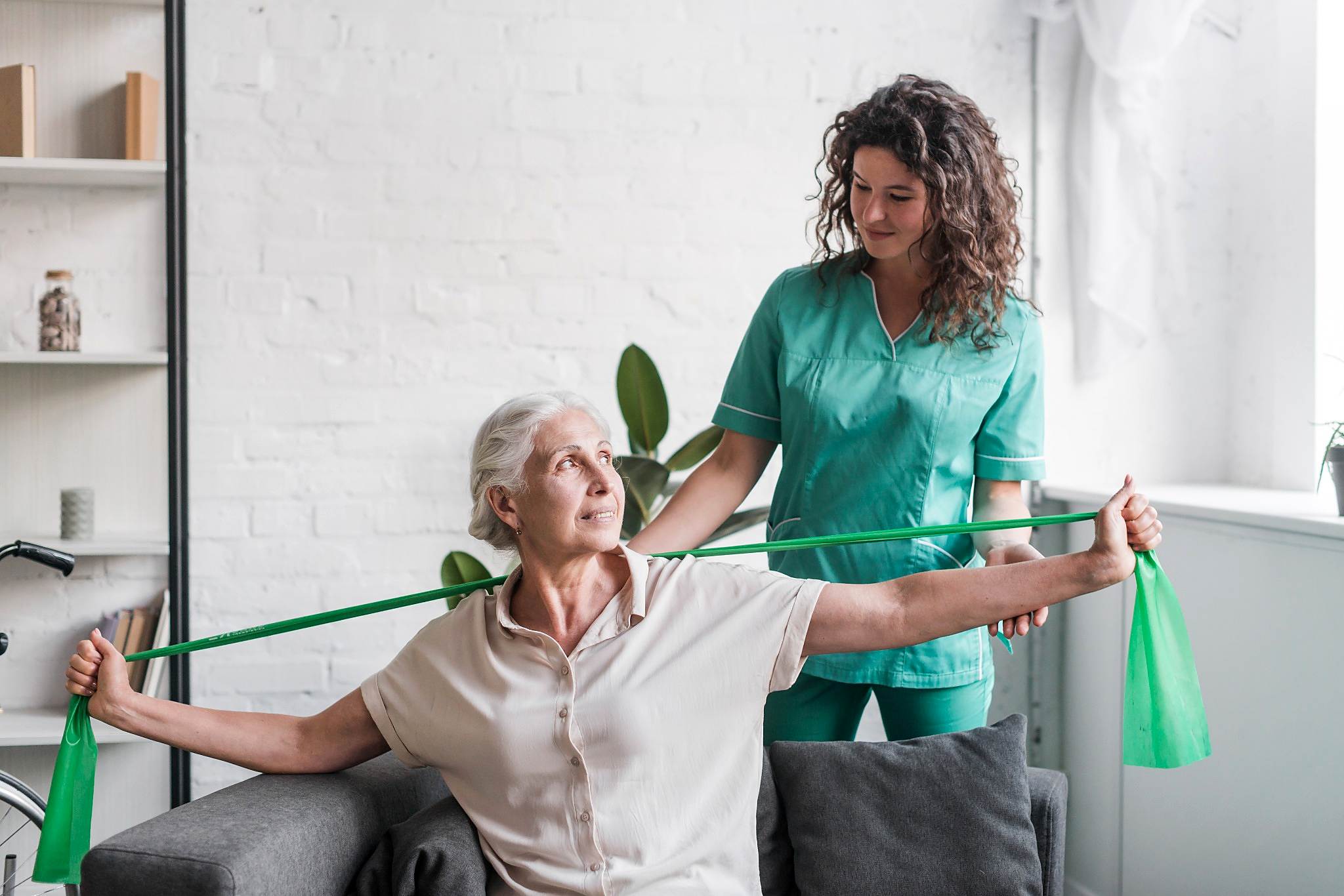
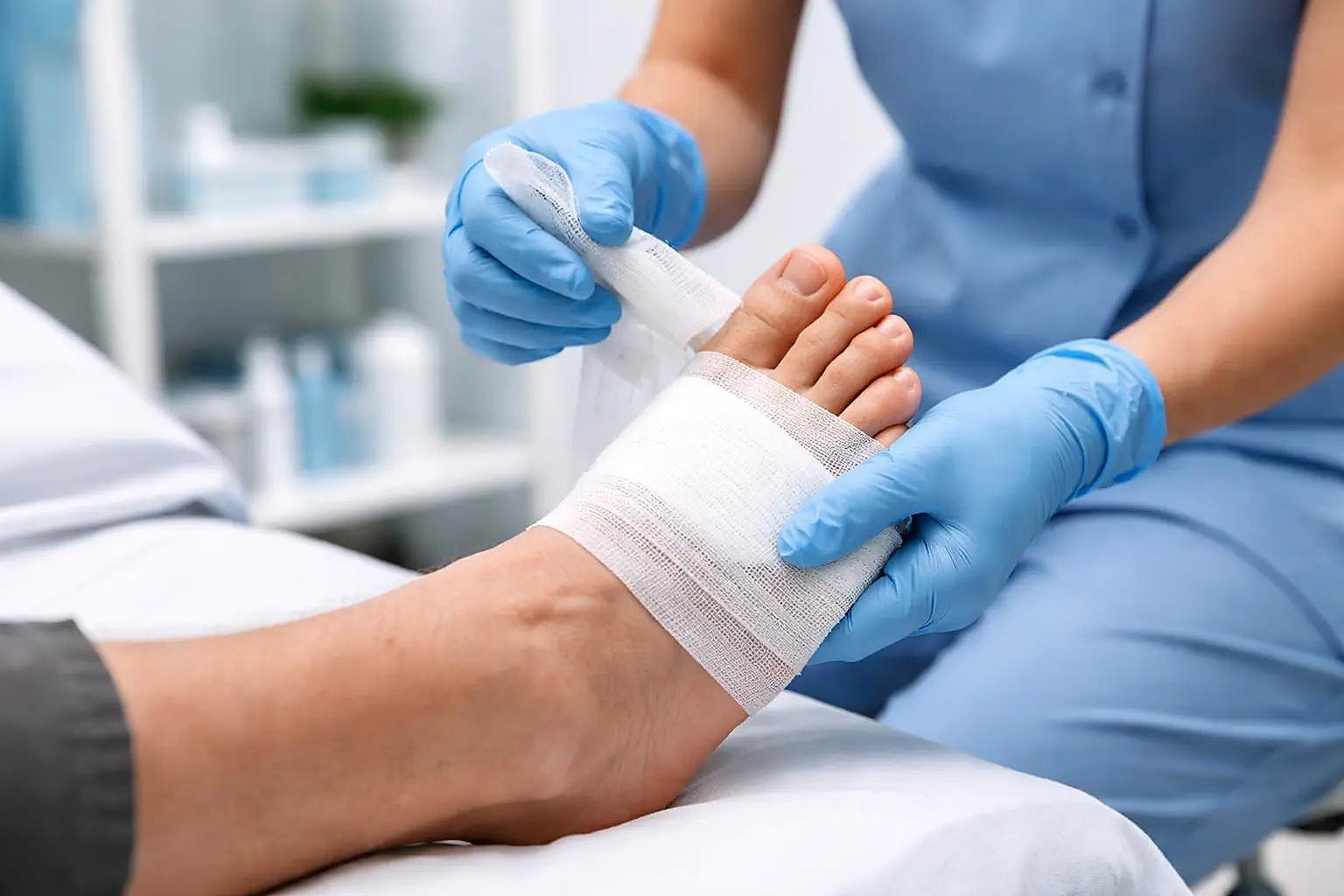
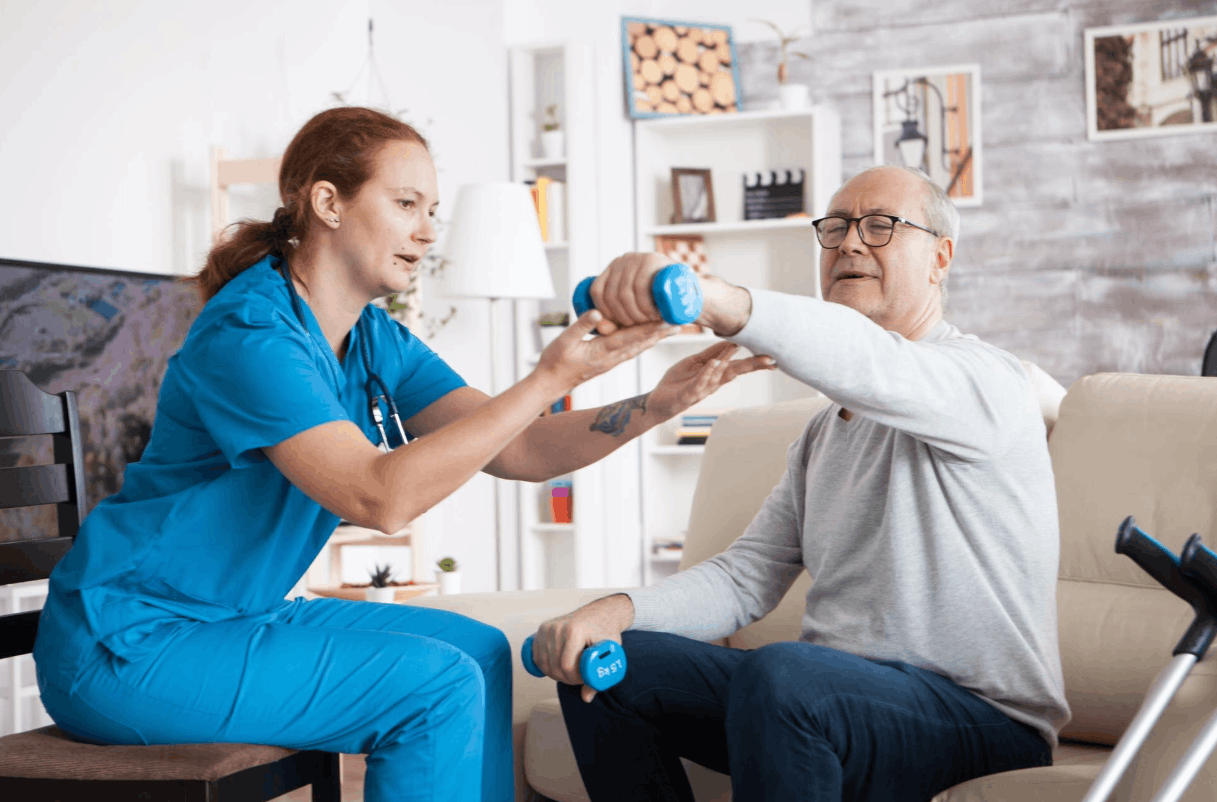
Additionally, home nursing services provide wound care management, pain assessment, diabetes management (including insulin administration), and rehabilitation exercises. Proper home-based healthcare can significantly improve patient outcomes while reducing hospital readmission rates, ensuring continuity of medical supervision in familiar surroundings.
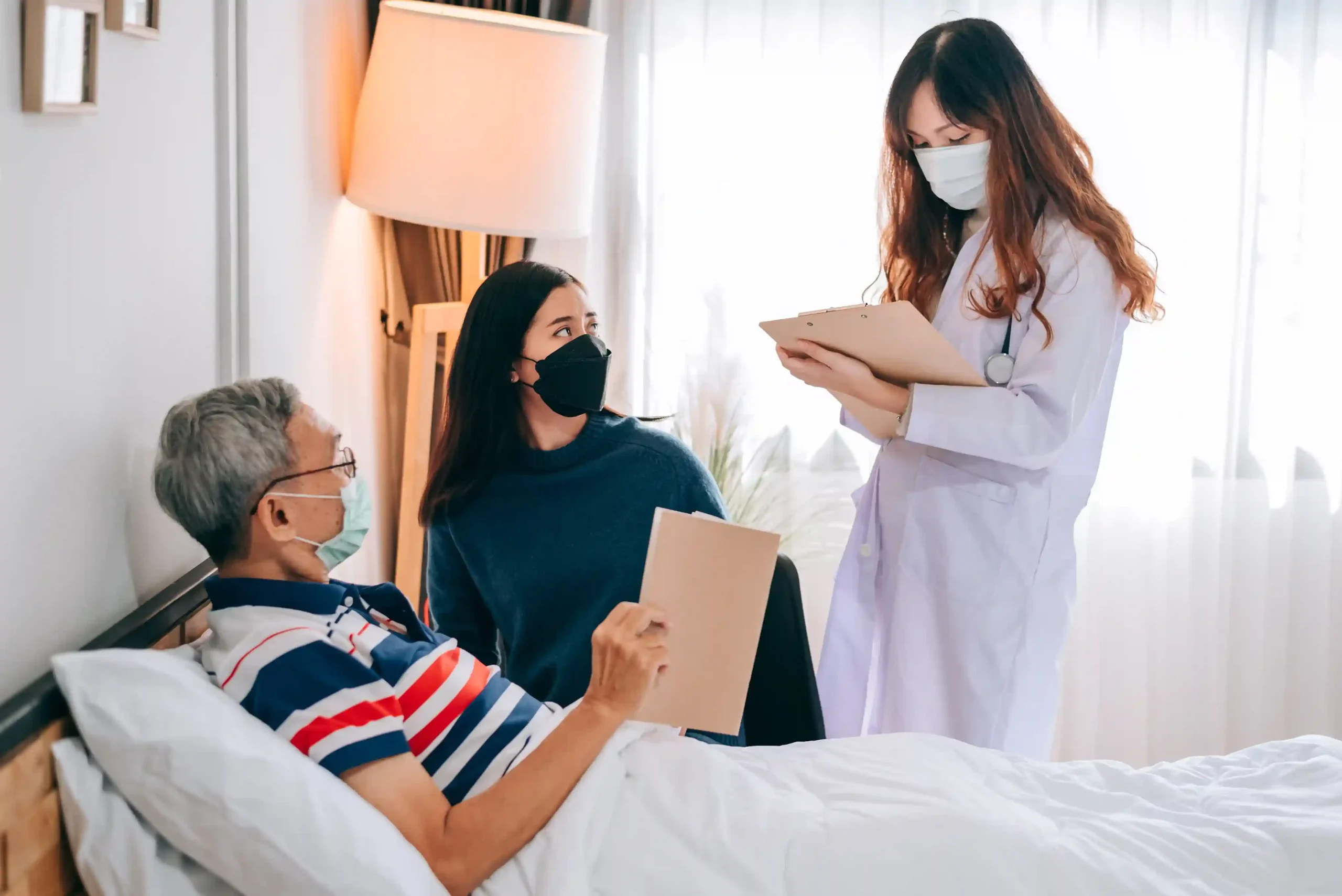
Home nursing services become necessary when your loved one requires medical attention beyond basic assistance with daily activities. Patients recovering from major surgeries, those with chronic conditions like heart disease, or individuals requiring palliative care are ideal candidates.
Consider home nursing services if your family member needs regular health monitoring or specialised treatments that only qualified nurses can administer. The expertise provided ensures safety, adherence to medical protocols, and peace of mind for both patients and their families. To learn more about our professional team, visit our About page.
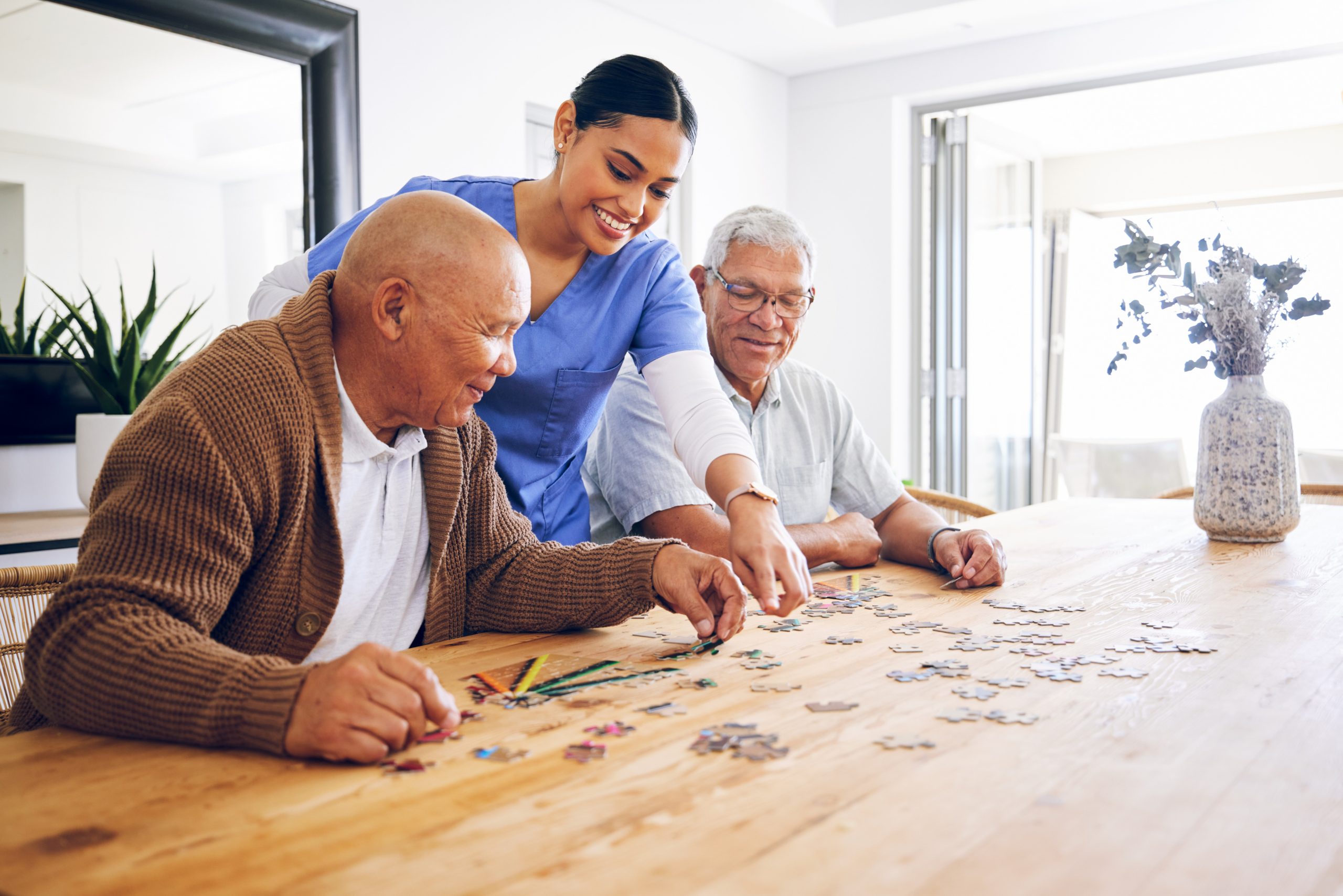
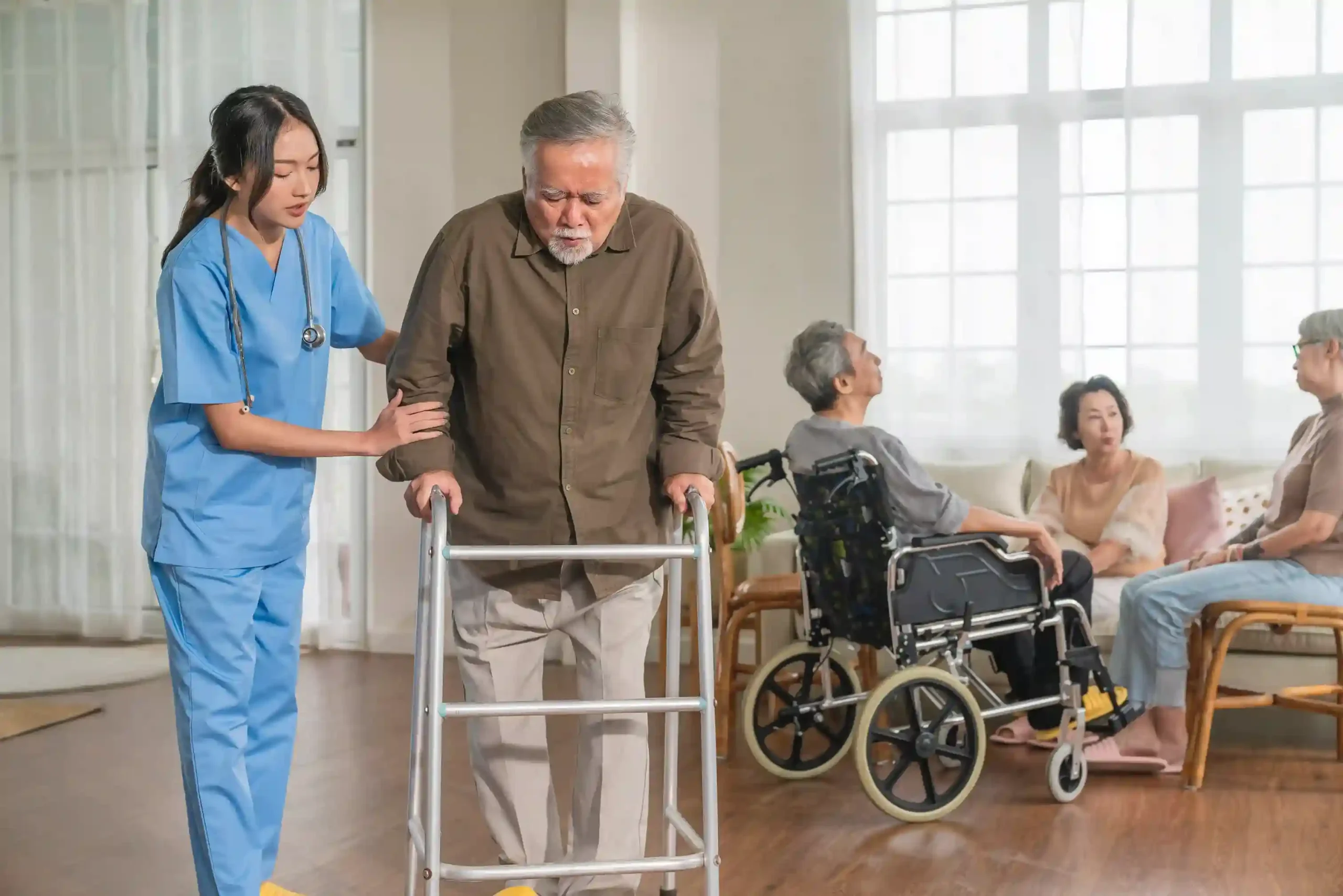
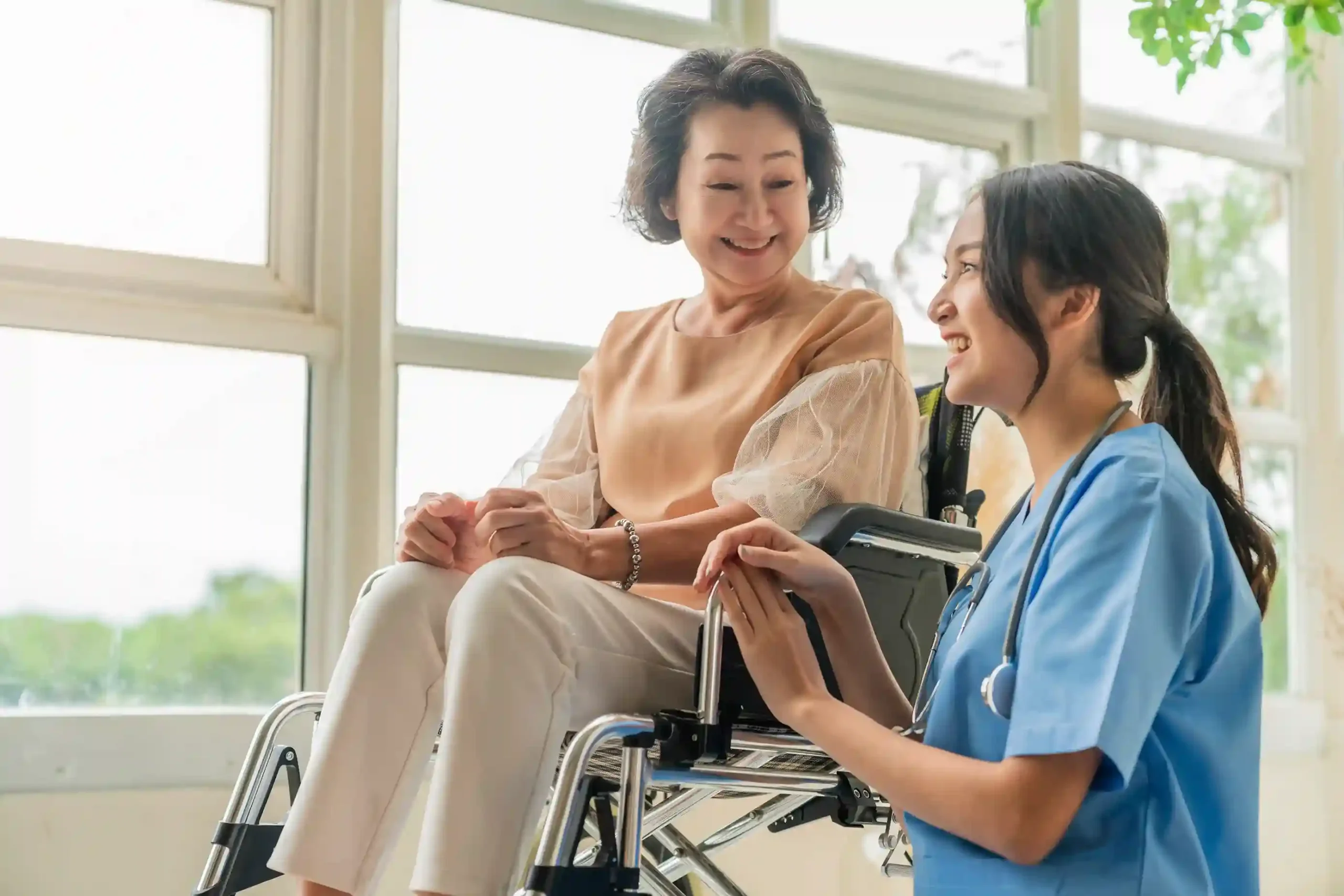
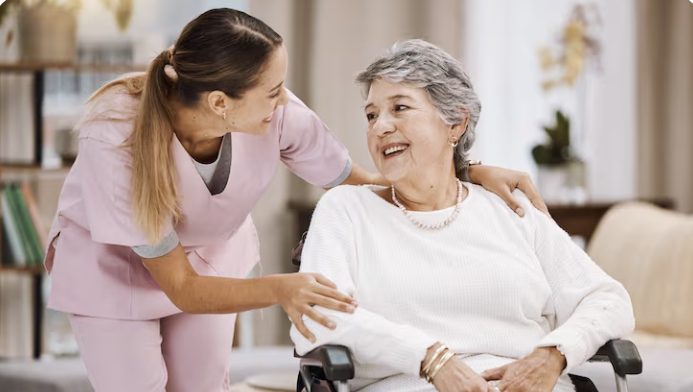
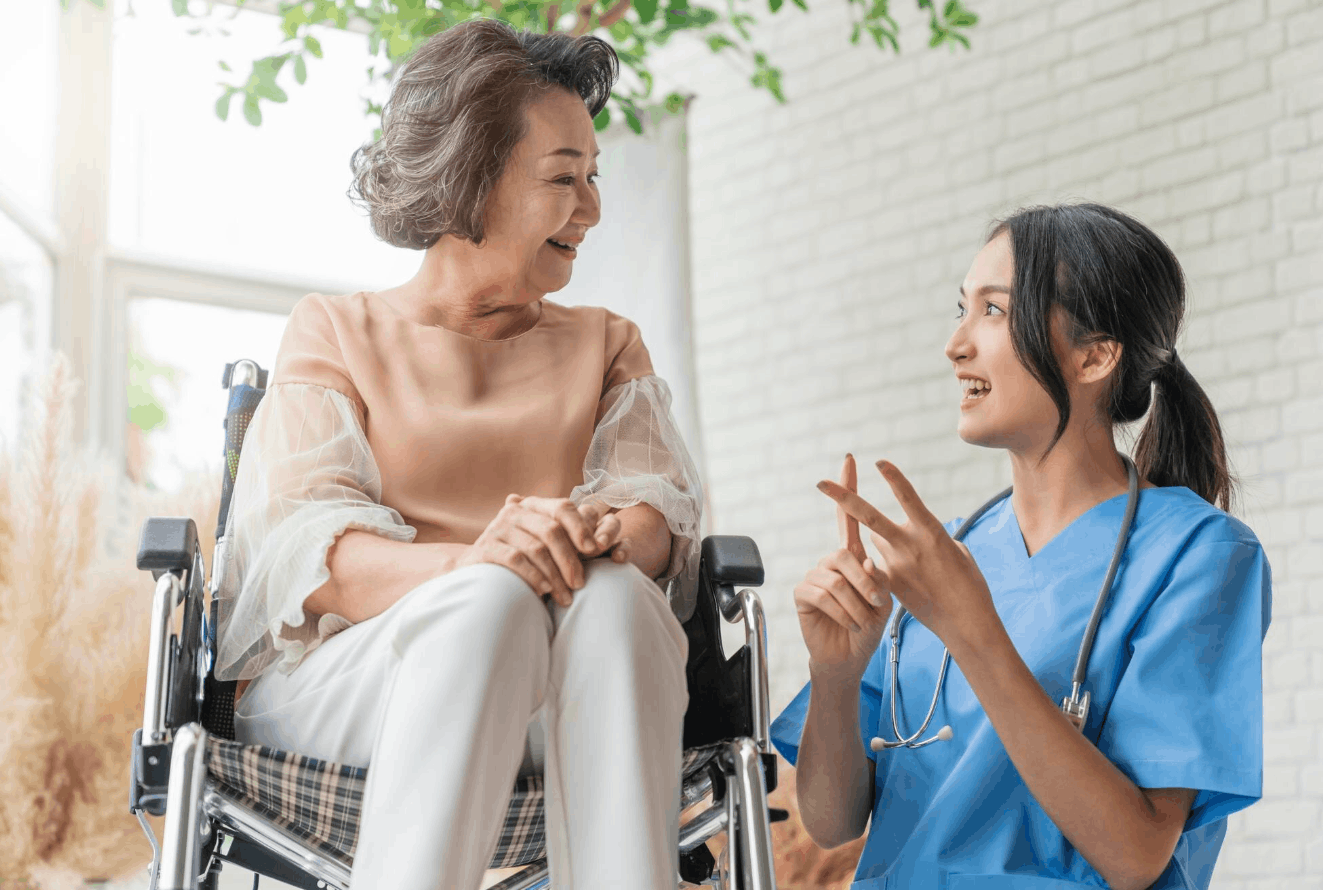
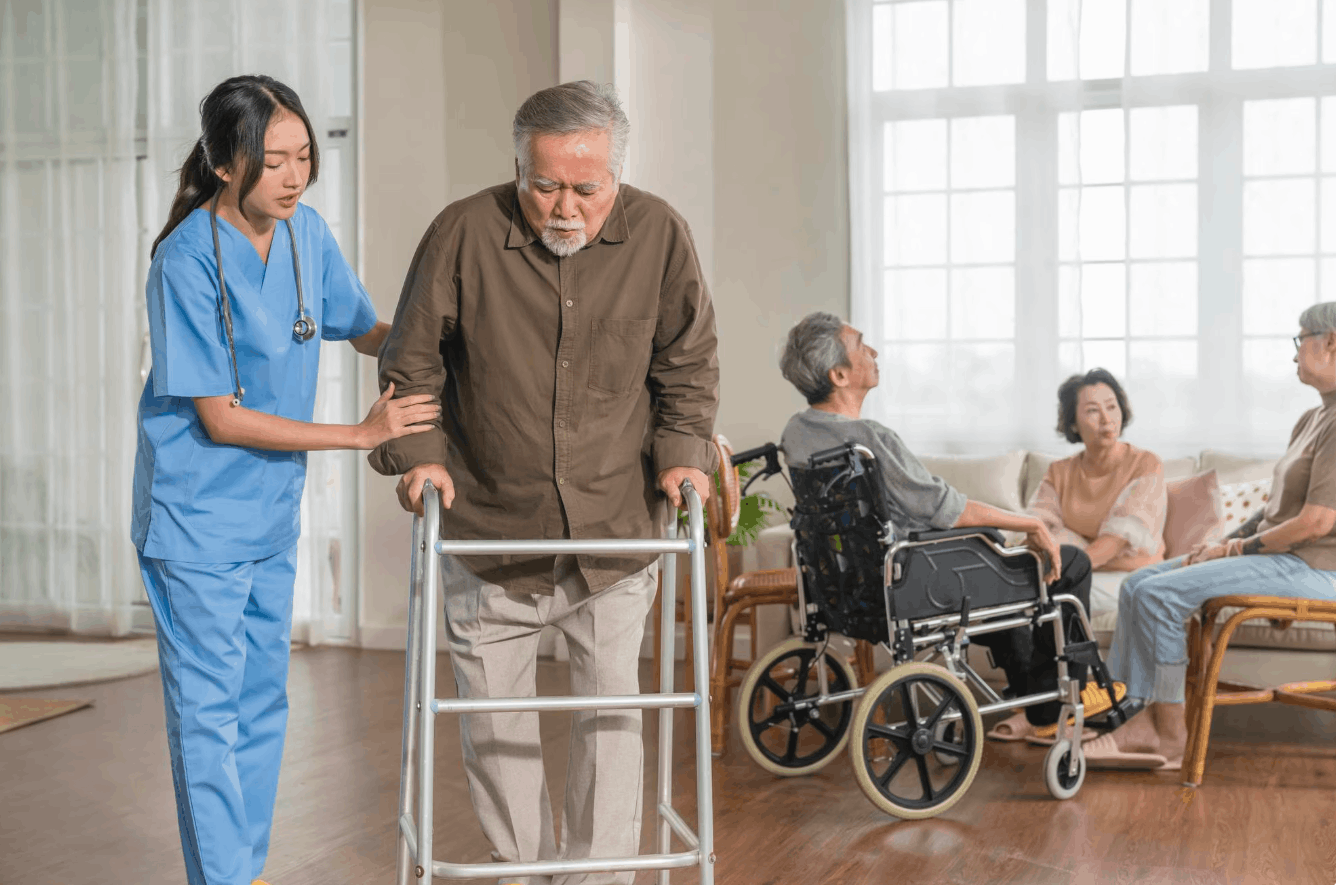
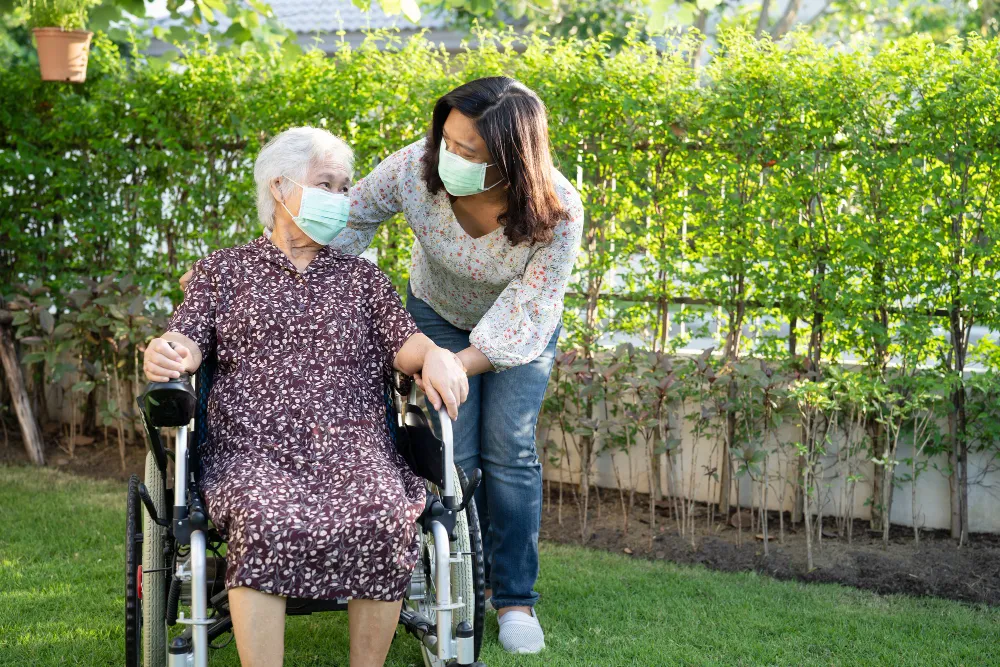
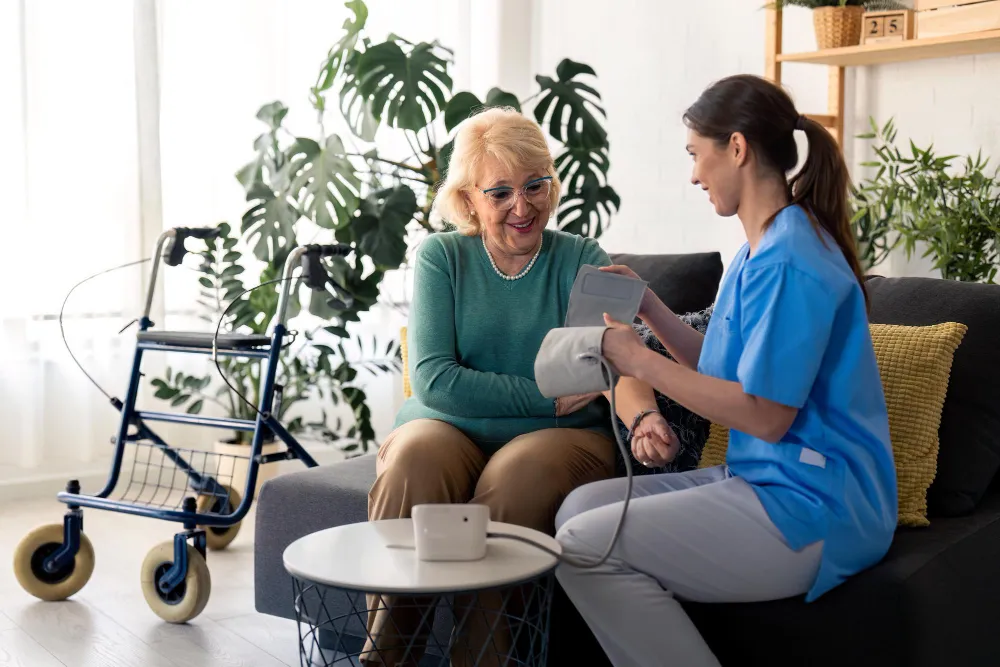
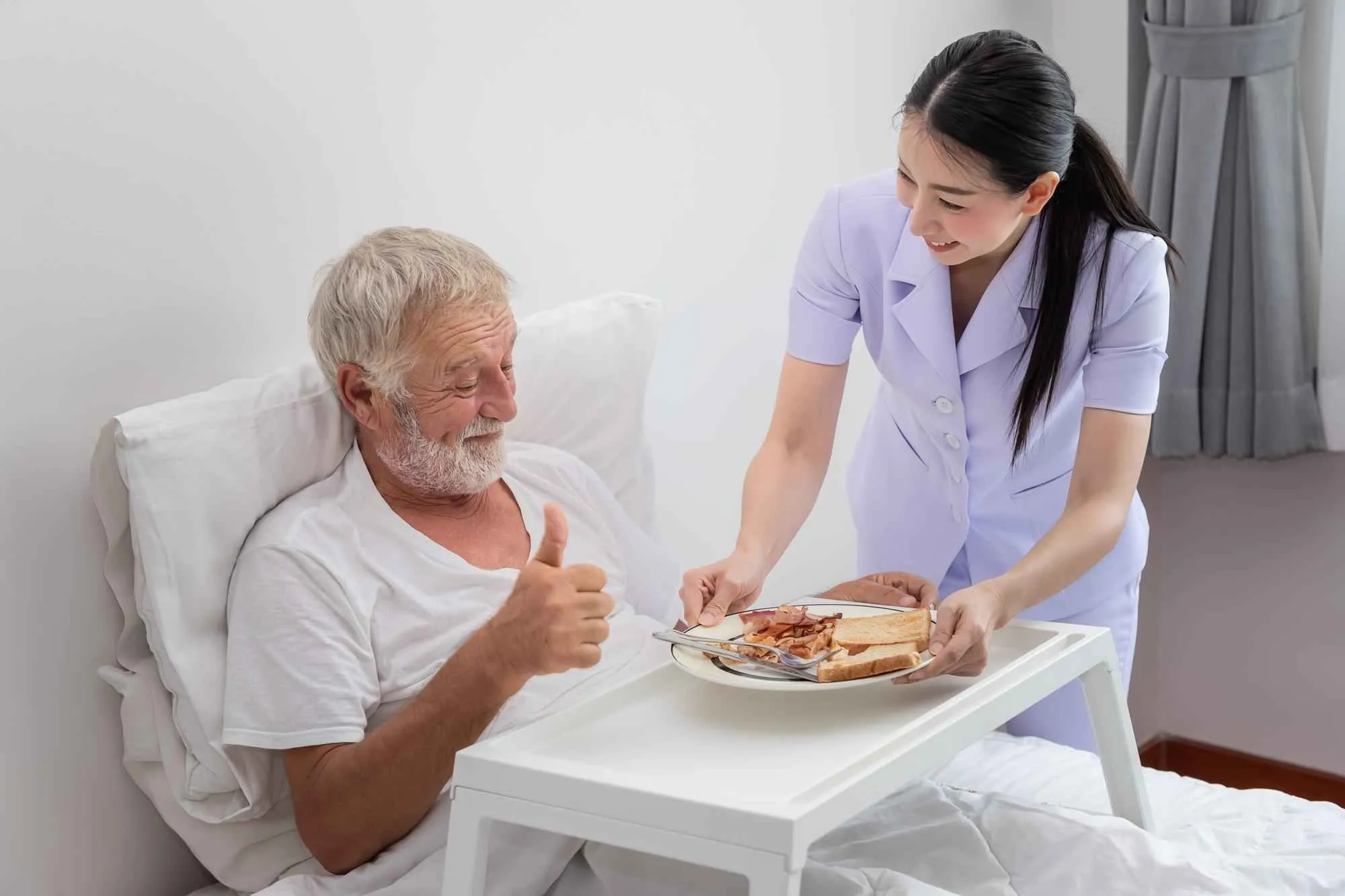
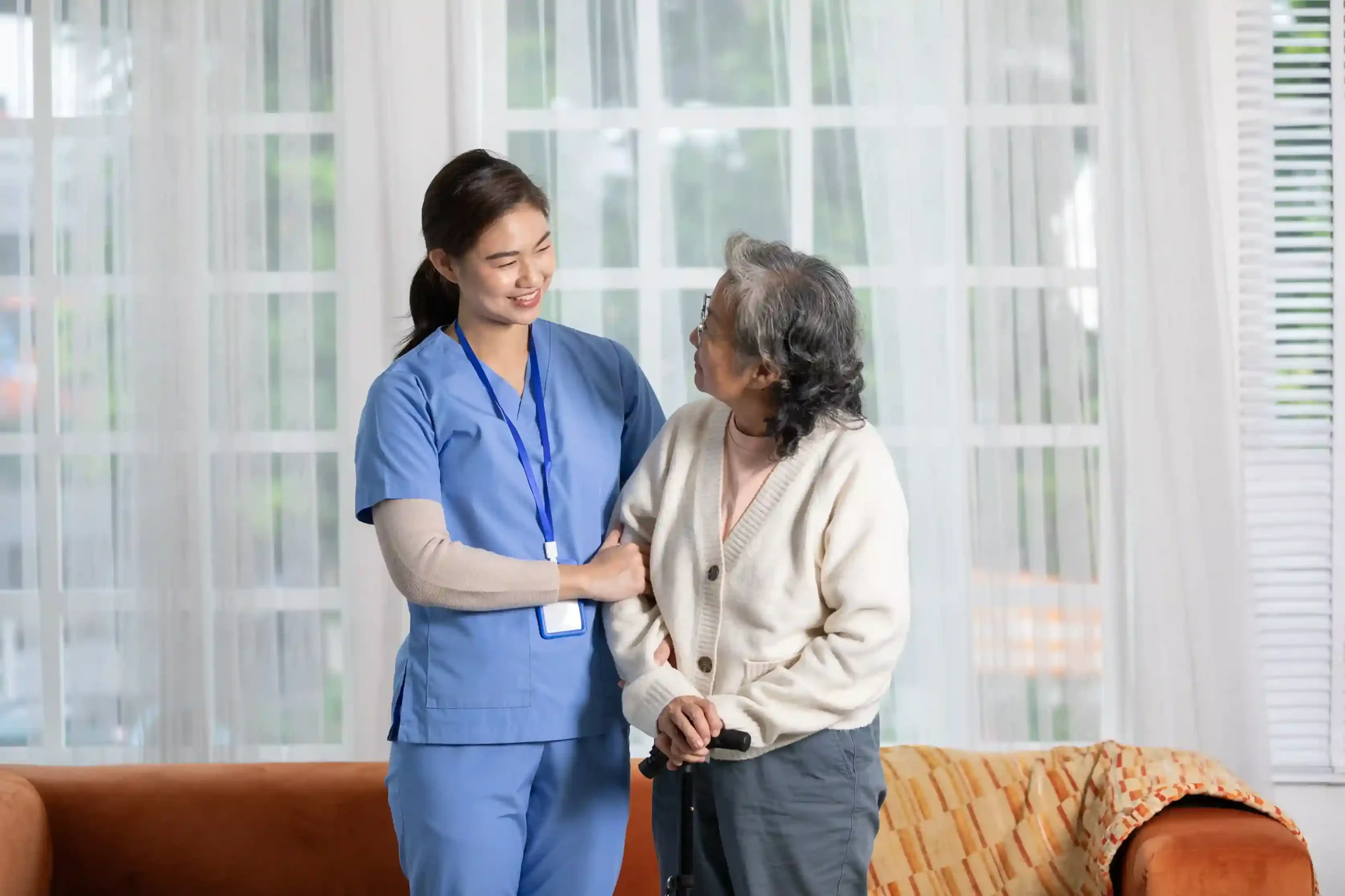
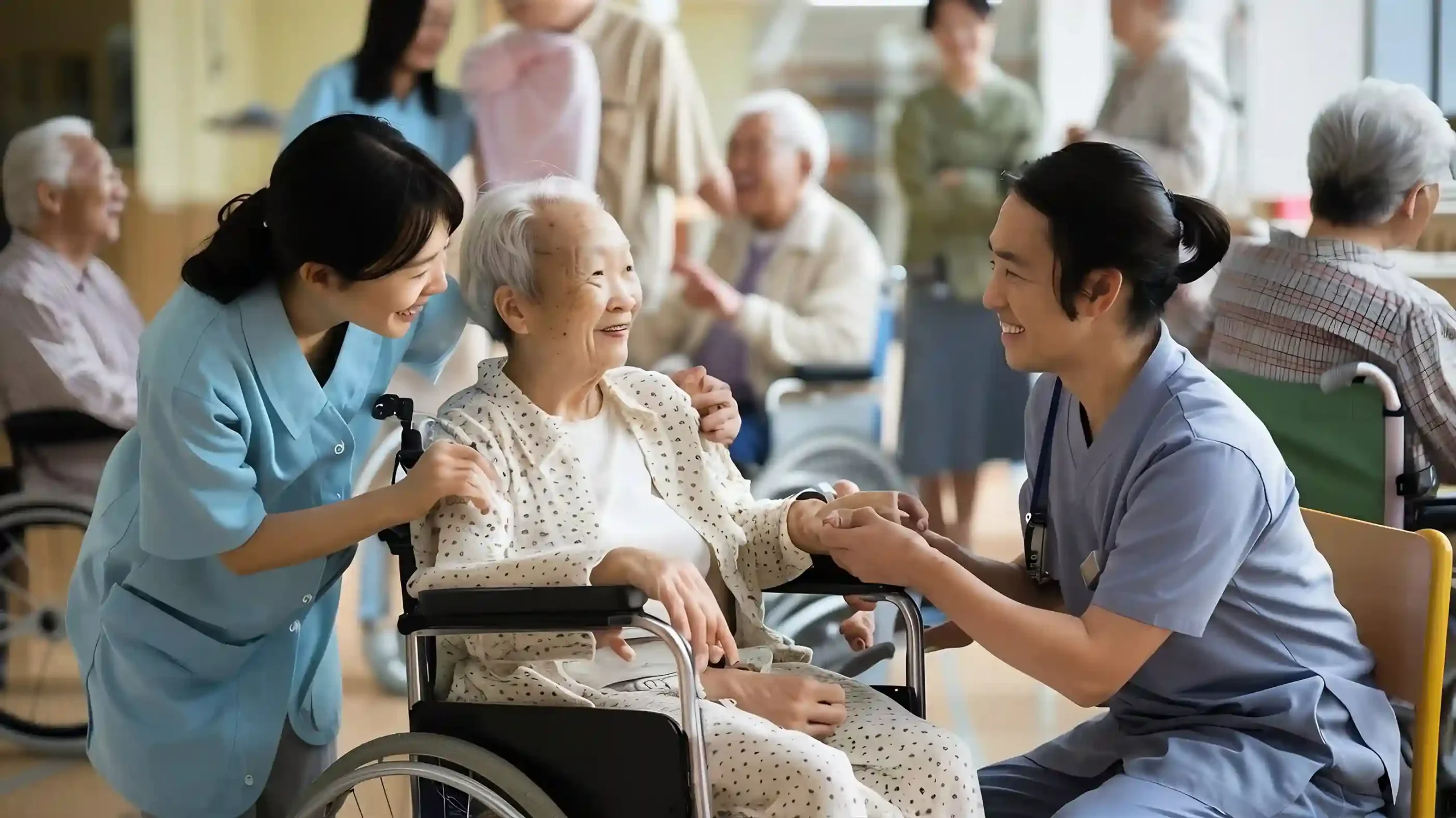
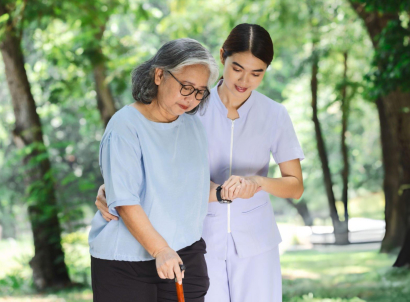
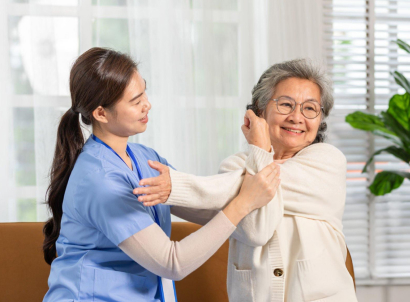
Home care services, in contrast to home nursing services, focus on assisting individuals with activities of daily living (ADL) without providing clinical medical treatment. Care assistants or caregivers help with bathing, dressing, meal preparation, light housekeeping, and companionship. These services support elderly individuals or those with disabilities who need help maintaining independence at home.
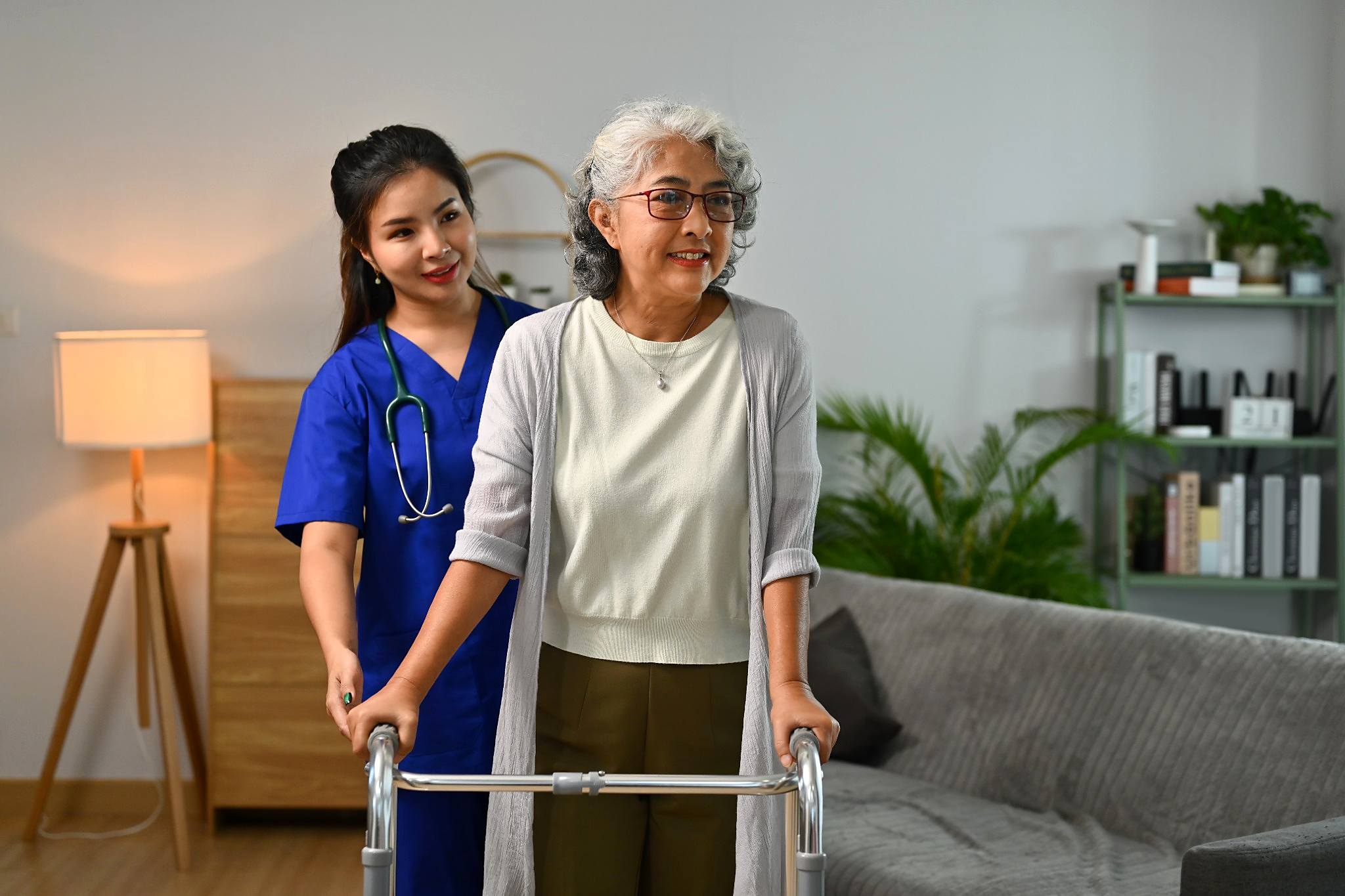
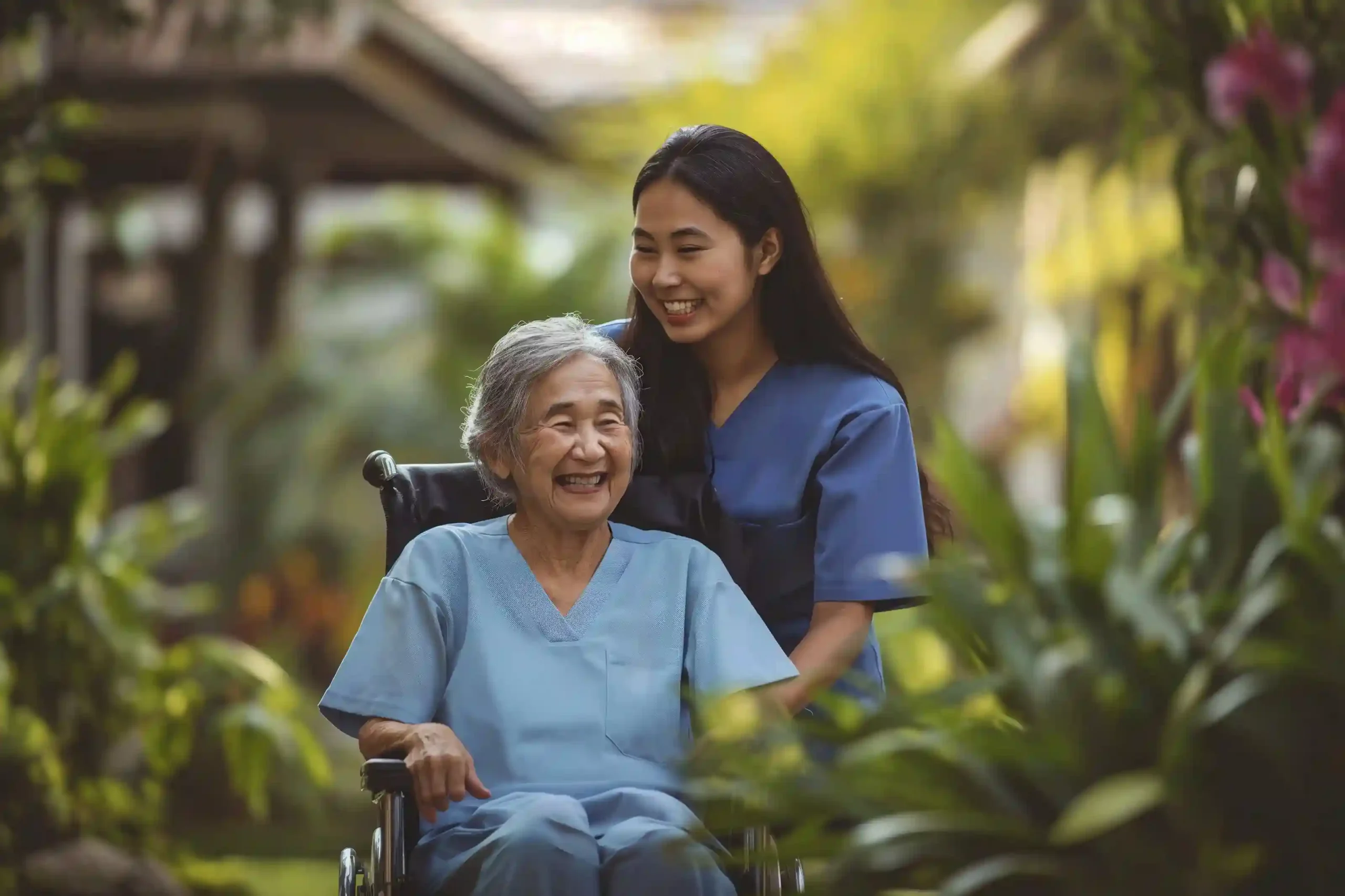
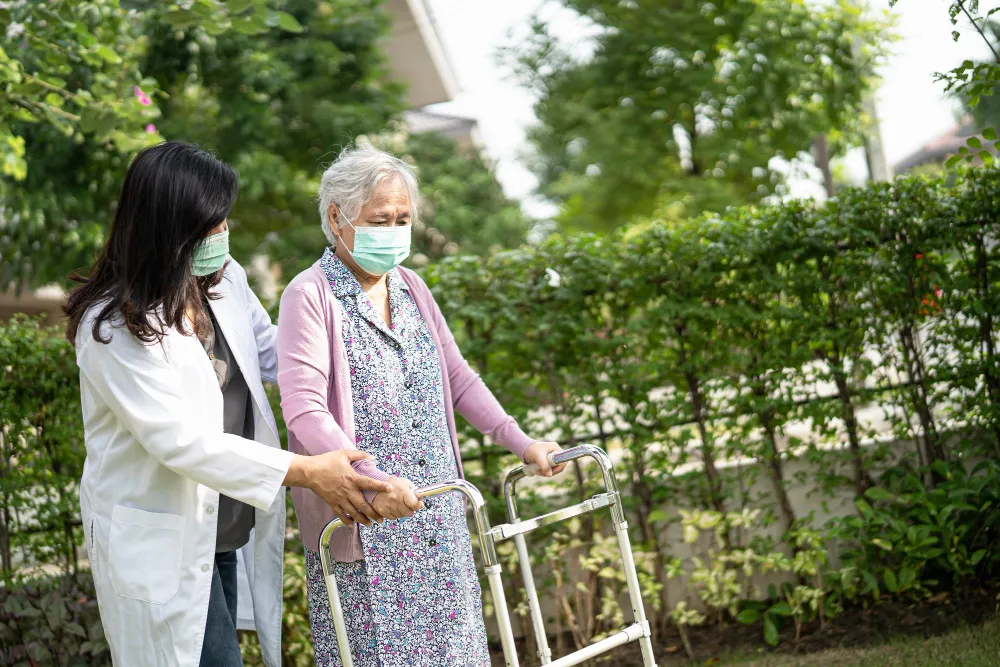
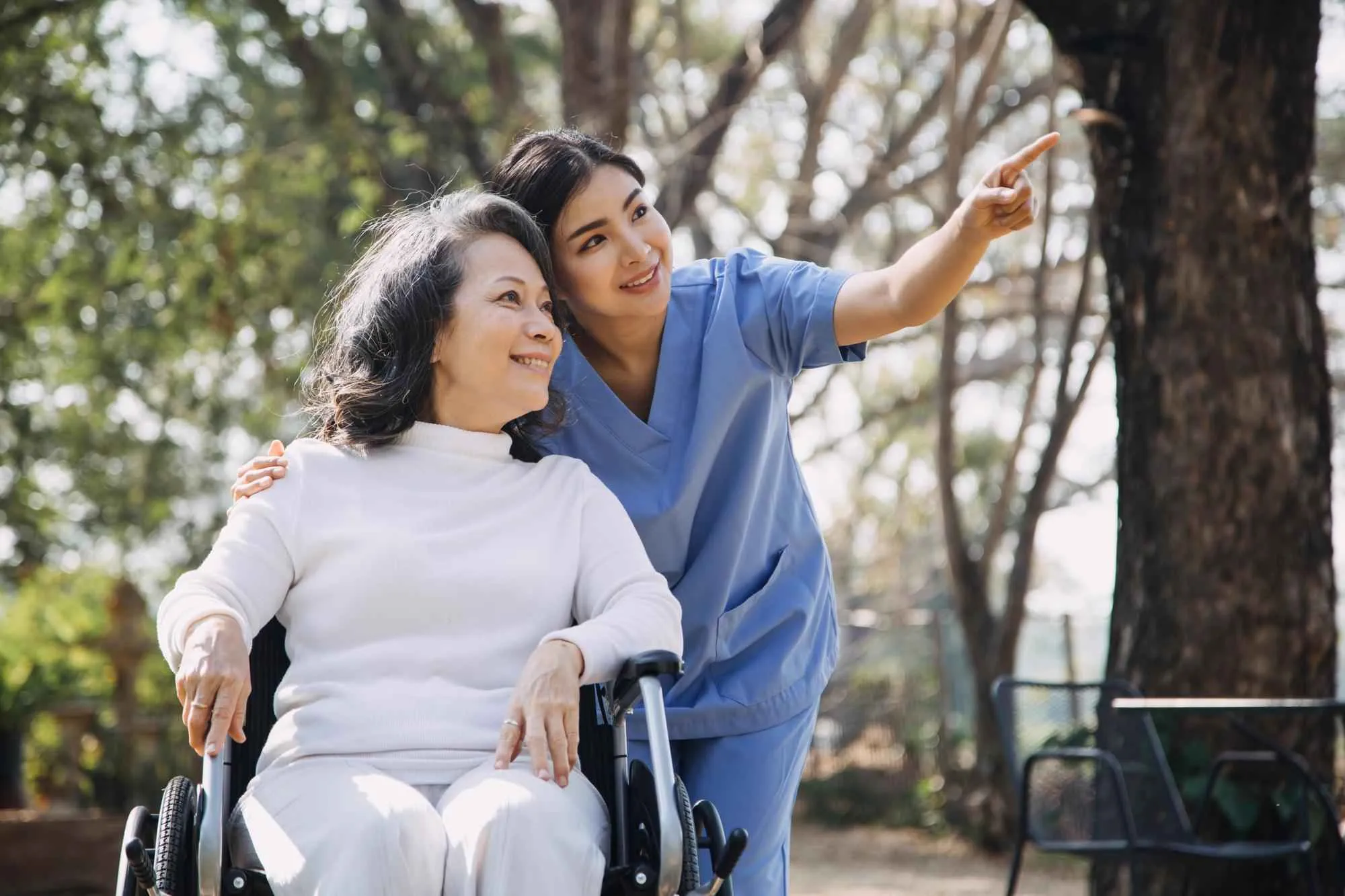
The emphasis in home care is on enhancing quality of life through practical support rather than medical intervention. Caregivers provide emotional support, assist with mobility around the house, ensure proper nutrition, and offer companionship to reduce feelings of isolation.
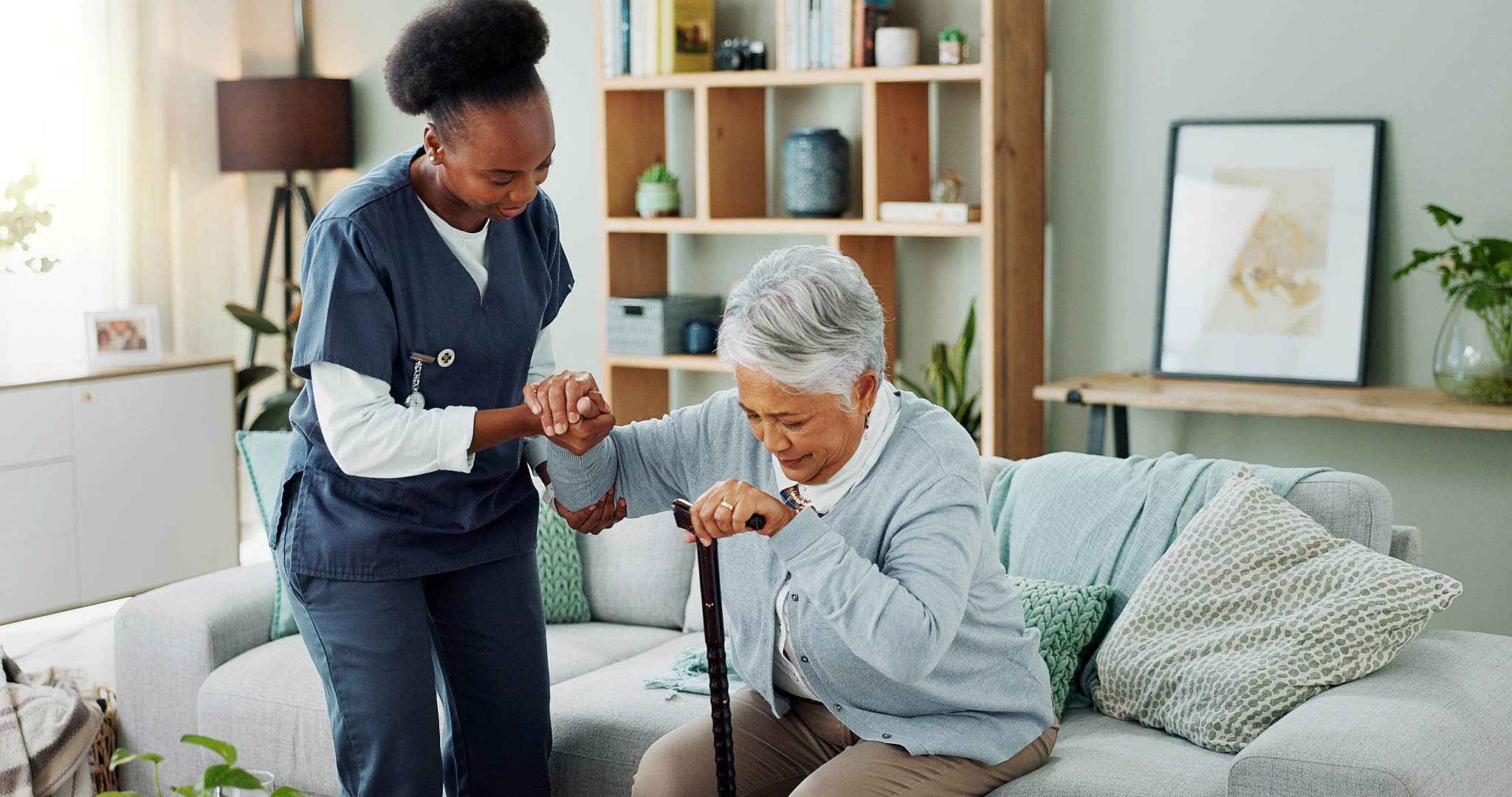
Home care professionals help with personal hygiene tasks such as bathing, grooming, and toileting. They assist with meal planning and preparation, ensuring dietary needs are met. Light housekeeping duties, including laundry and maintaining a clean living environment, also fall within their scope.
Transportation to medical appointments, grocery shopping, and medication reminders are additional services provided by home care assistants. These practical supports enable individuals to maintain dignity and independence while receiving the help they need to live comfortably. For those looking to begin their journey with us, see our Get Started section.
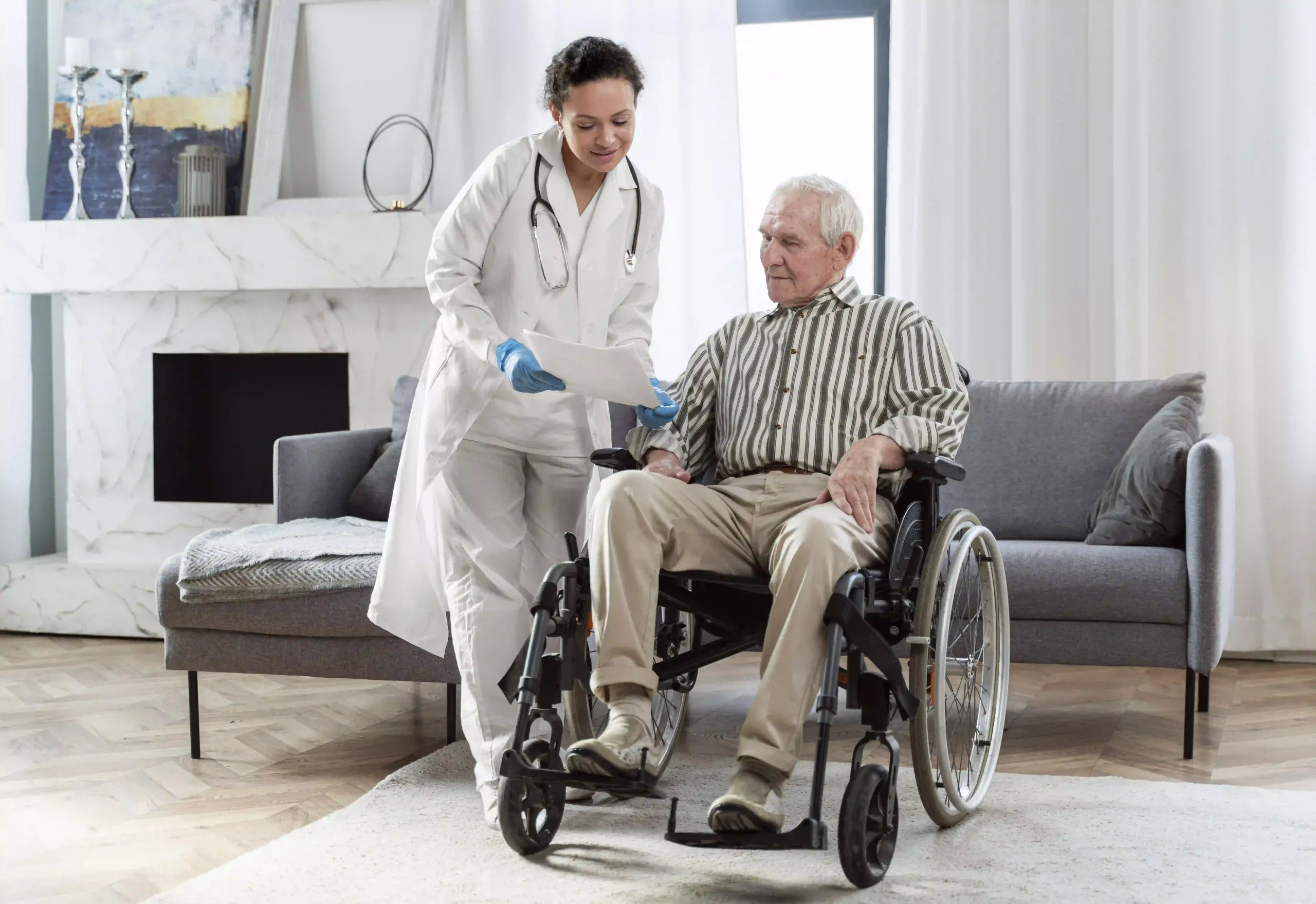
The fundamental distinction between home nursing services and home care lies in the level of medical expertise. Home nursing services require licensed healthcare professionals capable of performing clinical procedures, while home care relies on trained caregivers who assist with non-medical tasks.
Cost differences also exist. Home nursing services typically involve higher fees due to the specialised medical training and professional licensing required of the staff. Home care services are generally more affordable since they involve less complex clinical tasks and do not require a nursing degree.
Home nurses must hold recognised nursing degrees and maintain active professional registration. Many specialise in areas such as geriatric nursing or wound care. Home care workers, while professionally trained in caregiving skills, do not require medical qualifications. Their role centres on practical support, safety protocols, and understanding the emotional needs of elderly individuals.
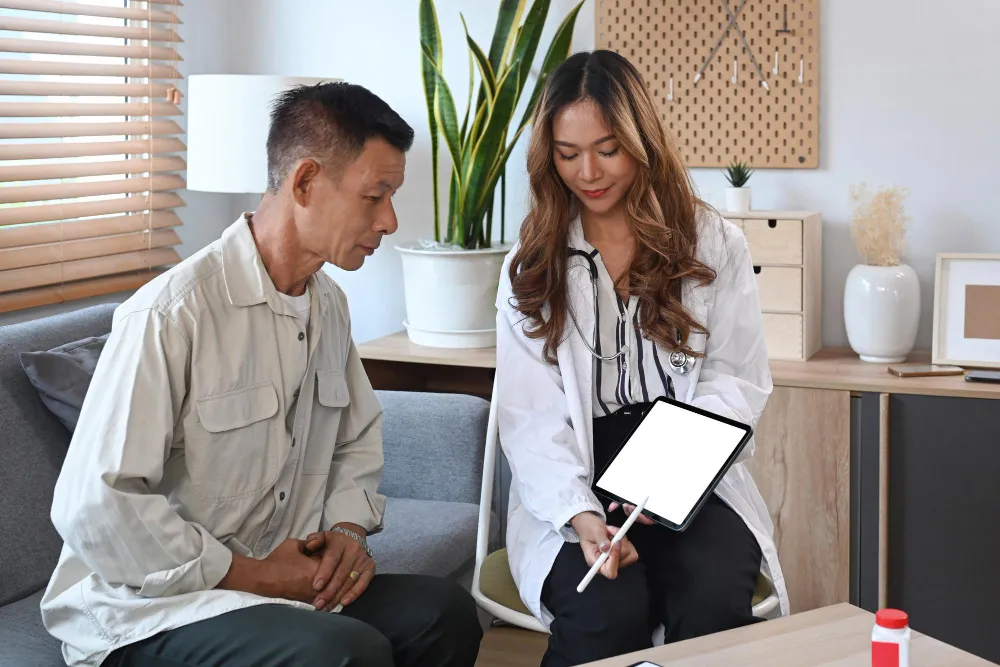
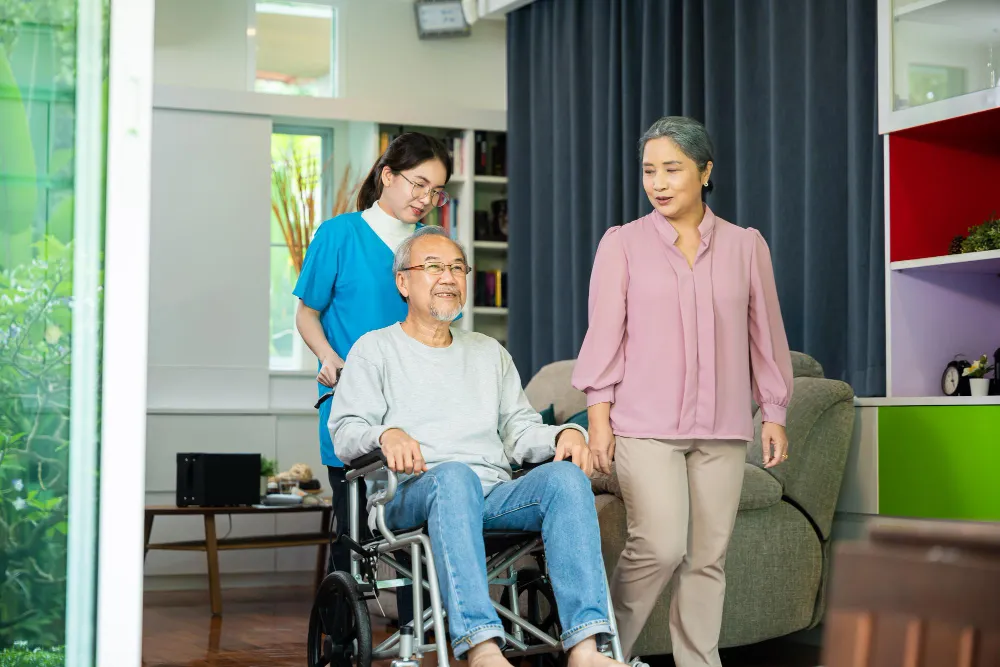
Many families discover that combining home nursing services with home care provides the most comprehensive support. This integrated approach ensures medical needs are professionally managed while daily living assistance maintains comfort.
For instance, a patient recovering from a stroke might need home nursing services for physiotherapy and medication management, alongside a home care assistant for bathing and meal preparation. This holistic care environment promotes faster recovery. You can find more information about our network of healthcare providers to see how these roles overlap. If you have specific questions, exploring options through our Help Center can clarify which combination suits your situation.
1. What is home nursing services and how does it work?
Home nursing services involve qualified nurses visiting your home to provide medical care such as wound dressing and vital signs monitoring. The nurse assesses the patient, creates a clinical care plan, and visits based on medical necessity.
2. Can home care assistants administer medication?
Assistants can provide medication reminders and help patients take tablets, but they cannot administer injections or IV therapy. Only licensed nurses within home nursing services can perform medical procedures.
3. How do I know which service my family member needs?
If they require wound care, injections, or monitoring of chronic conditions, they need home nursing services. If they primarily need help with bathing, cooking, and companionship, home care is sufficient.
4. Are these services covered by insurance in Malaysia?
Many private insurance policies in Malaysia cover home nursing services, especially for post-surgery recovery. It is best to check your specific policy terms regarding home-based medical care.
5. How often will a home nurse visit?
Visit frequency depends on the care plan. Some patients require daily visits for wound care, while others may only need weekly monitoring for chronic disease management.
Understanding the difference between home nursing services and home care empowers families to make informed decisions. Home nursing services provide essential medical expertise for complex health needs, while home care offers the practical assistance needed to maintain independence.
Both services play vital roles in enabling individuals to receive quality care at home. The choice should be based on a careful assessment of medical requirements and family circumstances. Professional home-based care not only improves patient outcomes but also provides peace of mind for the family.
If you are considering these options and need expert guidance, Contact Us today to discuss personalised care solutions tailored to your loved one’s specific needs.


































































 Call Us
Spread the love, follow us on our social media channels